Austin Zoo puts animal care at the center of a modest, close-up visit. I like its focus on rescued animals, and the chance to see a varied collection that includes lions, white tigers, wolves and capybaras along gravel paths. Daily zookeeper chats can add useful context, so check the schedule before you go.
The main caveat is that wildlife does not keep visitor hours. In hot weather, animals may retreat from view, which can make the visit feel thin for the price. If seeing every animal is your priority, consider the weather and keep your expectations flexible.
- Key points to know
- A rescue-focused zoo west of Austin
- Following the gravel paths
- Making the most of animal viewing
- The hoofstock feeding area
- The train, picnic and small comforts
- What admission costs, and what it covers
- Hours, access and simple rules
- Who will enjoy Austin Zoo most
- Should you book this Austin Zoo ticket?
- FAQ
- How long should I plan for Austin Zoo?
- What is included in the ticket?
- Where is Austin Zoo?
- What are the zoo’s opening hours?
- Are animal encounters included?
- Can I bring food and drinks?
- Does the zoo have a train?
- Is Austin Zoo wheelchair-accessible?
- Are pets allowed, and can I leave one in the car?
- The Best Of Austin!
- More Tickets in Austin
- More Tours in Austin
- More Tour Reviews in Austin
- Not for you? Here's more nearby things to do in Austin we have reviewed
Key points to know
 1 / 6
 2 / 6
 3 / 6
 4 / 6
 5 / 6
 6 / 6
- Rescue is the focus: Austin Zoo describes its work as caring for rescued animals in a safe, engaging setting.
- Allow two to three hours: The grounds are designed for a self-paced walk rather than a timed, guided tour.
- Expect gravel trails: Closed-toed walking shoes are a smart choice, and the paths may require extra care for wheelchairs and strollers.
- Animal sightings can vary: Heat can send animals out of view, so a hot afternoon may offer fewer sightings.
- Feeding costs extra: Food for goats, deer, llamas, alpacas and sheep is sold at the gift shop for use in the hoofstock area.
- Plan your practical details: The zoo is at 10808 Rawhide Trail, has no water fountains, and does not allow re-entry once you leave.

👉 See our pick of the 4 Best Shopping Tours In Austin
A rescue-focused zoo west of Austin
Austin Zoo is in Bee Cave, at 10808 Rawhide Trail, though its postal address is Austin, Texas. The setting is intended for a more intimate visit than a large, highly staged zoo: you follow gravel paths between animal enclosures and take the day at your own pace.
The zoo’s central story is animal care. It provides a home for rescued animals and aims to offer safe, engaging surroundings. That focus can make the visit feel more grounded than a simple checklist of species, especially if you take time to read the animal information and attend a zookeeper chat.
Still, this is a zoo, not a guaranteed close encounter. Animals choose where to spend their time, and some may be out of sight. One visitor had a disappointing visit in warm weather because many animals were hiding from the heat. That is worth taking seriously when you decide when to go, particularly if your main goal is to see a particular animal.
You can also read our reviews of more tours and experiences in Austin



Following the gravel paths
There is no fixed, guided itinerary included with your ticket. You enter, pick up the zoo map if useful, and make your own route through the grounds. Plan on roughly two to three hours, though your pace, interest in the exhibits and time at the feeding area will shape the visit.
The paths are gravel, so wear comfortable, closed-toed shoes. That advice matters for everyone, and especially for families with strollers or anyone who finds uneven surfaces tiring. The zoo is listed as wheelchair-accessible, and wheelchairs can be rented, but gravel may still make some parts of the visit more effortful than a paved route.
You can use the map to plan a circuit and avoid backtracking. The available information does not specify a required route or guarantee that every animal will be visible, so treat the map as a guide rather than a promise of sightings.
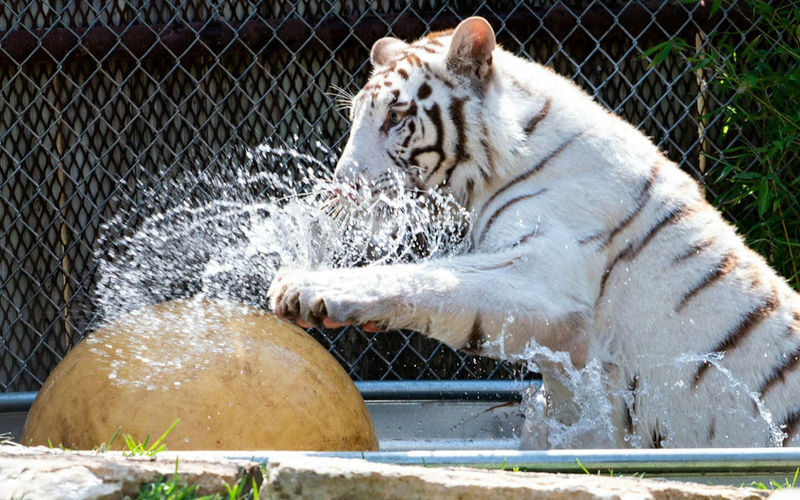
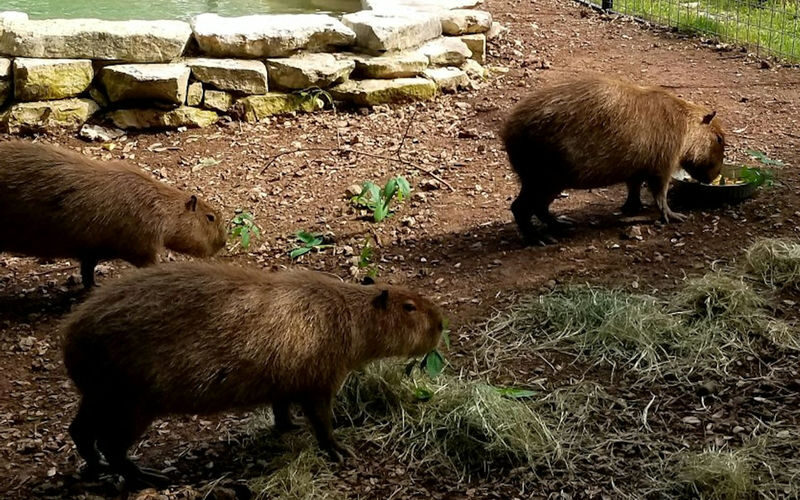
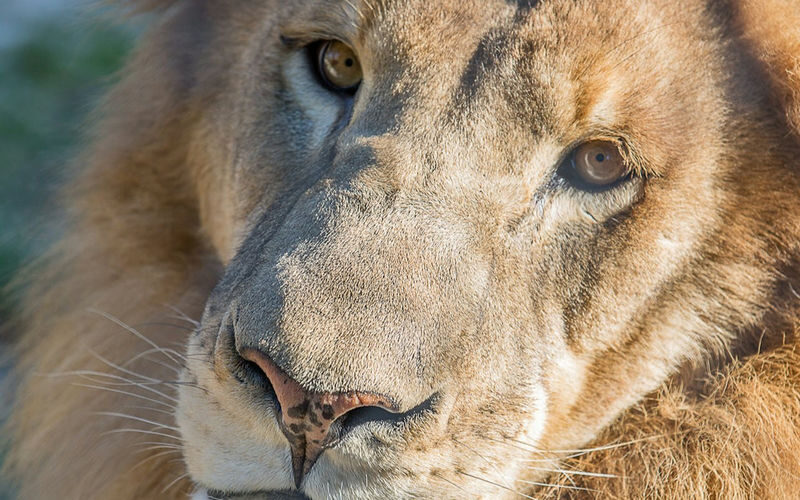
The animal collection includes lions, white tigers, wolves and capybaras, among other species. The range gives you a mix of large predators and smaller, more unusual animals to look for. Keep in mind that the experience is about viewing animals in their enclosures, not taking part in a scheduled animal encounter.
Making the most of animal viewing
A little patience helps. Walk slowly, pause at enclosures and give animals time to appear, rather than assuming a brief glance will reveal everything. If the day is hot, the chance of finding animals resting out of sight is a real consideration. A cooler part of the day may be a better bet, but the provided information does not promise that any particular species will be active at a particular hour.
Daily zookeeper chats offer another way to understand the animals and the care they receive. Their schedule is available separately, so check it before your visit and build your walk around a talk that interests you. These chats can add a human perspective to the experience, with insight into animal care and individual stories. They are not the same as an animal encounter, which is not included in admission.
You may find the rescue mission especially meaningful if you enjoy learning about animal welfare as much as watching wildlife. If you are visiting mainly for dramatic, close-up sightings, however, keep your expectations measured. The animals set the pace, and weather can affect how much you see.
The hoofstock feeding area
The zoo has a designated feeding area for sheep, deer, goats, llamas and alpacas. Animal feed is available to buy at the gift shop, making this a hands-on option for visitors who want more than a walk past enclosures.
Feeding is an extra purchase, not part of the ticket price. Use only the feed sold for this purpose, and do not share your own food or drinks with the animals. The zoo allows visitors to bring their own picnic food, but that is for people, not the residents.
If you are visiting with children, this area may become a natural highlight because it offers a clear activity within an otherwise self-guided visit. Keep the feeding area in perspective, though: it does not replace the wider walk, and the zoo’s other animal viewing remains subject to visibility and animal behavior.
The train, picnic and small comforts
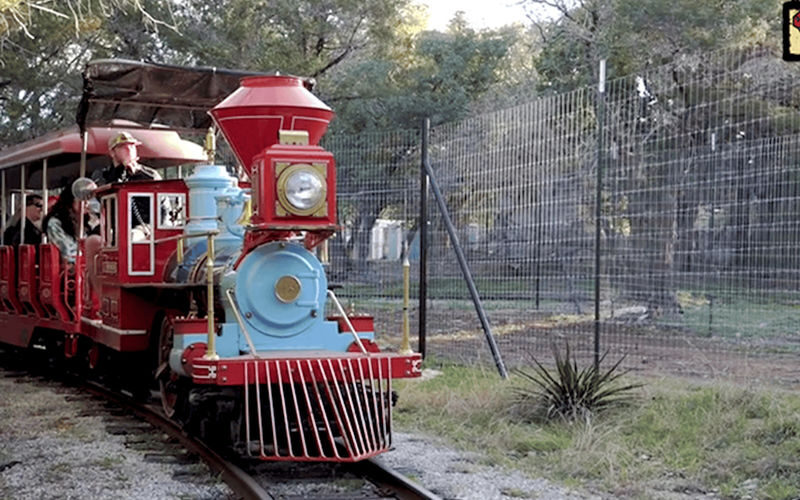
A zoo train runs daily except when weather conditions are unsuitable. Tickets cost $5 plus tax and are sold at the Train Depot inside the zoo. The last train leaves one hour before closing, so check the time if you want to ride near the end of your visit. It is an optional extra rather than a feature included in admission.
You can bring food and drinks and eat at the Picnic Grove. The gift shop also sells grab-and-go items such as sandwiches, snack packs, desserts and beverages. There are no water fountains, so bring water or plan to buy bottled water at the shop. That is a small but important detail on a warm Texas day.
Strollers rent for $10, and wheelchairs for $20, with unlimited use during the visit. You must leave a driver’s license with the clerk until you return the rental, when the rental amount is refunded. If you prefer to bring your own stroller or need a mobility aid, remember that the trails are gravel.





What admission costs, and what it covers
General admission starts at $19.99 and includes entry to Austin Zoo. It does not include animal encounters, food or drinks, transport, the zoo train, feed for the hoofstock area, or personal expenses. Tips are not included, though there is no tour guide listed as part of this activity.
For the price, the strongest value comes from a relaxed visit built around animal viewing and the zoo’s rescue work. Two or three hours can make a worthwhile outing if you enjoy walking, animal care stories and an unhurried pace. The value is less certain if you expect every animal to be visible or want a hands-on encounter included in the ticket.
Discounted senior, student and military tickets require valid identification at arrival. Children aged zero to one enter free, while children aged 13 and older pay the adult rate. There is no age limit for the activity.
The ticket is valid only on the date selected, and the stated terms do not allow cancellations or refunds. Book only when your plans are firm, and check the opening hours for your chosen date before setting out.
Hours, access and simple rules
The general schedule lists weekday hours as 9 a.m. to 3 p.m. and Saturday and Sunday hours as 9 a.m. to 6 p.m. From November 1, 2026, through January 31, 2027, weekend hours are listed as 9 a.m. to 5 p.m. Hours can affect how much time you have for the trails and train, so confirm the schedule for your date. In spring, mornings can be busy with school field trips.
Present your mobile voucher at the Admissions Trailer outside the zoo entrance. There is no re-entry after you leave, so take food, water and anything else you need before entering. Transport is not included, and the activity information does not describe a transport service.
Pets are not allowed inside, and no animals may be brought to the zoo or left in a car in the parking area. Service animals with valid identification must remain leashed; they may be asked to leave if disruptive or not under control. Glass containers, weapons, drones, bicycles, tricycles and scooters are prohibited. Smoking and vaping are not allowed on zoo grounds, though smoking is permitted in the parking lot.
Who will enjoy Austin Zoo most
I would put Austin Zoo on the list for families, animal-care-minded visitors and anyone looking for a low-key outdoor stop near Austin. The variety of species, optional hoofstock feeding and zookeeper chats offer several ways to make the visit engaging without needing a rigid schedule.
It also suits visitors who are happy to spend time walking and observing, rather than rushing from one attraction to the next. The rescue focus gives the visit a clear purpose, and the self-guided format lets you linger where you choose.
It is a less certain choice for anyone with limited time, a strong need to see specific animals, or little tolerance for heat and gravel paths. If you go, choose a comfortable time of day, bring water, check the chat schedule and allow enough time to walk at an easy pace. That simple preparation will do more for the visit than trying to see everything quickly.
Should you book this Austin Zoo ticket?
Book if you value animal welfare, want a few hours outdoors and are comfortable with an informal visit where sightings may vary. The starting price is reasonable for a two-to-three-hour outing, but the train, feed and refreshments add to the total, and no animal encounter is included.
If a hot-weather visit is your only option and you are counting on seeing every animal, I would think twice. If you can be patient, plan around the zoo’s hours and enjoy the care story as much as the sightings, Austin Zoo can be a worthwhile stop west of the city.
FAQ
How long should I plan for Austin Zoo?
Plan for about two to three hours. Your visit may take more or less time depending on your pace, animal sightings, zookeeper chats and whether you use the feeding area or ride the train.
What is included in the ticket?
The general ticket includes admission to Austin Zoo. Animal encounters, meals and beverages, transport, the zoo train, animal feed and other personal expenses are not included.
Where is Austin Zoo?
The zoo is at 10808 Rawhide Trail, Austin, TX 78736, United States. It is described as being in Bee Cave.
What are the zoo’s opening hours?
The listed hours are 9 a.m. to 3 p.m. Monday through Friday and 9 a.m. to 6 p.m. on Saturdays and Sundays. From November 1, 2026, through January 31, 2027, weekend hours are listed as 9 a.m. to 5 p.m. Check the hours for your selected date.
Are animal encounters included?
No. Animal encounters are not included with admission. You can buy feed at the gift shop for sheep, deer, goats, llamas and alpacas in the designated hoofstock feeding area.
Can I bring food and drinks?
Yes. You may bring your own food and drinks and use the Picnic Grove. Do not share food or beverages with the animals. There are no water fountains, and bottled water and grab-and-go food are available at the gift shop.
Does the zoo have a train?
Yes. The train operates daily except in inclement weather. Tickets cost $5 plus tax and are sold at the Train Depot inside the zoo. The last train departs one hour before closing.
Is Austin Zoo wheelchair-accessible?
The activity is listed as wheelchair-accessible. Wheelchairs can be rented for $20 for unlimited use during the visit, with a driver’s license held until the chair is returned. The trails are gravel, so take that surface into account.
Are pets allowed, and can I leave one in the car?
Pets are not allowed inside, except service animals with valid identification. Animals may not be brought to the zoo or left in a vehicle in the on-site parking area.