Auschwitz-Birkenau and Wieliczka Salt Mine make a striking pair: one site asks you to face the crimes of Nazi Germany, the other shows what generations of miners made underground. This is a full, serious day, not a casual outing, and the contrast between the two visits is part of its impact.
I like two things about this tour: transport and entry are bundled, so you avoid arranging separate trips from Krakow, and both sites have guided visits, which help put the places in context. At Wieliczka, the carved salt figures and chapels offer a vivid change of setting after the memorial.
The main consideration is the schedule. The tour runs roughly from 8:15 a.m. to 8:45 p.m., its order can change, and the lunch break may not go as planned. You’ll also walk for much of the day, so bring comfortable shoes, water, and a plan for food.
- Key points before you book
- A day that asks for attention and stamina
- The Auschwitz journey starts before the memorial
- Wieliczka’s salt rooms provide a sharp contrast
- The running order can make or break the day
- Hotel pickup is useful, but confirm the return
- Is 5.05 good value?
- What to bring and what to check
- Who should choose this tour?
- FAQ
- How long is the tour?
- Which site do you visit first?
- Is lunch included?
- What should I bring for entry?
- Is the tour wheelchair accessible?
- Are hotel pickup and drop-off included?
Key points before you book
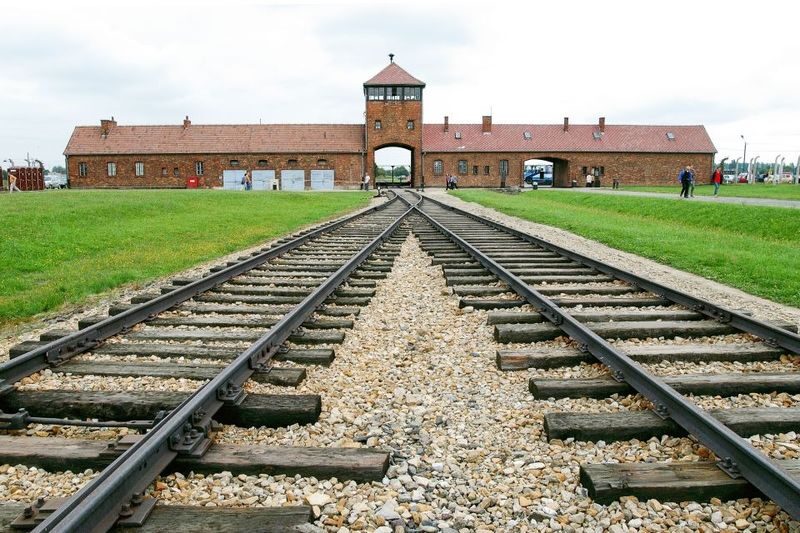
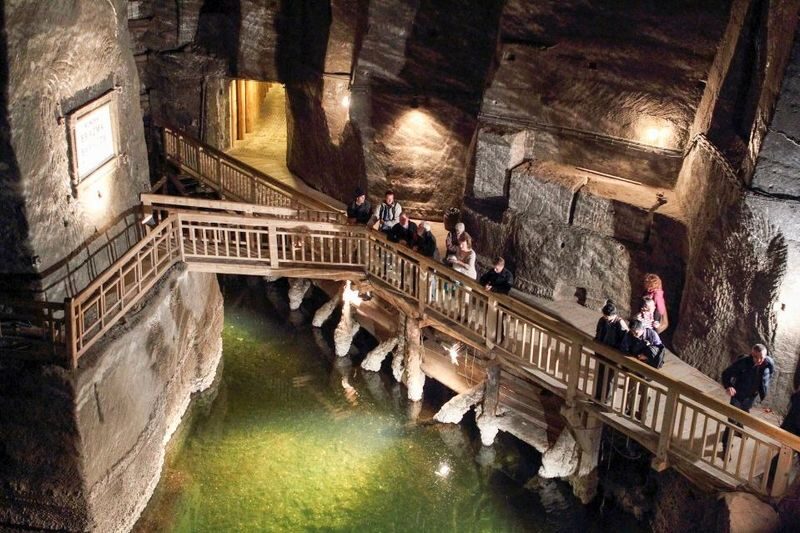
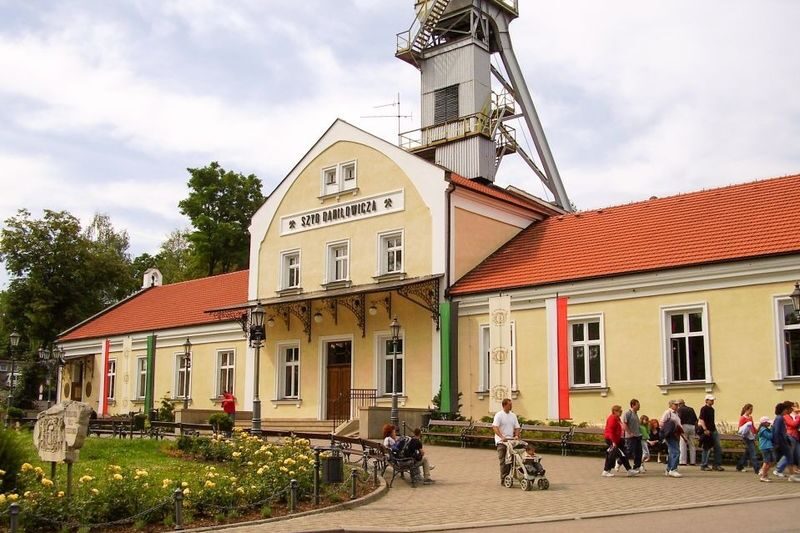
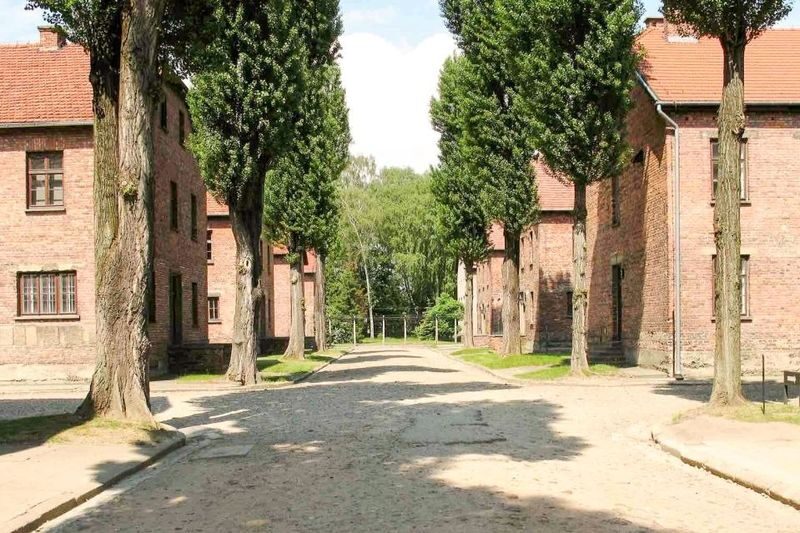
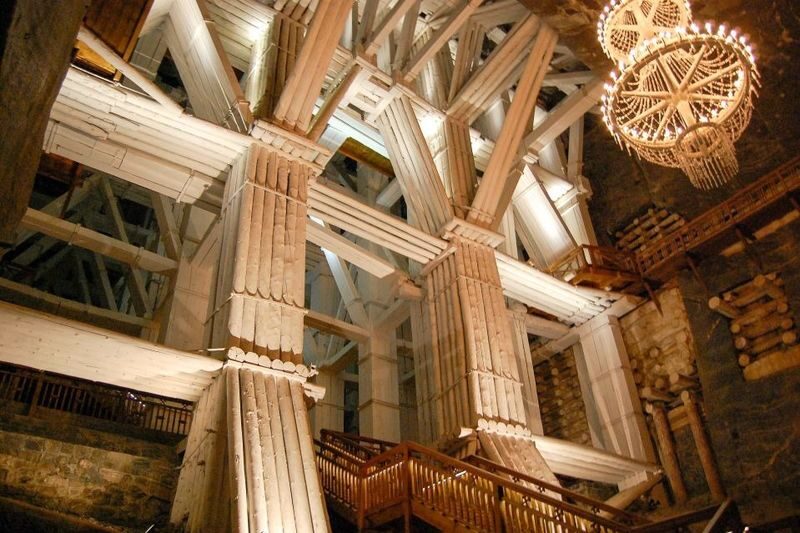
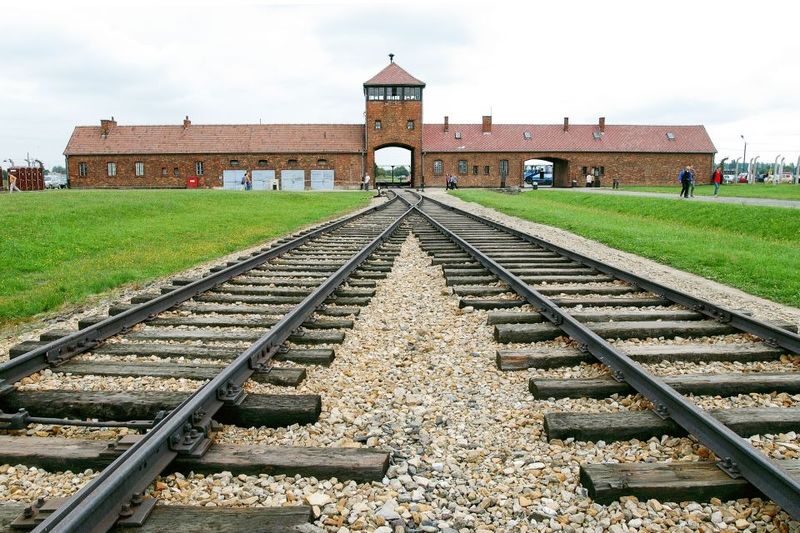
- Two very different sites in one day: Auschwitz-Birkenau is a memorial to mass murder; Wieliczka is a vast underground mine with salt-carved chambers and chapels.
- The order can change: Auschwitz is scheduled first in the described plan, but some departures have visited the mine first. Confirm the order and timing before travel.
- Expect a long day: The stated pickup is around 8:15 a.m., with return around 8:45 p.m. The visits and transfers make this a demanding outing.
- The lunch hour is not guaranteed: Lunch is not included, and the scheduled break may be affected by the day’s timing. Carry something to eat.
- Guides and transport matter: The package includes an English-speaking guide, headsets at the sites, Wi-Fi, and round-trip hotel transfers, though the exact drop-off point is worth confirming.
- The mine route has limits: The standard tourist route is not the mine’s wheelchair-accessible route, and this activity is not recommended for people with disabilities.
A day that asks for attention and stamina
This tour links two major places outside Krakow, saving you the work of coordinating transport and admission yourself. That convenience comes with a trade-off: you follow a shared schedule, and the day can stretch to about twelve and a half hours from pickup to return.
The Auschwitz-Birkenau visit is listed as about three and a half hours, followed by a guided visit of roughly two and a half hours at Wieliczka. Transfers, waiting, and any changes to the running order fill out the rest. The provider notes that traffic and weather can affect the schedule, so treat the stated times as a guide rather than a promise.
You will travel in an air-conditioned minivan or minibus. The shared pickup time is approximate, and the operator is meant to confirm the exact time by email or text no later than the day before. Be ready early: pickup can be earlier or later than the estimate.
The Auschwitz journey starts before the memorial
On the way from Krakow, the tour plays The Liberation of Auschwitz, a documentary intended to give you background before arrival. This can help you approach the site with some historical context, but it is only a starting point. The memorial visit is where the scale and physical setting become much harder to take in at a distance.
The guided visit covers Auschwitz I and Auschwitz II-Birkenau. The museum’s visitor service sets the pace and duration, so the tour guide does not control every detail of how long you spend at each part. Headsets are included to help you hear the guide, an important practical touch when a group is moving through a large site.
Give this visit your full attention. It is not simply a stop for photographs or a quick lesson in dates. You are entering a memorial to victims of the concentration and extermination camps, and the experience can be emotionally heavy. Keep your plans for the evening flexible if you want time to process what you have seen.
The Birkenau portion deserves particular care in the schedule. It is an expansive site, and one departure had its guided time cut short because of anticipated rain. The guide offered the group the choice to leave, and some people continued on their own. That is a useful warning: if weather threatens to shorten the visit, ask clearly what parts remain and how much time you will have. Don’t assume every group will receive identical coverage.
Warm-weather visitors should take the open-air setting seriously. Birkenau can mean prolonged exposure to sun and heat, so bring sunscreen and water. In wet or cold weather, prepare for the same open areas to feel exposed. The memorial sets the pace, but suitable clothing and shoes make a long visit easier.
Wieliczka’s salt rooms provide a sharp contrast
The Wieliczka Salt Mine offers a very different kind of visit. Its underground chambers, carved salt statues, and chapels show the craft and labor associated with generations of miners. The guided route gives you a way to understand what you are seeing, rather than simply walking through rooms without context.
The standard guided visit is about two and a half hours. It is a substantial walk, so comfortable shoes are essential. One departure had a group of around 30, and the guide was difficult to hear at the back. Headsets are listed as part of the tour package, but if you cannot hear clearly, move closer when practical or tell the guide early rather than missing the explanation.
The mine is not suitable for every mobility need. A separate sightseeing route is available for visitors with mobility problems, but it is not part of the regular tourist route included here. The activity is also not stroller-friendly. If you need step-free access or other specific support, check with the operator before booking rather than assuming the standard route can be adapted.
The mine is a strong second stop because it changes the pace and subject matter after Auschwitz. Still, it is not a lighthearted reward at the end of a difficult visit so much as a second major attraction with its own history and demands. You will have been on your feet for hours by then.
The running order can make or break the day
The stated plan begins with Auschwitz-Birkenau and continues to Wieliczka. That order makes practical sense for many people: the memorial visit comes earlier, when you are fresher, and the mine follows later. But the order is not assured. On some departures, the visits have been reversed.
A reversed schedule can affect the experience, especially in winter or on a short day. One traveler arrived at the camp around 3 p.m. and found that it was dark by the time they reached the railway gate. The exact timing will depend on the date and schedule, but this is a good reason to ask the operator which site comes first and how long the Auschwitz-Birkenau visit is expected to last.
There is also a mismatch between the planned lunch hour and what can happen on the road. Lunch is at your own expense, and some departures have had no proper hour to stop and eat. Carry a snack or packed food, and don’t count on a sit-down meal unless the operator confirms a firm break.
If the day’s order changes, ask how that affects daylight at Birkenau and the time allocated to each site. You are paying for two substantial visits, not merely transport between the gates. A clear answer helps you decide whether the schedule suits you.
Hotel pickup is useful, but confirm the return
Hotel pickup removes one of the biggest hassles of visiting two places outside Krakow in one day. You enter your hotel name and address when booking, and the operator confirms the pickup time in advance. The service is shared, so the vehicle may arrive before or after the approximate time. Be ready at least 15 minutes before the confirmed departure.
The return is described as a drop-off at your hotel or personal address, but the exact point deserves a check. Some departures have ended with people walking from a drop-off spot about 20 minutes from their hotel, despite booking a hotel transfer. Before travel, ask whether the return is door-to-door at your stated address or to a nearby meeting point.
Guide and driver names vary by departure. Crews have included a driver named Matt and a team with two Michaels, one serving as driver-guide and one guiding at Auschwitz. The names are not a promise of who will be assigned, but the strongest experiences have depended in part on clear guiding and attentive driving. At both sites, speak up if you cannot hear or need clarification.
Is $155.05 good value?
At a starting price of $155.05, this is more than a simple bus transfer. The package includes admission to Auschwitz I, Auschwitz II-Birkenau, and Wieliczka Salt Mine, English-speaking guiding, round-trip transfers, parking, insurance, Wi-Fi, headsets, and the documentary on the ride. For a visitor who wants to see both sites in one day without arranging tickets and transport separately, that bundle can be worthwhile.
The value depends on execution. A clear guide at Auschwitz and the mine can make the time feel purposeful; weak audibility, a shortened Birkenau visit, a missed meal break, or an inconvenient return drop-off can make the price feel steep. The provider has a 57 percent good-review rate across 26 total reviews, and the package itself is rated 4.1 out of 5 from seven ratings. Those figures suggest a generally workable service, but not one to book without checking the schedule and transfer details.
Compare this with visiting each site separately if you want more control over timing, meals, and time at the memorial. This shared tour’s main value is convenience: one booking, transport between the sites, and guided visits in a single day. You give up some flexibility in return.
What to bring and what to check
Bring a valid passport or ID. The name on the booking must match the ID used to enter, and the stated requirement is an ID or passport with six months of validity. Leave large bags at your accommodation, since luggage and large bags are prohibited at the sites.
Wear comfortable shoes for hours of walking. For Birkenau, pack sunscreen and water in hot weather, and dress for exposure if rain or cold is possible. Since meals and drinks are not included and the lunch stop may be uncertain, carry food you can eat during a break.
Children aged 0 to 4 are free, but infants and children must still be included in the passenger count. Children aged 0 to 15 need a paying adult with them; those aged 16 and over pay the adult rate. The tour is not stroller-friendly.
Who should choose this tour?
This works best for you if you have limited time in Krakow, want to visit both sites, and value having transport and admission organized together. It suits people who can manage a long day on foot and are comfortable with a set schedule. The two visits are important, but the Auschwitz memorial in particular calls for patience and a respectful frame of mind.
Choose separate visits if you want a slower pace, a reliable meal break, more control over how long you spend at Birkenau, or a specific accessibility arrangement. The shared format can be efficient, but changes to the order and timing are real considerations, not minor footnotes.
I’d book this tour if convenience is your priority and you confirm the visit order, lunch plan, and return drop-off first. If those details remain vague, or you want to give Auschwitz-Birkenau more time, split the visits across separate days.
Auschwitz-Birkenau & Wieliczka Salt Mine Tour with Hotel Pickup
“We booked on Klook with KrakowDirect. The driver MATT was fantastic. The Salt Mines were great and the guide there was really good. Auschwitz was a…”
FAQ
How long is the tour?
The stated day runs from an approximately 8:15 a.m. departure to a return around 8:45 p.m. The schedule can change with traffic and weather.
Which site do you visit first?
The described plan starts at Auschwitz-Birkenau and continues to Wieliczka Salt Mine, but the order may change. Confirm the running order with the operator before the tour.
Is lunch included?
No. Meals and drinks are not included. Although the schedule allows for a lunch break, the timing may change, so bring food in case there is no full stop.
What should I bring for entry?
Bring a valid ID or passport. The name on your booking must match the ID used at entry, and the stated requirement is six months of validity.
Is the tour wheelchair accessible?
The standard Wieliczka tourist route is not the mine’s route for visitors with mobility problems. The separate mobility route is not part of this tour, and the activity is not recommended for people with disabilities.
Are hotel pickup and drop-off included?
Round-trip transfers to and from your hotel are included in the package description. Pickup is shared and approximate; confirm the exact time and the return drop-off point, since it may not always be directly at your hotel.