Audubon Zoo gives you two very different kinds of animal encounters in one visit: the big, familiar draw of African lions and orangutans, and the local character of the Louisiana Swamp Exhibit, with black bears, bobcats and a remarkable white alligator. The swamp setting makes this more than a checklist of animals. It puts native wildlife at the heart of a New Orleans day out.
I like the contrast between Jaguar Jungle, with jaguars and spider monkeys, and Watoto Farm, where children can meet sheep and goats and learn about sustainable farming. I also like that the zoo has practical comforts, including refill stations, shaded seating and air-conditioned cafes. One thing to plan around: the ticket is valid only for the selected date, and it cannot be canceled or refunded.
- Key points to know before you go
- Start with the animals, then take your time
- Louisiana wildlife at the swamp exhibit
- Jaguar Jungle and the big cats
- Monkey Hill and Watoto Farm for families
- How to make the most of three to four hours
- Ticket price, food and what is included
- Getting there and practical access
- Opening hours and date planning
- Should you book Audubon Zoo?
- FAQ
- How long should I plan to spend at Audubon Zoo?
- What is included in the entrance ticket?
- How much does admission cost?
- What are the zoo’s opening hours?
- Which days is Audubon Zoo closed?
- Can I bring my own food and drinks?
- Is there food available inside the zoo?
- How do I get to the zoo by bus or car?
- Is Audubon Zoo wheelchair-accessible?
- Can I leave the zoo and come back in?
- The Best Of New Orleans!
- More Tickets in New Orleans
- More Tours in New Orleans
- More Tour Reviews in New Orleans
- Not for you? Here's more nearby things to do in New Orleans we have reviewed
Key points to know before you go
 1 / 6
 2 / 6
 3 / 6
 4 / 6
 5 / 6
 6 / 6
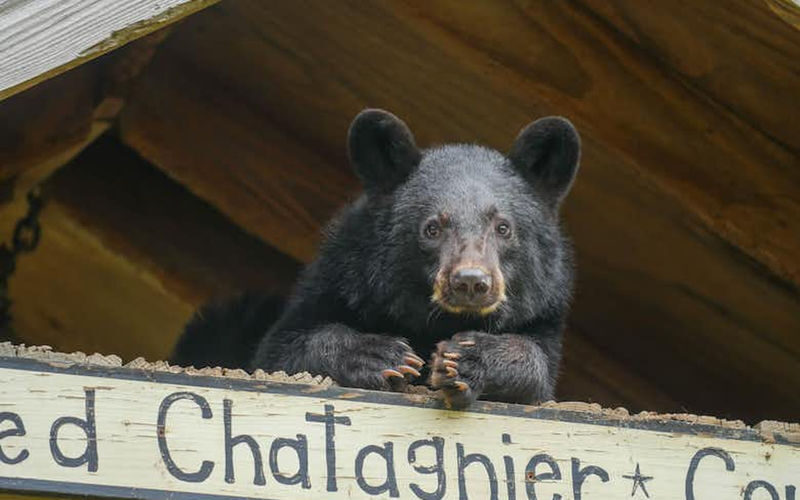
- The Louisiana Swamp Exhibit is a local highlight: Look for black bears, bobcats and the white alligator in an exhibit focused on native wildlife.
- Monkey Hill is built for active kids: Its five-level treehouse gives children a place to climb and play between animal areas.
- Jaguar Jungle mixes big cats and primates: You may see jaguars, ocelots and spider monkeys in the same themed area.
- Plan on three to four hours: The zoo covers more than 50 acres, so give yourself time to move between habitats, take breaks and stop at exhibits.
- Admission starts at $31.55: Food, drinks and Wild Encounters are not included, but you may bring your own food and non-alcoholic beverages.
- Check the calendar before choosing a date: Hours can change, and seasonal Tuesday and Wednesday closures are listed for part of the year.

👉 See our pick of the 8 Best Workshops And Classes In New Orleans
Start with the animals, then take your time
Audubon Zoo sits at 6500 Magazine Street, and a standard admission ticket gives you access to a large collection of habitats and animals. More than 1,700 animals from over 350 species live across over 50 acres. That scale is a reason to plan a loose route, not a reason to rush from exhibit to exhibit.
A three-to-four-hour visit is a useful starting point. You can see several major areas in that time, but your pace will depend on how often you stop, whether you are visiting with children and how long you spend at each habitat. If you want a relaxed meal or a longer stop at Monkey Hill, allow extra time.
The zoo is best approached as a half-day outing rather than a quick stop between other plans. You will get more from it if you leave room to watch animal behavior and read the exhibit information. Animals may be active or resting, so a little patience helps, and no single sighting is guaranteed.
You can also read our reviews of more tours and experiences in New Orleans

Louisiana wildlife at the swamp exhibit
If you have limited time, make the Louisiana Swamp Exhibit a priority. This urban swamp setting focuses on animals native to the region, including black bears, bobcats and a white alligator. It gives the visit a strong sense of place: you are seeing wildlife connected to Louisiana, not only species you might encounter at zoos elsewhere.
The white alligator is an especially memorable animal to look for. The exhibit also offers a chance to understand the variety of wildlife associated with swamp habitats. Staff are stationed around exhibits, and their information can add useful context. The swamp area has been noted as particularly informative, so give it more than a passing glance.
The setting may appeal even if you are not usually drawn to animal exhibits. It links the zoo to the wetlands and wildlife that are part of the region’s identity. Keep in mind that the zoo experience is still built around viewing animals in managed habitats; it is not a trip into the wild.
Jaguar Jungle and the big cats
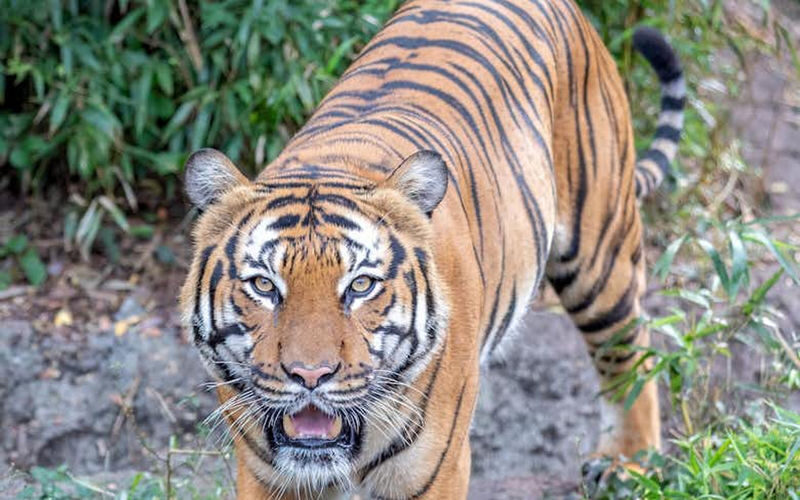
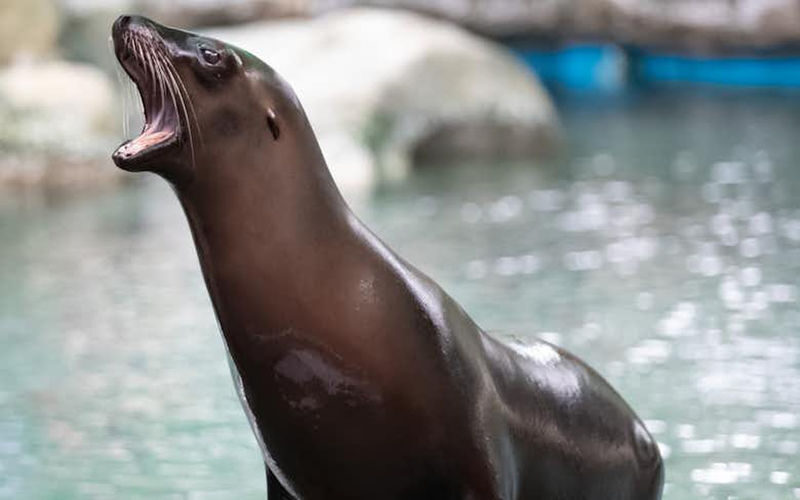
Jaguar Jungle brings together jaguars, ocelots and spider monkeys. The jaguar is the headline animal, but the smaller ocelot and agile monkeys give you other things to watch for as you move through the area. This is a good place to pause and observe rather than simply take a quick photo.
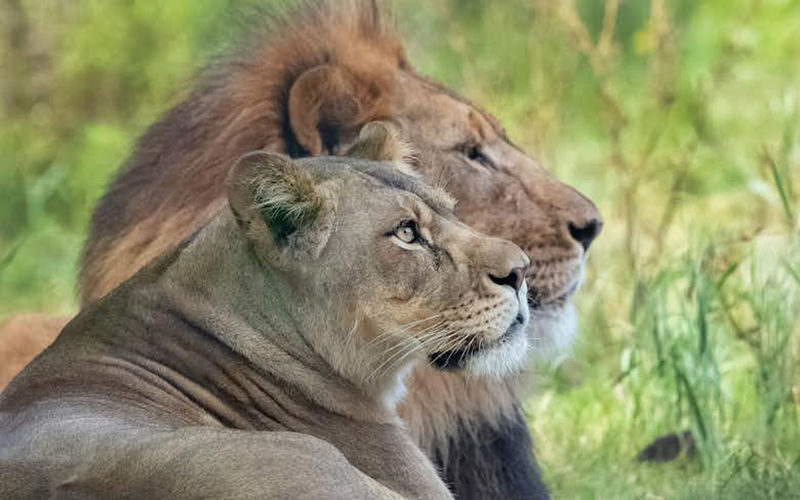
The zoo also has African lions in expansive outdoor environments. For many people, lions are a must-see, and their outdoor spaces offer a different scale from the closer, more compact encounters elsewhere in the zoo. As with any animal habitat, activity can vary. If an animal is resting when you arrive, consider returning later rather than waiting in one place for a long time.
Orangutans are another major draw. Their outdoor environments let you watch them move and interact with their surroundings. You will get the most from these exhibits by looking for behavior, not just spotting an animal and moving on.
Monkey Hill and Watoto Farm for families
Monkey Hill is a practical family stop as well as a playful landmark. Its five-level treehouse gives children room to climb and burn off energy. That can make a real difference during a visit that involves walking across a large site and stopping at many exhibits.
The treehouse also provides a change of pace from looking through habitat boundaries. If you are visiting with younger children, it can be a useful place to pause and reset before continuing. There is no age limit for admission, and children aged 0 to 1 enter free. Children aged 13 and older pay the adult rate.
At Watoto Farm, you can meet domestic animals such as sheep and goats. The farm adds a hands-on-feeling counterpoint to the zoo’s wild species, while introducing sustainable farming practices. It is an especially approachable stop for children who may be less interested in watching animals from a distance.
How to make the most of three to four hours
I would begin with the exhibits that matter most to you, rather than trying to cover every path in a fixed order. If local wildlife is your priority, head to the swamp exhibit early. If your group is eager to see lions, orangutans or jaguars, build those stops into the first part of the visit, then use Monkey Hill or Watoto Farm as a break from the animal viewing.
The zoo’s scale means a bit of planning can prevent backtracking. Check the current map and daily information when you arrive, then choose a few must-see areas and leave room for discoveries along the way. Staff at exhibit areas can help answer questions, and the Zoo Information Booth is the place to ask for assistance or check on lost property.
Re-entry is permitted. Keep your ticket, wristband or stamp with you if you plan to leave and return. This is useful if you want to take a break outside the zoo, but remember that your admission is date-specific.
You can also read our reviews of more tours and experiences in New Orleans

Ticket price, food and what is included
Admission starts at US$31.55 for the entrance ticket. It covers entry to Audubon Zoo, but not Wild Encounters, food, drinks, tips or other personal expenses. If you are comparing the price with a shorter attraction, the zoo’s size and three-to-four-hour visit make the ticket more reasonable for a half-day plan, especially if you take time with the exhibits.
The ticket is not an all-inclusive package. If a Wild Encounter is important to you, check its separate availability and cost before you go. The standard admission is a straightforward way to see the zoo without adding paid extras.
You may bring outside food and beverages, but glass bottles and alcoholic drinks are not allowed. Backpacks and coolers, with or without wheels, must not exceed 26.5 liters, and each family may bring only one cooler. Staff may inspect coolers and backpacks at entry, so pack lightly and keep things easy to check.
On-site dining includes Zoofari Cafe and Cypress Knee Cafe, both with air-conditioned indoor seating. Other food locations have shaded outdoor seating. Vegetarian, vegan and gluten-free choices are available at several cafes and snack stands, including salads, pizza and plant-based entrees; ask staff about specific allergy needs.
A reusable water bottle is worth bringing. Refill stations are near restrooms and dining areas, which saves you from relying only on purchased drinks during a few hours of walking.
Getting there and practical access
The entrance is at 6500 Magazine Street. Magazine Street Bus Route 11 stops at the Audubon Zoo Bus Stop directly in front of the entrance. If you drive, free parking is available in the main lot, with designated accessible spaces near the entrance for vehicles displaying valid ADA plates or placards.
The main entrance is wheelchair accessible, and the zoo is described as stroller- and wheelchair-accessible. Manual and electronic wheelchairs, as well as strollers, are available to rent at the Guest Services Information Booth. Benches and rest areas are spread through the zoo, and accessible and family restrooms are available throughout the grounds.
For families, changing tables are in all family and accessible restrooms, including two dedicated family restrooms. A nursing room is not specifically identified, but staff can direct you to a quiet, private space. Sensory bags, weighted lap pads, quiet zones and headphone zones are available on-site, which can help you plan a visit around different sensory needs.
Trained service animals are welcome, though they are not allowed in Watoto Walk, Wings of the World or the Audubon Aviary. Smoking, vaping and tobacco use are prohibited inside the zoo and other Audubon Nature Institute facilities. They are allowed only outside the zoo.
Opening hours and date planning
The listed regular hours are 10:00 a.m. to 5:00 p.m., with last entry at 4:00 p.m. Hours may change, so check the zoo’s website before setting out. The zoo is closed on Mardi Gras, Thanksgiving Day and Christmas Day.
Seasonal information also lists a closure period from September 8, 2026, through March 4, 2027, and Tuesday and Wednesday closures. For part of that period, the schedule lists Monday and Thursday through Sunday as open from 10:00 a.m. to 5:00 p.m., with last entry at 4:00 p.m. Because the calendar includes date-specific seasonal notes, verify the exact day you plan to visit before buying a ticket.
Admission is valid only on the date selected, and no cancellations or refunds are available. You can book for the same day, receive instant confirmation and present your mobile voucher at the entrance. A voucher has been readily accepted at the gate, but keep it accessible on your phone before you reach the main entrance.
Should you book Audubon Zoo?
Book Audubon Zoo if you want a half-day attraction with a strong Louisiana connection, a broad range of animals and enough family-friendly features to keep children moving. I would put the swamp exhibit near the top of your list, then choose among the lions, orangutans, Jaguar Jungle, Monkey Hill and Watoto Farm based on your interests.
It is less suited to a very short visit or a rigid schedule. The site is large, animal activity can vary, and the ticket is fixed to your selected date. If those limits fit your plans, the combination of native wildlife, major animal habitats and practical on-site facilities makes this a solid New Orleans outing.
Audubon Zoo Ticket
“Friendy and informative staff placed at various exhibits. Animals out and active. Bayou exhibit was most informative. Voucher readily accepted. A+”
FAQ
How long should I plan to spend at Audubon Zoo?
Plan on about three to four hours. The zoo covers more than 50 acres, and your visit may take longer if you stop for a meal or spend extra time at exhibits.
What is included in the entrance ticket?
The ticket includes admission to Audubon Zoo. Wild Encounters, food, beverages, tips and other personal expenses are not included.
How much does admission cost?
The entrance ticket starts at US$31.55. The exact price may depend on the selected package.
What are the zoo’s opening hours?
The listed hours are 10:00 a.m. to 5:00 p.m., with last entry at 4:00 p.m. Hours may differ, so check the zoo’s website before your visit.
Which days is Audubon Zoo closed?
The zoo is closed on Mardi Gras, Thanksgiving Day and Christmas Day. Seasonal information also lists Tuesday and Wednesday closures during a stated period, so check the calendar for your date.
Can I bring my own food and drinks?
Yes. Outside food and beverages are allowed, but glass bottles and alcoholic beverages are prohibited. Backpacks and coolers must not exceed 26.5 liters, and each family may bring one cooler.
Is there food available inside the zoo?
Yes. Dining options include Zoofari Cafe and Cypress Knee Cafe, along with other cafes and snack stands. Vegetarian, vegan and gluten-free choices are available at several locations; ask staff about specific dietary needs.
How do I get to the zoo by bus or car?
Take Magazine Street Bus Route 11 to the Audubon Zoo stop directly in front of the entrance. Free parking is available in the main parking lot, with accessible spaces near the entrance for vehicles with valid ADA plates or placards.
Is Audubon Zoo wheelchair-accessible?
Yes. The entrance is wheelchair accessible, and the zoo is described as wheelchair- and stroller-accessible. Manual and electronic wheelchairs and strollers are available to rent at the Guest Services Information Booth.
Can I leave the zoo and come back in?
Yes. Re-entry is permitted. Show your ticket, wristband or stamp when you return to the entrance.