The Aquarium of the Pacific puts the ocean’s many moods under one roof: cool Northern Pacific water, Southern California coastline and warm Tropical Pacific reefs. I like two things in particular: Shark Lagoon’s touch pools, which give children a hands-on encounter with small sharks and rays, and the Pacific Visions Theater, included with admission and built around an immersive 180-degree screen.
This is a good half-day outing, not an enormous, all-day marine park. The trade-off is value: at a starting price of $49.95, you may find the visit short for the cost if you move quickly or expect a giant collection. Arrive early, take your time with the exhibits and check the aquarium’s hours before setting off.
- Aquarium of the Pacific at a glance
- Three Pacific regions, one compact visit
- Sharks and touch pools at Shark Lagoon
- Sea otters, penguins and other crowd-pleasers
- Jelly Dreamscapes and the frog exhibit
- Pacific Visions Theater: a useful included extra
- How long to stay, and when to go
- Is the .95 ticket good value?
- Getting to Long Beach and entering
- Should you book this Aquarium of the Pacific ticket?
- FAQ
- How long should I plan for the Aquarium of the Pacific?
- What does the ticket include?
- Can I use a mobile voucher to enter?
- What are the aquarium’s opening hours?
- Is parking available at the aquarium?
- Are children under three admitted free?
- Can I bring food into the aquarium?
- What if I cannot visit on my selected date?
- The Best Of Los Angeles!
- More Tickets in Los Angeles
- More Tours in Los Angeles
- More Tour Reviews in Los Angeles
- Not for you? Here's more nearby things to do in Los Angeles we have reviewed
Aquarium of the Pacific at a glance
 1 / 8
 2 / 8
 3 / 8
 4 / 8
 5 / 8
 6 / 8
 7 / 8
 8 / 8
- Three Pacific regions: See animals and habitats from Southern California, the Northern Pacific and the Tropical Pacific.
- Hands-on animal encounters: Shark Lagoon has touch pools, including opportunities to get close to small sharks and rays.
- New Jelly Dreamscapes gallery: Sea jellies from around the world appear in a gallery with soft lighting and dreamlike sound.
- Frogs get their own story: FROGS: Facing a Changing World covers species, their adaptations and the pressures they face.
- Theater included: Admission includes the 180-degree Pacific Visions Theater show.
- Plan for a half day: The stated visit length is three to four hours, though a quicker visit is possible.

👉 See our pick of the 14 Best Workshops And Classes In Los Angeles
Three Pacific regions, one compact visit
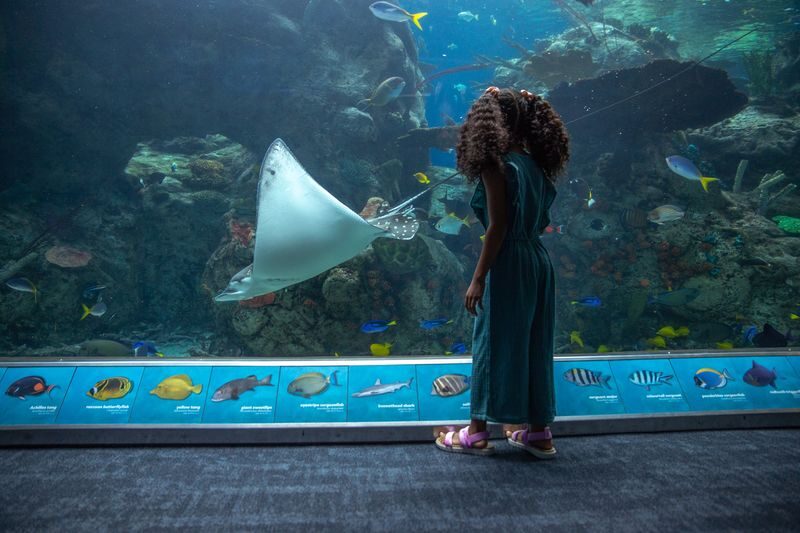
The aquarium’s layout gives you a useful way to think about the Pacific: start with the waters closest to Long Beach, then travel north to colder habitats, and finish among the warm-water species of the Tropical Pacific. More than 12,000 animals and over 100 exhibits are represented across the aquarium.
That number sounds vast, but the experience is more manageable than a large marine park. The aquarium is often described as smaller than expected, and a focused visit can take around two hours. If you read the displays, linger at the touch pools and catch the theater show, the suggested three to four hours feels more realistic.
The Southern California section is especially relevant to your location. It helps connect the animals in the galleries to the local coast and gives the visit a stronger sense of place than a collection of unrelated tanks. You can see why local waters matter before moving on to species from farther afield.
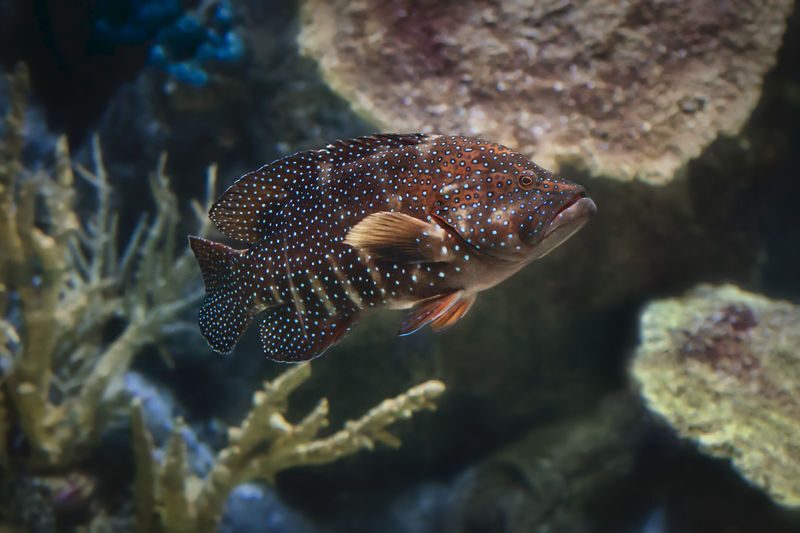
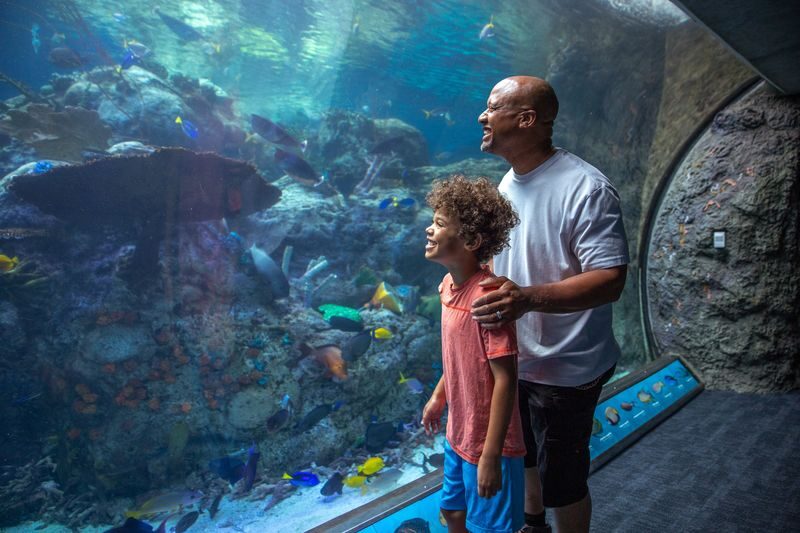
The Northern Pacific offers a change of temperature and mood, while the Tropical Pacific brings the colorful reef habitats many people picture when they think of an aquarium. The contrast between regions is part of the appeal: this is a chance to compare how animals adapt to very different ocean conditions, rather than simply tick off fish names.
You can also read our reviews of more tours and experiences in Los Angeles



Sharks and touch pools at Shark Lagoon
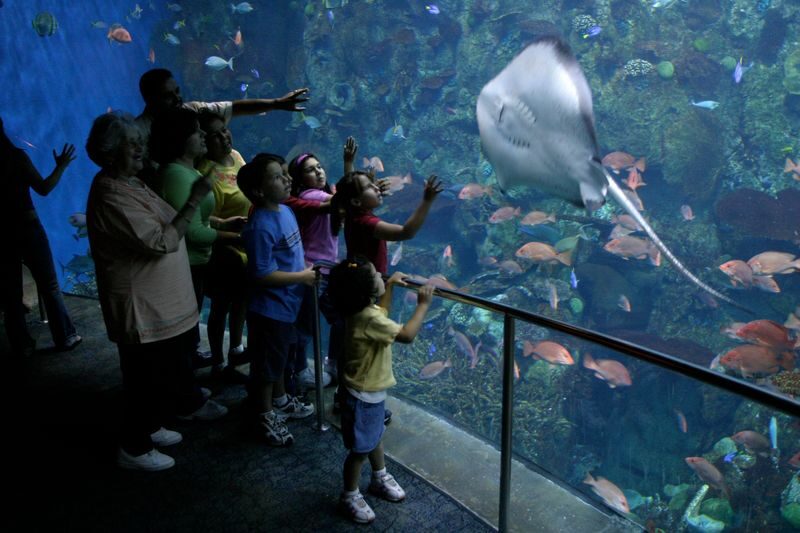
Shark Lagoon is the aquarium’s most direct hands-on stop. The exhibit includes 150 sharks, and its touch pools let you get close to small sharks and rays. It’s an engaging pause from viewing animals through glass, particularly for children who are keen to try a gentle touch.
Touch pools are also an opportunity to slow down and pay attention. A quick walk past a tank can become a closer look at how an animal moves and feels. Staff members have been noted for patiently explaining details about the animals, so it’s worth asking a question if someone is available.
The hands-on element is a major reason to choose this aquarium over a visit built only around viewing displays. Still, don’t expect every animal to be available for touching. The pools are a small part of a much larger visit, and the experience depends on following the aquarium’s instructions and treating the animals carefully.
Families may want to make Shark Lagoon an early priority, especially if the aquarium is busy. The aquarium’s maximum party size is six for entry and travel within the facility, so larger groups should be prepared to split up.
Sea otters, penguins and other crowd-pleasers
The sea otters are among the most appealing stops. You can watch them swim through a habitat with kelp and fish, a more restful experience than the busier touch pools. Give yourself time here. The appeal is not only spotting an animal, but watching how it moves through its surroundings.
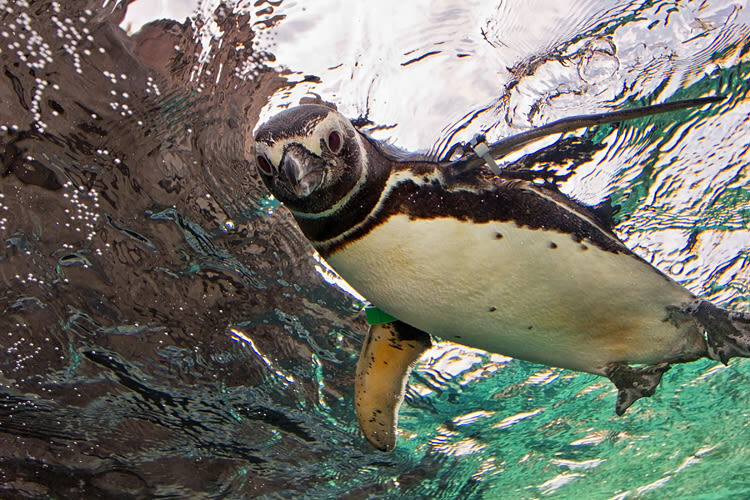
Penguins, green sea turtles and other marine animals add variety to the route. The aquarium also has birds, including lorikeets, as well as exhibits that reach beyond the ocean. The collection will not satisfy everyone looking for the largest possible number of species, but it offers enough different animals to keep a family moving from one stop to the next.
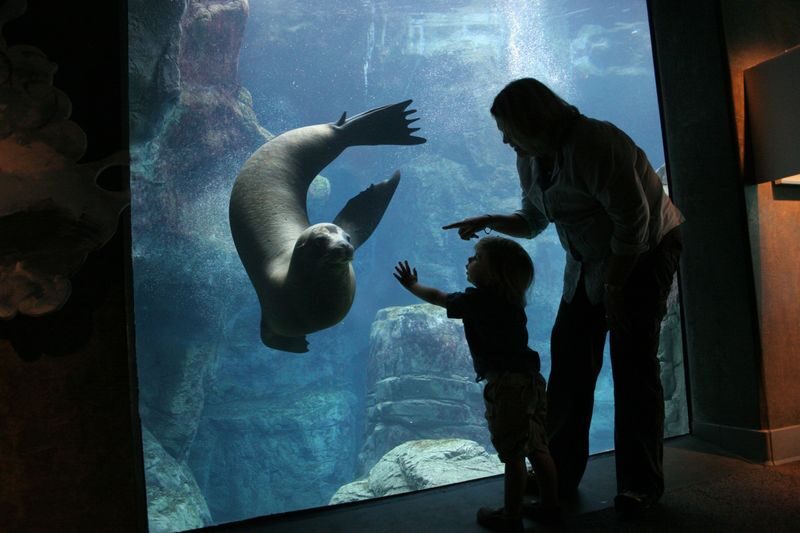
Some parts of the aquarium are aimed squarely at children, with displays and activities designed to make animal care and habitats easier to understand. That educational focus is useful if you’re visiting with kids, and adults can still enjoy the animals and the chance to learn about conservation. If you’re looking mainly for dramatic spectacle, though, the teaching-focused approach may feel less entertaining.
Jelly Dreamscapes and the frog exhibit
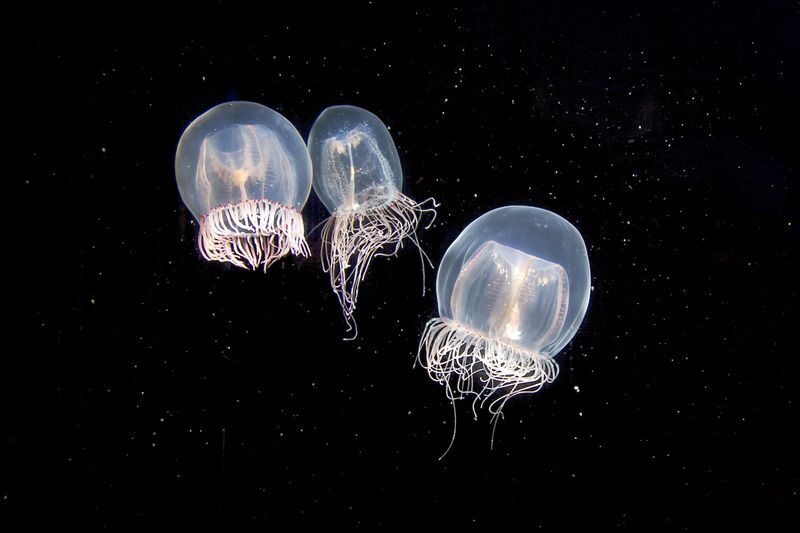
Jelly Dreamscapes adds a quieter, more atmospheric stop to the route. The gallery features dozens of sea jellies from around the world, set against meditative lighting and dreamlike sound. It’s a change of pace from the busier exhibits, and a good place to linger if you enjoy watching the slow movement of marine life.
The gallery also introduces species not previously shown at the aquarium and explains the care required to look after these delicate animals. That behind-the-scenes angle gives the display more substance than a pretty room of tanks. The lighting and sound are part of the experience, so it’s worth taking a moment to let your eyes adjust and watch the jellies move.
FROGS: Facing a Changing World shifts the focus to amphibians and their changing habitats. Expect colorful tropical frogs, a look at how aquarium staff care for frogs from eggs to adults, and a section on California and Baja frogs, their relatives and nearby reptiles. A virtual frog-painting activity gives children a creative break from reading signs.
The exhibit’s strongest value is its conservation message. It introduces the diversity of frogs and the threats they face, then explains how the aquarium works to help protect them. If your main interest is marine animals, the frog gallery may not be your first stop, but it broadens the visit and gives younger visitors another kind of animal to discover.
Pacific Visions Theater: a useful included extra
The 180-degree Honda Pacific Visions Theater show is included with aquarium admission. Its wide-screen format offers a change from the close-up viewing of individual tanks, and it gives you a chance to take a seat during a walking-heavy visit.
Treat the theater as part of your plan rather than an afterthought. It’s a distinct experience included in the ticket, so leaving without seeing it means missing one of the admission benefits. The exact show schedule is not specified here, so check details on arrival and allow enough time to fit it in.
The aquarium’s educational tone runs through the exhibits and theater alike. That makes the visit especially well suited to families and anyone curious about ocean life, but it may be less compelling if you want a high-energy attraction with constant action.
You can also read our reviews of more tours and experiences in Los Angeles


How long to stay, and when to go
Allow three to four hours if you want to see the main regions, pause at the touch pools, spend time with the sea otters and visit the theater. You can shorten the visit to around two hours if you move at a brisk pace, but that leaves less room to explore and take breaks.
A weekday morning is a sensible choice if you’d like a calmer visit. Crowds can make the experience feel rushed, particularly in hands-on areas, and warm weather can add to the strain. If you arrive early, you’ll have more freedom to set your own pace before the busiest part of the day.
Opening hours are listed as 9 a.m. to 6 p.m. daily, with closure on Christmas Day. Hours can change without notice, so check them close to your visit. This matters if you are planning an afternoon arrival: a shorter opening day can leave too little time to see everything comfortably.
There are water refill stations and restrooms around the aquarium. Bring a refillable bottle to avoid buying drinks every time you need water. You can bring your own food, but you need to eat it outside the aquarium; food and drinks are not included with admission.
Is the $49.95 ticket good value?
The starting price is a meaningful expense, especially for a family. The value is strongest if you use the aquarium as a half-day outing, take time with the exhibits, see the theater and make use of the interactive areas. If you only spend an hour or two inside, the ticket may feel expensive.
Klook’s ticket is a skip-the-line option, with entry by mobile or printed voucher. That can make arrival simpler, though it does not make the aquarium itself less crowded. The price may vary, and some buyers have found a Klook discount, so compare the final price with the aquarium’s own offer before booking.
Parking is available near the aquarium, between Chestnut Place and Aquarium Way, and costs $8 for the day with aquarium validation. For a short visit, standard parking may cost less: one person reported paying $3 for an hour rather than using the validated day rate. Check the current parking terms and choose based on how long you expect to stay.
The visit is best for families with children, ocean-life enthusiasts and anyone with a few hours in Long Beach. It can also work as a relaxed stop before a flight or during a Long Beach visit, provided you leave enough time for travel and the exhibits. If you have seen many large aquariums and want a huge collection, this one may feel modest by comparison.
Getting to Long Beach and entering
The aquarium is at 100 Aquarium Way, Long Beach, California, at the waterfront. From Los Angeles, the listed driving route is the 405 South to the 710 South, following signs toward the aquarium. From Orange County, take the 405 North, then the 22 West and 7th Street exit, continue west on 7th Street, turn left on Alamitos Avenue, follow Shoreline Drive and turn left on Aquarium Way.
Parking is close to the entrance. If you’re coming by public transit, the aquarium is about a 15-minute walk from Long Beach Station, according to one reported route. Transport is not included in the ticket.
Present your mobile or printed voucher at the front entrance. The ticket is valid for the selected date and time, if a time applies, so check those details before you go. The aquarium’s elevators are limited to one family per use, which could mean a wait when it’s busy.
Should you book this Aquarium of the Pacific ticket?
Book it if you want an approachable, educational half day with Pacific habitats, sea otters, penguins, sharks, touch pools and a theater show included. The hands-on areas and frog and jellyfish exhibits give the aquarium more variety than a straightforward walk past tanks.
Think twice if you expect a huge aquarium or want the strongest possible value from a short visit. At $49.95 and up, you’ll get more for your money by arriving early, giving yourself several hours and checking the day’s hours before you leave. If that sounds like your kind of Long Beach outing, this ticket is a straightforward way to get in.
Aquarium of the Pacific Ticket in California
“I had fun it was cute the animals were lovely.”
FAQ
How long should I plan for the Aquarium of the Pacific?
Plan for about three to four hours to explore the regions, exhibits and theater at a relaxed pace. A quicker visit of around two hours is possible.
What does the ticket include?
It includes one Aquarium of the Pacific admission ticket and access to the Pacific Visions Theater show.
Can I use a mobile voucher to enter?
Yes. You can present a mobile or printed voucher at the front entrance.
What are the aquarium’s opening hours?
The listed hours are Monday through Sunday, 9 a.m. to 6 p.m. The aquarium is closed on Christmas Day, and hours may change without notice.
Is parking available at the aquarium?
Yes. Parking is available near the aquarium, between Chestnut Place and Aquarium Way. The listed rate is $8 for the day with aquarium validation.
Are children under three admitted free?
Yes. Children aged zero to two can enter free of charge.
Can I bring food into the aquarium?
You can bring your own food, but you must eat it outside the aquarium. Meals and beverages are not included with the ticket.
What if I cannot visit on my selected date?
The voucher is valid for the selected date and time, if applicable. The ticket information says that if you cannot attend, it remains valid for 365 days from the booking confirmation date, but you need to make a new reservation.


