Kathmandu Valley packs Hindu temples, Buddhist stupas, old royal squares, and living neighborhoods into a remarkably small area. This full-day tour aims to reach all seven UNESCO sites, from Swayambhunath and Boudhanath to Patan, Bhaktapur, and Changunarayan, with a local guide to explain what you are seeing.
I like the combination of hotel pickup and a guide who connects the sites to Nepalese religious life, and I like that a private option lets you set a more personal pace. The trade-off is a demanding day: seven stops mean limited time at some places, and the entrance fees are not included.
- Seven sites in one day: A practical overview of Kathmandu Valley’s major heritage landmarks, but not a slow, in-depth visit.
- Guides make the difference: Sumit, also called Summit, Bikram, and Rustam are among the named guides praised for clear explanations and considerate help.
- Budget for entrance tickets: Expect about NPR 6,000 per person for admission to all seven sites. Tickets are paid in Nepalese rupees.
- The included lunch is a snack box: Water, fruit, juice, and pastries are provided, but you may want to bring extra food.
- Private and shared formats differ: The private sightseeing package is listed from US$16; the shared option and the separate evening Arati tour have different prices.
- Plan for a full day on your feet: The tour runs about 8 a.m. to 5 p.m. and is not wheelchair- or stroller-accessible.
- Seven Kathmandu Valley landmarks before dinner
- Swayambhunath: a hilltop start
- Boudhanath: Buddhist life around the stupa
- Kathmandu Durbar Square: temples and royal history
- Pashupatinath: a major Hindu sacred site
- Patan Durbar Square: architecture and craft
- Bhaktapur Durbar Square: a final royal center
- Changunarayan: a temple beyond the city center
- What the day feels like in practice
- Lunch, entry fees, and the real cost
- Who should choose this tour
- Should you book it?
- FAQ
- Does the full-day tour visit all seven UNESCO sites?
- How long does the tour last?
- Is hotel pickup included?
- Are attraction entrance fees included?
- What food is included?
- Is the evening Pashupatinath Arati part of the full-day tour?
- Can children join the tour?
- Is the tour wheelchair-accessible or stroller-friendly?
- The Best Of Kathmandu!
- More Private Tours in Kathmandu
- More Tours in Kathmandu
- More Tour Reviews in Kathmandu
- Not for you? Here's more nearby things to do in Kathmandu we have reviewed
Seven Kathmandu Valley landmarks before dinner
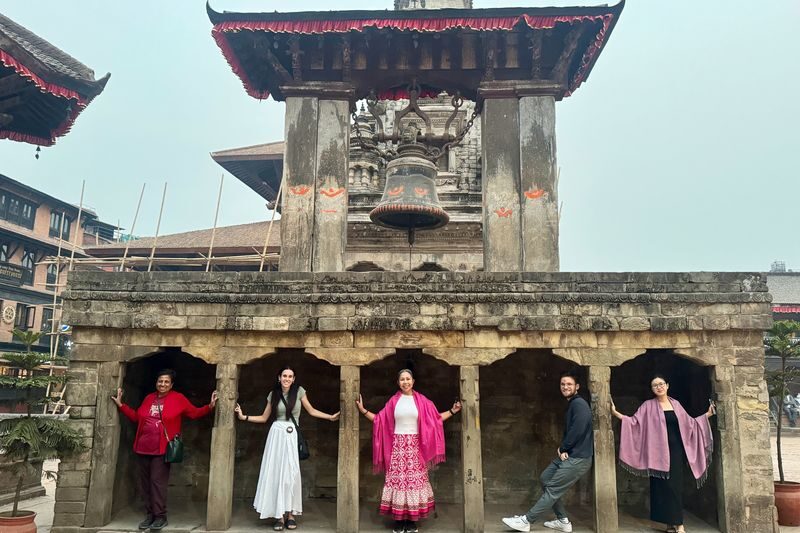
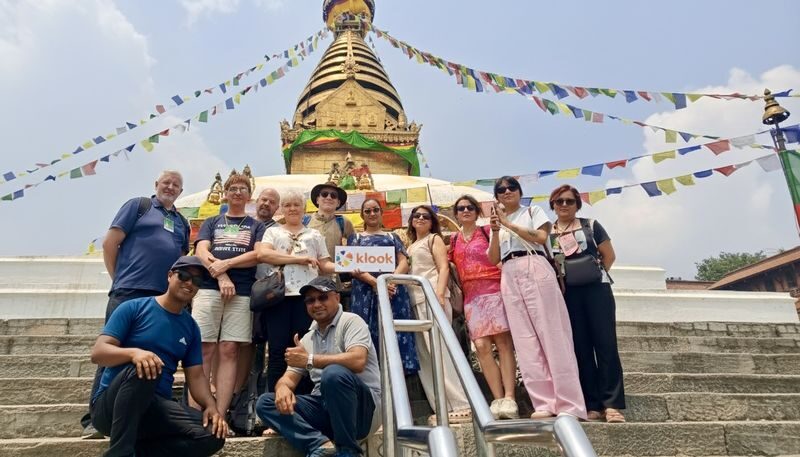
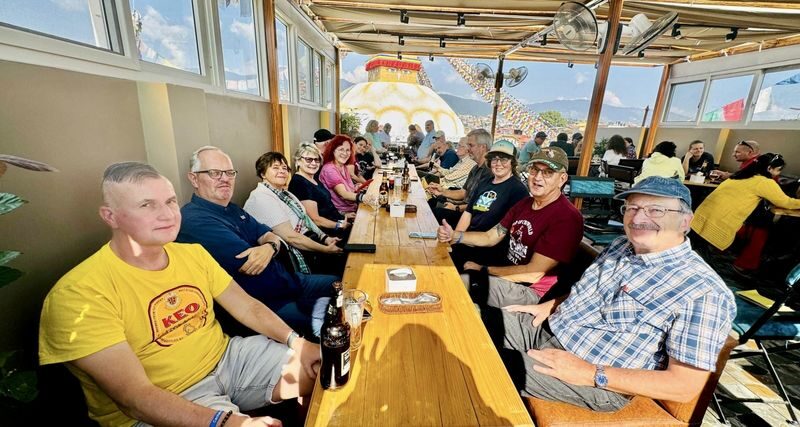
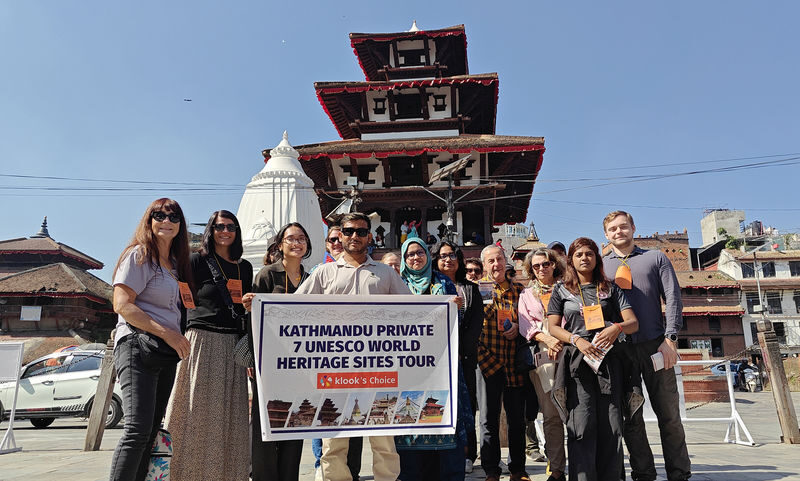
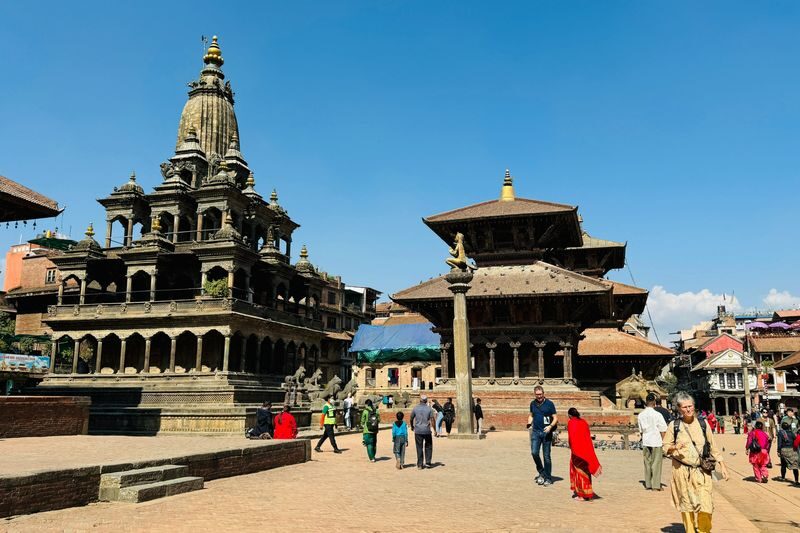
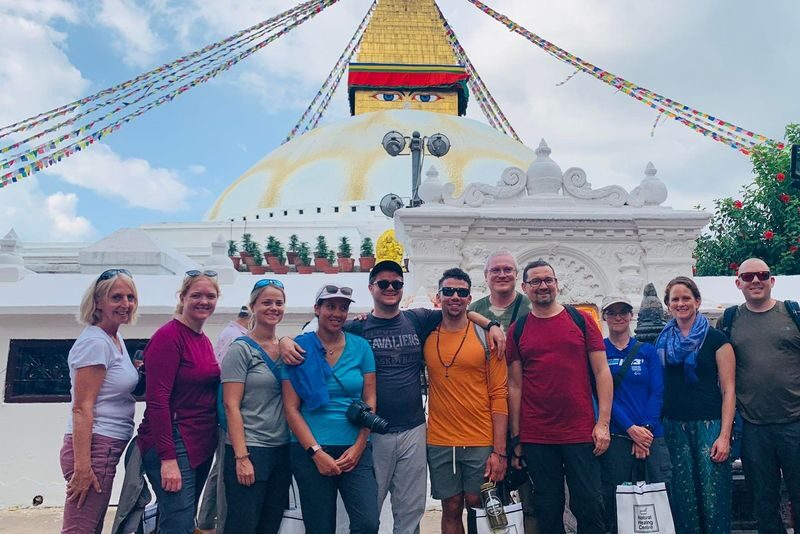
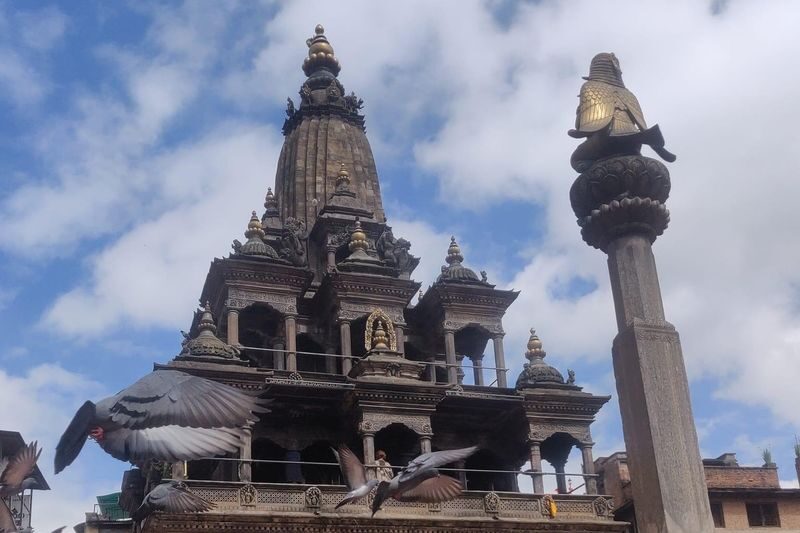
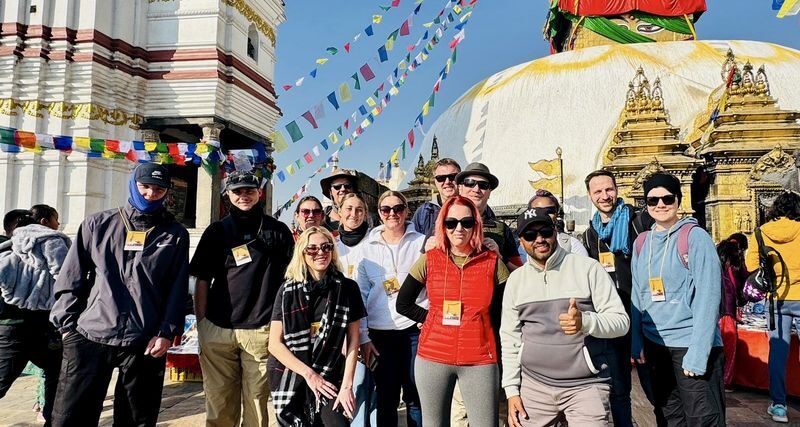
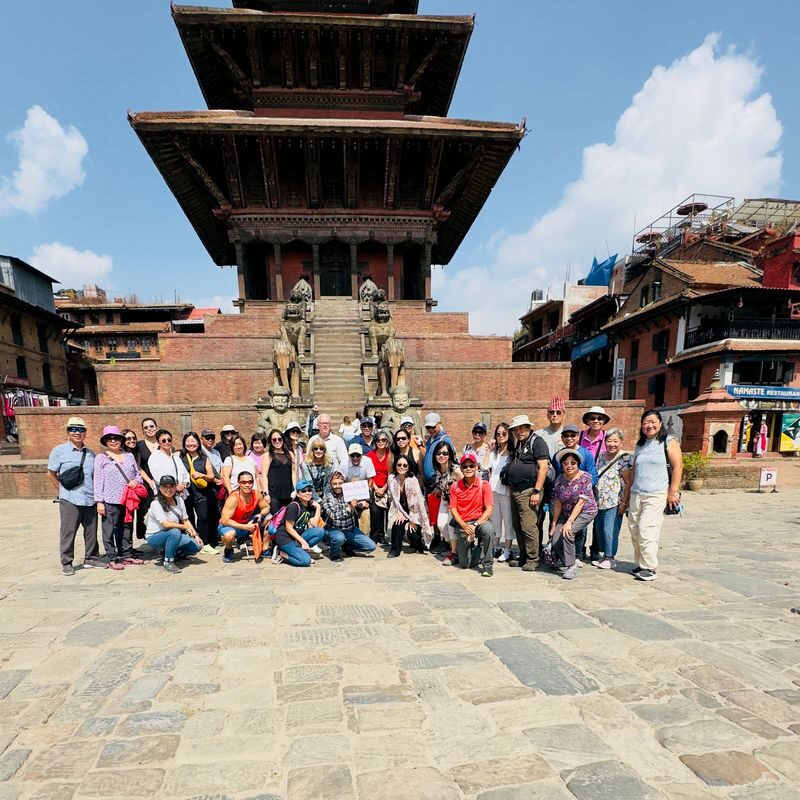
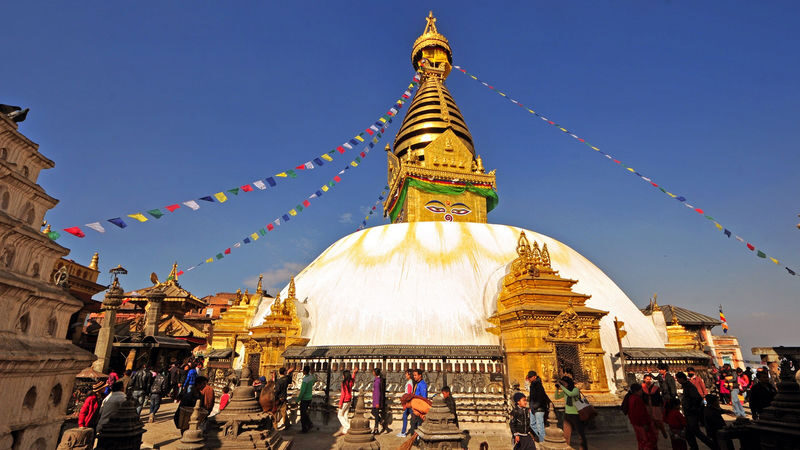
The appeal here is the range. In one day, you move between Buddhist and Hindu places of worship, former royal centers, and the valley’s elaborate temple architecture. Each stop gives you another clue to how religion, craft, and political life shaped Kathmandu Valley.
The seven places named for the full-day route are Swayambhunath, Boudhanath, Kathmandu Durbar Square, Pashupatinath, Patan Durbar Square, Bhaktapur Durbar Square, and Changunarayan. The day is designed to show you all of them, not to let you linger at each one for hours.
That distinction matters. A guide and vehicle can take the strain out of navigating between far-flung sites, while the guide’s explanations help turn a succession of monuments into a connected story. But if you want long museum visits, quiet time for sketching, or an unhurried look at every shrine, seven stops in one day will feel compressed.
👉 See our pick of the 14 Best Shopping Tours In Kathmandu
Swayambhunath: a hilltop start
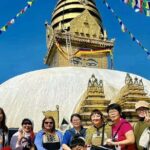
Swayambhunath, often called the Monkey Temple, is one of the valley’s major Buddhist sites. Its position above the city gives it a different feel from the squares and temple compounds you will visit later, and it offers a strong first look at the religious architecture and imagery that recur throughout the day.
The tour description does not set out exact visit times at each stop, so keep your expectations flexible. At a site with several features to see, a group schedule may give you time to take in the main sights and hear the guide’s explanation, but not to explore every corner at leisure.
You can also read our reviews of more private tours in Kathmandu
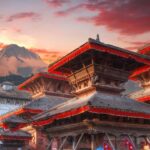

Boudhanath: Buddhist life around the stupa
Boudhanath is a major center of Tibetan Buddhist worship and one of the most recognizable sites on the route. It gives the day a different rhythm from the former palace squares: here, the religious importance of the place is central to understanding what you see.
This is where a good guide can help you read the site rather than simply admire its scale. Guides such as Sumit and Bikram are frequently named for explaining the history, culture, and religious details in accessible English. If you have questions about Buddhist or Hindu practice, ask them as they arise; a private tour gives you more room to shape the conversation.
Kathmandu Durbar Square: temples and royal history
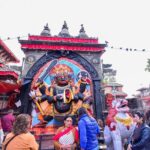
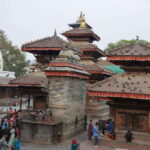
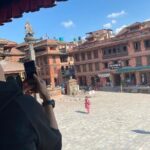
Kathmandu Durbar Square brings you into the historic heart of the city, where temple architecture and royal history sit side by side. It is one of the main historical sites in the itinerary, and a guide can help explain how the square fits into the wider story of the valley.
The square has plenty to take in, so decide what matters most to you if time is short. You may want to prioritize the guide’s overview and a few key details rather than trying to inspect every building or museum. The pace is one of the tour’s biggest compromises: this is a survey, not a deep study of any single site.
Pashupatinath: a major Hindu sacred site
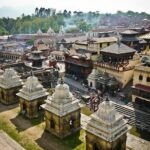
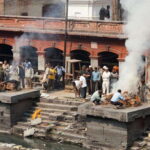
Pashupatinath is one of the valley’s most important Hindu sites. Its religious role makes it a meaningful counterpoint to the Buddhist landmarks, and helps explain why the tour is more than a checklist of old buildings.
The title also mentions an Arati tour, so check the package name carefully when booking. The full-day seven-site tour and the Evening Pashupatinath Arati are presented as separate options. The evening option starts at 6 p.m. every day and is listed from US$35; do not assume it is included with the daytime tour.
Patan Durbar Square: architecture and craft
Patan Durbar Square is another historic center, with strong religious significance and fine architectural detail. It adds a new perspective after Kathmandu Durbar Square: rather than seeing one old royal square and moving on, you can compare the character and design of two important centers in the valley.
If you enjoy looking closely at carved details or visiting museums, this is a stop where you may wish for extra time. Some visitors have found the day too fast for museums and photographs. That is a fair caution, especially if you are hoping to explore each square independently as well as follow the guide.
You can also read our reviews of more tours and experiences in Kathmandu
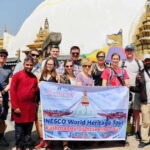


Bhaktapur Durbar Square: a final royal center
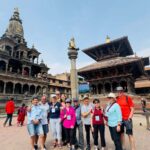
Bhaktapur is the third Durbar Square on the route and gives you another chance to see the valley’s historical architecture in context. The three squares are not interchangeable, even if the schedule makes them feel like a rapid sequence. The guide’s explanations help draw out the differences and keep the day from becoming a string of photo stops.
The drive between sites can be as important as the monuments themselves. The route covers a wide area, and traffic or weather can change the timetable. The operator says the schedule may shift for those reasons, so treat the 5 p.m. return as an estimate rather than a promise.
Changunarayan: a temple beyond the city center
Changunarayan completes the set. Along with Swayambhunath, Boudhanath, Pashupatinath, and Patan, it is identified as a site of religious importance. Its inclusion shows the range of the UNESCO circuit, taking you beyond the best-known urban squares and stupas.
This is also a useful reason to choose transport rather than attempting the full circuit on your own in one day. The sites are spread across the valley, and managing the transfers, timing, and entry payments yourself would take attention away from the places. The trade-off is that you surrender some control over how long you stay at each one.
What the day feels like in practice
Pickup begins around 8 a.m. from hotels in the Kathmandu area, with the operator confirming your collection time in advance. The tour returns around 5 p.m. to your hotel or a personal address, with Thamel Market also offered as a drop-off point. That gives you the option to spend the evening in Thamel rather than going straight back to your room.
A private vehicle and local guide are included. Several accounts describe clean, comfortable vehicles and careful drivers, with names including Arun, Bhawani, Deepak, Krishna, and Raba. Good driving matters in a day with so much time on the road; it makes the transfers less tiring and helps you arrive ready for the next stop.
In a shared tour, the minimum is two participants. If the minimum is not met for your date, the operator may reschedule or refund the booking. Group size beyond that minimum is not specified, so do not book expecting a particular number of people.
The guide is central to the experience. Sumit, whose name is sometimes written as Summit, appears often in the tour’s praise, along with Bikram, Rustam, Sajan, Asmita, and Anon. Guests value clear English, historical explanations, patience with questions, and practical help such as taking photos. Those are useful qualities on a compact route, where a good explanation can make a short stop feel worthwhile.
Lunch, entry fees, and the real cost
The included lunch box is modest: a 500 ml bottle of water, muffin, donut, banana, seasonal fruit, and a 200 ml juice. It is convenient to have something on hand, but it is closer to a light snack than a substantial meal for a nine-hour day. Bring extra snacks if you have a large appetite or prefer a proper lunch.
Admission is not included. The estimated total for tickets to all seven sites is about NPR 6,000 per person, and only Nepalese rupees are accepted for those payments. Since this is a sizeable extra cost beside the tour price, arrange local currency before the day and include the ticket money in your budget.
The advertised price needs a little care, too. The summary gives a starting price of US$14.75, while the package details list the private full-day tour from US$16, the shared tour from US$50, and the evening Arati option from US$35. These are different packages, so compare the price shown for your chosen date and format rather than assuming the lowest starting figure applies to every option.
For value, the private option is attractive if you want hotel transport, a guide, and a custom-feeling day without organizing seven separate transfers. The shared package can be a simple way to cover the circuit, but it may offer less flexibility. Either way, the cost only makes sense if you are comfortable with the separate entrance fees and a quick pace.
Who should choose this tour
I would choose this tour if you have one full day in Kathmandu Valley and want a well-guided introduction to its main heritage sites. It is especially useful for a first visit, when a local guide can explain the religious and historical context while you focus on seeing the places.
The private option is the better fit if you want to ask more questions, adjust the pace where possible, or request practical stops. A private guest described the guide accommodating a souvenir-shop visit and a taste of Ju Ju Dhau, Bhaktapur’s well-known yogurt. Those extras are not guaranteed, but they show why a private format can be more adaptable.
The shared option suits you if you are happy to follow a set route and want company on the day. Keep in mind that one account found the stops too brief for photos and that waiting to pay entrance fees added friction. The guide and driver can help the day run smoothly, but they cannot make seven major sites feel like a leisurely itinerary.
This is not a strong match for anyone who needs wheelchair or stroller access, or for those who want a low-effort day. The activity is not recommended for elderly participants or infants. Children aged one to five can join free, while children six and older pay the adult rate.
Should you book it?
Book the full-day tour if seeing all seven UNESCO sites in one day is your priority and you value a guide’s context over extended time at each stop. Pack extra food, carry about NPR 6,000 for admission, and ask your guide early about how the day’s timing is shaping up.
Skip it if you would rather spend a full morning at one Durbar Square or visit museums at your own pace. And if the evening Arati is your main interest, choose that separate 6 p.m. package rather than assuming it comes with the daytime circuit.
Kathmandu: Full Day 7 UNESCO & Arati Tour with Lunch – Private/Group
“Very organised and efficient trip. Our guide”
FAQ
Does the full-day tour visit all seven UNESCO sites?
Yes. The route covers Swayambhunath, Boudhanath, Kathmandu Durbar Square, Pashupatinath, Patan Durbar Square, Bhaktapur Durbar Square, and Changunarayan.
How long does the tour last?
It is scheduled to depart around 8 a.m. and return around 5 p.m. Traffic and weather may change the timing.
Is hotel pickup included?
Yes. Pickup and return transfers are included for hotels in the Kathmandu area. The operator reconfirms the pickup time in advance.
Are attraction entrance fees included?
No. Admission fees are extra. The estimated total for all seven sites is about NPR 6,000 per person, and tickets are payable only in Nepalese rupees.
What food is included?
The lunch box includes 500 ml bottled water, a muffin, a donut, a banana, seasonal fruit, and 200 ml of juice. It is a light meal, so you may want to bring extra snacks.
Is the evening Pashupatinath Arati part of the full-day tour?
It is listed as a separate package. The evening Arati option starts at 6 p.m. every day.
Can children join the tour?
Yes. Participants must be at least one year old. Children aged one to five join free, while children aged six and older are charged the adult rate.
Is the tour wheelchair-accessible or stroller-friendly?
No. The activity is not wheelchair-accessible or stroller-friendly. It is also not recommended for elderly participants or infants.