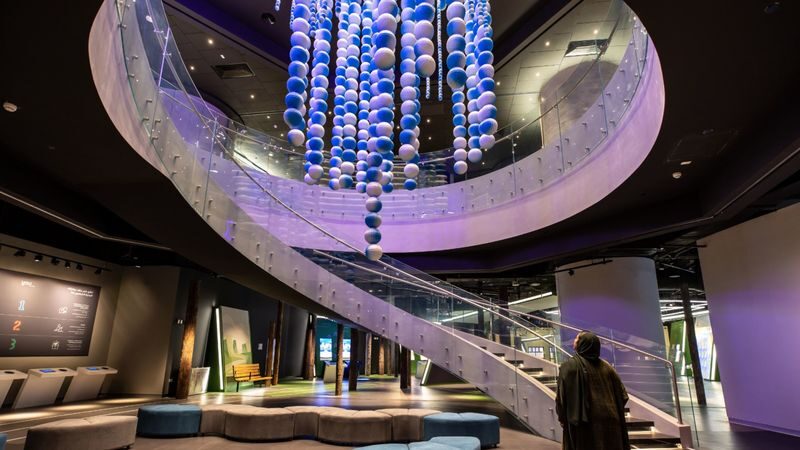
The best surprise here is how much the building holds. Its architecture, designed by Spanish architect Joan Sibina and inspired by the Olympic rings, sets the tone for galleries that move from sport’s ancient roots to the modern Games and Qatar’s own athletic story.
I like two things in particular: the hands-on exhibits, which give younger visitors something to do beyond reading labels, and the unusual objects, including a large collection of Olympic torches and sneaker prototypes. The Qatar-focused displays also give the museum a local point of view, not just a parade of international sporting fame.
One consideration: the building can look smaller from outside than the number of galleries inside suggests, so allow 2 to 3 hours rather than planning a quick stop. Opening times vary by day, and the museum is closed on Tuesdays, so check the schedule before setting out.
- What to know before you go
- A bold building with a clear sports theme
- From sport’s early roots to the Olympic Games
- Qatar’s athletes and its place in sport
- Interactive exhibits, sneaker design, and changing displays
- How long to allow and how to pace the visit
- Getting there, opening times, and entry details
- Is the ticket good value?
- Should you book the 3-2-1 Qatar Olympic and Sports Museum?
- FAQ
- How long should I plan for the museum?
- How much does admission cost?
- Are children admitted free?
- Is the museum open on Tuesdays?
- What are the museum’s regular opening hours?
- What are the listed Ramadan hours?
- How do I get to the museum by train?
- Is parking available?
- Is the museum wheelchair-accessible?
- Can I leave and come back in?
What to know before you go
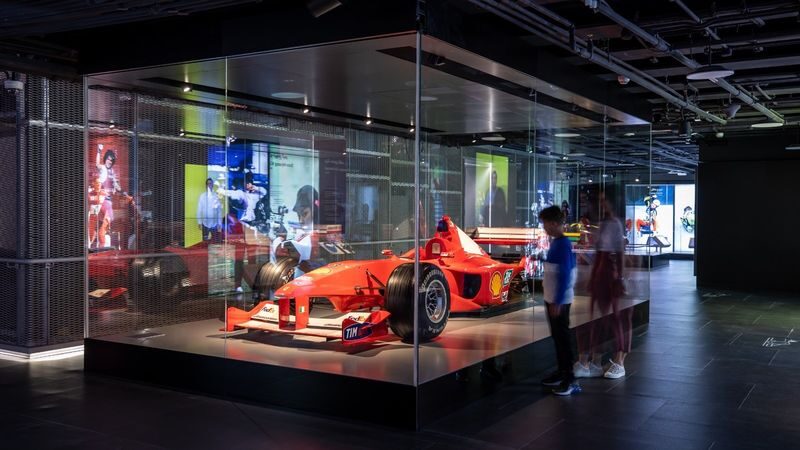
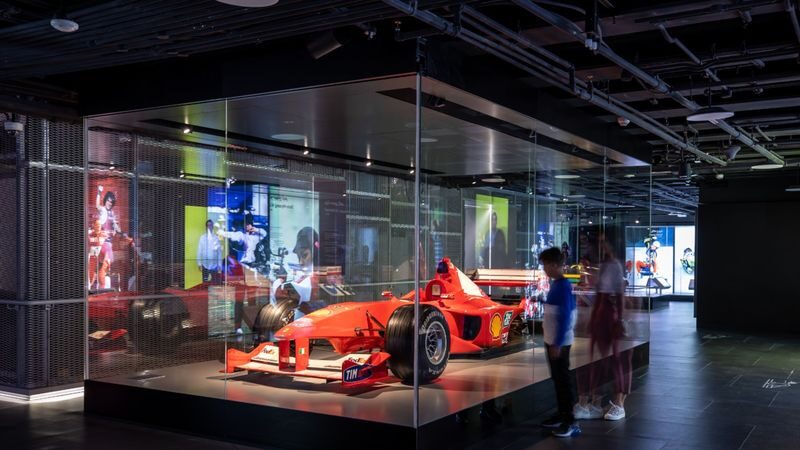
- Olympic torches are a highlight: A large collection traces the visual history of the Games through one of their most recognizable symbols.
- Sneaker culture gets its own space: You can see prototypes and learn about the design process, a welcome change from medals and records.
- Qatar’s sports story is part of the visit: Galleries cover local milestones and figures connected with sport and culture in Qatar.
- Interactive displays suit mixed ages: Hands-on features and multimedia help keep the visit engaging for children and adults.
- Plan around the weekly closure: The museum is closed on Tuesdays, and hours differ on Fridays and Thursdays.
- A short metro walk gets you there: Take the Gold line to Sport City station, then walk about 10 minutes.
A bold building with a clear sports theme
The museum’s design gives the visit a strong opening. Architect Joan Sibina took inspiration from the five Olympic rings, making the building itself a nod to the ideals and symbols of the Games rather than a neutral box for exhibits.
That visual cue works well for a museum devoted to sport. The subject is global, but the building also signals that Qatar wants to tell its own story within that wider history. Give yourself a moment to look at the structure before heading in, especially if you enjoy architecture.
From the outside, the museum may seem compact. Inside, though, it contains a number of halls and exhibition areas, so the first impression can be misleading. That is one reason I would avoid squeezing the visit between tightly scheduled activities.
Admission covers entry to the 3-2-1 Qatar Olympic and Sports Museum. Hotel transport, meals, drinks, and personal purchases are not included, so factor those into your plans. The museum has a cafe and gift shop, but buying food or souvenirs is optional.
From sport’s early roots to the Olympic Games
The exhibition journey begins with sport in ancient times and moves toward modern competition. That broad timeline helps you see sport as more than a collection of famous matches: it connects physical contests, public spectacle, national identity, and the changing shape of the Olympic movement.
The Olympic galleries are a central part of the visit. They cover milestones from the first modern Games through to the present, giving you a framework for understanding how the event grew and changed. If you are not an Olympic-history buff, the timeline still gives the displays a useful sense of order.
Objects make that story more immediate. Olympic torches are among the most memorable pieces, offering a close look at how a recurring symbol has changed over time. They are also easy to appreciate without needing to know every host city or sporting result.
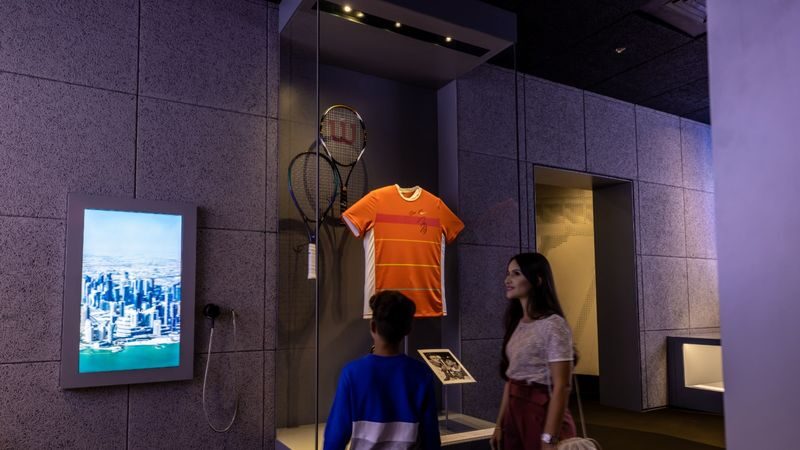
Expect a mix of artifacts, multimedia, and interpretive displays rather than a simple wall of text. The range helps different kinds of visitors find a way in, though anyone hoping for a strictly quiet, object-by-object museum may find the interactive approach livelier than expected.
Qatar’s athletes and its place in sport
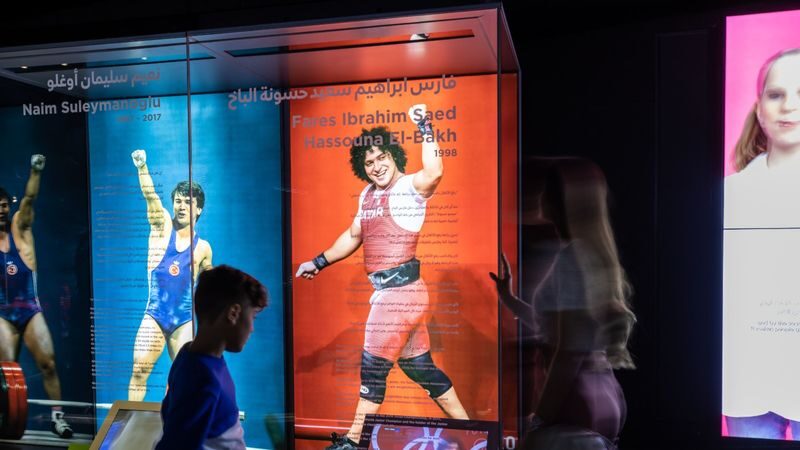
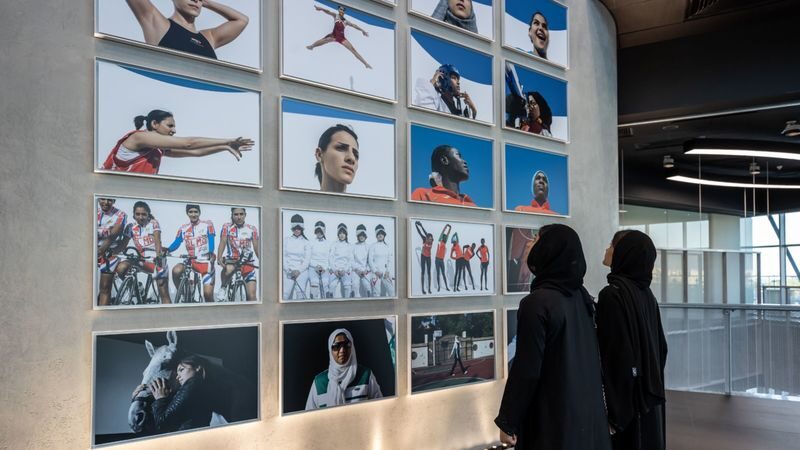
A visit here is not only about the Olympics abroad. The museum also highlights Qatari sports milestones and the athletes who helped shape the country’s sporting identity. This local perspective makes the museum more useful than a general Olympic timeline alone, particularly if you want to understand how sport figures in Qatar.
Some displays connect sport with public figures and cultural ambassadors. Names such as David Beckham and Zinedine Zidane appear in that wider story. Their presence gives you a sense of how sport can reach beyond competition, becoming part of a country’s international image and cultural life.
The balance between global history and Qatar’s achievements is worth noting. The Olympic story gives the museum international scope, while the local galleries anchor it in the place you are visiting. If you have only a passing interest in sport, those Qatar-focused sections may be the most distinctive part of the experience.
Interactive exhibits, sneaker design, and changing displays
The museum is designed for more than looking. Interactive exhibits and multimedia displays invite you to take part, which can make a long visit easier for families and for anyone who learns better by doing than by reading. The activities also give the galleries a change of pace.
Sneaker culture is a particularly different angle. Displays include prototypes and material about how footwear is made, showing the design side of sport as well as its records and rivalries. If you like fashion, product design, or the everyday objects that grow into cultural symbols, allow time for this section.
Temporary exhibitions can add another layer, but their subjects may change. An esports exhibition has been on display, including retro gaming material, though the appeal of that particular show may depend on your interest in gaming. Check what is currently on view if a temporary exhibit is a main reason for your visit.
The museum’s broad mix is a strength, but it also means the experience is not equally focused on every sport or topic. You might find certain galleries more compelling than others. That is normal in a museum covering sport on a global scale, and the variety makes it easier for family members with different interests to find a favorite.
How long to allow and how to pace the visit
Set aside about 2 to 3 hours. That gives you time to follow the main galleries, stop at interactive stations, and take a break without racing through the exhibits. If you read every display or linger over the Olympic torches and sneaker section, you may want to use the longer end of that range.
A good approach is to start with the broad sports timeline, then give the Olympic galleries and Qatar-focused sections the attention they deserve. After that, take your time with the interactive areas and any temporary exhibition. The sequence lets you build context before turning to specific objects and themes.
The museum includes a cafe and gift shop, useful for a pause or a final browse. Food and beverages are not part of the ticket price, and purchases are personal expenses. If you are planning a longer museum day, consider the cafe as a convenience rather than assuming a meal is included.
There is no re-entry once you leave. That makes it sensible to take a restroom break, visit the cafe, and see the shop before exiting, rather than expecting to return later on the same ticket.
Getting there, opening times, and entry details
The address is 7F72+F2, Doha, Qatar, in Al Rayyan. By public transport, take the Gold line to Sport City station and walk about 10 minutes. The attraction is also accessible by car, with on-site parking available.
Opening hours change by day. The museum is closed on Tuesdays; it is generally open from 9:00 AM to 6:00 PM on Monday, Wednesday, Saturday, and Sunday, until 8:00 PM on Thursday, and from 1:30 PM to 6:00 PM on Friday. Hours and closure dates can change, so verify the latest schedule before you travel.
Separate Ramadan hours are listed: Saturday to Thursday, 9:00 AM to 2:00 PM and 8:00 PM to midnight; Friday, 8:00 PM to midnight only. Because schedules can shift, check the current hours rather than relying on an old timetable.
For entry, present your mobile voucher. It is valid only for the selected date, and you cannot re-enter after leaving. Free cancellation is available with at least 24 hours’ notice, based on the destination’s local time.
The museum is wheelchair-accessible. For smoother entry, avoid flip-flops, shorts, tank tops, and sleeveless shirts, as attire considered inappropriate may lead to refused entry. Flash photography is prohibited, and anyone who appears intoxicated may be denied entry or service without a refund.
Children aged 0 to 16 enter free, while those aged 17 and over pay the adult rate. Infants and children must still be included in the passenger headcount when booking. Students should bring their student ticket, as it may be requested at the entrance.
Is the ticket good value?
At a starting price of $15.10, this is a worthwhile museum ticket if you have a couple of hours to spare and want an indoor activity with range. You are paying for access to several themes: the history of sport, Olympic milestones, Qatar’s achievements, interactive displays, and design details such as sneaker prototypes.
The value is strongest if you are curious about sport or visiting with children who enjoy hands-on exhibits. It also works for a mixed-interest group because the galleries cover more than competition alone. Architecture, design, national identity, and popular culture all have a place in the visit.
It may be less compelling if you are looking for a short, tightly focused museum visit or have little interest in sport. The building’s outward scale can make the visit seem brief, but the number of halls argues for setting aside real time. And if a temporary exhibition is your main draw, confirm that it is running before you book.
Should you book the 3-2-1 Qatar Olympic and Sports Museum?
Book it if you want a substantial indoor visit that connects global Olympic history with Qatar’s own sporting story. The torch collection, sneaker prototypes, and interactive displays give the museum variety, while its architecture adds a sense of place before you even reach the galleries.
Skip it if your schedule is very tight or sport-related exhibits are unlikely to hold your attention. For most visitors with 2 to 3 hours, though, the ticket offers a useful mix of history, design, and hands-on exhibits at a sensible starting price. Check the day’s hours, especially around Tuesday closures and Ramadan, then plan your visit without trying to rush it.
3-2-1 Qatar Olympic and Sports Museum ticket
“amazing experience, best to visit with friends and family. the activities are really good and enjoyable. staff are friendly.”
FAQ
How long should I plan for the museum?
Allow about 2 to 3 hours for the visit. The time gives you room to see the galleries, use interactive exhibits, and pause at the cafe or gift shop.
How much does admission cost?
The ticket price starts from $15.10. The exact price may depend on the selected package or booking details.
Are children admitted free?
Children aged 0 to 16 enter free. Children aged 17 and older are charged the adult rate, and all children and infants must be included in the passenger headcount.
Is the museum open on Tuesdays?
No. The museum is listed as closed on Tuesdays.
What are the museum’s regular opening hours?
It is listed as open 9:00 AM to 6:00 PM on Monday, Wednesday, Saturday, and Sunday; 9:00 AM to 8:00 PM on Thursday; and 1:30 PM to 6:00 PM on Friday. Hours can change, so check before visiting.
What are the listed Ramadan hours?
During Ramadan, the listed hours are 9:00 AM to 2:00 PM and 8:00 PM to midnight, Saturday through Thursday. On Friday, the listed hours are 8:00 PM to midnight only.
How do I get to the museum by train?
Take the Gold line to Sport City station, then walk about 10 minutes to the museum.
Is parking available?
Yes. The museum is accessible by car, and on-site parking is available.
Is the museum wheelchair-accessible?
Yes, the activity is listed as wheelchair-accessible.
Can I leave and come back in?
No. Re-entry is not allowed after you leave the venue.