Mount Rinjani’s crater rim gives you a front-row view of Segara Anak, the blue lake inside the volcano’s caldera. This is no casual stroll: even the shorter options involve long hours on foot, and the summit packages add steep, tiring terrain in the dark.
I like two things in particular: local guides and porters handle camp, meals, and much of the gear, so you can focus on walking; and the route brings you into Rinjani National Park, where volcanic scenery and wildlife replace Lombok’s beach pace. Meals, snacks, fruit, and drinks are included during the trek.
One important caution: the activity description calls the crater-rim route beginner-friendly, but the package details and schedule focus on a summit trek. The summit is demanding, not a beginner’s warm-up. Check the exact route before you pay, and be ready for weather, steep ground, and a very early start.
- At a glance
- First, choose the route you actually want
- The Senaru night is a useful start
- The climb begins at Sembalun
- Summit night means a 1:30 wake-up
- The descent tests tired legs
- What the price buys, and what it does not
- Who should book this trek?
- Should you book?
- FAQ
- How long are the trekking options?
- Is this a crater-rim trek or a summit trek?
- What is the minimum age?
- What is included in the package?
- Is the Rinjani National Park admission fee included?
- Is hotel pickup available?
- What should I wear and bring?
- Is helicopter evacuation insurance included?
- Can I cancel or change my booking?
- The Best Of Lombok!
- More Hiking & Trekking Tours in Lombok
- More Tours in Lombok
- More Tour Reviews in Lombok
- Not for you? Here's more nearby things to do in Lombok we have reviewed
At a glance
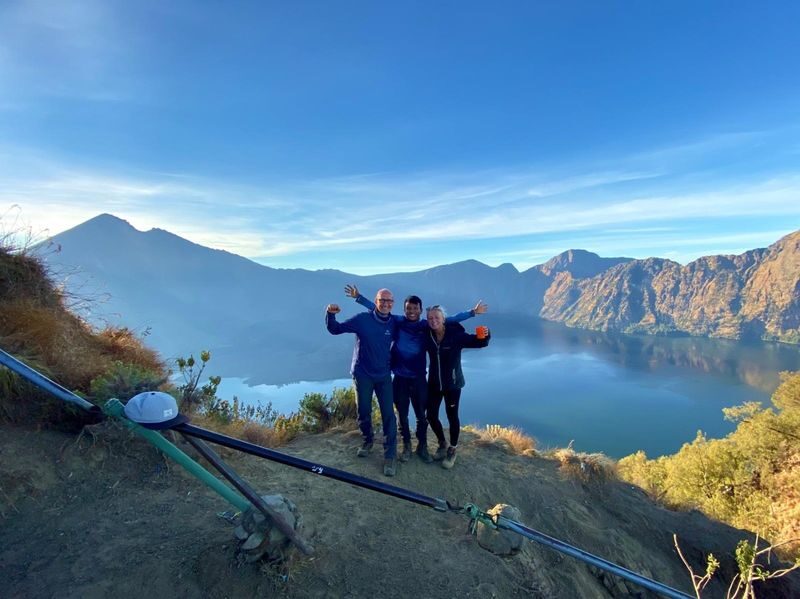
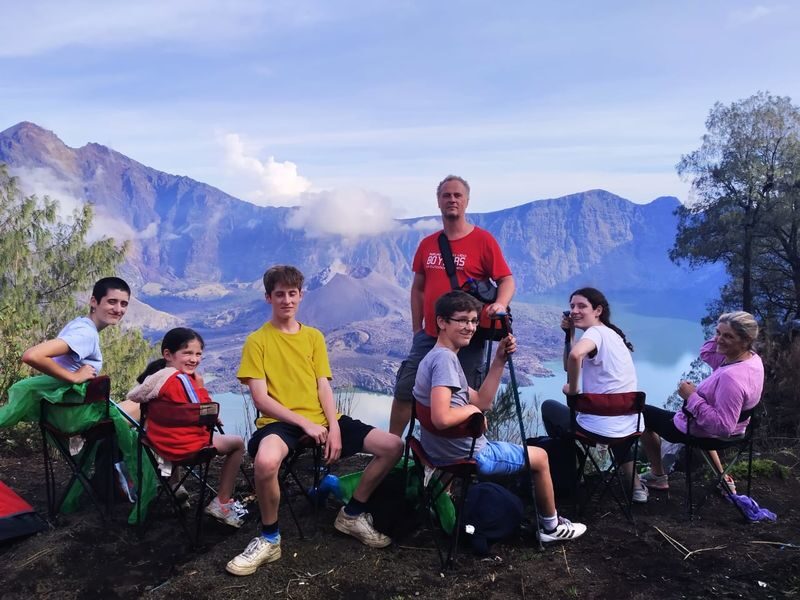
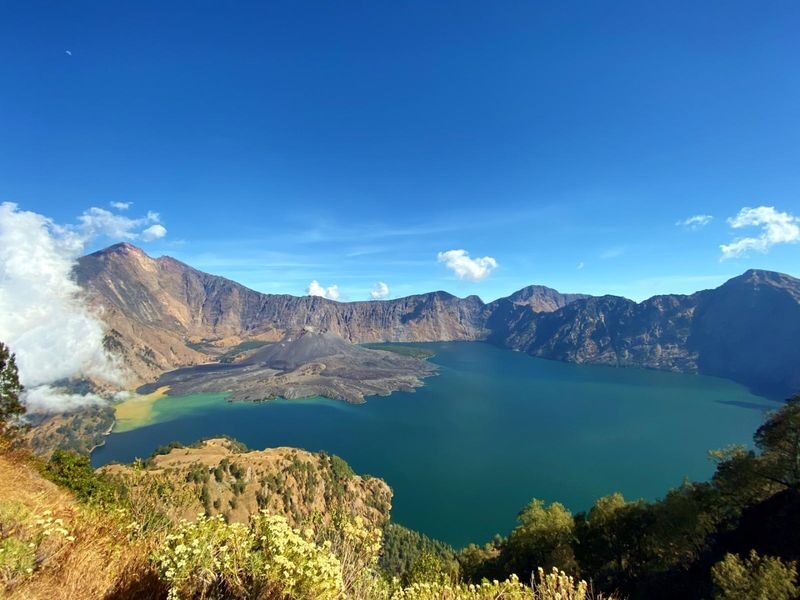
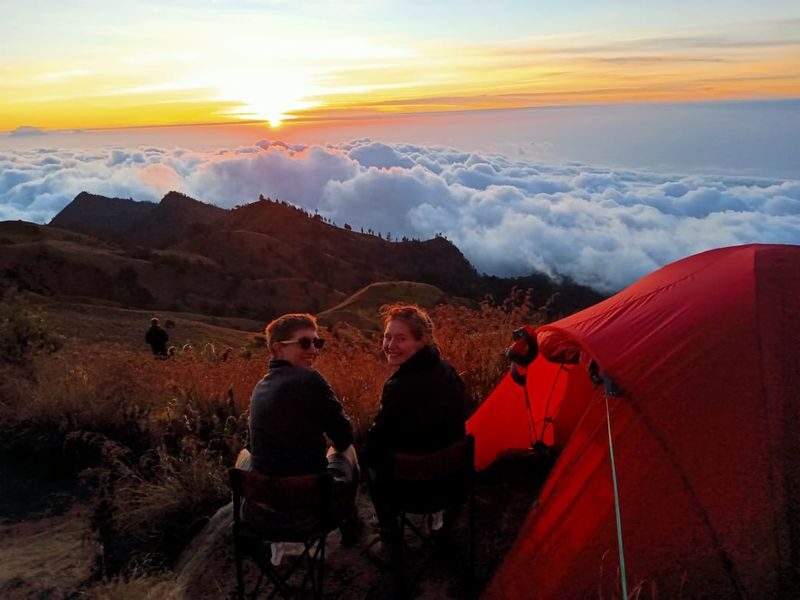
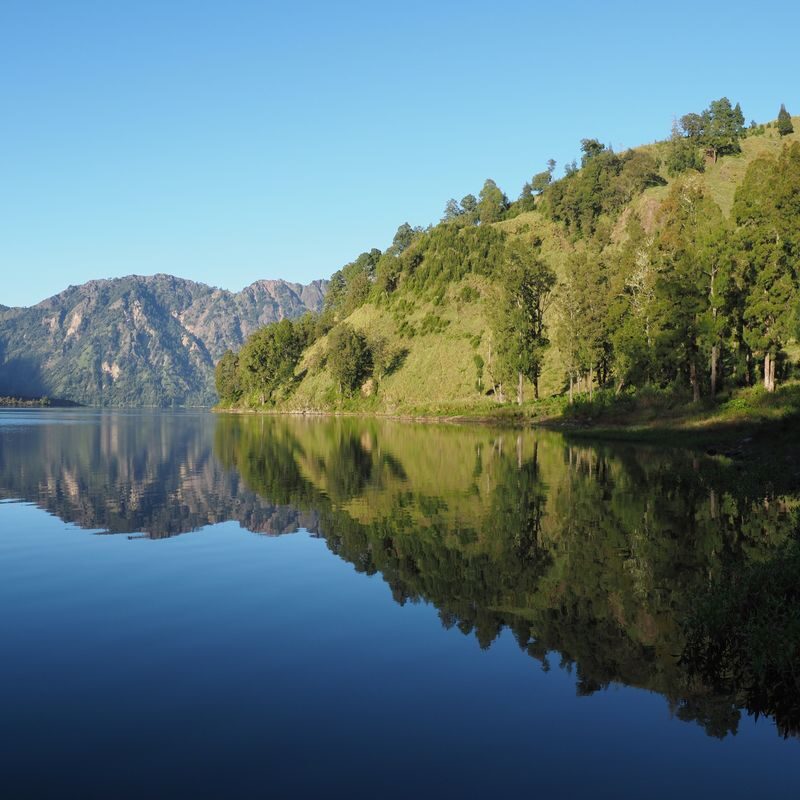
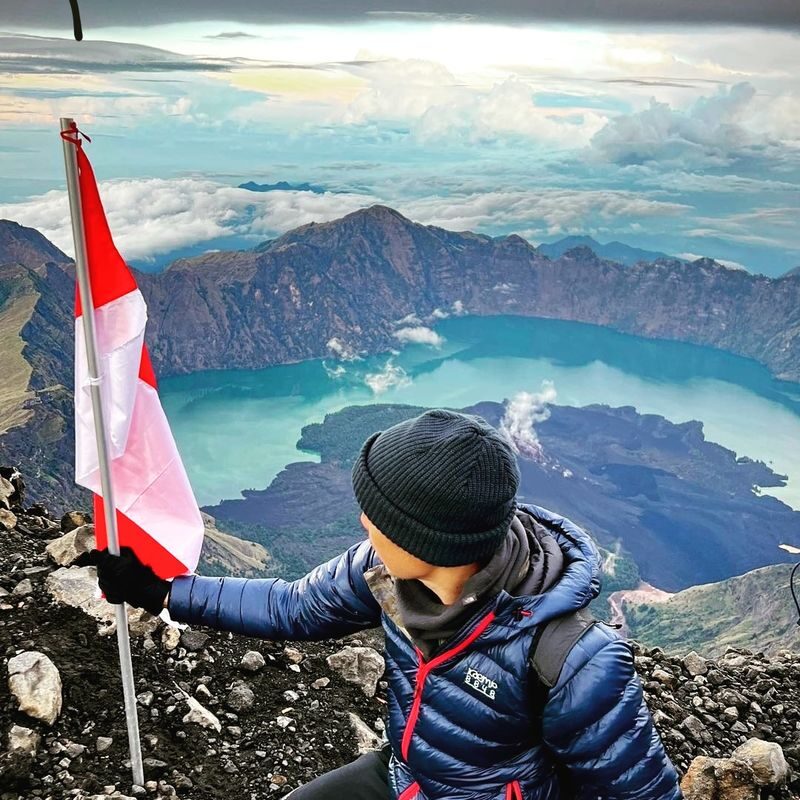
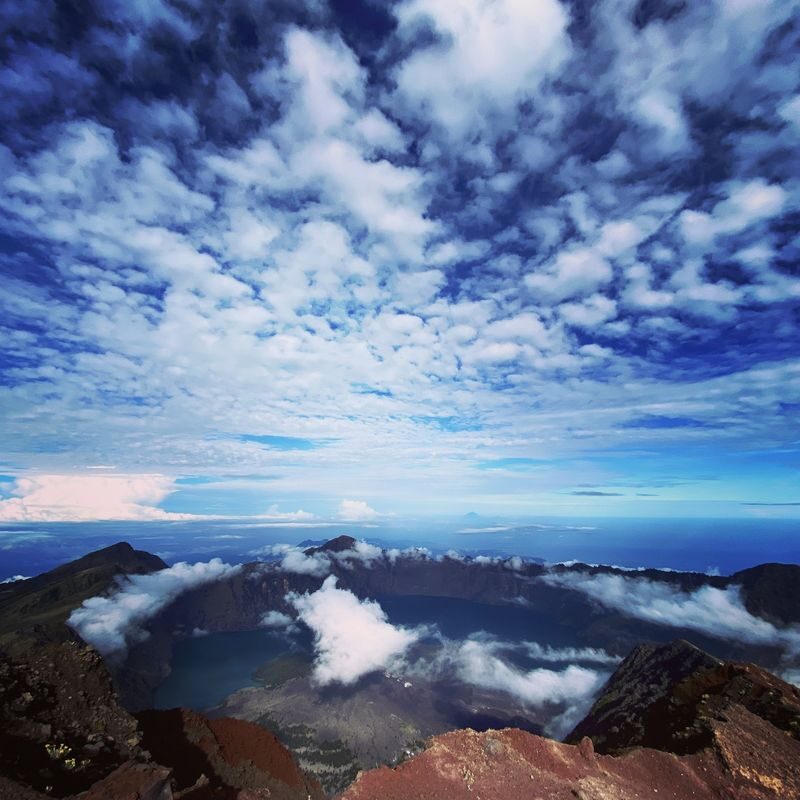
- Segara Anak from above: The Senaru Crater Rim is the draw for the crater-rim route, with a view into the caldera and its lake.
- Several route lengths: Choose among 2D1N, 3D2N, and 4D3N packages, but check whether your selection is a crater-rim walk or a summit climb.
- A working mountain crew: Guides lead the route while porters carry supplies and set up camp. Meals are cooked on the mountain.
- A night in Senaru: The package includes one night at a village homestay before trekking, with a hot shower and air conditioning listed.
- High effort, basic comforts: You get a tent, sleeping bag, sleeping mat, pillow, and toilet tent, but a campsite is still a campsite.
- Plan for the cold and rain: Bring warm and waterproof clothing, hiking shoes, personal medication, and cash.

👉 See our pick of the 10 Best Workshops And Classes In Lombok
First, choose the route you actually want
The package names matter here. The activity is sold as a Mount Rinjani crater-rim trek, but the available options include both crater-rim and summit routes. The listed prices are also not uniform: the overall starting price is $153.69, while the package menu gives prices from $133.65 for a 2D1N summit trek to $327.10 for a 4D3N summit trek. The 2D1N crater-rim option is listed from $243.59.
Treat those as starting prices, not a single fixed fare. Before booking, confirm the route, number of trekking days, and what the price covers. The details provided for the main itinerary describe a 2D1N summit trek starting and finishing via Sembalun, with a night in a Senaru homestay beforehand. That is not the same outing as a crater-rim-only walk.
The shorter packages suit people with limited time, but fewer days do not mean an easy climb. A summit attempt is a serious physical test, and the schedule includes long stretches of walking. The longer 3D2N and 4D3N options give you more time on the mountain and follow different start and finish routes. Ask which camps and sights your chosen option includes rather than assuming every package visits the lake or Senaru Crater Rim.
You can also read our reviews of more hiking tours in Lombok


The Senaru night is a useful start
Pickup is scheduled for the late afternoon before the trekking date. A 15:00 departure is listed, followed by a drive of about two and a half hours and an overnight stay in Senaru. The accommodation is assigned according to availability, with Amazing Rinjani Homestay or Rinjani Golden Homestay named as possibilities. A room with hot shower and air conditioning is included.
That night gives you time to settle in and prepare before the early transfer to the national park. It is not a luxury hotel stay, and the standard can be more modest than some people expect. One account found the homestay less clean and comfortable than anticipated and paid extra for another room. If you are particular about lodging, ask the operator what is available for your date.
The pickup arrangement can save you the trouble of organizing transport across Lombok. Hotel pickup and drop-off are offered across the island, though extra charges apply outside Senaru, North Lombok, Senggigi, and Mataram. The timing may be the afternoon or evening before your trek, so do not confuse the pickup date with the date you begin walking.
The climb begins at Sembalun
After breakfast, the itinerary calls for about an hour by car to the National Park Office for registration. Once the formalities are done, the walk begins toward Posts 1 and 2. The schedule allows about three hours before lunch, followed by another four hours toward Posts 3 and 4 and the Sembalun campsite.
Those times are guides, not guarantees. The pace depends on your fitness, weather, trail conditions, and group. You should expect a full day on your feet, with breaks and a meal along the way. The national park setting brings changing views and the chance to see local wildlife, but keep snacks close and follow your guide’s instructions around animals. One party specifically appreciated the guide keeping monkeys away while they ate.
At camp, porters prepare dinner and set up the sleeping arrangements. The supplied equipment includes a tent, sleeping bag, bed mat, pillow, toilet tent, cooking gear, and a camping chair. The crew’s work is a major part of the value: porters carry heavy supplies, build camp, and cook in difficult conditions. Guests repeatedly praised the meals, which can include meat, vegetables, fruit, snacks, and hot drinks.
Still, mountain gear is not a promise of hotel comfort. One account described a tent that leaked in heavy rain. Pack a raincoat or poncho and waterproof layers, and keep essential items protected. Sleeping bags and mats are provided, but bring warm clothes: nights at altitude can be cold.
Summit night means a 1:30 wake-up
For the summit itinerary, the day starts with a snack at 1:30 and a scheduled departure at 2:00. The ascent is estimated at three and a half hours. That means walking in darkness before breakfast, often over steep and tiring ground. The summit is the reward for a demanding climb, not an easy add-on to a camping trip.
This is where guide care matters most. Guides named in accounts include Windy, Moon, Anto, Awil, Erick, and others, but you should not assume you will be assigned a particular person. The strongest accounts describe patient pacing, help on slippery sections, clear safety guidance, and encouragement when hikers tire. Those qualities are especially valuable on a dark trail with loose ground.
There is also a caution worth taking seriously. One account described a guide leaving the group during the summit ascent, which felt unsafe on a narrow, steep trail. That is not a reason to dismiss the operator, but it is a reason to agree on group procedures before leaving camp. Make sure you understand who leads and who stays with slower walkers, and never continue alone if you are uncertain or struggling.
Weather and pace can change the plan. One group missed sunrise at the summit after setting off later than expected. If sunrise matters to you, clarify the departure time with your guide the evening before and be ready when called. Even then, no operator can guarantee clear skies or a summit arrival at a precise hour.
The descent tests tired legs
After the summit, the schedule allows breakfast and a return toward Posts 4, 3, and 2, with lunch before a planned return around 17:00. Descending after an early start can be rough on tired legs, and the timing depends on conditions and the selected route. If you have booked a route that continues toward Senaru or the lake, expect a different plan from the shorter Sembalun return.
The activity highlights mountain streams on the descent, a welcome chance to cool off after hours of walking. More broadly, the route changes from open high ground to forested sections on some longer itineraries. Heavy rain can make paths muddy and slippery, so waterproof shoes or boots are practical, not just a packing-list suggestion.
The multi-day options can include views of Segara Anak from the Senaru Crater Rim, but do not assume that a summit package automatically includes a lake visit. A 3D2N itinerary may start in Sembalun and finish in Senaru, while the detailed 2D1N summit schedule returns via Sembalun. Confirm the route map and overnight camps for your package before booking.


What the price buys, and what it does not
The package includes a professional local guide who speaks English or Bahasa Indonesia, experienced porters, meals and beverages during the trek, fruit and snacks, camping equipment, medical checkup, transport to and from the meetup location, and one Senaru night. Pickup coverage and any extra transfer cost depend on where you are staying.
The main exclusion is the Rinjani National Park admission fee. Premium insurance covering helicopter evacuation is also optional, listed at IDR 200,000 per participant. Regular trekking insurance is provided by the operator, but you must provide your own travel insurance details to complete it. An extra porter for personal belongings, tips, and personal expenses are not included.
That can make the starting price look more attractive than the final cost. Add the park fee, any out-of-area transfer, optional evacuation cover, and any porter you may need. The value is strongest if you want transport, an overnight stay, camp equipment, meals, and a working crew organized together. It is less compelling if you expect a private, comfortable mountain stay or a guaranteed summit.
Food is one of the more consistently praised parts of the experience. Guides and porters have prepared filling meals, curry at camp, fruit, and even fresh fish on a longer trip. The crew’s care can turn a hard day into a manageable one, but it cannot replace the fitness needed to climb.
Who should book this trek?
Choose this if you are fit, comfortable with long walks, and keen to see Rinjani with local support rather than organizing every detail yourself. A crater-rim route may suit you if your main aim is the caldera view and you want to avoid a summit attempt, but confirm that the package you select really follows that route.
The summit options are for people ready for steep climbs, early starts, basic campsite conditions, and unpredictable weather. The minimum age is 15. The activity is not recommended for pregnant women, people with impaired mobility, or people with certain medical conditions such as high blood pressure or epilepsy.
Bring warm and waterproof clothes, hiking shoes, sunscreen, sunglasses, a hat, toiletries, a towel, water bottle, snacks, cash, and personal medication. A change of clothes is useful for after the trek. The operator asks participants to be fit enough for considerable walking and stairs, and it is wise to take that warning at face value.
Should you book?
I would book this trek if the route is clear, you are in good hiking shape, and you value the help of guides and porters more than creature comforts. The combination of park scenery, camp meals, and a view into Segara Anak can make the effort worthwhile.
I would pause if you are choosing mainly because the description calls the route gentle or suitable for beginners. Ask whether you are booking the crater rim or the summit, what the national park fee will be, and how the guide team handles different walking speeds. If the answers are clear and the physical challenge suits you, this is a practical way to experience Rinjani. If not, choose a shorter route or a different Lombok outing.
Mount Rinjani Crater Rim Multi-Days Trekking in Lombok
“A huge thank you to our guide, Windy, whose professionalism, patience, encouragement, and deep knowledge of the mountain made the journey both safe…”
FAQ
How long are the trekking options?
The available packages include 2D1N, 3D2N, and 4D3N options. The exact route varies, so check whether your selection is a crater-rim walk or a summit trek.
Is this a crater-rim trek or a summit trek?
Both types appear among the package options. The detailed schedule provided is for a 2D1N summit trek starting and finishing via Sembalun, so confirm your selected route before booking.
What is the minimum age?
Participants must be at least 15 years old.
What is included in the package?
Included items are a professional English- or Bahasa Indonesia-speaking guide, porters, trekking meals and drinks, snacks and fruit, camping equipment, medical checkup, round-trip transfers to and from the meetup location, and one night at a Senaru homestay.
Is the Rinjani National Park admission fee included?
No. The park admission fee is not included in the listed package inclusions.
Is hotel pickup available?
Yes. Pickup and drop-off are available across Lombok, with additional charges for locations outside Senaru, North Lombok, Senggigi, and Mataram. The operator reconfirms pickup time in advance.
What should I wear and bring?
Wear warm clothing, waterproof layers, and hiking shoes. Bring a raincoat or poncho, sunscreen, sunglasses, a hat, toiletries, personal medication, a towel, a water bottle, snacks, cash, and a change of clothes.
Is helicopter evacuation insurance included?
Premium insurance for helicopter evacuation is optional and costs IDR 200,000 per participant. Regular trekking insurance is provided, and you must supply your own travel insurance details to complete it.
Can I cancel or change my booking?
A full refund is available if you cancel at least 24 hours before the activity date, subject to destination local time. Changes are allowed until 24 hours before the start, with stated exceptions for some booking types; check your voucher terms.


