
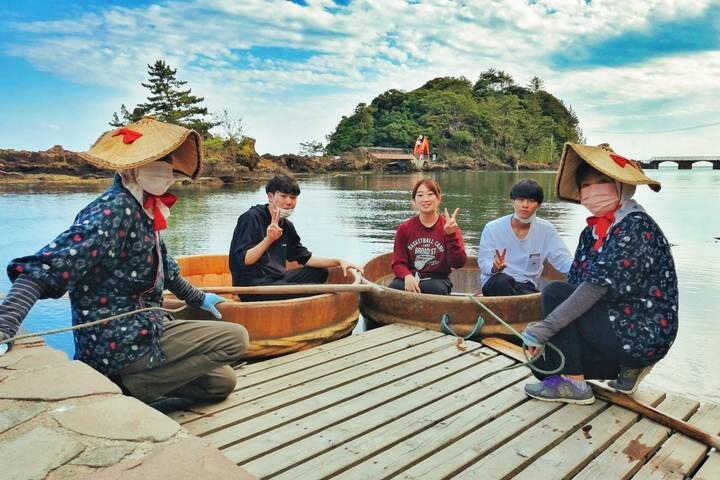
Sado’s unusual draw is not just its wild coast or its old temples. It is the chance to work alongside local people on projects that connect farming, wildlife and village life, then return to a temple garden for dinner. I like the practical mix of conservation and cultural exchange, and the chance to learn bamboo crafts with local schoolchildren rather than simply watch a demonstration.
The trade-off is comfort. You are paying for a working volunteer program, not a polished resort stay, and the usual accommodation is a furnished tent with shared facilities. One participant reported serious problems with bugs, cleanliness and a leaking tent, so ask about current conditions and allergy arrangements before you book.
- What makes this Sado week different
- Temple life, with a tent for a room
- A week of useful work, not a sightseeing circuit
- Day 1: Ferry port to temple garden
- Day 2: Bamboo skills and school visits
- Day 3: Rice fields and ibis habitat
- Day 4: Chokokuji Temple and its history
- Day 5: Sobama Beach and Shukunegi
- Day 6: Farms and biodiversity
- Day 7: Crested Ibis and terraced fields
- Day 8: Forest herbs and departure
- What 0 buys, and what it does not
- The practical cautions that matter
- Is this Sado program right for you?
- FAQ
- How long is the program?
- What is the price for one week?
- What accommodation is included?
- Are meals included?
- How many days a week are volunteer activities scheduled?
- When does the program operate?
- What kind of work might I do?
- How do I get to the accommodation on arrival?
- Is the program suitable for teenagers?
- More Tours in Sado Island
- More Tour Reviews in Sado Island
- Not for you? Here's more nearby things to do in Sado Island we have reviewed
What makes this Sado week different
 1 / 6
 2 / 6
 3 / 6
 4 / 6
 5 / 6
 6 / 6
- Sleep in a temple garden: The main accommodation is a furnished tent on the grounds of Chokokuji Temple, with hot-water showers and communal areas.
- Work for Crested Ibis habitat: Help maintain biotopes and terraced rice fields that support the island’s ibis reintroduction work.
- Meet local schoolchildren: Learn bamboo craft techniques, then help children make toys, utensils or musical instruments.
- Clean a working coast: Collect plastic and abandoned fishing gear at Sobama Beach, and learn about coastal pollution.
- Expect a changing schedule: Activities depend on the season and local needs. Most weeks have five activity days, while July and August may include work every day.
- Budget beyond the program fee: The first week starts at $670, but travel to Japan and the ferry to Sado are not included.
Temple life, with a tent for a room
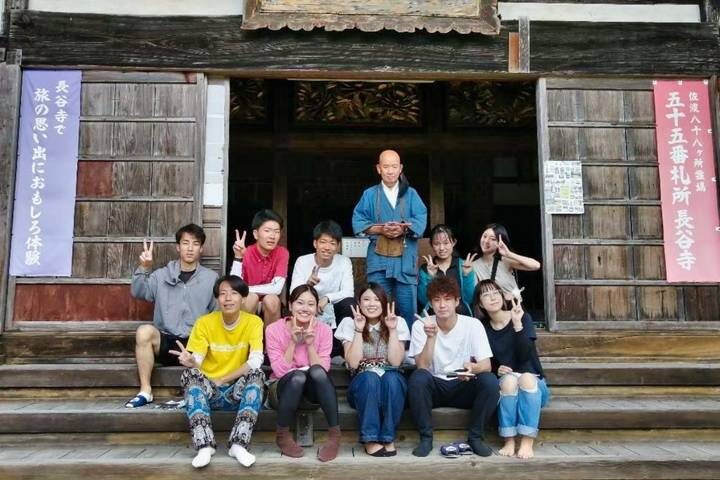
The program uses Chokokuji Temple as its base. The temple is said to date to 807 and holds important Buddhist art, including statues and a hall with cultural heritage status. Its grounds also have ancient cedar trees, a centuries-old umbrella pine and gardens that change with the seasons. A monk leads a temple tour and explains Buddhist ideas as well as the site’s past.
Your sleeping arrangement is less traditional than the setting. The standard option is a large furnished tent in the garden, available in four-share, twin or single occupancy. Sleeping bags, lanterns and umbrellas are provided. Volunteers have access to two hot-and-cold showers, toilets and indoor and outdoor communal spaces. Meals are served buffet-style at the temple or at the day’s work site.
There is a detail worth checking before you pay: program information refers to both Chokokuji and Koninji, and a past participant described staying in a tatami room. The main accommodation description specifies a tent, but options may vary. Ask World Unite Japan to confirm the exact temple, room type and facilities for your dates.
The temple setting is a real part of the program, not just a scenic place to sleep. You may help with light gardening or upkeep, prepare activities for school groups and learn from the resident monk. That gives you a more personal connection to the place than a quick temple visit, though you should not expect a luxury stay or hotel-style privacy.
You can also read our reviews of more tours and experiences in Sado Island.


A week of useful work, not a sightseeing circuit
The itinerary is a sample, not a fixed promise. Local needs and the season determine which activities run, and weather can change the plan. In a standard week, volunteering is usually scheduled Monday to Friday, with weekends free. July and August often have activities seven days a week. Meals are included every day.
That flexibility makes sense for conservation work, but it means you should come for the broad program rather than one specific task. You may miss a particular activity during a short stay. If you can spare two weeks, there is more room for the schedule to shift and for a free weekend to explore the island.
Day 1: Ferry port to temple garden
You are met at Ryotsu ferry port and transferred to the temple. After settling in, the first day is open for meeting the group and walking around the hills near the temple. Dinner is buffet-style.
The transfer is included, which takes one piece of arrival planning off your hands. You still need to arrange your own journey to Sado and arrive in time for the pickup. The island is reached by ferry, and the operator advises arriving at the departure port by early afternoon to catch the scheduled crossing.
Day 2: Bamboo skills and school visits
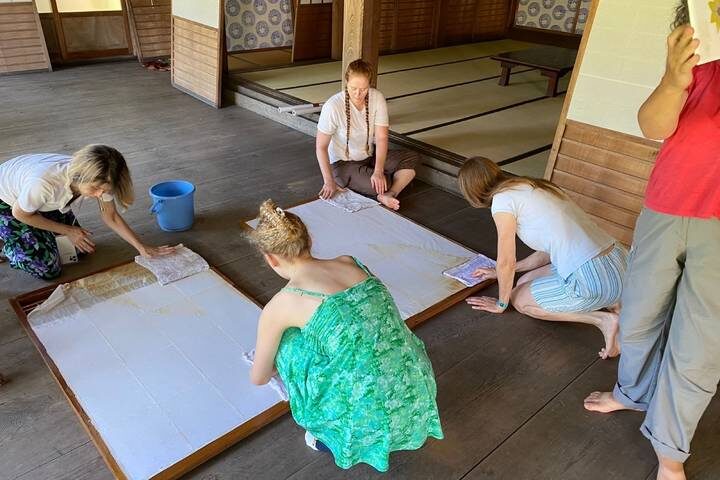
Orientation covers the conservation work, Sado’s local culture and program logistics. You may then learn bamboo techniques from a local carpenter and artist, making objects such as toys, cutlery or instruments. The next step can be helping Japanese schoolchildren try the craft themselves.
This is one of the program’s strongest cultural exchanges: you are not only being shown a local skill, you may help pass it on. From April through June, the day can instead include gathering bamboo shoots for use in primary school meals. The work changes with the season, so bring curiosity rather than a fixed expectation.
Day 3: Rice fields and ibis habitat
At Iwakubi, rice fields sit alongside a managed biotope designed to support amphibians, fish and other small creatures eaten by Crested Ibises. Your work may include cutting grasses and shrubs so birds can reach water, and monitoring plants and animals. Lunch is an obento in the field.
You may also help older farmers maintain historic irrigation systems. This is physical, practical work, and it explains why conservation here is tied to everyday farming. Rice paddies are not simply farmland in this program. Their water, plants and field edges can provide feeding habitat for wildlife.
Day 4: Chokokuji Temple and its history
Temple tasks are described as light maintenance, gardening or preparation for visiting school groups. Later, the monk gives a guided tour and discusses the temple’s history and Buddhist teaching.
The setting adds depth to an otherwise modest workday. You may see cultural objects and ancient trees while hearing how the temple is still used for religious services. The famous eleven-headed Kannon statues are only shown publicly once every 33 years, with the next viewing scheduled for 2034, so do not assume you will see them during an ordinary visit.
Day 5: Sobama Beach and Shukunegi
At Sobama Beach, the group splits into small teams to collect plastic and discarded fishing gear from the sand and breakwater. There may be a friendly competition, sometimes joined by children staying at a nearby campsite. The activity includes a lesson on coastal pollution.
In summer, the group may bake pizza in a stone oven and watch the sunset. A visit to Shukunegi, an old fishing village that has changed little since the Edo period, is also possible. Both are worthwhile, but neither should be treated as guaranteed. Ask which activities are planned for your dates, especially if a specific visit matters to you.
Day 6: Farms and biodiversity
A short learning session looks at how farming can damage or protect biodiversity. You may then visit a farm using both industrial and organic methods, help with work and hear the farmer compare the approaches. Other sessions can cover climate change, coastal pollution or overfishing.
This is less about a dramatic excursion and more about understanding local choices. You get to see how broad environmental questions play out in a real working farm. The pace and tasks will depend on what the farm needs that day.
Day 7: Crested Ibis and terraced fields
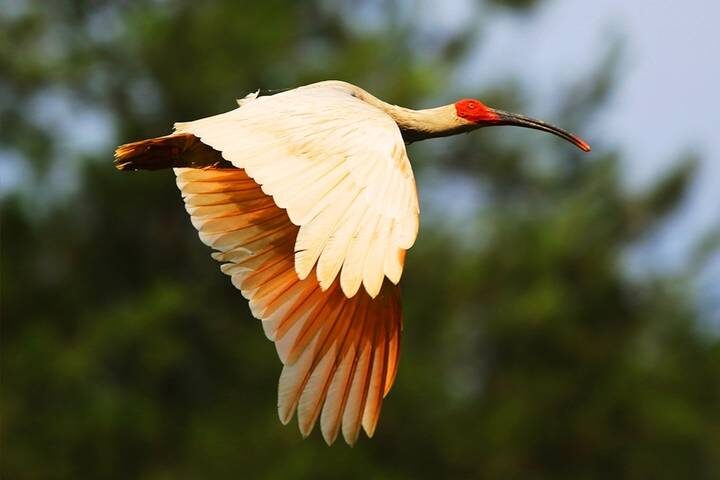
A visit to the Crested Ibis Rehabilitation Center explains Japan’s reintroduction effort, begun in cooperation with China. The species had disappeared from the wild in Japan by 2003. Captive breeding and releases on Sado began in 2008, with wild hatchings observed in 2012.
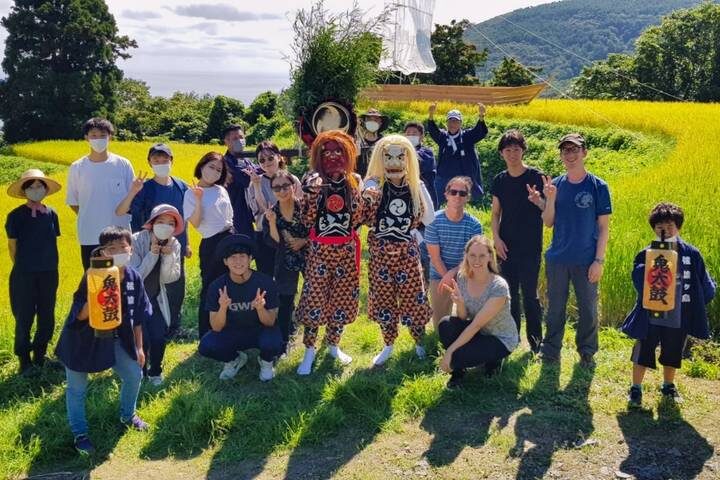
You may then work with the farming community in Ogura on steep rice terraces built in the 17th century. Maintaining old channels and reinforcing paddy edges helps preserve fields that are important to ibis habitat. Planting and harvesting take place in April and October; at other times, maintenance is the likely focus. It is a demanding reminder that conservation often means keeping traditional systems working.
Day 8: Forest herbs and departure
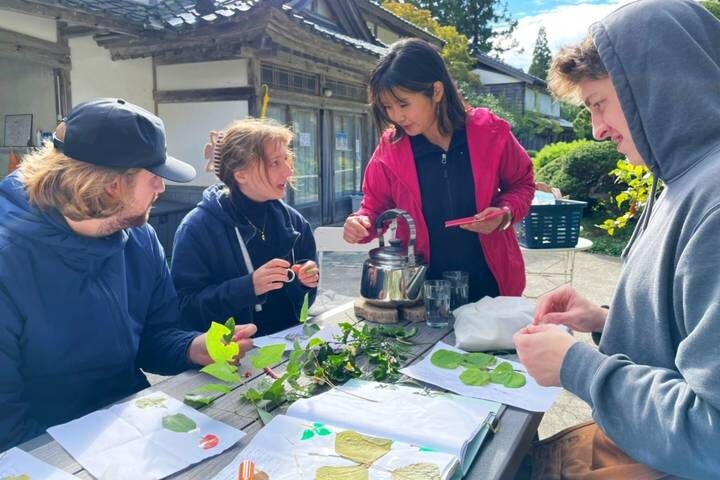
Local herbal specialists may take you into the forest to collect wild herbs and tree leaves, explaining how they identify and use them. After lunch, you can help clean, dry and grind the plants, then make a tea blend to take home.
For a one-week stay, the day also includes a transfer to Ryotsu ferry port. The schedule is unusually full for a departure day, so check the timing carefully before arranging your onward travel. If you extend your stay, activities continue instead of ending at the port.
What $670 buys, and what it does not
The first week starts at $670. That includes four-share accommodation, full board, program activities and transfers on Sado for arrival, departure and workdays. Additional weeks are listed at $360 each. A twin upgrade costs $70 per week, and a single upgrade costs $110 per week, subject to availability.
That is reasonable value if you want structured volunteer work, meals and local transport without organizing each activity yourself. It is less compelling if you are mainly seeking a comfortable base for sightseeing. Flights, travel to Sado, insurance, personal expenses, bicycle rental and weekend activities are extra. Vegetarian meals can be requested.
The price also needs to be judged against the lodging and the nature of the work. You are not buying a hotel room or a guaranteed set of high-impact conservation tasks. Some work is hands-on, such as cleaning a beach or maintaining irrigation channels; other days include learning sessions, observation or light temple upkeep. If you want measurable conservation outcomes, ask the coordinator what tasks are planned in your season and how volunteers contribute.
The practical cautions that matter
The program is rated medium intensity. Work can involve outdoor conditions, farm tasks and walking on uneven ground, so you should be comfortable with a fairly active week. The stated age range begins at 14, and the group size can range from one person to 52. A large group may mean a livelier social experience, but also a less personal feel on busy dates.
Sado is rural, and the local environment comes with insects. A participant who went in August advised being prepared for heat and a thriving insect population. Bring insect repellent, suitable work clothes and shoes you can get dirty. The tent setup makes secure, clean food storage a fair question too. Ask the operator how food is stored and how allergy needs are handled; one July participant reported a serious problem with allergy care and poor tent conditions.
Staff and group spirit are among the program’s strongest points. In one July group, leaders Summer and Hitoki were praised for making the atmosphere welcoming and inclusive. Staff can change, but the format brings international volunteers together with Japanese volunteers, which gives you a better chance of practicing language and building friendships than a self-guided visit would.
Is this Sado program right for you?
I would consider booking if you want to learn how rural conservation works, enjoy practical tasks and can treat simple accommodation as part of the adventure. You will get more from the week if you are open to changing plans, willing to work outdoors and interested in people as much as scenery.
I would look elsewhere if you need reliable privacy, spotless indoor lodging, tightly scheduled sightseeing or carefully controlled food arrangements. Before paying, confirm the exact accommodation, allergy procedures, activity schedule and ferry transfer time. If those answers suit you, this is an unusual way to see Sado beyond its beaches: through its farmers, schoolchildren, temple community and the work needed to keep wildlife thriving.
Environmental Conservation Volunteering, Cultural Immersion and Temple Stay on Sado Island by World Unite Japan
“World Unite Japan is an amazing organization! I had a truly wonderful, enriching, and meaningful experience. Our leaders, Summer and Hitoki, were o…”
FAQ
How long is the program?
The standard booking is eight days, with a minimum stay of one week. Longer stays may be available, depending on your visa and the season.
What is the price for one week?
The first week starts at $670. Additional weeks are listed at $360 each.
What accommodation is included?
The main option is a furnished tent on temple grounds, with four-share, twin and single occupancy options. Confirm your exact accommodation before booking, as program information also refers to another temple and a past stay in a tatami room.
Are meals included?
Yes. Breakfast, lunch and dinner are included, along with drinking water, coffee and tea. Vegetarian food is available on request.
How many days a week are volunteer activities scheduled?
Activities usually run Monday to Friday, with weekends free. During July and August, activities may run seven days a week. Meals are provided seven days a week.
When does the program operate?
The program is described as operating each year from the first Monday in April to the third Monday in October. Listed departure months are April through September. Confirm dates for your intended stay with the operator.
What kind of work might I do?
Activities can include bamboo crafts, biotope maintenance, rice-field and irrigation work, temple upkeep, beach cleanups, farm work, environmental learning sessions and herb collection. The exact schedule varies by season and local needs.
How do I get to the accommodation on arrival?
The program includes pickup from Ryotsu ferry port and transfers to the accommodation. You arrange your own travel to Sado Island. The operator advises reaching the ferry departure port by early afternoon to catch the scheduled crossing.
Is the program suitable for teenagers?
The stated age range is 14 and older. The activity level is rated medium intensity, so participants should be comfortable with somewhat demanding work.