
Kokonoe Yume Grand Suspension Bridge gives this autumn day its high point: cross above a gorge, then spend the day moving between mountain valleys, a Japanese garden, and the rocky scenery of Yabakei. It is a handy way to reach four widely spaced Oita sights from Fukuoka without planning the mountain roads yourself.
I like the route’s range: big views from the bridge followed by quieter foliage at Kyusuikei and Keisekien. I also like that the driver-guide can adjust the order when traffic or weather makes one stop better earlier. The trade-off is a long day with fixed stop times, extra admission costs, and no guarantee that the leaves will be at their peak.
- At a glance: four stops, one long day
- A mountain day that starts in Hakata
- Crossing the Kokonoe Yume Suspension Bridge
- Taking in Kyusuikei and lunch near Katsura Chaya
- Finding a quieter pause at Keisekien
- Ending at Yabakei’s Hitome Hakkei
- Autumn color is a moving target
- Is the .19 starting price good value?
- Who should book this foliage tour?
- FAQ
- Where does the tour depart from?
- What time should I arrive?
- What is included in the price?
- Do I need to pay separately to enter the suspension bridge?
- Is lunch provided?
- Is the tour conducted in English?
- Are the autumn leaves guaranteed to be at their peak?
- What time does the tour return to Hakata Station?
At a glance: four stops, one long day
 1 / 9
 2 / 9
 3 / 9
 4 / 9
 5 / 9
 6 / 9
 7 / 9
 8 / 9
 9 / 9
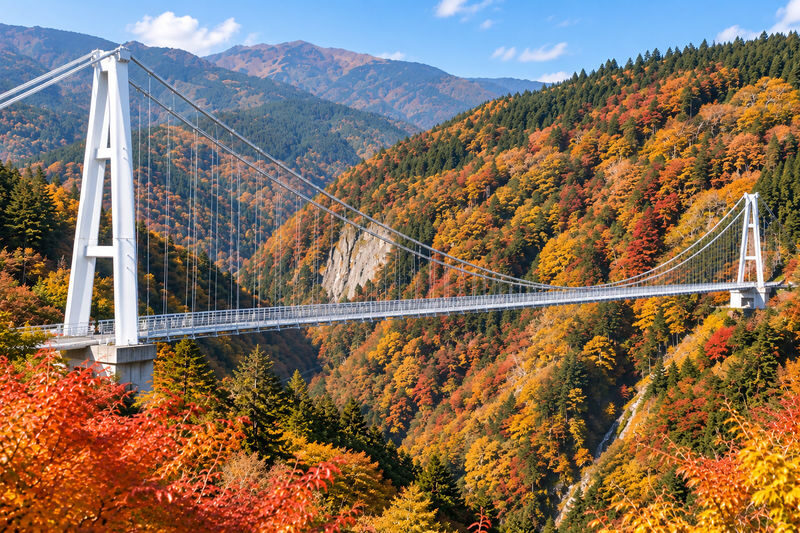
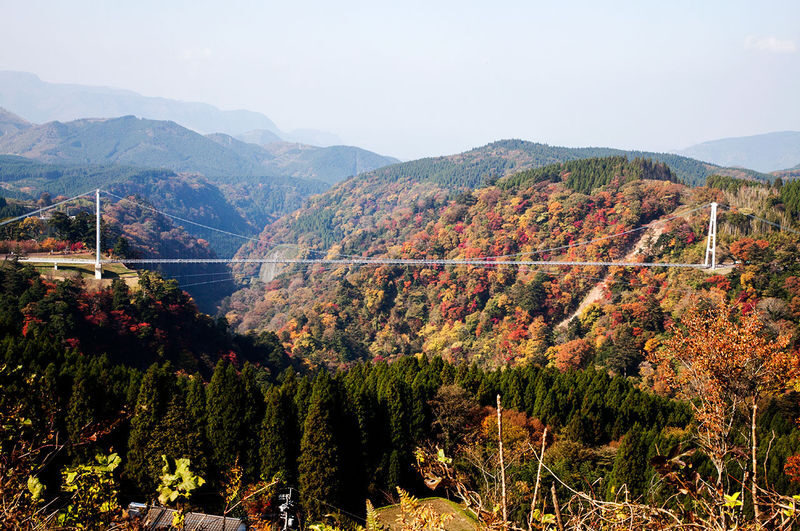
- Kokonoe Yume Grand Suspension Bridge: Cross high above a gorge and look toward waterfalls and wooded slopes. Admission is extra.
- Kyusuikei and Katsura Chaya: Take in the valley’s autumn colors, then arrange your own lunch near the tea house.
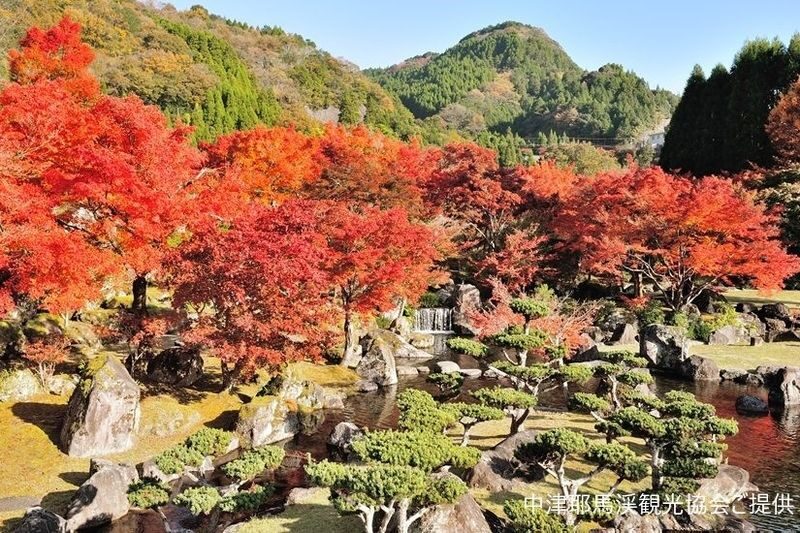
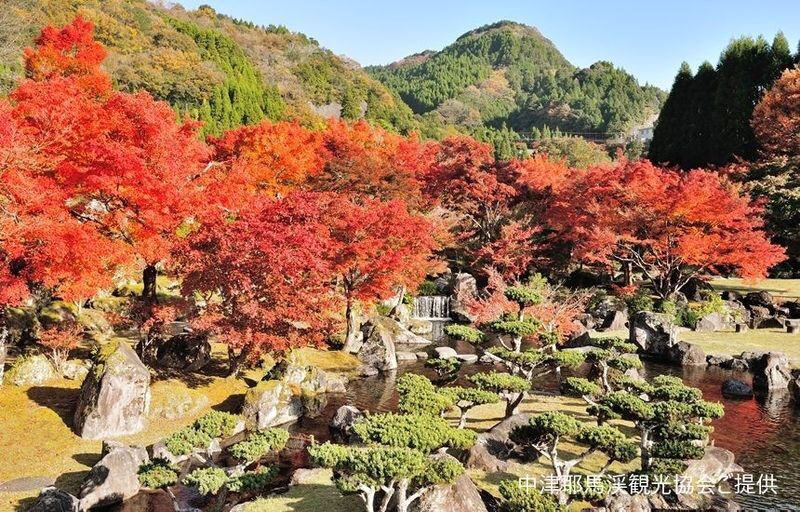
- Keisekien: Walk through a Japanese garden of unusual rocks, water, and seasonal plants.
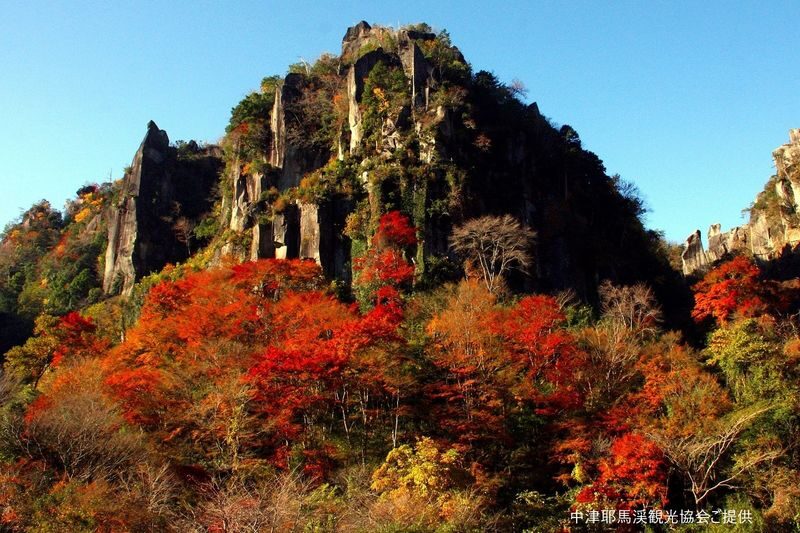
- Hitome Hakkei: Finish in Yabakei, where peaks and striking rock formations frame the autumn colors.
- About 8:30 am to 6 pm: Round-trip transport starts near Hakata Station. The actual return can shift with traffic and weather.
- Self-guided stops: You get time to look around at each place, but the guide does not lead a detailed walking tour at every stop.
A mountain day that starts in Hakata
The meeting point is beside the Lawson on the first floor of Hotel Oriental Fukuoka Hakata Station, near the station’s Chikushi Exit. Arrive by 8:20 am for the 8:30 departure. The vehicle leaves on time, and there is no refund for arriving late or missing the group.
From Fukuoka, the trip heads into the mountains of Oita. The schedule allows about an hour at each of the first three stops and roughly an hour and 20 minutes at Yabakei. That balance works well for a sampler: enough time to walk around and take photographs, but not enough to linger over every path or viewpoint.
You travel in a shared group, and the vehicle depends on the number of people booked. It may be a smaller vehicle rather than a large coach, and seats are not assigned in advance. If you prefer a particular seat because of motion sickness or mobility needs, you can note that when booking, but it cannot be guaranteed.
The tour includes a Chinese- or Japanese-speaking guide. On some departures, the driver also handles the tour, focusing first on safe driving and trip operations, with brief introductions along the way. English support is not promised. One English-speaking participant managed with simple directions from the driver-guide, but you should be ready to follow clear meeting times and basic instructions rather than expect a full English commentary.
Crossing the Kokonoe Yume Suspension Bridge
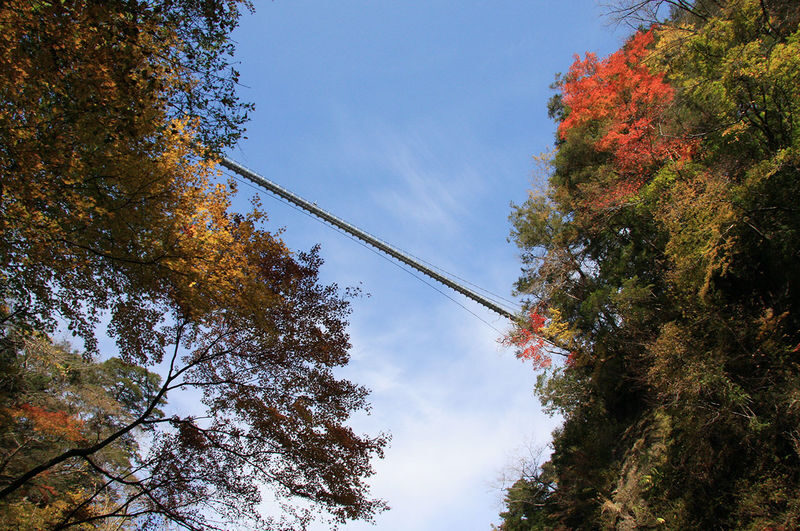
The first stop is Kokonoe Yume Grand Suspension Bridge, scheduled for about 10:20 am. You have an hour to cross and take in the gorge from above. The views include waterfalls, steep valley sides, and layers of mountain forest, with autumn color adding contrast to the scene.
This is the most dramatic stop, and the reason to get here early matters. The day’s order can be adjusted for traffic or weather, and a driver-guide may choose the bridge first if clouds or rain are likely to reduce visibility later. That flexibility can protect the best view of the day, though the final schedule remains subject to road and weather conditions.
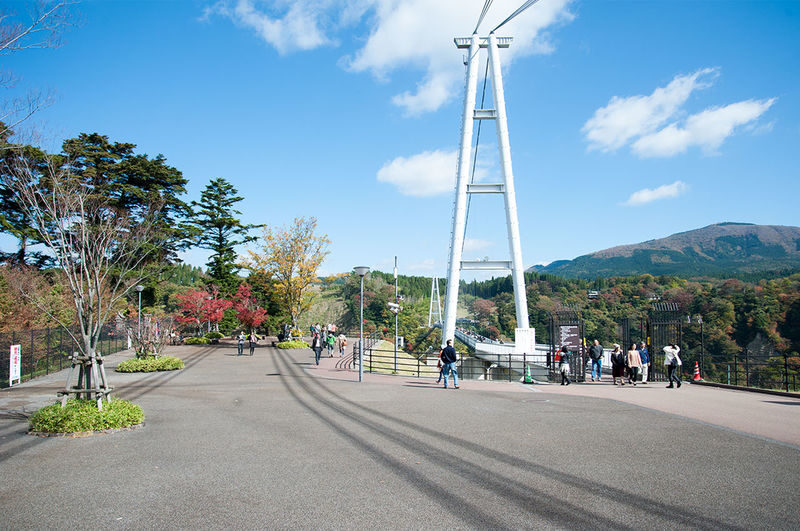
Admission is not included, so budget for the bridge ticket separately. The stop is self-guided, giving you freedom to cross at your own pace, but the hour passes quickly if you want to pause for photographs. Keep an eye on the return time your guide sets. The group needs to leave together.
The bridge is exposed, so a raincoat or poncho is a useful choice if the forecast is unsettled. The tour also recommends sun protection and sunglasses. Autumn weather can change, and a clear morning does not guarantee clear mountain views all day.
Taking in Kyusuikei and lunch near Katsura Chaya
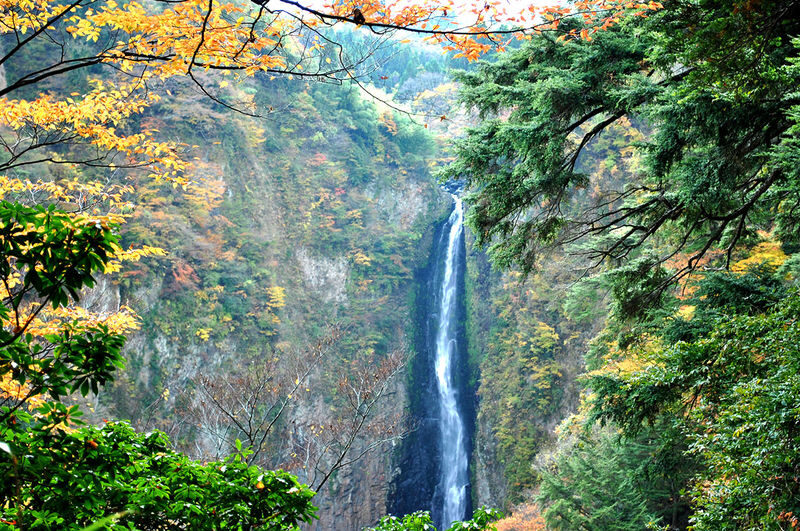
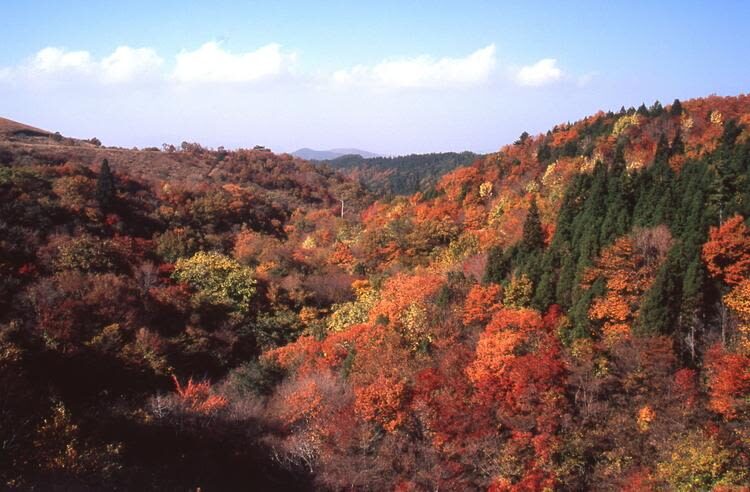
Around 11:30 am, the group reaches Kyusuikei, a well-known ravine and foliage stop. Here the mood shifts from the bridge’s height to a closer look at a valley colored by red and yellow leaves. The hour gives you time to walk around and enjoy the surroundings, but it is not a long hike or an extended visit.
Lunch is on your own around Katsura Chaya. Meals and drinks are not included, so bring money and be prepared to choose from what is available on the day. The schedule places this stop before the garden visit, making it the natural time to eat rather than wait until later in the afternoon.
This is also the stop where timing matters most. The tour moves through four places in a single day, so a leisurely meal could cut into your time to see the ravine. If you have particular food needs, the supplied tour details do not promise specific menu options; plan accordingly and keep lunch simple.
Finding a quieter pause at Keisekien
The afternoon stop at Yabakei Dam Memorial Park Keisekien is scheduled for about 1:30 pm. Its appeal is different from the broad gorge views: this is a Japanese garden combining water, distinctive rocks, and plants that change with the seasons. In autumn, the colors can reflect in the water, creating a calmer setting for a slow walk.
You have about an hour here. That is enough to appreciate the garden’s details and take a break from the road, but not enough to explore without watching the clock. The stop is self-guided, so you can choose whether to focus on the water, the rocks, or the seasonal planting.
This contrast is one of the route’s strengths. The bridge gives you a wide view from above; Keisekien invites you to notice smaller details at ground level. If you are deciding whether four stops in one day sound worthwhile, this variety helps the day feel less like a string of similar photo stops.
Ending at Yabakei’s Hitome Hakkei
The final sightseeing stop is Yabakei, scheduled for about 2:50 pm, with roughly an hour and 20 minutes to explore. Hitome Hakkei is known for a striking combination of peaks and unusual rock formations. In autumn, foliage adds color to the shapes and layers of the area.
This is the longest stop, which gives you more room to take in the views than at the earlier sites. The tour’s description notes that tickets are not included here, so check what admission, if any, applies to the specific places you plan to visit. Do not assume every activity or ticket is covered by the tour price.
The day is expected to return to Hakata Station around 6 pm, but that is an estimate, not a promise. Traffic, weather, road conditions, and other delays can push arrival later. Avoid booking a tight train, flight, dinner, or other commitment immediately afterward.
Autumn color is a moving target
This is a seasonal tour, and foliage timing varies from year to year. Temperature, rainfall, and weather affect when leaves change and how long they remain at their best. The route is planned using past seasonal patterns, but nature does not follow a fixed calendar.
The range of color can be part of the appeal. On one mid-November outing, conditions included red, yellow, and green leaves rather than a valley turned fully red. Another late-November outing found that many leaves had already fallen. Those are useful reminders: a foliage tour can still offer attractive scenery even when the trees are not at the exact stage you hoped for, but no particular color level is guaranteed.
The operator generally runs the tour unless an attraction officially closes or conditions require a change. A lack of peak foliage is not grounds for a refund. If seeing fully red leaves is your main reason for booking, accept that risk before you commit.
Is the $49.19 starting price good value?
At a starting price of US$49.19, the main value is transport. The route covers four mountain sights that would take more planning to connect independently from Fukuoka, and you avoid managing the long drive and parking yourself. Round-trip transfers and a guide or driver-guide are included.
That starting price does not cover everything. You pay separately for Kokonoe Yume Grand Suspension Bridge admission, meals and drinks, and personal expenses. Tickets at Yabakei are also listed as not included, so check applicable costs before setting your budget. The tour is best viewed as an affordable transport-and-sightseeing package, not an all-inclusive day out.
The group format affects the experience too. The vehicle size varies with attendance, and several languages may be represented in the same group. You get free time at the stops rather than a private guide beside you at every turn. If you want a flexible schedule, extended walks, or detailed commentary in English, a private arrangement may suit you better.
The tour has a 4.7 out of 5 rating from 13 ratings, while the provider has a 92 percent good-review rate across 7,690 reviews. The smaller tour-specific sample is encouraging, but the practical pattern is more useful than any score: travelers have praised clear explanations, safe driving, helpful food and photo tips, and sensible changes to avoid traffic or poor viewing conditions. Chang and Xiao Chang are names associated with guide-driver service on particular departures, but the guide assigned to your date may differ.
Who should book this foliage tour?
I would consider this tour if you are staying in Fukuoka, want to see several Oita autumn sights in one day, and would rather leave the mountain driving to someone else. It is particularly useful if you are comfortable with a brisk schedule and happy to explore independently during each stop.
Families and older visitors may appreciate having transport arranged and rest stops available on the long round trip. Still, the day involves getting on and off the vehicle and walking around outdoor attractions; child seats are not available. If anyone in your party has mobility needs, raise them in the booking notes, but do not count on a particular seat or assistance being guaranteed.
Pack for changeable weather, keep lunch plans simple, and arrive early at the meeting point. Most important, book for the full variety of the day, not for a promise of perfect red leaves. If the foliage timing works out, the bridge, ravine, garden, and rocky views make a rewarding sweep through Oita. If it does not, the tour still provides access to four distinctive places without the burden of arranging the route yourself.
Oita Autumn Foliage Day Trip | Kokonoe “Yume” Otsushashi Bridge / Kyusuikei / Keiseien / Hitome Hakkei (Departing from Fukuoka)
“The scenery is beautiful, but many of the autumn leaves have already fallen, which is a bit disappointing.”
FAQ
Where does the tour depart from?
It departs from beside the Lawson on the first floor of Hotel Oriental Fukuoka Hakata Station, near the Chikushi Exit at Hakata Station.
What time should I arrive?
Arrive by 8:20 am for the 8:30 am departure. The vehicle leaves promptly, and late arrivals or no-shows are not refunded.
What is included in the price?
The tour includes round-trip transfers from the meeting point and a Chinese- or Japanese-speaking guide. Admission tickets, meals, drinks, and personal expenses are not included.
Do I need to pay separately to enter the suspension bridge?
Yes. Admission to Kokonoe Yume Grand Suspension Bridge is not included and must be purchased separately.
Is lunch provided?
No. Arrange and pay for your own lunch, with time set aside around Katsura Chaya at Kyusuikei.
Is the tour conducted in English?
English-language guiding is not specified. The guide speaks Chinese or Japanese, and some driver-guides may give basic directions in English, but this is not guaranteed.
Are the autumn leaves guaranteed to be at their peak?
No. Foliage timing depends on weather and other natural conditions, and the best viewing period changes each year. A lack of peak color is not grounds for a refund.
What time does the tour return to Hakata Station?
The planned return is around 6 pm, but traffic, weather, and road conditions can affect arrival. Leave plenty of time before any onward transport or evening plans.