In a traditional tatami room in Gion, you’ll learn how to turn a brush, a little ink, and a chosen kanji into your own handmade Kyoto souvenir. The 90-minute shodo session moves from basic strokes to a finished piece on Japanese paper, with an English-speaking instructor guiding you along the way.
I like two things in particular: you get to practice the brushwork before making your final piece, and the instructor can help you choose a personal kanji, including a name. The premium session also includes a kimono, both part of the traditional look and useful protection from ink.
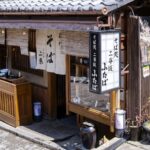
One thing to plan for: the studio can be hard to spot. It is in a black house behind a parking lot, and the door opens at your scheduled start time, so allow time to find it and arrive promptly.
- What to know before you book
- A brush, ink, and a quieter side of Gion
- From brush basics to your own kanji
- What the kimono adds
- A personal lesson, not a lecture
- Why this makes a good Kyoto souvenir
- Finding the machiya and arriving on time
- Price, package choice, and practical limits
- Who should book this calligraphy class?
- FAQ
- How long is the calligraphy experience?
- What is included in the premium package?
- Do I need previous calligraphy experience?
- What age can participate?
- Where is the meeting point?
- How do I get to the studio?
- What is the cancellation policy?
- The Best Of Kyoto!
- More Tours in Kyoto
- More Tour Reviews in Kyoto
- Not for you? Here's more nearby things to do in Kyoto we have reviewed
What to know before you book
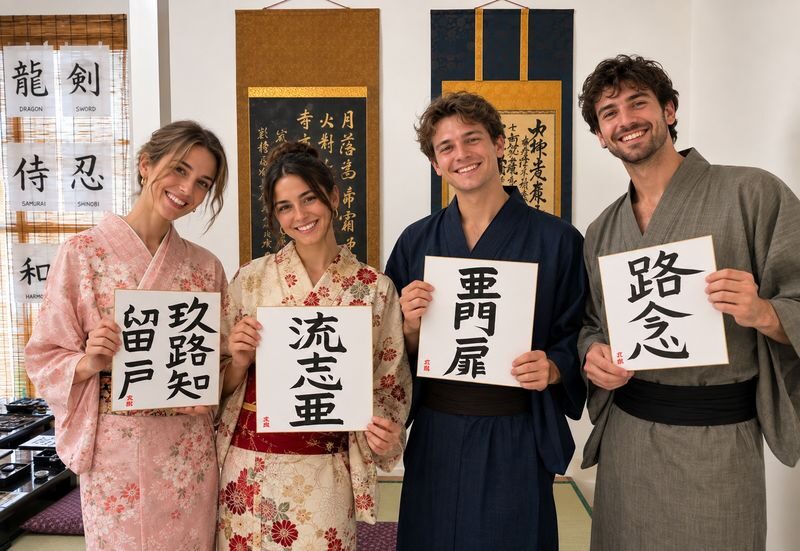
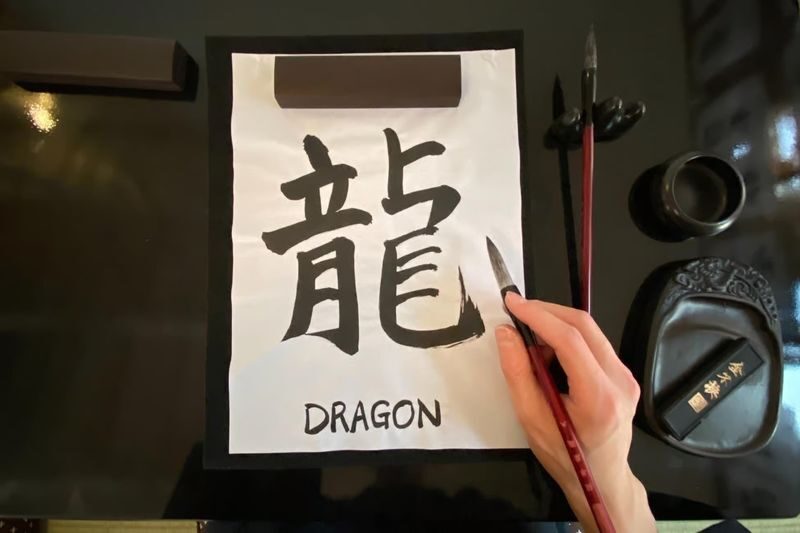
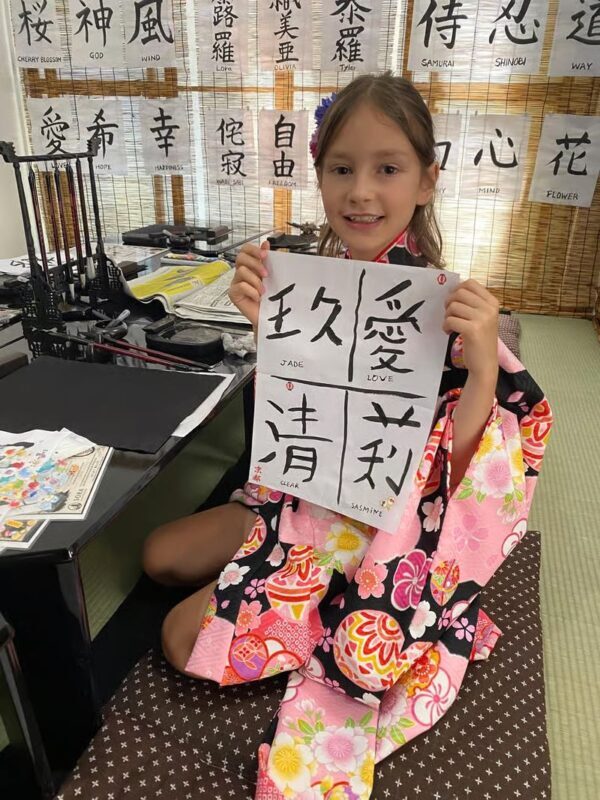
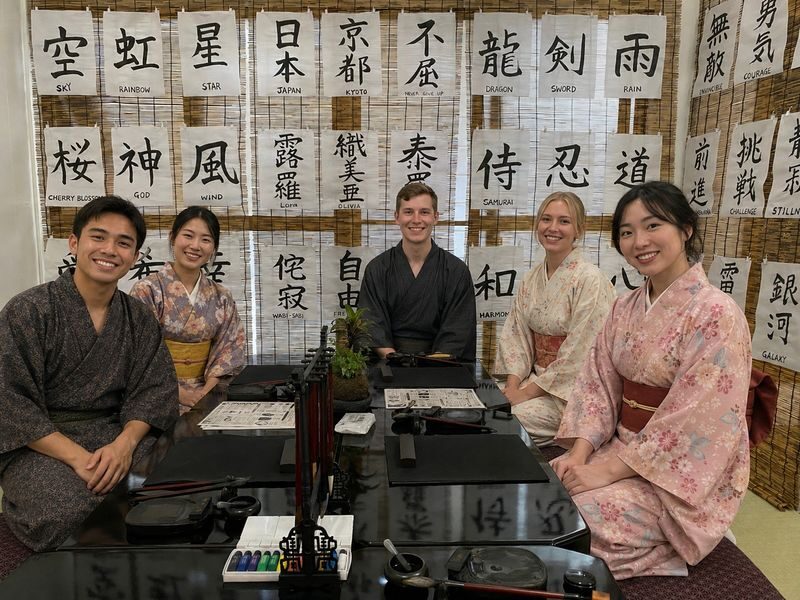
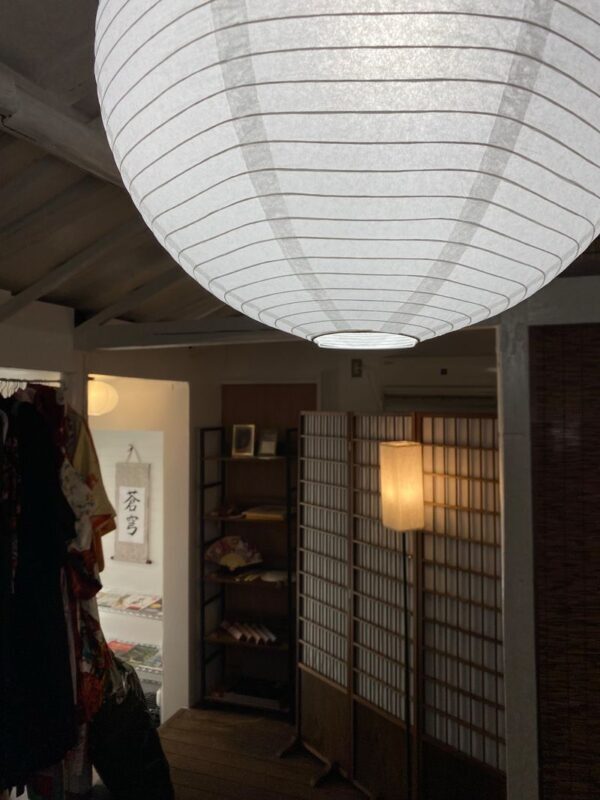
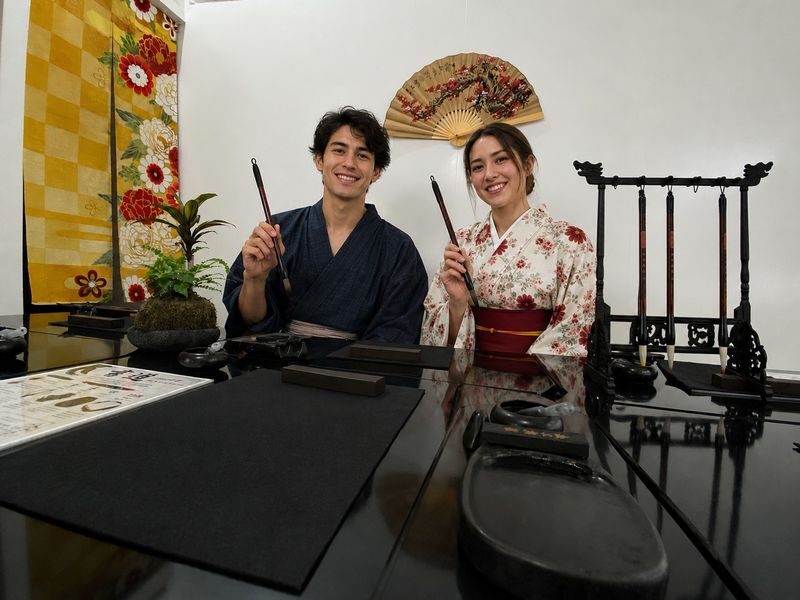
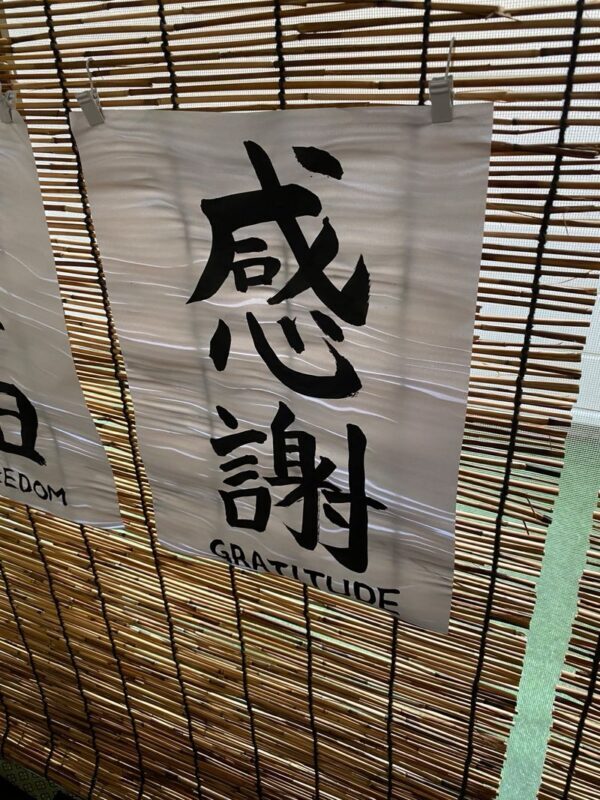
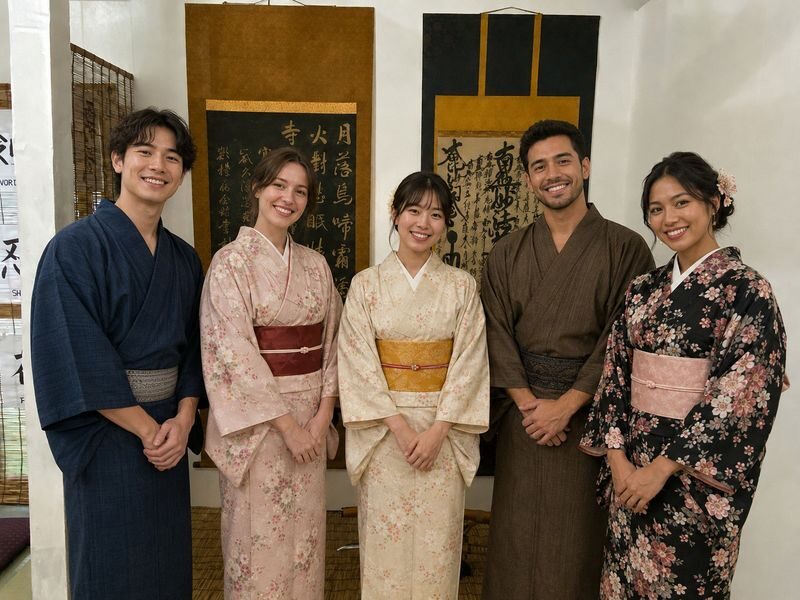
- A real hands-on lesson: Learn how to hold and use the brush, prepare ink, and practice traditional strokes before making your own artwork.
- A personal keepsake: Choose a meaningful word or kanji, and ask for help with a name if you want a piece tied to you or someone at home.
- A Gion machiya setting: The workshop takes place in a traditional-style studio in the heart of Gion, about a seven-minute walk from Sanjo Keihan or Shijo Kawaramachi Station.
- Kimono is included in the premium session: It adds to the feel of the class and helps shield your clothes from ink.
- Beginner-friendly, with a minimum age: No calligraphy experience is needed. Participants must be at least five years old.
- Leave time to locate the studio: Search SORA Kyoto Experiences on Google Maps, then look for the black house behind the parking lot.

👉 See our pick of the 25 Best Workshops And Classes In Kyoto
A brush, ink, and a quieter side of Gion
Kyoto offers plenty of ways to look at Japanese art. This class lets you try making some yourself. Shodo, Japanese calligraphy, asks you to slow down and pay attention to each stroke. You are not expected to arrive with steady hands or a background in Japanese writing. The lesson is designed for first-timers, and the instructor takes you through the basics before you begin your own work.
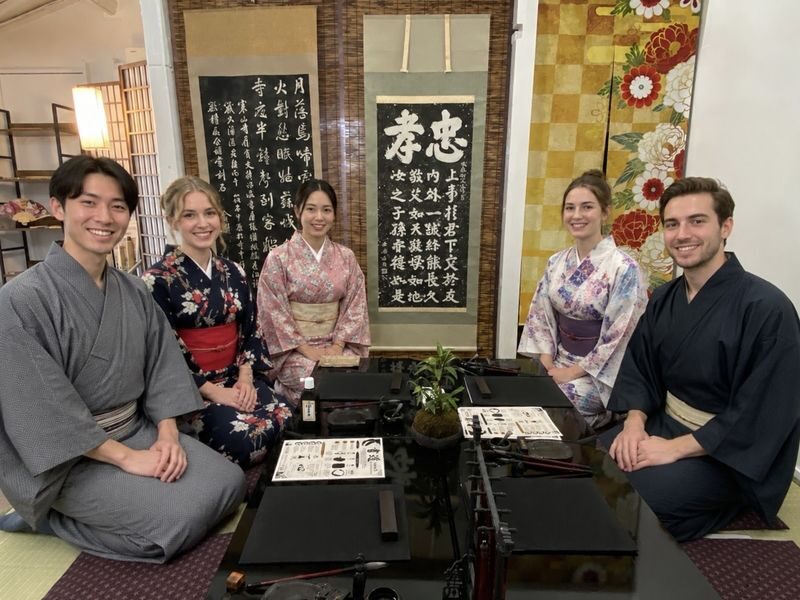
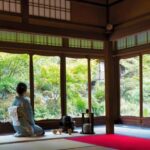
The room is a traditional tatami-style studio inside a machiya, a traditional Kyoto townhouse. That setting gives the session a more grounded feel than a generic craft activity, while keeping the focus on learning rather than simply dressing up for a photo. You’ll work with brush and ink, practice on paper, then make a finished piece to take away.
The experience is priced from $31.59, with a 90-minute premium option that includes a kimono and personalized kanji name selection. At that price, the value comes from the guided practice and the artwork you make yourself, not just from watching a demonstration. A private version is also offered, though the details and price for that package are not specified here.
You can also read our reviews of more tours and experiences in Kyoto.


From brush basics to your own kanji
The class begins with the foundations: how to hold and use the brush, how to prepare the ink, and how to approach traditional brush techniques. The steps matter. A brush stroke can look simple on a finished sheet, but practicing its direction and pressure gives you a better sense of how much control the art requires.
There is also time to learn about Japanese writing and the origins or types of characters. The instructor can explain the basics in English, making this useful even if you know little about Japanese. You are not signing up for a language class, but the context helps the characters feel less like decorative shapes and more like a writing system with meaning.
Once you have practiced, you choose a word or kanji that matters to you. The instructor helps you make that selection and work toward writing it on Japanese paper. You can also ask about having your name rendered in kanji. That personal choice is a strong part of the session: instead of leaving with a standard souvenir, you have a piece linked to a word, name, or idea you chose.
Expect your finished calligraphy to look like a beginner’s work, because you are one. That is part of the appeal. You make it yourself, and the aim is to learn and enjoy the process, not to produce flawless professional lettering in an hour and a half. Some instructors may also write names as keepsakes, but treat that as a possibility rather than a guaranteed inclusion.
What the kimono adds
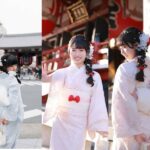
The premium session includes a kimono. In this setting, it helps create a traditional atmosphere, but it also has a practical purpose: ink can stain, and a protective layer over your clothes is welcome when you are working with a brush.
The kimono does not turn the class into a full dressing or costume experience. The main event remains the calligraphy lesson. If you are choosing a package, check that you are booking the 90 Minutes Premium Calligraphy with Kimono option if this feature matters to you. A private version is available as a separate package, but no further details are provided about how it differs beyond being private.
A personal lesson, not a lecture
The instructor is central to the experience. Ray is a name that comes up repeatedly, and Jansi is also mentioned as a warm and patient teacher. Names may vary by session, so you should not assume a particular instructor will lead your class. What the format promises is an English-speaking guide and personalized instruction in a small-group setting.
That hands-on guidance matters if you are new to calligraphy. You can ask for help with the brush, strokes, or difficult characters instead of trying to copy a demonstration from across the room. The class is described as small-group, and one account mentions roughly a dozen places. Exact group size is not guaranteed, but the format is intended to give the instructor room to help individuals.
The experience also suits families, couples, friends, and solo visitors. Children aged five and up may participate, and the activity is described as suitable for all levels. Younger children may need help staying focused around ink and paper, but the age limit gives families a clear baseline for planning.
Why this makes a good Kyoto souvenir
A purchased keepsake can remind you where you went. A piece of calligraphy you made yourself also brings back the hour spent learning it. You choose the character, practice the strokes, and carry home the result. That makes the souvenir more personal than a mass-produced item, even if your brushwork is a little uneven.
The class is also a useful change of pace in a Kyoto itinerary. It is a seated, indoor activity, and the 90-minute duration makes it easier to fit between other plans than a full-day excursion. The atmosphere is described as calm and relaxed, which gives you a quieter activity amid sightseeing.
If you are traveling with children or friends who do not share the same interests, this is an approachable option because no prior skill is required and everyone makes their own piece. It is not the right choice if you want an advanced calligraphy course or a long, formal study of the art. You get an introduction and a chance to try it, not professional training.




Finding the machiya and arriving on time
The studio is at SORA Kyoto Experiences, 608-3 Takabatakecho, Higashiyama Ward, Kyoto. It is about a seven-minute walk from Sanjo Keihan or Shijo Kawaramachi Station. Search SORA Kyoto Experiences on Google Maps, then look for the black house behind the parking lot.
That final direction deserves attention. The entrance has proved easy to miss, so do not leave the search until the scheduled start time. The door opens at the exact start time because another session may be underway or the instructor may be preparing the room. If you have trouble locating it, call the operator.
The activity is offered daily, from 9:00 a.m. to 10:00 p.m., with last admission at 9:00 p.m. Your voucher is valid only for the date and time specified, so check your booking details before setting out. Present the mobile voucher when you arrive.
Price, package choice, and practical limits
At from $31.59, this is a relatively accessible way to try a traditional Japanese art with instruction and materials. The premium 90-minute package includes a kimono and personalized kanji name selection. Since the stated starting price may not match every package or time slot, check the selected option and final price before booking.
A private option is listed as well. Choose it if a private format is important to you, but confirm the package details before paying, since the available information does not specify its group size, inclusions, or price. The standard session is shared with other participants.
A few rules are worth knowing. Infants are not recommended, participants must be at least five, pets are not allowed, and outside food and drinks are prohibited. Anyone who appears intoxicated may be refused service without a refund. If you cancel at least 24 hours before the activity, you can receive a full refund; late arrivals and no-shows are not eligible for refunds or changes.
Who should book this calligraphy class?
Book it if you want a calm, hands-on cultural activity and like the idea of making a personal souvenir rather than buying one. It is especially well suited to beginners, families with children aged five and up, couples, and small groups who want to learn something together.
I would also consider it if you are curious about Japanese writing but do not want a class that assumes prior knowledge. The instructor’s guidance, brush practice, and chance to choose your own kanji make the session approachable. If you prefer a quiet activity with a clear finished result, it is a good fit.
Skip it if you are looking for advanced instruction, a long course, or a guaranteed private lesson in the standard package. And if you do book, save the studio directions and leave extra time to find the entrance. That small bit of planning can keep a pleasant 90-minute session from starting with a parking-lot scavenger hunt.
Kyoto: Japanese Calligraphy Experience in a Traditional Studio
“We loved our calligraphy experience with Ray! it was educational to learn about the Japanese language and fun to try writing ourselves. I highly re…”
FAQ
How long is the calligraphy experience?
The session lasts 90 minutes.
What is included in the premium package?
The 90 Minutes Premium Calligraphy with Kimono package includes an English-speaking guide, a kimono, and personalized kanji name selection.
Do I need previous calligraphy experience?
No. The class is suitable for beginners and all experience levels.
What age can participate?
Participants must be aged five or older. The activity is not recommended for infants.
Where is the meeting point?
Meet at SORA Kyoto Experiences, at 608-3 Takabatakecho, Higashiyama Ward, Kyoto. The workshop is in the black house behind the parking lot.
How do I get to the studio?
Search SORA Kyoto Experiences on Google Maps. The studio is about a seven-minute walk from Sanjo Keihan or Shijo Kawaramachi Station. Call the operator if you have trouble finding it.
What is the cancellation policy?
You can receive a full refund if you cancel at least 24 hours before the activity date, based on local time. Late arrivals and no-shows are not eligible for refunds or changes.