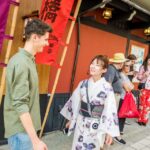
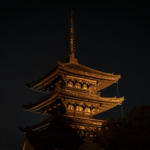
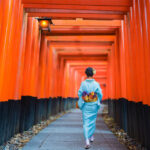
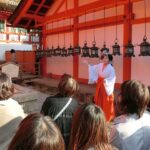
Kyoto’s Gion takes on a different character after dark: lanterns glow along narrow lanes, shrine views emerge from the shadows, and some streets feel calmer than they do by day. This small-group walk puts a guide beside you to explain the culture and history behind the sights, rather than leaving you to puzzle them out alone.
I like two things in particular: the quieter evening atmosphere and the chance to ask questions in a small group. Guides including Reon, Uta, Ken, and Suzuki have been praised for sharing stories about shrines, customs, and daily life. One thing to keep in mind: the depth of the commentary can vary, so a guide’s experience and ability to answer questions may shape your evening.
At a glance
- Gion after dark: See lantern-lit lanes and shrine views in a setting that can feel quieter than daytime.
- A personal pace: Groups have sometimes been as small as two to four people, leaving room for conversation and questions.
- Culture beyond the street scene: Guides discuss shrines, Japanese customs, Gion, and the traditions of geiko and maiko.
- A chance encounter, not a promise: A few walks have coincided with seeing a maiko or geisha, but sightings are not guaranteed.
- Good value at the entry price: It starts at $16.59, a modest cost for a guided evening walk and local context.
- Guide style matters: Many guides are praised for clear explanations and friendly conversation, though the depth of knowledge is not uniform.

👉 See our pick of the 25 Best Workshops And Classes In Kyoto
- At a glance
- Gion’s lantern-lit lanes after sunset
- What the shrine and side-street stops add
- Geiko, maiko, and the stories behind Gion
- A student guide can make the walk feel personal
- Small groups suit questions, photos, and solo visitors
- Timing, walking pace, and what to expect
- Is .59 good value?
- Who should book this Gion night walk?
- Booking details to know
- Should you book it?
- FAQ
- How much does the Kyoto Gion night walk cost?
- Can I book the walk for today?
- Can I cancel for free?
- What does the walk cover?
- Is the tour always a large group?
- Is seeing a maiko or geisha guaranteed?
- The Best Of Kyoto!
- More Walking Tours in Kyoto
- More Tours in Kyoto
- More Tour Reviews in Kyoto
- Not for you? Here's more nearby things to do in Kyoto we have reviewed
Gion’s lantern-lit lanes after sunset
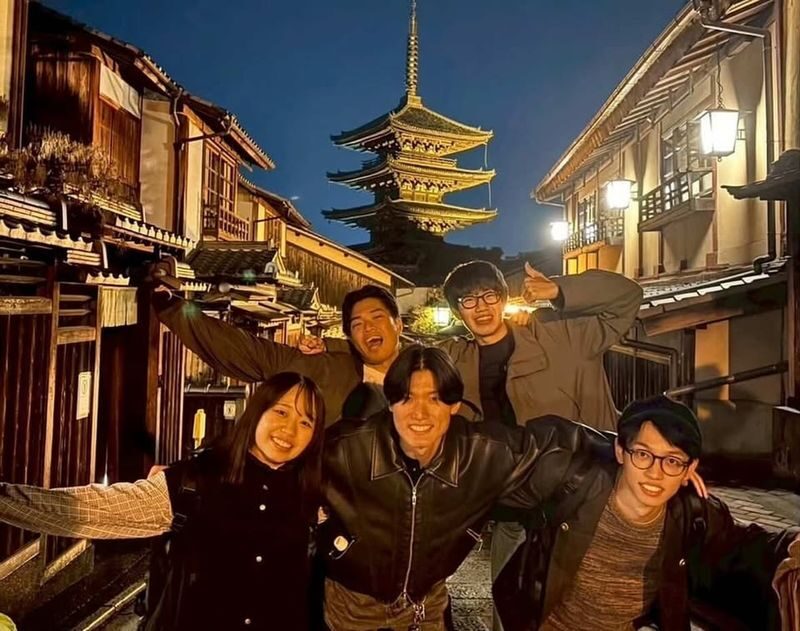
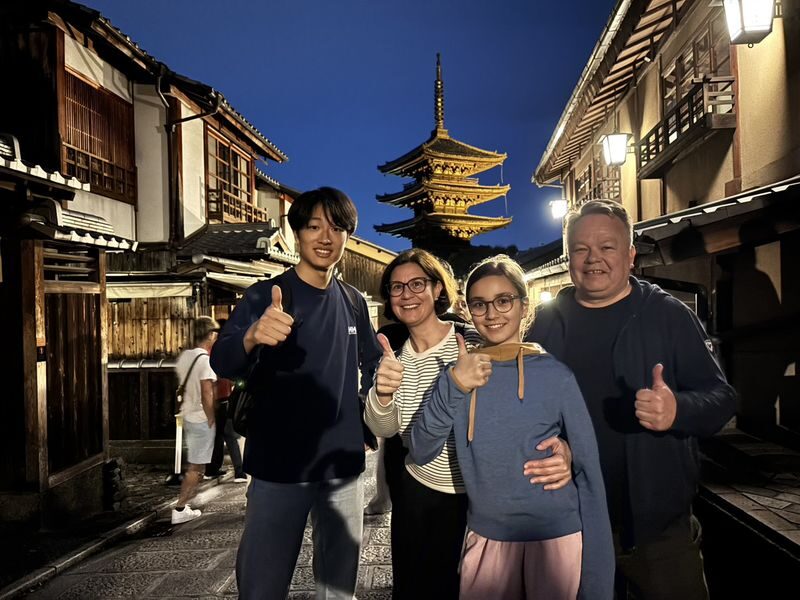

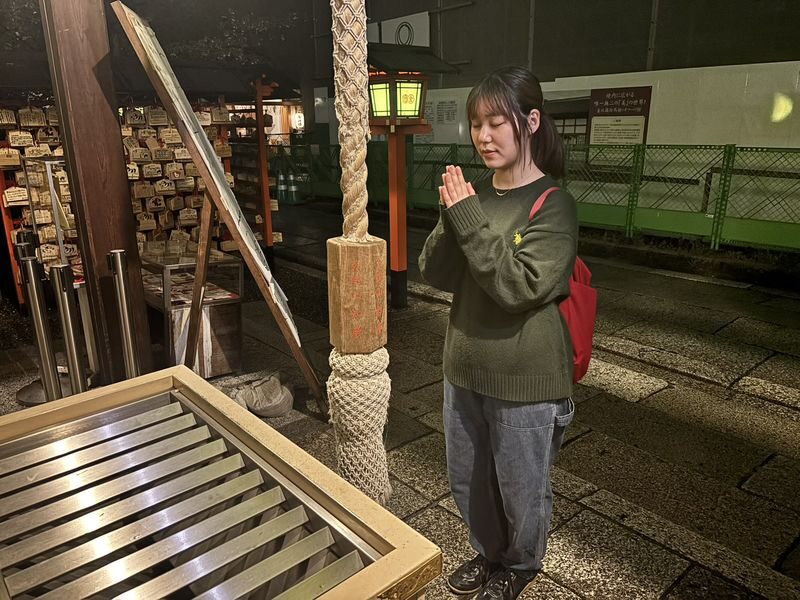

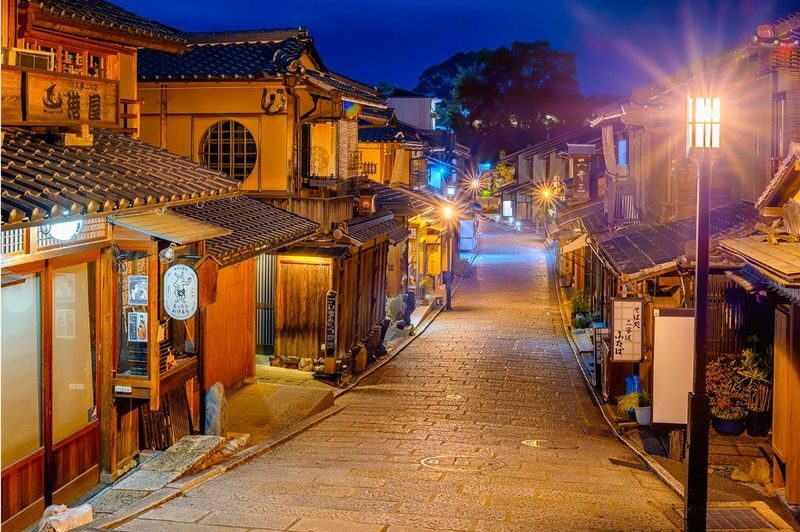
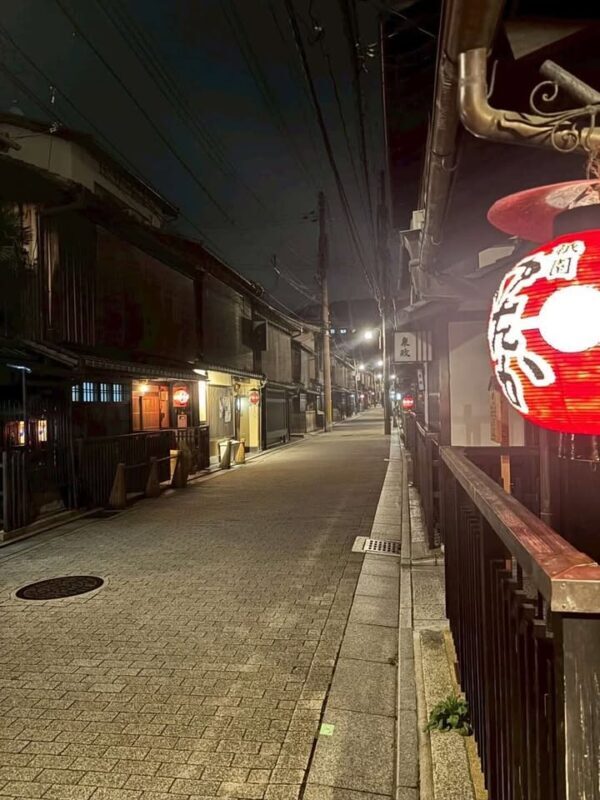

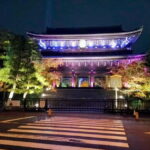
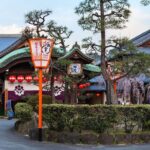
The first appeal is the setting. Gion’s traditional streets, low buildings, and lanterns look especially atmospheric at night, when the light draws your eye to doorways and narrow passages that are easy to hurry past in daylight.
The walk also moves through quieter back streets and alleys, with shrine views along the way. That change of pace is part of the point: instead of staying on the busiest roads, you get a closer look at the smaller lanes that can be hard to find or interpret on your own.
There is no guarantee that every walk follows an identical route. The experience is described as covering famous spots as well as less obvious streets in Gion and the Higashiyama area. Think of it as an evening introduction to the district, not a fixed checklist of landmarks.
You can also read our reviews of more walking tours in Kyoto

What the shrine and side-street stops add
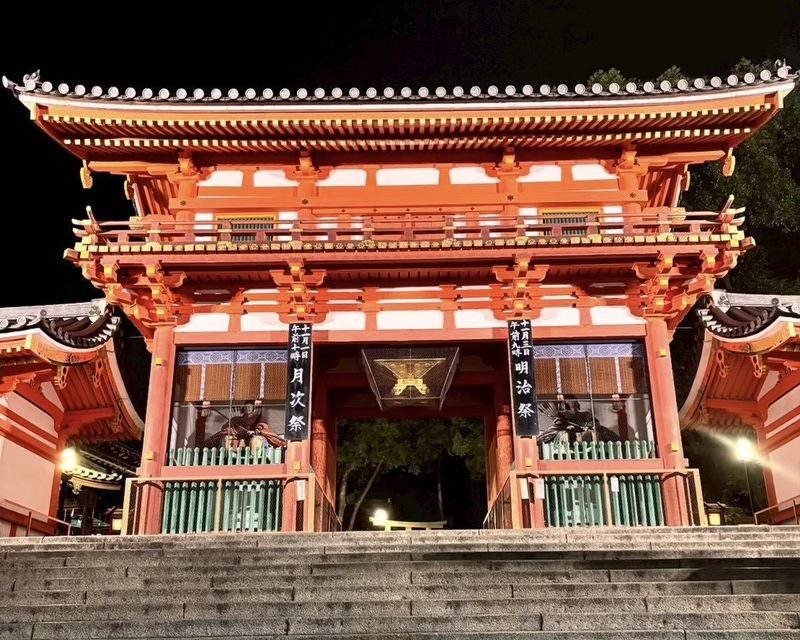
A shrine stop is more than a photo pause when your guide explains what you are looking at. Guides have discussed Shinto and Buddhism, shrine details, and customs, giving you some useful context for sights you may encounter elsewhere in Kyoto.
The distinction between religious traditions can be difficult to grasp from architecture alone. A good guide can help you notice the features being discussed and answer follow-up questions, turning a short stop into a more useful primer. Reon, for example, has been praised for explaining both Shinto and Buddhism clearly, while other guides have brought photos or picture books to help make their points.
The back lanes offer a different kind of lesson. They show how much of Gion’s character lies beyond its best-known streets, and they give you time to look around without the constant crush of a daytime crowd. Still, quiet streets are not the same as private streets. Treat the neighborhood as a lived-in place, not a stage set, and keep your attention on the guide rather than wandering off for a photo.
Geiko, maiko, and the stories behind Gion
The walk also addresses Gion’s geiko and maiko traditions. These terms and the cultural world around them are easy to flatten into a tourist spectacle; a guide can offer a more grounded introduction to their place in the district and in Japanese culture.
A few people have seen a maiko or geisha pass during the walk. That can be a memorable moment, but it is chance, not the tour’s main event. Book for the streets, cultural explanation, and chance to ask questions, not for a guaranteed sighting.
Some guides also weave in urban legends and stories about the area. That gives the walk a conversational quality beyond dates and building details. If a subject catches your interest, ask about it. The best moments often come when the guide can move beyond a prepared explanation and respond to what you want to know.
A student guide can make the walk feel personal
The student-guide format is part of the appeal, but it is worth understanding what it does and does not promise. Guides have shared perspectives on Kyoto life, Japanese customs, and the places along the route. One guide, Uta, was described as an architecture student who brought an architectural point of view to the walk.
Other guides have been praised for connecting historical and cultural information to everyday life. Suzuki, for instance, shared local recommendations for places to eat, while guides such as Ken and Reon have been singled out for answering questions and keeping the conversation going. That personal exchange can make a small-group walk feel less like a lecture and more like an evening spent exploring with a well-informed local companion.
But the student label alone does not guarantee specialist knowledge of Gion or Japanese history. One participant found that a guide had only brief explanations at each stop and struggled to answer questions. That less positive experience is a useful reminder: guide quality can vary. If you want the most from the walk, come ready to ask questions, and keep in mind that the guide’s interests and background may shape the commentary.
Small groups suit questions, photos, and solo visitors
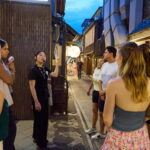
The group size is one of the experience’s strongest practical features. Some walks have had only two, three, or four participants. A group that small can make it easier to hear the guide, ask a follow-up, and take a moment for photos without feeling that you are holding up a crowd.
Several guides have also helped with family photos or kept the group together when people stopped to take pictures. The pace has been described as relaxed rather than rushed, and one parent said their children enjoyed the guide and the chance to learn. A young visitor interested in Japanese language practice also found the student-guide format useful.
If you are travelling alone, a small group can take some of the uncertainty out of exploring an unfamiliar district after dark. One solo participant described feeling comfortable on a walk with just one other person. That is not a guarantee of a particular group size, but it gives you a sense of why this format can work well for solo visitors.
You can also read our reviews of more evening experiences in Kyoto





Timing, walking pace, and what to expect
The experience is an evening walking tour. One participant particularly recommended a 6 pm start, which allowed the group to see Gion around sunset. If you can choose a time, a slot near dusk may give you both fading daylight and the lantern-lit evening atmosphere.
The route is generally described as a comfortable stroll rather than a strenuous outing. One account places a walk at about two hours, though the supplied activity details do not set an official duration. Check the time shown for the option you book, and plan for steady walking with pauses at sights and photo stops.
The walk takes place outdoors, so the weather and seasonal conditions can affect the experience. In busy periods, the area may still be crowded: one group joined during Gion Matsuri and found the streets chaotic, although their guide kept the route moving. Nighttime does not always mean empty streets, but a guide can help you navigate the district more smoothly.
Is $16.59 good value?
At a starting price of $16.59, this is an inexpensive way to add local context to an evening in Kyoto. You are paying for more than a route through pretty streets: the guide can explain what the shrines and district mean, point out details you might miss, and answer questions as they arise.
The value rises if you enjoy conversation and cultural background. If you are happy to wander independently and mainly want night photos, you may prefer to explore at your own pace. But if a guide helps you connect the streets to customs, religion, and local life, the starting price is easy to justify.
The experience has a listed score of 5.0 out of 5 from 41 ratings. That is a strong signal of broad satisfaction, though the range of comments about guide depth is worth keeping in mind. You are booking a guided stroll with a student guide, not a guaranteed specialist lecture.
Who should book this Gion night walk?
I would put this walk high on the list for a first visit to Kyoto, especially if you want to understand more than the district’s appearance. It suits curious visitors who like to ask questions, families who enjoy learning together, solo visitors who prefer company after dark, and anyone who wants a gentle evening activity.
It is less suited to someone who expects a fixed, deeply academic history tour or a guaranteed encounter with a maiko. The route and commentary can vary, and guide experience is not uniform. Set your expectations around a relaxed walk, conversation, and cultural introduction, and you are more likely to appreciate what it offers.
Booking details to know
The activity can be booked for the same day, with instant confirmation. Cancellation is free if you cancel at least 24 hours before the activity date, based on local time. If you are late by 10 minutes or more, a refund cannot be issued, so arrive promptly.
The operator may cancel in extreme weather or other unforeseen circumstances. In that case, you can request a reschedule or full refund, subject to availability. If you have already taken part in an activity or used a ticket included in a booking, refunds cannot be issued for that portion.
Should you book it?
Book this walk if you want Gion’s evening atmosphere paired with explanations of shrines, customs, and local traditions. Its strongest points are the small-group feel, the chance to explore quieter lanes, and guides such as Reon, Uta, Ken, and Suzuki who have made the experience engaging and personal.
Skip it if you need a guaranteed expert on every historical detail, or if you only want to photograph the streets without a guide. For most visitors who value a relaxed pace and a little cultural context, the low starting price makes this a sensible way to spend an evening in Kyoto.
Kyoto Gion Small-Group Night Walk with Local Students
“the Tourguide Uta was really good! He knows a lot about Kyoto :)”
FAQ
How much does the Kyoto Gion night walk cost?
The price starts at $16.59. The exact price may depend on the package option you select.
Can I book the walk for today?
Yes. Same-day booking is available, and confirmation is instant.
Can I cancel for free?
You can cancel for a full refund at least 24 hours before the activity date, using the destination’s local time. Refunds are not available if you are 10 minutes or more late.
What does the walk cover?
The walk takes place in Gion and nearby Higashiyama. Stops and commentary may include shrine views, back streets, Japanese customs, religion, and the traditions of geiko and maiko.
Is the tour always a large group?
No fixed group size is provided. Some walks have had only two to four participants, so the group can be small, but the size may vary.
Is seeing a maiko or geisha guaranteed?
No. Some people have seen a maiko or geisha during the walk, but sightings are not guaranteed.