Kyoto’s best-known sights sit far apart, and this tour connects three very different corners of the city in one day: the gold-covered pavilion of Kinkaku-ji, the old lanes around Kiyomizu-dera, and Fushimi Inari’s rows of red torii gates. I like that you can rest between stops on a shared bus instead of piecing together a day of transfers, and I like the long midday window for choosing your own route through the historic streets.
The main trade-off is time. The tour is billed as slow travel, but the full day covers a lot of ground, and Fushimi Inari gets just 70 minutes. Treat it as a well-organized introduction to Kyoto’s headline sights, not a chance to explore every temple, lane, or torii gate at leisure.
- At a glance
- One day, three very different Kyotos
- Kinkaku-ji: a golden pavilion in a garden setting
- Three hours around Kiyomizu-dera, Ninenzaka and Gion
- Fushimi Inari: torii gates, with a firm time limit
- What the guide adds, and what the bus does not
- Price, pace and practical details
- Who should book this Kyoto day tour?
- FAQ
- How long is the tour?
- What is included in the price?
- How much is admission to Kinkaku-ji?
- Can I walk the full torii-gate route at Fushimi Inari?
- Where does the tour depart and return?
- When will I receive the guide and vehicle details?
- The Best Of Kyoto!
- More Tours in Kyoto
- More Tour Reviews in Kyoto
- Not for you? Here's more nearby things to do in Kyoto we have reviewed
At a glance
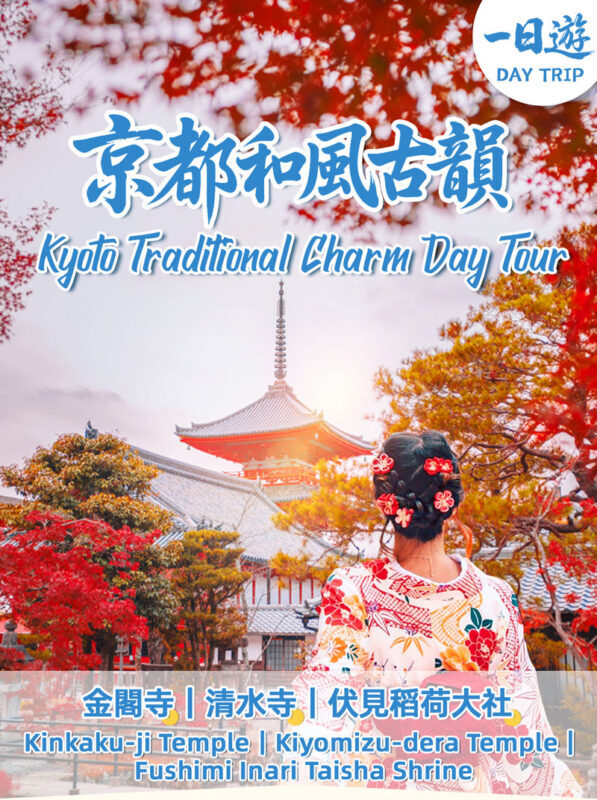
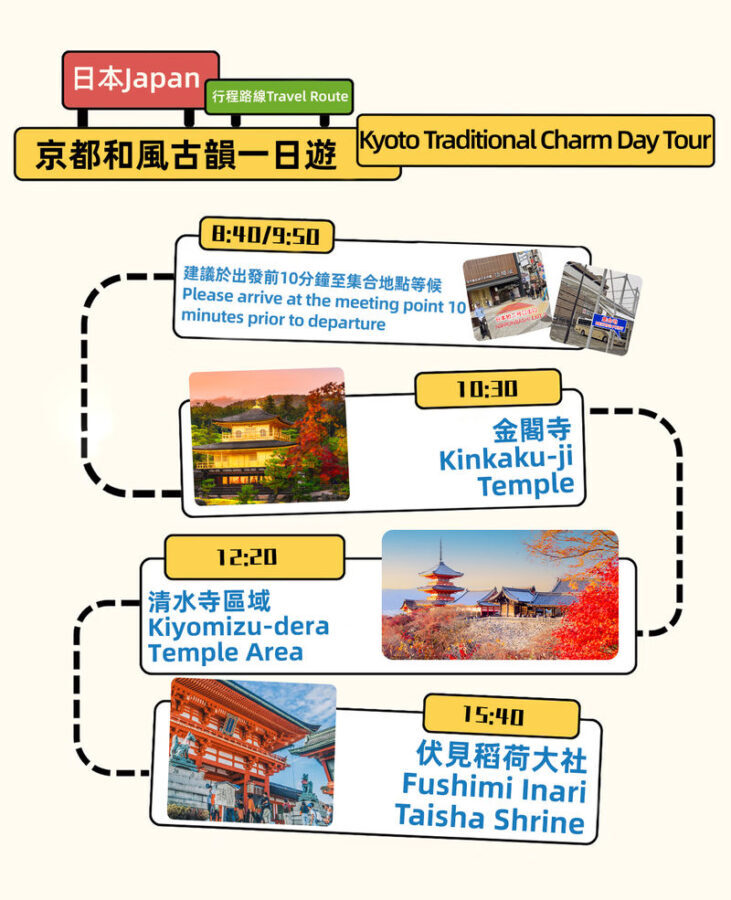
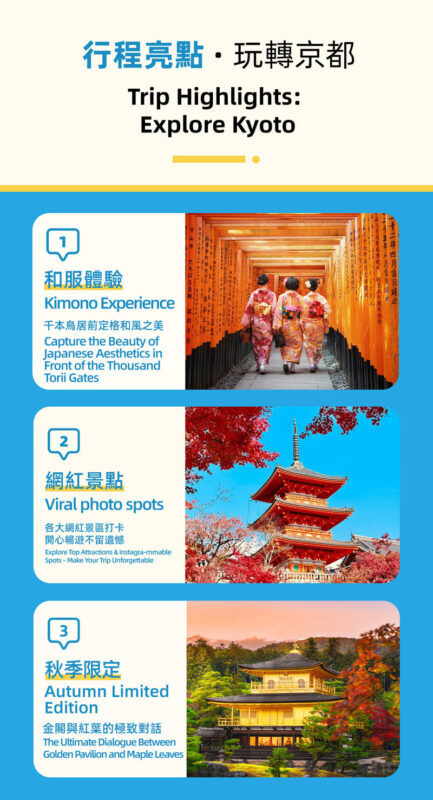
- Three distinct Kyoto stops: Kinkaku-ji, the Kiyomizu-dera area and Fushimi Inari-taisha.
- A flexible three-hour midday break: Pick a route through Kiyomizu-dera, Ninenzaka, Sannenzaka, Ishibei-koji, Gion and Yasaka Shrine, or use the time for a kimono stroll.
- A short visit to Fushimi Inari: Seventy minutes is enough to see the famous torii corridor, but not to walk the entire route at an unhurried pace.
- Guides speak several languages: English, Chinese, Japanese and Korean are offered. Guides praised by name include David, Shine, also known as Liu Shuai, and Gu Wenji.
- Bus transport saves planning: The price starts at $44.89 and covers round-trip transfers, tolls, parking and fuel. Temple admission, food and drinks cost extra.
- Be ready for schedule changes: Traffic and weather can affect timings, and the group departs promptly from its meeting points.

👉 See our pick of the 25 Best Workshops And Classes In Kyoto
One day, three very different Kyotos
This route makes sense because the stops offer contrasting impressions. Kinkaku-ji is a carefully framed temple garden and pond view. The Kiyomizu-dera area is a place to wander through sloping old streets, shops and shrine grounds. Fushimi Inari is known for its long passages of vermilion torii gates.
The bus is the practical link. Kyoto’s sights are spread across the city, and using public transport to connect all three in one day takes planning and time. Here, you can settle in between stops while the guide shares background and the driver handles the road. That convenience is especially useful if you are staying in Osaka and want to see Kyoto without organizing a separate day of train and bus connections.
There is a limit to that convenience: this is a shared group outing, with up to 49 participants. The schedule has set departure times at each stop, so you need to keep track of the meeting point and return promptly. Think of it as a guided sampler with independent time on site, rather than a private tour where you can change the day around your interests.
You can also read our reviews of more tours and experiences in Kyoto.
Kinkaku-ji: a golden pavilion in a garden setting
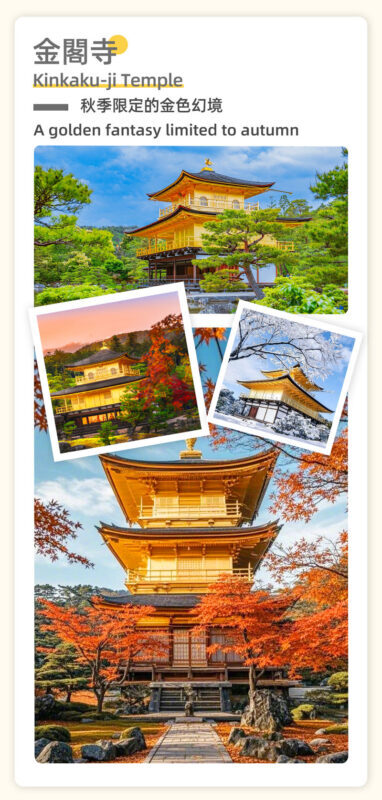
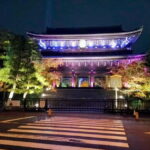
The first sightseeing stop is Kinkaku-ji, also formally known as Rokuon-ji. Its central Shariden, or Relic Hall, is faced with gold leaf, and the building is reflected in the surrounding pond. The tour gives you about an hour here, enough to follow the visitor route and pause at the main views, though not to linger for long at every photo spot.
The temple began as the mountain villa of shogun Ashikaga Yoshimitsu in 1397 and later became a Zen temple. That history helps put the striking building in context: this is not simply an ornate temple dropped into a garden, but a site shaped by a powerful shogun’s retreat and its later religious role.
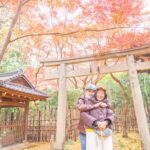
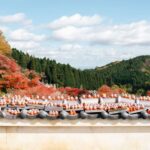
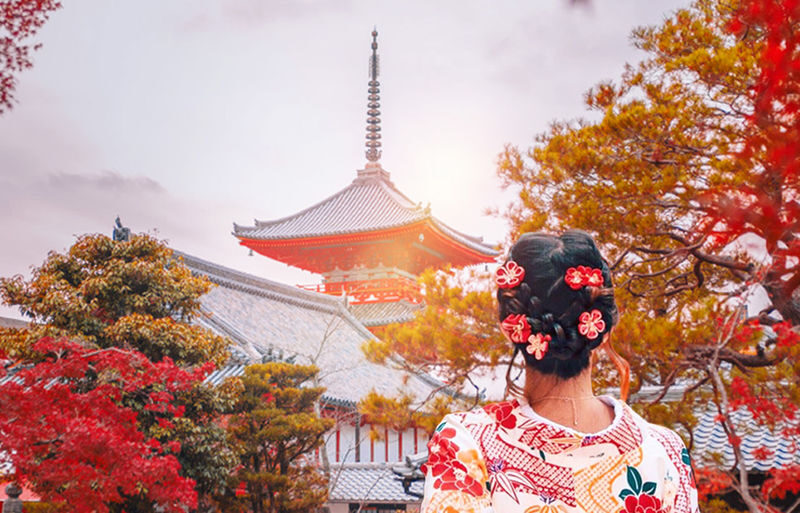
Autumn is promoted as a particularly beautiful time to visit, when red foliage frames the gold exterior. That seasonal color can be lovely, but it also draws crowds, and the route is not a quiet private garden walk. If your visit falls in peak foliage season, follow the guide’s timing instructions and expect to share the best viewpoints.
Admission is not included. The stated ticket price is ¥400 for adults and ¥300 for junior high and elementary school students. Bring some yen for entry, and remember that the tour price does not cover meals or drinks either.
Three hours around Kiyomizu-dera, Ninenzaka and Gion
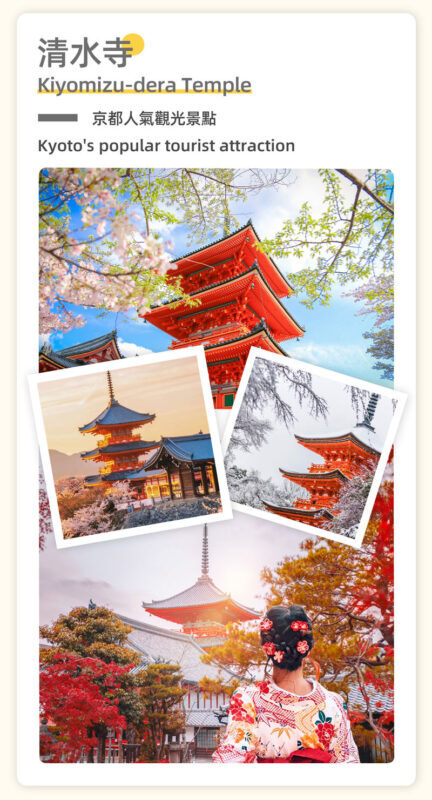
The longest stop is in the Kiyomizu-dera area, with about three hours to make your own selection. The suggested route links Kiyomizu-dera Temple with Ninenzaka and Sannenzaka, Ishibei-koji Alley, Gion’s Hanamikoji Street and Yasaka Shrine. That is a generous block of time compared with the other stops, but seeing every place at length may still mean walking briskly and choosing what matters most to you.
Kiyomizu-dera is the anchor of this part of the day. Its admission fee is not included, and the temple visit can take a substantial share of your allotted time. If it is your priority, go there first, then use the remaining time for the lanes below. If you would rather stroll, shop or stop for lunch, you can skip some sights without losing the basic pleasure of the area.
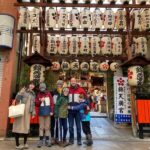
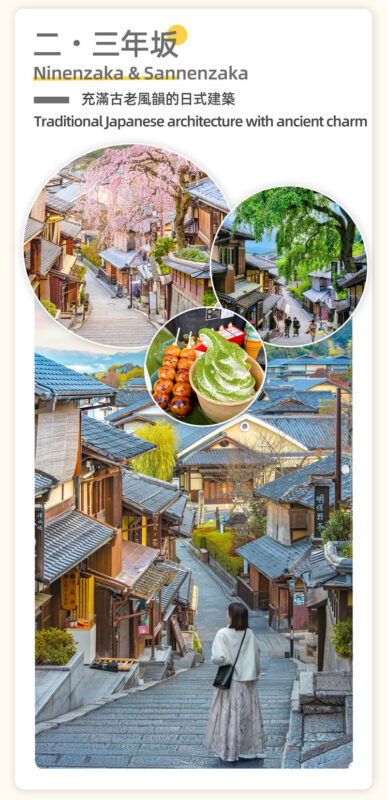
Ninenzaka and Sannenzaka are old sloping streets that make a good connection between the temple and the surrounding neighborhood. Ishibei-koji offers a narrower-lane contrast, while Hanamikoji Street gives you a look at Gion’s historic district. Yasaka Shrine adds a religious stop at the edge of the route. The tour does not dictate that you visit every one of them, which is a real advantage: pick a manageable loop instead of racing through a checklist.
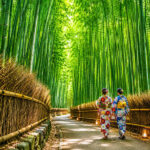
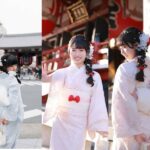
There is also a kimono option in the suggested plan, with time to stroll in traditional dress. The tour details do not include a kimono rental, so check the arrangements and cost separately if that is part of your plan. Do not assume it is included in the tour fare.
Lunch is also your responsibility. Guides have helped with restaurant suggestions, and some have arranged or pre-ordered meals, but that service is not guaranteed as part of the package. If you want to protect your exploration time, ask your guide about food options early in the day. Keep enough time to return to the agreed meeting point; the bus cannot wait for a late lunch.
Fushimi Inari: torii gates, with a firm time limit
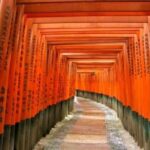
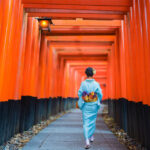
The final sightseeing stop is Fushimi Inari-taisha, famous for its Senbon Torii, or Thousand Torii Gates. The path through the gates creates the striking red corridor many visitors come to see. It is an atmospheric place, and the visual effect changes as you walk from the busy entrance into the rows of gates.
You have about 70 minutes here. That is enough to enter the shrine grounds, see part of the torii route and take a few breaks, but it is not enough for a leisurely walk through the full network of paths. One visitor specifically found the hour too short, and that is a fair warning for anyone whose main reason for booking is a long hike up the mountain.
Make a simple plan before stepping off the bus. Decide how far you want to walk, keep an eye on the time, and turn back with enough margin to reach the meeting point. If you want to explore Fushimi Inari at length, visit separately on another day. The tour gives you a memorable taste, not a full exploration.
The shrine is also associated with prayers for prosperity and success in work. You can approach it as a place of worship as well as a famous photo stop. Be considerate around people praying, and remember that this is an active shrine, not just a backdrop.
What the guide adds, and what the bus does not
The guide’s role matters on a day with several independent visits. The guide provides live commentary on board and introduces the day’s stops, while you explore the sites on your own during the allotted windows. This is not the same as having a guide walk beside you throughout each temple and street.
Guides named by participants include David, Shine, also called Liu Shuai, and Gu Wenji. Accounts of their service highlight clear explanations, practical food tips, help with photos and reminders about where and when to meet. One guide even helped translate a fortune, while another arranged lunch. These are useful examples of the personal help a good guide can offer, but the individual guide and the extra assistance you receive will vary by departure.
Language is worth checking. The activity offers English, Chinese, Japanese and Korean-speaking guides, but a multilingual guide may explain different parts of the day in different languages. If you need one language in particular, confirm that it is available for your date before booking. One participant who did not understand the guide’s language found the instructions difficult to follow, which underlines how important this is for a self-guided stop.
The bus is air-conditioned and offers a place to sit between attractions. The vehicle type depends on the number of people, so you cannot select a particular bus. There are no planned shopping stops or hidden fees, but admission, meals, drinks and personal purchases are on you.

Price, pace and practical details
At a starting price of $44.89, the value comes mainly from transport and time saved. You get a full-day route linking distant sights, a multilingual guide, live commentary, round-trip transfers, tolls, parking and fuel. Compare that with arranging multiple connections yourself, especially from Osaka, and the bus can be a sensible choice for a short visit.
The price is not all-inclusive. Kinkaku-ji admission is listed at ¥400 for adults and ¥300 for children in elementary or junior high school. Kiyomizu-dera admission, meals and drinks are extra. Set aside money for those costs, and budget for lunch without relying on a particular restaurant arrangement.
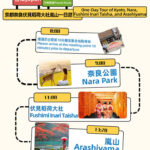
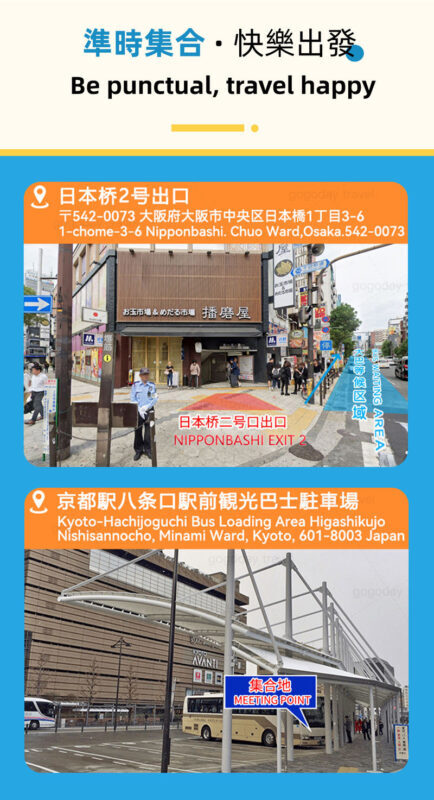
The departure details depend on the option you select. The schedule lists an 08:40 departure and a 09:50 Kyoto Station Hachijo Exit pickup, with return to Kyoto Station around 17:20 and arrival at Osaka Shinsaibashi around 18:10. Another note gives 18:30 for the Osaka finish. Treat these as planned times, not guarantees: traffic, weather and operational needs can change the order or timing of stops.
The night before, the operator sends guide and vehicle details by email, generally between 20:00 and 21:00. Check your inbox and spam folder, and use the latest message if more than one arrives. Be at your meeting point ten minutes early. The tour leaves on time, and no-shows or late arrivals are not refunded.
You may bring one piece of luggage per person, but you need to note it when booking. Extra luggage can create space and safety problems, and the driver may refuse boarding if the vehicle cannot accommodate the group and bags. The tour also does not allow you to leave early or depart midway and rejoin later.
This is a long day with substantial walking at the temple and shrine stops. The activity is not recommended for people with high blood pressure, epilepsy, heart disease, asthma or other serious medical conditions, pregnant women, or people with disabilities. Participants aged 70 and older need to present a medical certificate. Children aged zero to two may ride free if they do not need a separate seat; children aged three and older pay the adult rate, and anyone aged 17 or younger must be with a paying adult.
Who should book this Kyoto day tour?
I would choose this tour if you are based in Osaka or Kyoto, have limited time, and want a straightforward way to see three major sights without managing every connection yourself. It is also a sensible fit for families who value a seated ride between stops and a guide who can provide context and practical directions.
I would think twice if you want long, quiet visits, plan to hike the full Fushimi Inari route, or prefer to set your own pace all day. The midday block is flexible, but the overall timetable is fixed, and a large group can make punctuality essential. For the best experience, choose one main goal for each stop, arrive early, and treat the day as an introduction that may help you decide where to return.
Kyoto Classic Deep Dive: Kinkaku-ji & Kiyomizu-dera Temple & Ninenzaka & Gion/Hanamikoji Street & Yasaka Shrine & Fushimi Inari-taisha Shrine In-Depth Slow Travel Day Tour (Departure from Osaka/Kyoto)
“On the Double Ten Day in '26, I had a wonderful day on the Kyoto day tour with guide Sai-san. The bus driver also drove safely, making it a comfort…”
FAQ
How long is the tour?
The tour lasts about 8.5 hours. The schedule gives about one hour at Kinkaku-ji, three hours around Kiyomizu-dera and nearby streets, and 70 minutes at Fushimi Inari-taisha. Traffic and weather can change timings.
What is included in the price?
The price includes round-trip transfers from the selected meeting point, a guide, live commentary on board, tolls, parking and fuel. Temple admission, meals, drinks and personal expenses are not included.
How much is admission to Kinkaku-ji?
The stated admission is ¥400 for adults and ¥300 for elementary and junior high school students. Kiyomizu-dera admission is also extra, but no price is provided here.
Can I walk the full torii-gate route at Fushimi Inari?
The stop lasts about 70 minutes, so you can visit the shrine and walk part of the torii route. The time may not allow you to walk the full route at a relaxed pace.
Where does the tour depart and return?
Departure options include Osaka or Kyoto. The Kyoto meeting point is in front of the sightseeing-bus parking area at Kyoto Station’s Hachijo Exit. The schedule lists a return to Kyoto Station and an Osaka drop-off at Shinsaibashi.
When will I receive the guide and vehicle details?
The operator sends the information by email the evening before the tour, generally between 20:00 and 21:00. Check your inbox and spam folder, and arrive at the meeting point ten minutes before departure.