Fushimi Inari is famous for its long tunnels of red torii gates, but the busiest entrance can feel more like a photo queue than a mountain walk. This three-hour guided hike starts near Tofukuji Station and takes a quieter route through forest paths, shrines, and bamboo groves before returning to the same meeting point.
I like two things in particular: the chance to see the torii gates with fewer people around, and a local guide who can explain Shinto beliefs and the meaning of the shrines as you walk. The route also gives you a good dose of Kyoto nature, not just a quick stop for a familiar photo.
The trade-off is physical effort. The hike covers about 6 to 7 km, with uneven ground and some steep sections, so it is not a casual stroll or a good fit if walking is difficult for you.
- At a glance
- Starting near Tofukuji, not the main shrine entrance
- A mountain path instead of a shrine queue
- The torii gates, seen at a slower pace
- Bamboo groves and small shrines
- How demanding is the hike?
- Is .10 good value?
- Choosing your departure and planning the day
- Should you book this Fushimi Inari hike?
- FAQ
- Where does the tour meet?
- How long is the tour?
- How far do you hike?
- What departure times are available?
- Is the tour suitable for beginners?
- What should I wear?
- Is water included?
- Can I bring a stroller or use a wheelchair?
- Can pregnant people join?
- What happens if heavy rain makes the trail unsafe?
- The Best Of Kyoto!
- More Hiking & Trekking Tours in Kyoto
- More Tours in Kyoto
- More Tour Reviews in Kyoto
- Not for you? Here's more nearby things to do in Kyoto we have reviewed
At a glance
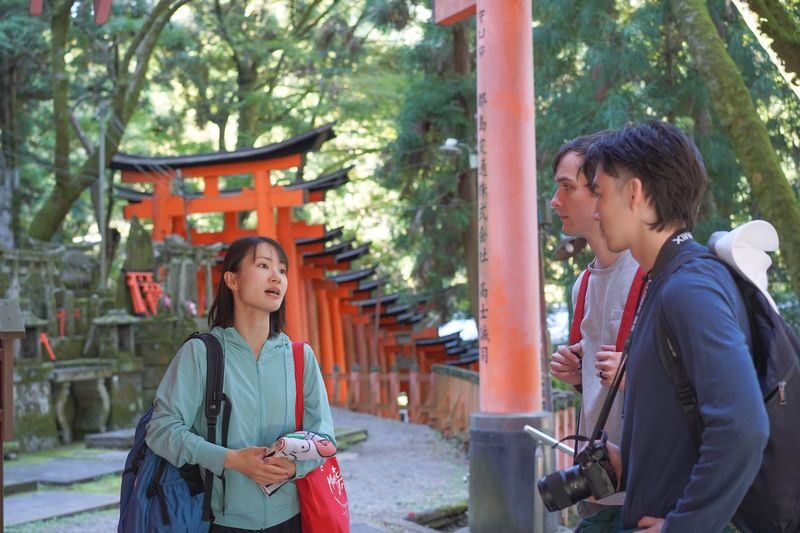 1 / 9
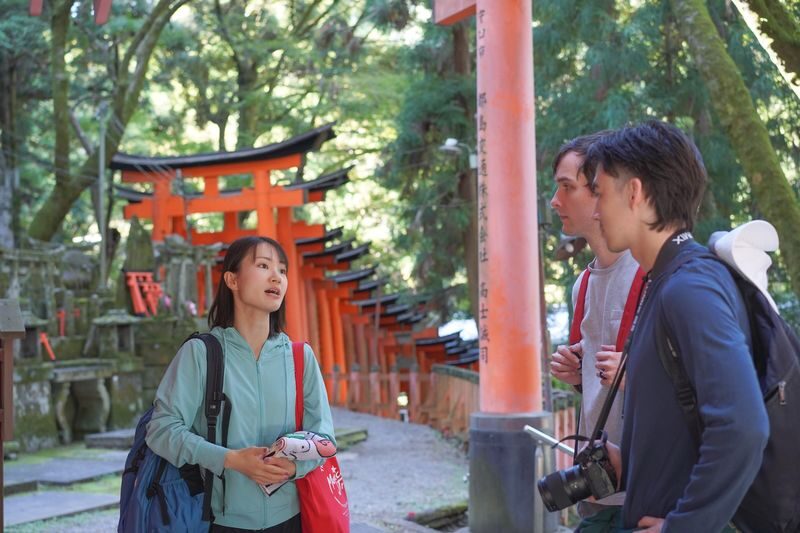 2 / 9
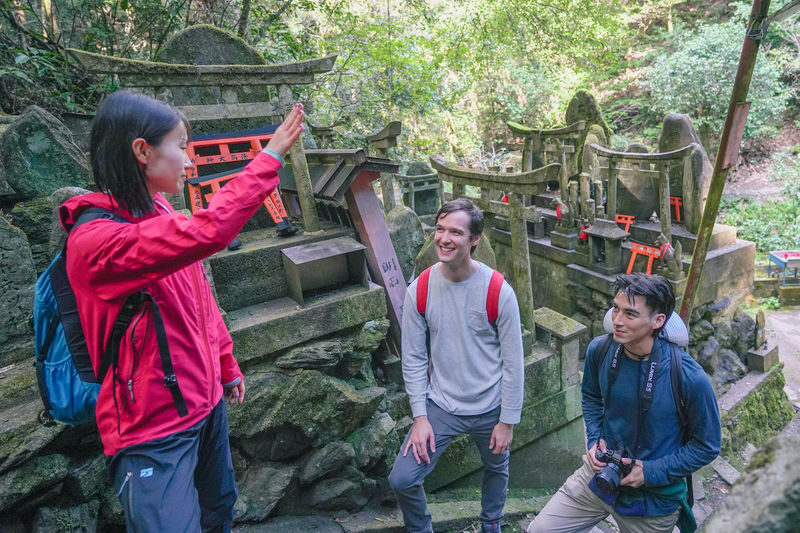 3 / 9
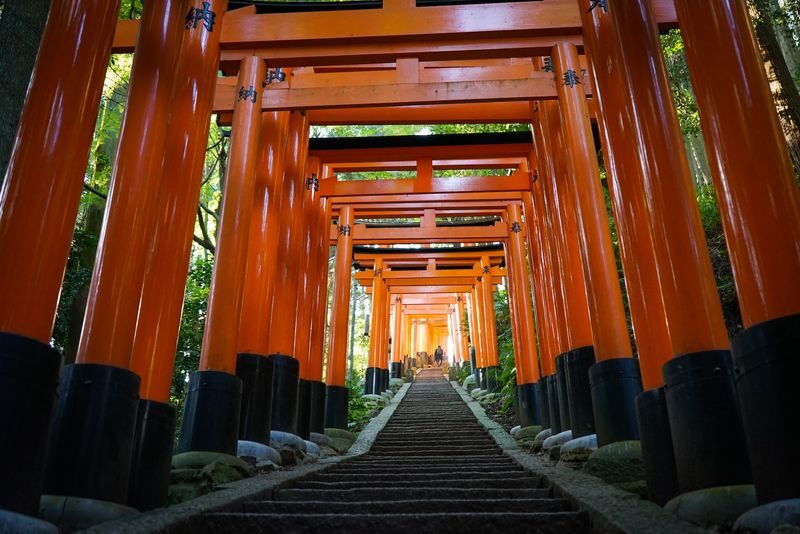 4 / 9
 5 / 9
 6 / 9
 7 / 9
 8 / 9
 9 / 9
- A quieter approach: Start by FamilyMart Nakai Tofukuji, outside Exit 2 of Tofukuji Station, rather than at Fushimi Inari’s crowded main entrance.
- Forest, bamboo, and shrines: The route leads through mountain trails, quiet bamboo groves, and smaller shrines.
- Torii gates without the main crush: You still see the famous red gates, with the quieter route offering better chances for unhurried photos.
- A proper hike: Plan for about 6 to 7 km in three hours, with uneven steps and some steep terrain.
- A guide adds context: Guides such as Momo, Yuka, Naru, Yukari, Hina, Moeka, Matt, and Nobu have led tours, sharing local insights and explaining Shinto.
- Come prepared: Wear grippy shoes, long sleeves, and long pants. In summer, bring a hat and sunglasses; a bottle of water is provided.

👉 See our pick of the 25 Best Workshops And Classes In Kyoto
Starting near Tofukuji, not the main shrine entrance
The meeting point is FamilyMart Nakai Tofukuji, beside Exit 2 of Tofukuji Station. It is in Higashiyama Ward, at 12-chome-232 Honmachi. You choose a departure time when booking: 9:00, 9:30, 10:00, or 13:00. The return is to the same place, with end times varying by departure.
That start matters. The tour aims to approach Fushimi Inari from quieter local trails rather than sending you straight into the busiest entrance area. You meet the guide and group, then set off on foot. There is no transport included, and the experience is built around walking.
Arrive on time. The tour starts promptly, and if you miss the group, you cannot join later, reschedule, or receive a refund. It is worth checking your route to the station in advance, especially if you are unfamiliar with Kyoto’s rail network.
You can also read our reviews of more hiking tours in Kyoto


A mountain path instead of a shrine queue
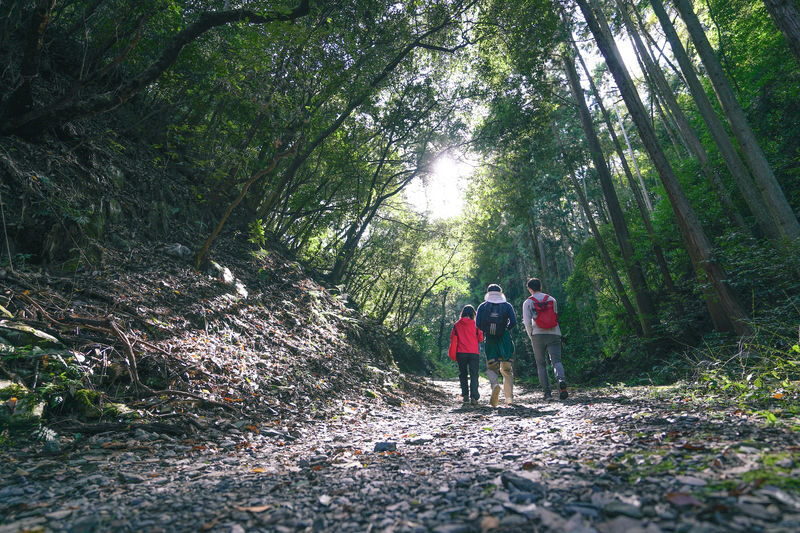
The heart of the tour is the change of pace. Fushimi Inari’s main route is known for its thousands of red torii gates, and it can draw a heavy stream of people. This hike heads through quieter forest paths and lesser-visited shrines, making the walk feel more like time in the hills than a quick landmark stop.
Expect uneven ground and some steep stretches. The tour’s distance is described as roughly 6 km in one place and about 7 km in the practical guidance, so it is sensible to prepare for the longer figure. Regular breaks are part of the walk, and the guide can make extra stops if needed, but that does not turn it into an easy route.
The trail’s character is part of the appeal. You move through forest, pass shrines, and reach bamboo groves that feel worlds away from the busy gate corridors. A local guide helps you notice more than the scenery, explaining Japanese animism and the spiritual importance of the area. The exact stories and stops can vary, but the guided format gives you a better chance to understand what you are seeing than a self-guided march with your phone map.
The torii gates, seen at a slower pace
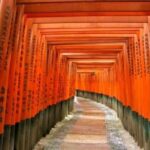
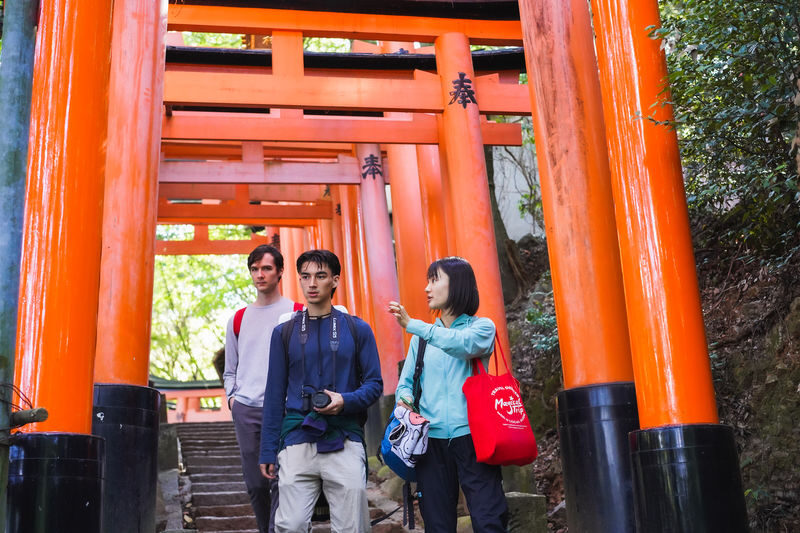
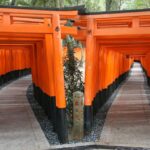
The red gates are the main draw for many people, and this tour does not skip them. The quieter approach can make it easier to pause and take photographs without a constant stream of people crossing the frame. It cannot promise an entirely empty trail, but the aim is to avoid the heaviest crowds by using a less-traveled route.
That difference is valuable if you want more than a quick snapshot. You can take in the gates as part of a longer mountain walk, alongside the shrines and wooded paths that give the site its wider context. Guides have also helped groups take photos along the way, though the pace and time at each stop depend on the schedule.
There is a practical limit here. This is a three-hour group tour, not a full-day visit with unlimited time to wander. One past participant wished for longer photo stops and more time to explore; that is a fair point to keep in mind if photography or quiet prayer is your priority. If you want to linger at every shrine or explore at your own pace, set aside extra time to visit independently before or after the hike.
Bamboo groves and small shrines
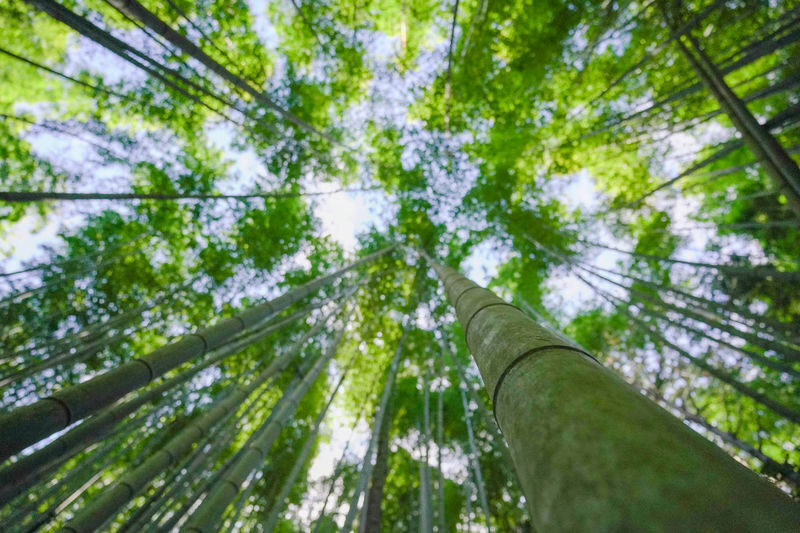
The bamboo sections are a welcome change from the torii gates. The green, close-growing stalks make a striking contrast with the red shrine architecture, and the forest trails help the route feel distinct from Kyoto’s more crowded urban sights. Some people describe the groves as Ghibli-like, but the appeal is simple: a quiet walk under bamboo, with fewer people around.
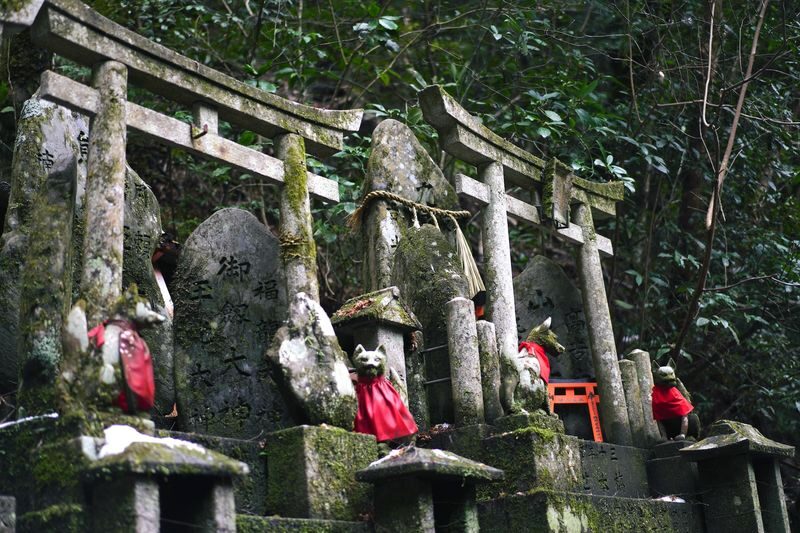
The smaller shrines add another layer to the outing. Your guide can explain how Shinto connects people, nature, and sacred places, including the local belief in spirits associated with the natural world. These details make the hike more than a scenic workout. You are not just passing a shrine; you get a sense of why it belongs in the forest and how it fits into local religious life.
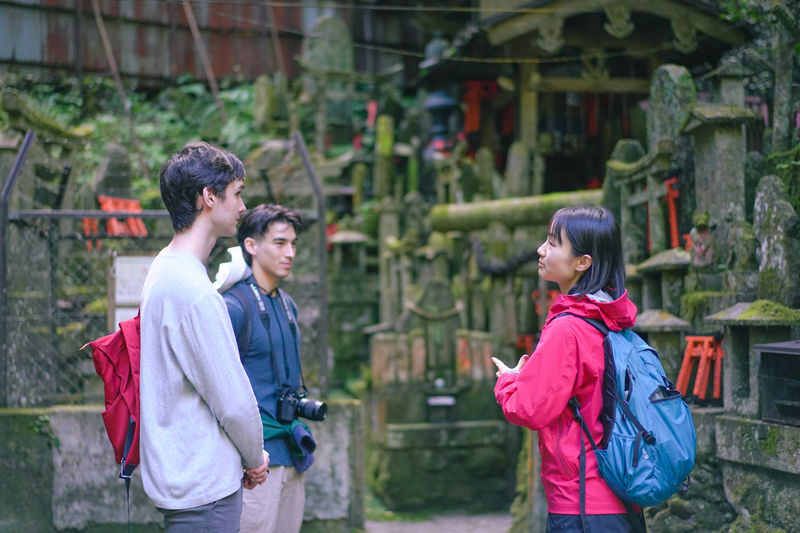
Do not expect a formal lecture at every stop. The walk is active, and the guide’s explanations happen along the way. If you have questions, ask them. Past guides including Naru, Yukari, Moeka, Matt, and Momo have been praised for answering questions, sharing local knowledge, and keeping the group comfortable. The specific guide is not guaranteed, but the experience is designed around having a local leader with you.
How demanding is the hike?
Take the physical warning seriously. The route is about 6 to 7 km, and the ground can be slippery, steep, or uneven. Past participants have specifically noted the effort involved and the uneven steps. You do not need to be an elite hiker, but you should be comfortable walking for several hours on rough terrain.
Good-grip shoes are essential. Avoid smooth-soled shoes, sandals, and anything you would not want to get muddy. Long sleeves and long pants are strongly recommended because the trail runs through the mountain, where mosquitoes and other bugs may be present. In hot, humid summer weather, bring a cap and sunglasses to help guard against heatstroke. A bottle of water is provided for each person, but you can bring additional water if you expect to need it.
The operator does not recommend this activity for people with mobility problems, heart disease, or pregnancy. Wheelchairs and strollers cannot manage the route, and pets are not allowed. Children aged 0 to 3 can join free, while anyone under 8 needs parental permission before booking. If you have trouble walking, the tour’s guidance recommends considering a private tour instead.
Rain changes the equation. Heavy rain can make the trail slippery and dangerous, and the guide may switch to the main Fushimi Inari sightseeing route for safety. A typhoon or other disaster can lead to cancellation. The route is not worth taking risks for; a safer alternative is the right call on a wet day.




Is $68.10 good value?
At a starting price of $68.10, you are paying for a local guide and a planned route through a place where crowds can make independent exploring feel less peaceful. The value is strongest if you want someone to lead the way, explain the shrines, and help you find quieter paths. You also get a three-hour outdoor activity that combines culture, scenery, and exercise.
It is less compelling if you are happy to explore alone, have plenty of time, and do not mind navigating the site yourself. One past participant felt the route could be followed without a guide and wanted more time at the stops. That is a useful reminder: the price buys structure and context, not a private visit or an extended day on the mountain.
I would see this as a worthwhile choice for a curious walker who wants a guided, quieter introduction to Fushimi Inari. If your main goal is simply to see the gates, you can visit without a tour. If you want the back trails and local explanations, the guide is the point.
Choosing your departure and planning the day
Tours leave at 9:00, 9:30, 10:00, or 13:00, with return times that depend on the selected start and the itinerary. The morning options let you finish around midday, while the afternoon departure returns later. Choose the timing that fits your energy and the rest of your Kyoto plans, and remember that the group returns to the original meeting point.
The published duration is three hours. Treat that as a guided hike, not a promise of extra time at the shrine after the walk. If you want to explore the main grounds more fully, allow time before or afterward. The tour’s purpose is to escape the busiest paths for a while, not to give you an entire day at Fushimi Inari.
This is also a useful way to see a different side of Kyoto. The city’s famous temples and streets can keep you on paved ground and in crowds. Here, you trade some flexibility for a guide and a route that takes you into the wooded hills. Bring a little stamina, and the change of scene can be a welcome reset.
Should you book this Fushimi Inari hike?
Book it if you enjoy walking, want to avoid the heaviest crowds, and would value a local guide’s explanations of the shrines and Shinto beliefs. The best parts are the forest trails, bamboo groves, and the chance to see the torii gates at a calmer pace. It is a strong fit for people who want a cultural outing that also feels like a hike.
Skip it if you need step-free access, are pregnant, have a heart condition or mobility issue, or simply want a short, easy photo stop. Also think twice if you prefer to set your own pace and spend as long as you like at each shrine. For everyone else, good shoes and a realistic view of the distance will go a long way toward making this a satisfying Kyoto morning or afternoon.
Fushimi Inari Hidden Hiking Tour: Escape the Crowds
“Great hike away from the tourist crowds, through nature. Matt was an excellent guide who explained a lot along the way and at the shrines we visited.”
FAQ
Where does the tour meet?
Meet outside Exit 2 of Tofukuji Station, next to FamilyMart Nakai Tofukuji, at 12-chome-232 Honmachi in Higashiyama Ward, Kyoto.
How long is the tour?
The tour is described as three hours. The return time depends on the departure time and the itinerary.
How far do you hike?
Plan for about 6 to 7 km in total. The route is not a simple walk and includes uneven and steep sections.
What departure times are available?
You can choose 9:00, 9:30, 10:00, or 13:00 when booking. Available return times vary with your selected departure.
Is the tour suitable for beginners?
It is not described as an easy stroll. You should be comfortable walking several kilometers on uneven ground, and the tour is not recommended for people with walking or mobility problems.
What should I wear?
Wear shoes with good grip, along with long sleeves and long pants to help protect against bugs. In hot, humid summer weather, bring a hat and sunglasses.
Is water included?
One bottle of water is provided for each person. You can bring extra water, especially in summer.
Can I bring a stroller or use a wheelchair?
No. The route includes places that are not accessible by wheelchair or stroller.
Can pregnant people join?
No. Pregnant women may not participate.
What happens if heavy rain makes the trail unsafe?
The route may change from the hidden hiking trail to the main Fushimi Inari Taisha sightseeing route for safety. In the event of a disaster such as a typhoon, the tour may be canceled.