Toyokawa Inari’s thousand stone foxes set the tone for a day that moves from sacred grounds to a miso-making cellar and a gorge lined with maple trees. You’ll see three very different sides of Aichi without having to piece together remote stops by public transport.
I like the mix of hands-on food culture and outdoor scenery, and the way an English-speaking guide can give context at places that are more than pretty backdrops. Korankei’s more than 4,000 maples are the main draw in autumn, but the route also has appeal outside leaf season.
The trade-off is a long day on the road, with about four hours of bus travel and a good deal of walking and stairs. Meals are not included, so leave room in your budget for lunch and snacks.
At a glance
- Toyokawa Inari: See the shrine and its thousand stone foxes on a guided visit.
- Hatcho miso: Learn how miso is made at a producer with roots reaching back centuries, then sample it.
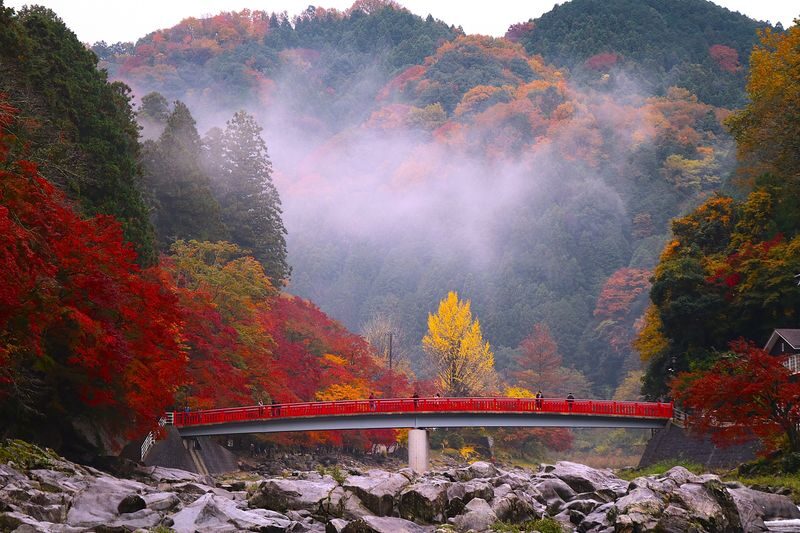
- Korankei Gorge: Walk among more than 4,000 maple trees, especially striking in mid to late November.
- Rural crafts: Visit Sanshu Asuke Yashiki, an open-air village museum where traditional crafts are kept alive.
- A full day out: Depart Nagoya at 9:00 a.m. and return around 6:00 p.m., traffic permitting.
- At a glance
- A full day from Nagoya, with three distinct stops
- Toyokawa Inari and its fox-filled grounds
- A taste of Hatcho miso at a historic maker
- Korankei Gorge, with time for maples and village crafts
- What the 4.79 starting price includes
- The practical details that can make the day easier
- Who will get the most from this Aichi day trip
- Should you book it?
- FAQ
- How long is the tour?
- Where does the tour meet?
- Is lunch included?
- When is Korankei’s autumn foliage usually at its best?
- Is the tour suitable for wheelchair users?
- What is included in the price?
- More Tours in Aichi
- More Tour Reviews in Aichi
A full day from Nagoya, with three distinct stops
 1 / 8
 2 / 8
 3 / 8
 4 / 8
 5 / 8
 6 / 8
 7 / 8
 8 / 8
This tour links sites that are spread across Aichi, making transport one of its strongest practical advantages. You leave from Nagoya Station by bus, travel with an English-speaking guide, and return to the same station in the evening.
The schedule gives you a taste of each stop rather than a long stay at any one place. That suits visitors who want variety and context in one day, but it is less suitable if you prefer slow visits or want to spend several hours hiking around Korankei.
The two customer accounts available describe guide Kim as engaging, with explanations that added stories and historical context. One also praised the pace and the careful driving, and found the small group that day especially relaxed. Group size can vary, so treat the private-tour feel as a possibility, not a promise.
Toyokawa Inari and its fox-filled grounds
The first stop is Toyokawa Inari, also known as Myogon-ji Temple. It is introduced as one of Japan’s three major Inari sites, alongside Fushimi Inari Taisha in Kyoto and Yutoku Inari Shrine in Saga. The guided visit lasts 45 minutes, enough to see the shrine grounds and learn why fox imagery is so closely tied to Inari worship.
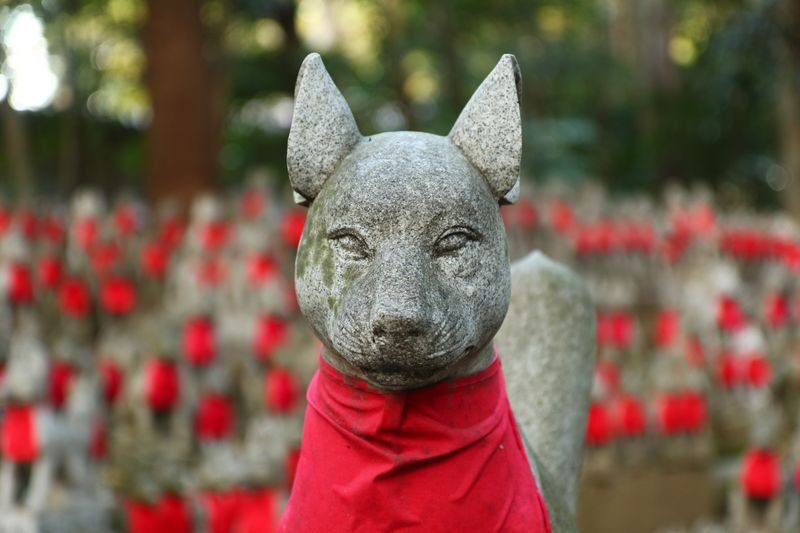
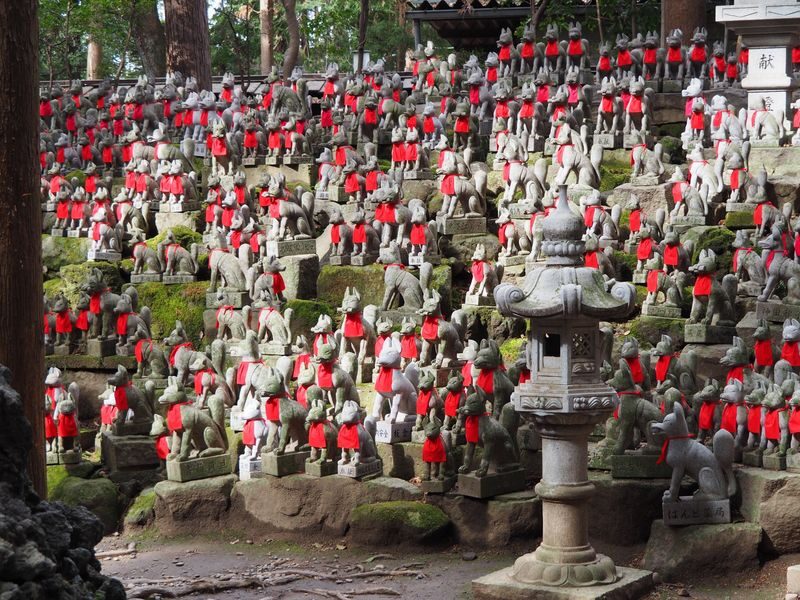
The thousand stone foxes are the headline sight. Their numbers give the grounds a memorable, slightly otherworldly character, and the repeated figures make this a rewarding stop for photographers. Your guide can help turn the visit from a quick photo opportunity into a more meaningful look at the stories and beliefs connected to the site.
After the guided portion, you have 15 minutes to explore Toyokawa’s Omotesando shopping street on your own. It is a short window, so think of it as time for a quick browse or souvenir rather than a leisurely meal or extended shopping. If something catches your eye, keep an eye on the clock: the group continues by bus.
A taste of Hatcho miso at a historic maker
The next stop is Hatcho Miso no Sato, where a 30-minute guided visit explains how miso is made. The producer’s roots reach back to the 1300s, and the factory is described as operating since the era of Tokugawa Ieyasu. That long continuity gives the visit a welcome sense of place: this is not just a generic food demonstration, but a look at a product closely tied to the Nagoya region’s bold cooking.
The guide explains the process as you go through the factory, then you have a chance to taste the miso. The tasting is the useful part for anyone who knows miso mostly from soup. You can get a better sense of its strong, savory character and why it shows up in local dishes.
A 45-minute lunch break follows, with time to eat and shop. Lunch and beverages are not included in the tour price, so plan to pay separately. The shop sells miso-based products such as miso ramen, miso beer and miso popcorn. Those unusual items make fun souvenirs, though you may want to check what is practical to carry home before buying.
The timing is efficient, not indulgent. You get a guided introduction, a taste and some free time, but not a long cooking class or a full meal centered on miso. For food-minded visitors, it is a worthwhile stop because it connects a local flavor to the place and its methods.
Korankei Gorge, with time for maples and village crafts
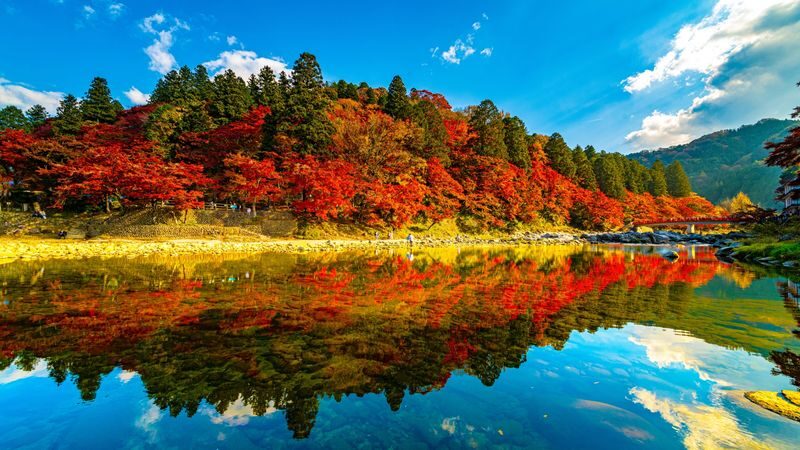
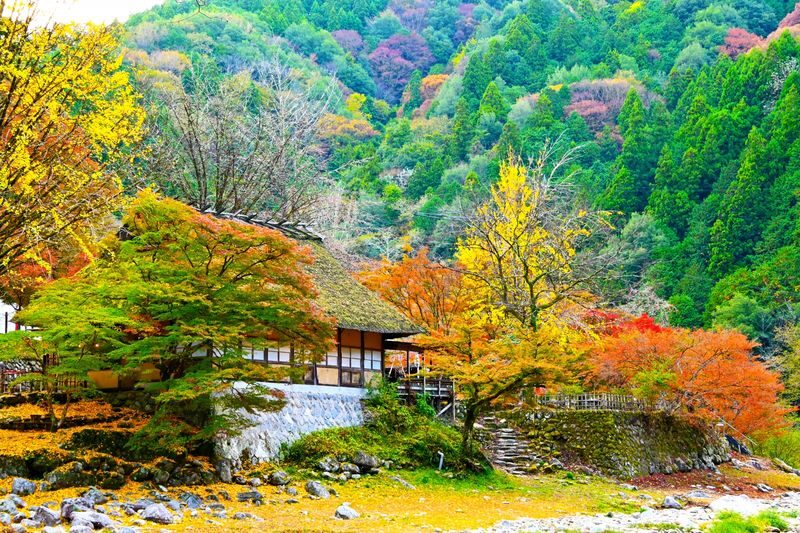
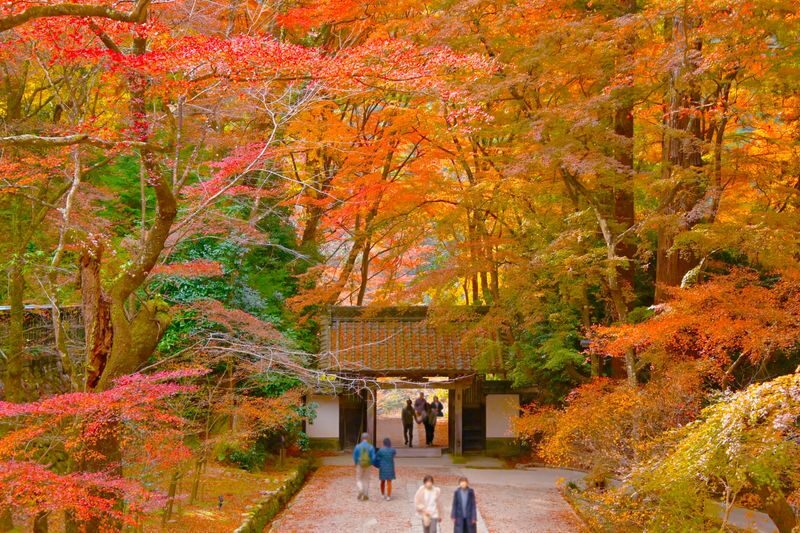
Korankei gets the longest stop of the day, at two hours, and it is the part most likely to shape your choice of season. More than 4,000 Japanese maple trees fill the area, making the gorge one of the country’s best-known autumn foliage destinations. The peak display is typically in mid to late November, when the leaves turn red and gold.
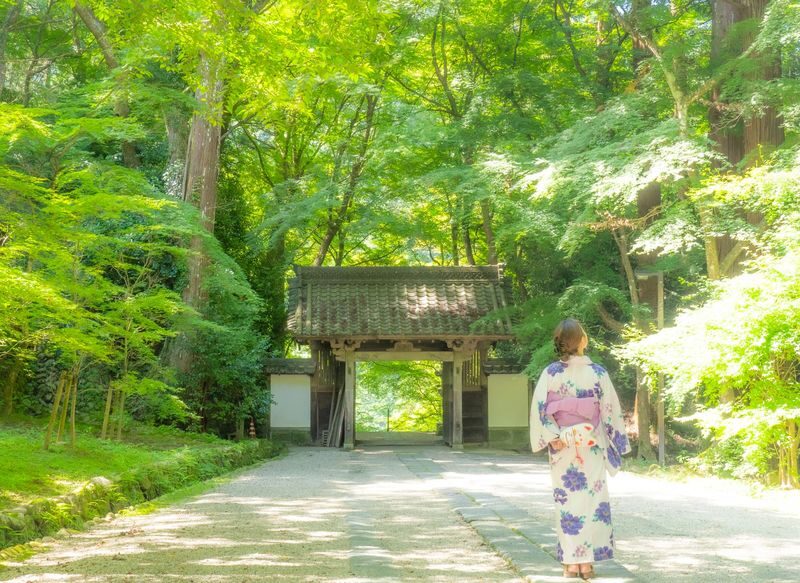
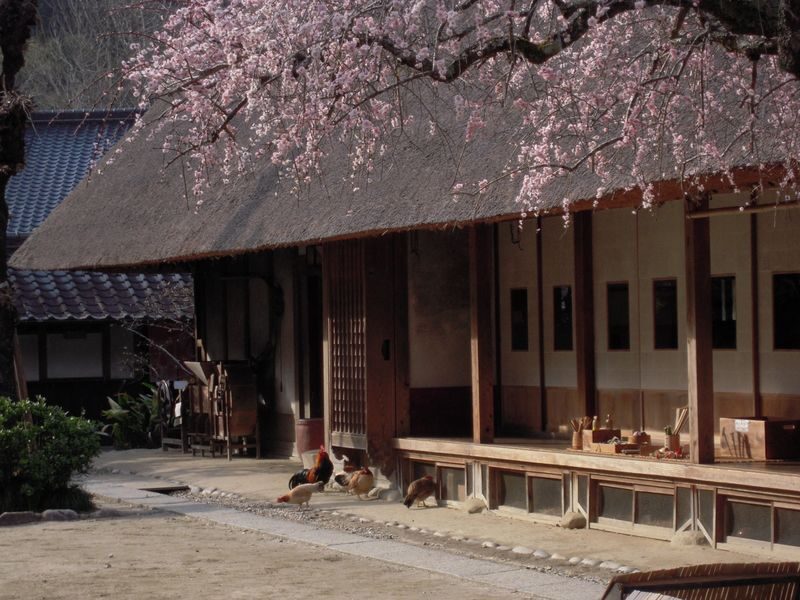
Your guide leads the walk, giving the scenery some context as you go. The visit also includes Sanshu Asuke Yashiki, an open-air museum village where local craftspeople work to keep traditional skills alive. It adds a human dimension to the natural setting: instead of seeing only trees and a river gorge, you get a glimpse of rural life and craft traditions.
Two hours is useful time, but it is not a full day in Korankei. During peak foliage, the area’s popularity may make the visit feel busier, and the tour’s schedule still has to keep moving. If your main goal is photography, you will have appealing subjects, but you may need to choose between lingering over a view and seeing more of the village.
Autumn is the headline season, not the only reason to go. The tour information notes wildflowers in spring, green foliage in summer and snowy scenery in winter. The look and feel will change with the weather and season, so bring clothes suited to the day rather than counting on a particular view.
What the $184.79 starting price includes
At a starting price of $184.79, the main value is having transport, an English-speaking guide and admission to the attractions bundled into a single day. The stops are outside central Nagoya, and arranging them independently would mean planning several transfers and keeping a close watch on connections. A tour bus removes much of that work.
The guide is also part of the value. Toyokawa’s foxes, Hatcho miso production and Asuke’s craft traditions each make more sense with some explanation. One guest specifically praised Kim’s lively accounts of the places, while another noted that the day felt well paced. Guides may vary, but an English-speaking guide is included.
The price does not cover meals, beverages, accommodation or personal purchases. Budget separately for lunch and anything you want from the shopping street or miso shop. Admission is included, which helps keep the extra costs clear.
This is a better fit for someone who values variety and convenience than for someone seeking a cheap foliage shuttle or a deep, unhurried visit to one site. You pay for a full day with several stops and guided context. If Korankei alone is your priority, compare it with a shorter seasonal outing before booking.
The practical details that can make the day easier
The tour leaves at 9:00 a.m. from the Silver Clock at Nagoya Station and asks you to arrive 15 minutes early. The meeting point is inside the station near the Taiko-Dori exit, outside the Shinkansen gates. From the Shinkansen, the clock should be in front of you as you exit; from JR lines, follow signs for Taiko-Dori. If you enter from the Sakura-Dori side, walk through the station toward Taiko-Dori. Look for a guide holding a Snow Monkey Resorts sign.
Nagoya Station is large and can be crowded, so arrive with time to spare. Late arrivals and no-shows are not refundable. The tour returns to Nagoya Station at about 6:00 p.m., but traffic can delay the finish, so avoid scheduling a tight connection or evening reservation.
Expect considerable walking and stairs. Comfortable walking shoes are a must, and the activity is not wheelchair-accessible. Bring water and cash, and dress for the day’s weather. Infants and children must be included in the passenger count; children aged 0 to 5 go free, while those aged 13 and older pay the adult rate.
Who will get the most from this Aichi day trip
I’d consider this tour if you want to see more than one side of Aichi without renting a car or planning a complicated route. It suits photographers, especially in autumn, but it also has enough food and cultural stops to hold the interest of people who would rather learn about regional traditions than spend the whole day chasing foliage.
It is also a sensible choice for first-time visitors to the area. A guide can connect the fox shrine, the miso maker and the craft village, while the bus makes the remote locations manageable. The reported guide Kim’s engaging style is a plus if she is leading your date, but the guide assigned to your tour is not guaranteed.
I’d think twice if you have limited stamina, need wheelchair access, or want long stretches of free time. The pace is structured, the walks are substantial, and Korankei gets two hours rather than an open-ended visit. Weather and traffic can also affect the day, so keep expectations flexible.
Should you book it?
Book this if you want a guided, varied day from Nagoya, with an unusual shrine, a real food-production stop and a major maple destination in one package. The combination is more distinctive than a foliage-only outing, and the included transport and admissions make the price easier to justify.
Skip it if you would rather spend a whole day at Korankei, move at your own pace or avoid a long bus ride. For the right visitor, the strongest reason to go is the contrast: stone foxes in the morning, savory miso at midday and a wooded gorge in the afternoon.
From Nagoya: Korankei Gorge &Toyokawa Inari
“Our guide for the day was the effervescent Kim and we were the only group that day so it felt like a private tour! The tour was paced well and neve…”
FAQ
How long is the tour?
It departs Nagoya at 9:00 a.m. and is scheduled to return around 6:00 p.m. Traffic may delay the return.
Where does the tour meet?
Meet at the Silver Clock inside Nagoya Station, near the Taiko-Dori exit. Arrive 15 minutes before departure and look for a guide holding a Snow Monkey Resorts sign.
Is lunch included?
No. Meals and beverages are not included. There is a 45-minute lunch break after the miso factory visit, and you can also shop for miso products.
When is Korankei’s autumn foliage usually at its best?
The foliage typically reaches its peak in mid to late November. Korankei can also be visited in other seasons, when the scenery changes.
Is the tour suitable for wheelchair users?
No. The activity is not wheelchair-accessible and involves considerable walking and stairs.
What is included in the price?
Admission to the attractions, transport and an English-speaking guide are included. Meals, beverages, accommodation and personal expenses are not.