- Introducing the Kailash Mansarovar Yatra Tour
- Good To Know
- The Complete Breakdown of the Journey
- Starting from Kathmandu: Gateway to Tibet
- Crossing the Nepal-China Border: From Kyirung to Gyirong
- Heading Toward the Sacred Lake and Mount Kailash
- Lake Mansarovar and the Kailash Parikrama
- The Challenge of Dolma La Pass and High-Altitude Trekking
- Returning via Saga and Gyirong
- Final Return to Kathmandu
- Transportation and Logistics: What to Expect
- Accommodations: Comfort in Remote Settings
- Meals and Food
- Cost Analysis and Value
- Who Should Consider This Tour?
- Final Thoughts
- FAQ
- The Best Of Kathmandu!
- More Tour Reviews in Kathmandu
- Not for you? Here's more nearby things to do in Kathmandu we have reviewed
Introducing the Kailash Mansarovar Yatra Tour
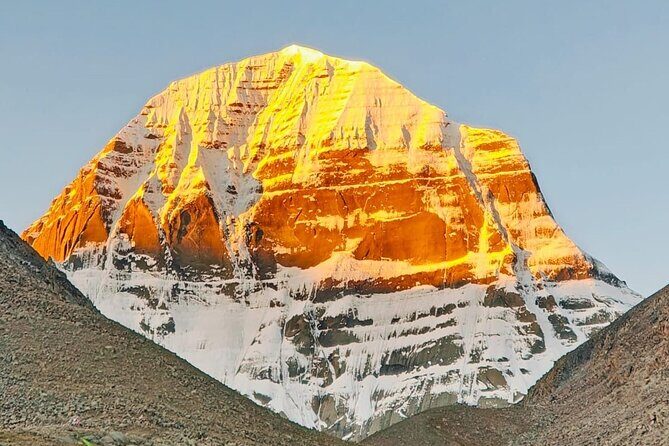
If you’re dreaming of a pilgrimage that combines breathtaking landscapes with deep spiritual significance, this Kailash Mansarovar Yatra from Kathmandu might just be your ideal adventure. This 13-day journey offers a rare chance to walk in the footsteps of ancient pilgrims, crossing high mountain passes, visiting sacred lakes, and exploring remote Tibetan monasteries. While it’s not a casual vacation—it demands physical effort and a spirit of adventure—it promises an experience that many find transformative.
What we appreciate most about this tour is its focus on authenticity and comfort. You’ll get expert guidance, well-organized logistics, and the chance to witness some of the most iconic sites of Tibetan Buddhism. The opportunity to dip in Lake Mansarovar, circumnavigate Mount Kailash, and cross the legendary Dolma La Pass is truly captivating. That said, the high-altitude trek and long travel hours (up to 18 hours in some days) are a significant consideration. This tour suits those in good physical condition, with a love for adventure and spiritual exploration, ready for a challenge.
👉 See our pick of the 14 Best Shopping Tours In Kathmandu
Good To Know

- Authentic spiritual experience with expert Tibetan guides
- Comprehensive itinerary covering Kailash Parikrama, Mansarovar Lake, and high mountain passes
- Comfortable accommodations despite remote locations
- All-inclusive package with meals, permits, and transfers
- Physical demands due to long travel days and high-altitude trekking
- Cultural immersion in Tibetan monasteries and local towns
You can also read our reviews of more tours and experiences in Kathmandu.

The Complete Breakdown of the Journey
Starting from Kathmandu: Gateway to Tibet
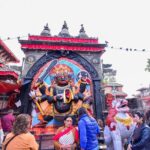
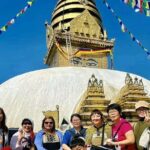
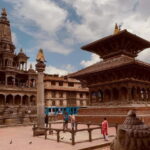
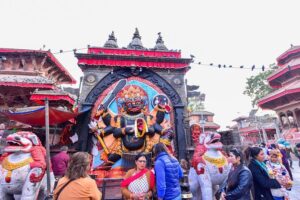
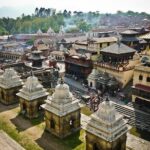
The tour begins in Kathmandu, where your journey is kicked off with a brief city sightseeing tour. Visiting landmarks like Pashupatinath Temple and Boudhanath Stupa, you get a taste of Nepal’s spiritual pulse before heading toward Tibet. The evening briefing helps set expectations, clarify logistics, and introduce you to your guides, which many reviewers found reassuring. The private pickup service from the airport adds a touch of convenience after a potentially long flight.
Crossing the Nepal-China Border: From Kyirung to Gyirong
Your first big step is the drive from Kathmandu to Kyirung, Tibet’s border town. It’s a 5-6 hour drive covering around 145 km, so be prepared for a long day. The route offers glimpses into rural Nepal and Tibetan landscapes, with some travelers noting the scenic mountain vistas. Once at Kyirung, you’ll go through immigration formalities, which are smooth if all documentation is in order, according to reviews. The overnight stay at the Himalayan Guest House marks the start of Tibetan culture.
The next day, you’ll cross into Gyirong Town, about an hour’s drive away. This section is relatively brief but marks a significant transition into Tibetan territory. Gyirong feels like a step back in time—small, peaceful, and filled with local markets and Tibetan life. Reviews mention that the accommodation is basic but comfortable, and the town provides an authentic glimpse into Tibetan village life.
Heading Toward the Sacred Lake and Mount Kailash
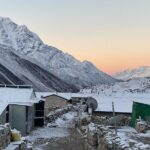
From Gyirong, the journey continues across the vast Tibetan plateau to Saga County. The drive here is approximately 6-7 hours covering over 270 km, a long but scenic route along the Brahmaputra River. Saga is a remote town where you’ll spend the night before the most spiritually significant part of the trip.
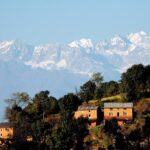
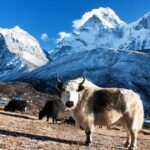
The highlight of this section is arriving at Lake Mansarovar, one of the world’s most revered lakes. The drive takes 8-9 hours, passing rugged landscapes and high-altitude plains. Many travelers find the sight of Lake Mansarovar stunning—its vastness, serenity, and the reflection of surrounding peaks create a powerful atmosphere. Once there, you’ll stay at a guesthouse, with some reviews praising the simple comforts amid the remote wilderness.
Lake Mansarovar and the Kailash Parikrama
Starting with a holy bath and puja, pilgrims traditionally seek spiritual cleansing at Lake Mansarovar. The parikrama (circumambulation) is done by vehicle, covering about 102 km around the lake. This ritual is considered essential and deeply moving, especially for those witnessing its vast, mirror-like surface against the backdrop of snow-capped mountains.
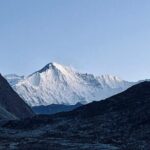
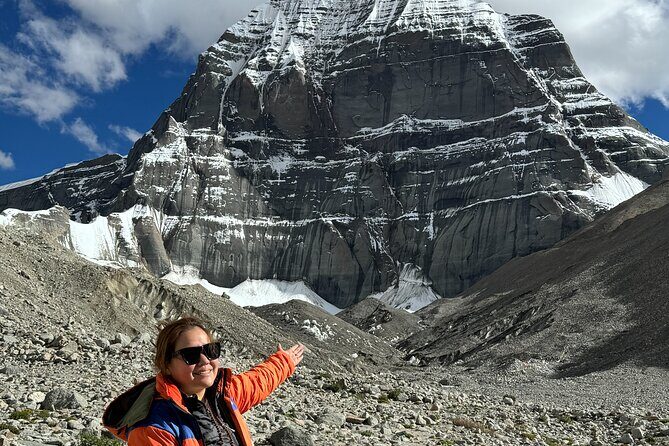
The trek begins from Darchen, the village that acts as the base for Kailash expeditions. The trek from Darchen to Dirapuk Monastery is approximately 12 km, taking 7-8 hours. As you walk, you’ll cross the west face of Mount Kailash, a sight that many describe as awe-inspiring. The trail is demanding but well worth it for the spiritual fulfillment.
The Challenge of Dolma La Pass and High-Altitude Trekking
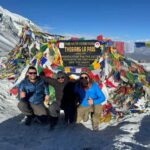
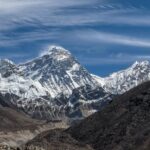
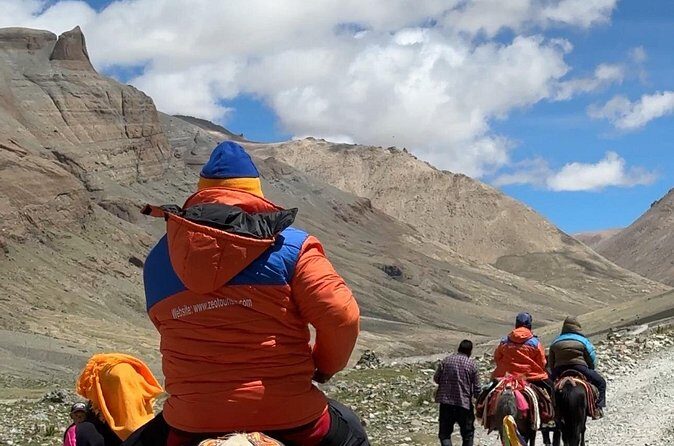
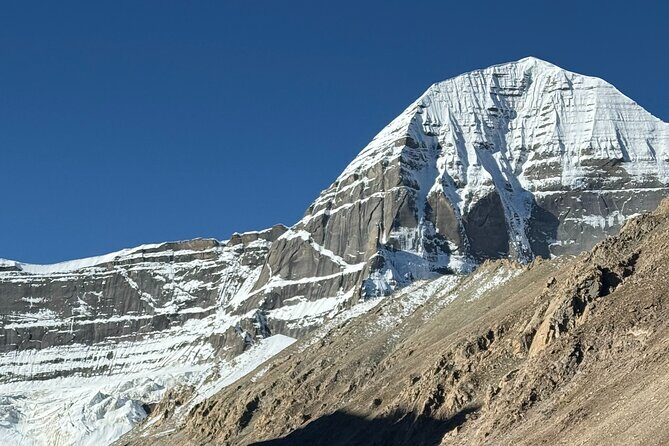
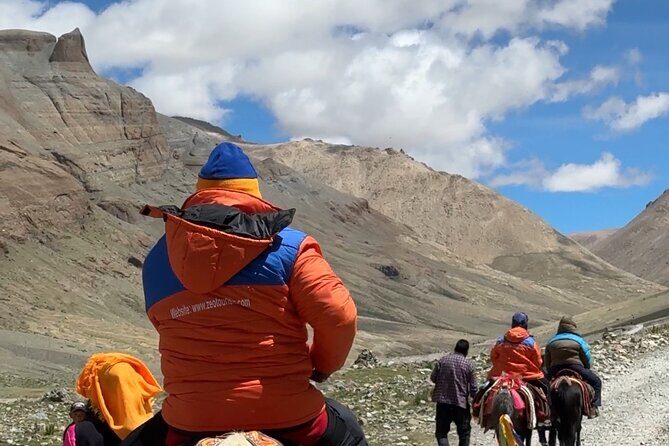
The most challenging section is crossing Dolma La Pass at 5,630 meters (about 18,471 feet). Trekking up to this height requires acclimatization and resilience, but many reviewers emphasize how well they were supported by guides and porters. The descent into Zutaphuk is steep and strenuous, often taking around 12 hours of trekking. The views are breathtaking—cliffs, glaciers, and the mountain’s north face dominate the landscape.
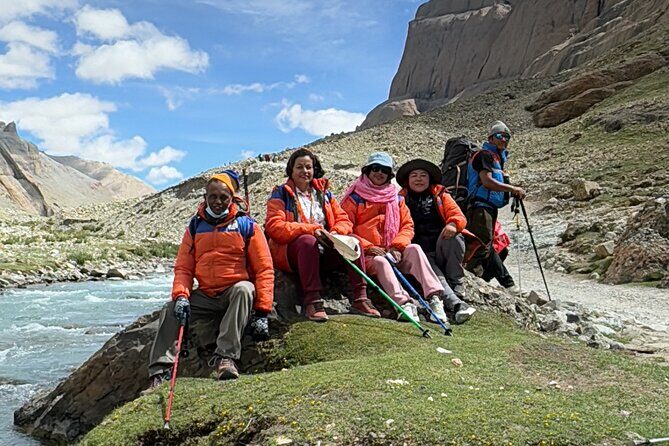
Travelers describe the trek as physically demanding, requiring moderate fitness, but also highlight the camaraderie and spiritual lift that come with completing such a feat. Some mention that the guides and support staff are experienced and attentive, which helps mitigate the difficulty.
Returning via Saga and Gyirong
After completing the trek, you’ll retrace your steps back to Saga and Gyirong, allowing for some rest and recovery. The drive involves long hours but offers a chance to reflect on the journey and absorb the tranquility of Tibetan highlands. The return to Gyirong marks the end of the Tibet portion, before crossing back into Nepal.
Final Return to Kathmandu
The last day is dedicated to returning to Kathmandu, crossing border formalities, and enjoying a comfortable overnight stay. The tour concludes with a certificate of participation, a keepsake of this extraordinary adventure.
Transportation and Logistics: What to Expect
Most of the travel involves private air-conditioned vehicles suitable for long drives and rough roads. Expect a mix of comfort and adventure—roads in Tibet can be bumpy, but the vehicles are well-maintained. The tour is designed to minimize discomfort, but you should prepare for long days of sitting (up to 18 hours on some days).
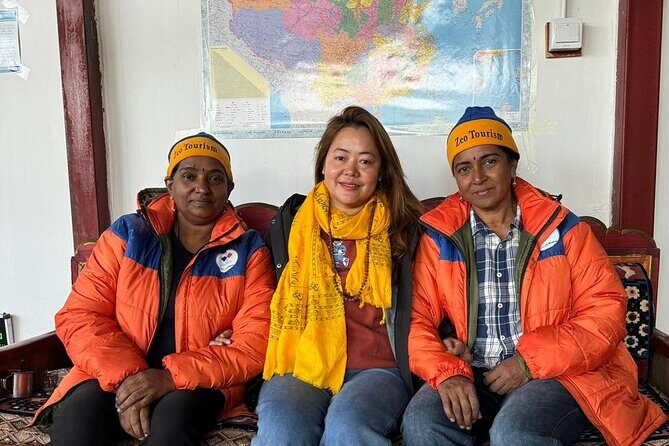
Group size is private, making the experience more personalized. The guides are highly qualified and knowledgeable about Tibetan customs and geography, which enhances the overall journey. The permits and visas are handled professionally, streamlining what could otherwise be a logistical headache.
Accommodations: Comfort in Remote Settings
Most nights are spent at guesthouses or basic hotels, often with shared facilities. Despite the simplicity, reviews report that the accommodations are clean and adequate, considering the remote locations. The focus is on safety and functionality, with some travelers appreciating the culture over luxury.
Meals and Food
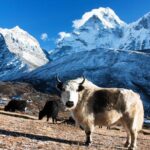
Meals are included and consist of breakfast, lunch, and dinner. Tibetan cuisine—moments of yak meat, local vegetables, and hearty soups—adds flavor to the experience. Many find the food satisfying, and special dietary needs can be communicated in advance.
Cost Analysis and Value
Priced at $3,250 per person, this tour offers comprehensive inclusions: permits, guides, accommodations, meals, and transfers. While the price may seem steep, it reflects the complexity of organizing a high-altitude spiritual journey with expert support. The inclusion of permits, official guides, and the culture justifies the cost for those serious about the pilgrimage.
The value also lies in the safety and organization, particularly given the high-altitude trekking and border crossings involved. Some travelers mention that having professionals handle logistics is a relief, especially when navigating Tibetan bureaucracy.
Who Should Consider This Tour?
This Kailash Mansarovar Yatra is best suited for adventurous, physically capable travelers with an interest in spiritual practices or cultural exploration. It’s ideal for those who want a guided, well-organized experience that minimizes hassle but still offers authentic, raw landscapes and profound moments. It’s not for those with mobility issues or who prefer a leisurely vacation—this journey demands endurance and commitment.
Final Thoughts
Choosing this tour means opting for a high-altitude adventure filled with spiritual significance, stunning scenery, and cultural discovery. The logistics are well-managed, and the guides are experienced, making the demanding journey more accessible. While the physical challenge is real, the rewards—unveiling ancient monasteries, witnessing sacred lakes, and circling mystical mountains—are priceless.
If you crave a meaningful pilgrimage, are prepared for long travel days, and seek a journey that will test your resilience while uplifting your spirit, this Kailash Mansarovar Yatra ticks all the boxes.
FAQ
What is included in the tour price?
The price covers all permits, guides, accommodations, meals (breakfast, lunch, dinner), transfers, border formalities, and entrance fees where specified.
Is the tour suitable for beginners?
While the tour is accessible with proper physical preparation, the high-altitude treks and long travel hours mean it’s better suited for those with moderate fitness levels and some trekking experience.
How physically demanding is the trek?
The trek involves walking up to 12 km in a single day and crossing Dolma La Pass at 5,630 meters, so good endurance and acclimatization are recommended.
Are meals included?
Yes. The tour provides breakfast, lunch, and dinner at most locations, focusing on local Tibetan cuisine.
What is the accommodation like?
Accommodations are basic but comfortable, with a focus on safety and cultural authenticity. Expect guesthouses and simple hotels in remote areas.
How is the transportation arranged?
Travel is via private, air-conditioned vehicles suitable for rugged roads, with long drives between key destinations.
Can I cancel if my plans change?
Yes. You can cancel up to 6 days before the tour for a full refund. Cancellations less than that may incur fees, and no refunds are available within 2 days of the start.
What if I have dietary restrictions?
Special dietary needs can typically be accommodated by informing the tour provider in advance.
Who is this tour best suited for?
Adventurers, spiritual seekers, and culturally curious travelers who are physically fit and ready for a high-altitude, long-duration journey.
This detailed look at the Kailash Mansarovar Yatra highlights what makes it a once-in-a-lifetime experience—and what you need to consider to make the most of it. Whether you’re after a spiritual awakening or a rugged mountain adventure, this tour aims to deliver both with safety and authenticity.