Embarking on a trek to Annapurna Base Camp (ABC) is one of those bucket-list adventures many travelers dream of. This particular 9-day guided journey promises not only the thrill of reaching the iconic base camp but also the chance to witness some of the best mountain views in Nepal — all while enjoying comfortable accommodations and expert guidance.
What makes this trek stand out? First, the chance to see the spectacular sunrise over Poon Hill, second, the opportunity to marvel at the majestic Annapurna range up close, and third, its well-thought-out route that balances challenging days with scenic breaks.
One thing to keep in mind: the trek involves some challenging terrains and high altitudes, so a good level of physical fitness is recommended. It’s perfect for travelers who want a guided, safe, and immersive Himalayan experience, but it might not suit those seeking a totally solo or ultra-light adventure.
- Good To Know
- An In-Depth Look at the Trek
- Starting Point: Pokhara and the Scenic Drive to Nayapul
- Day 2: The Steep Climb to Ghorepani
- Day 3: Sunrise at Poon Hill and Descend to Chuile
- Days 4-6: Trekking Through Forests to the Base of the Mountains
- Day 7: Retracing Steps Back to Bamboo
- Day 8: Relaxing at Jhinu Danda Hot Springs
- Day 9: Return to Pokhara
- What’s Included and What to Expect
- Transportation & Group Size
- Accommodations & Meals
- Guides & Support
- Practical Tips for the Trekker
- Final Thoughts
- FAQ
- The Best Of Pokhara!
- More Hiking & Trekking Tours in Pokhara
- More Guided Tours in Pokhara
- More Tour Reviews in Pokhara
- Not for you? Here's more nearby things to do in Pokhara we have reviewed
Good To Know
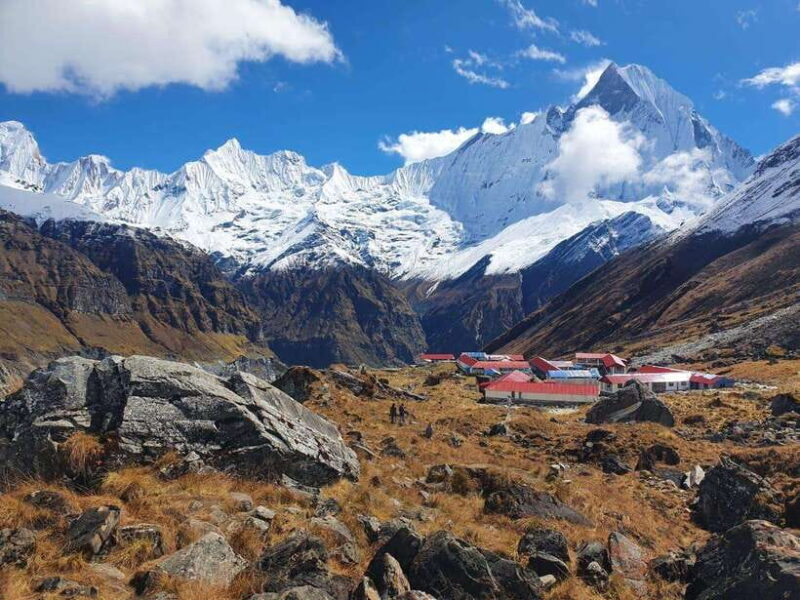
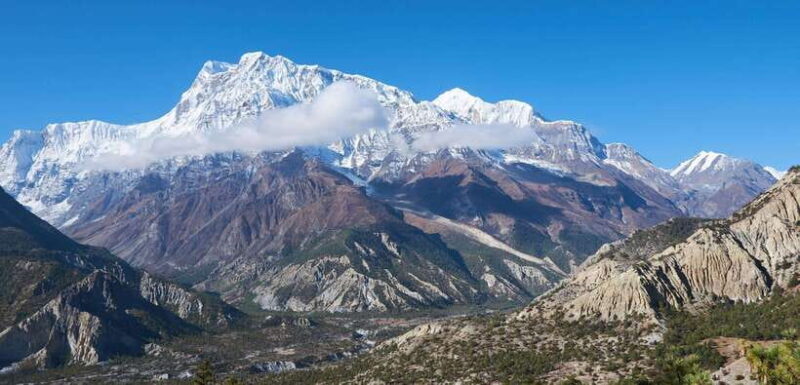
- Incredible Mountain Views: Expect breathtaking vistas of the Annapurna range and Annapurna South.
- Cultural Experience: Pass through charming villages and forests, experiencing local customs and lifestyle.
- Sunrise at Poon Hill: A highlight that rewards early wake-ups with one of the most famous mountain sunrises.
- Suitable for Moderate Trekking: The days are long but manageable, with some steep climbs, especially on Day 2.
- All-Inclusive Convenience: Accommodation, permits, and guiding included, allowing you to focus on the experience.
- Potential Altitude Challenges: The trek reaches 4130 meters — proper acclimatization is crucial.
👉 See our pick of the 6 Best Shopping Tours In Pokhara
An In-Depth Look at the Trek
You can also read our reviews of more guided tours in Pokhara
Starting Point: Pokhara and the Scenic Drive to Nayapul
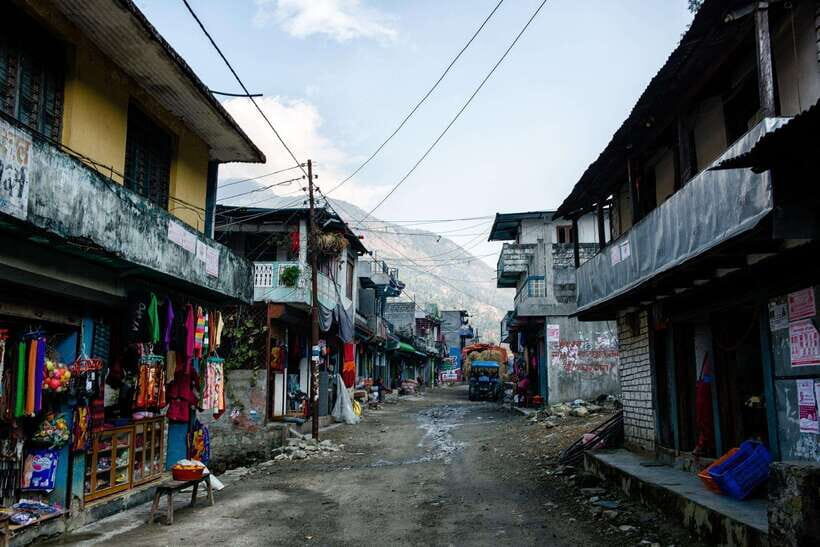
The adventure kicks off with a two-hour drive from Pokhara to Nayapul, a common starting point for many treks in the Annapurna region. This short drive already sets the tone, offering initial glimpses of the Himalayan foothills and the lush, terraced fields of Nepal.
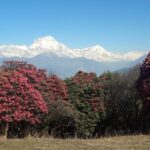
From Nayapul, the journey becomes a mix of walking along the Modi Khola River and weaving through small, friendly villages. We loved the way the trek begins with approachable terrain, giving trekkers a chance to adjust before the more demanding sections. Expect to pass through stunning rhododendron forests, which bloom vibrantly in spring, adding bursts of color to your surroundings.
Day 2: The Steep Climb to Ghorepani
The climb from Tikhedhunga to Ghorepani is notable for its over 3,000-step ascent, a true test of endurance. One reviewer fondly recalled “the steep ascent was tough but worth every step for the views that awaited.” This part of the trek is physically demanding but also the most scenic, with lush forests and occasional glimpses of mountain peaks.
Ghorepani is a lively village, offering a cozy base for overnight stays. The accommodations here are simple but comfortable, and you’ll get a feel for rural Nepali life. The day’s efforts are rewarded with a chance to relax and prepare for an early start the next morning.
Day 3: Sunrise at Poon Hill and Descend to Chuile
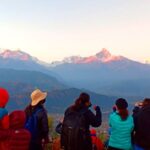
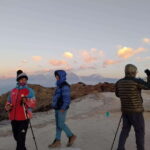
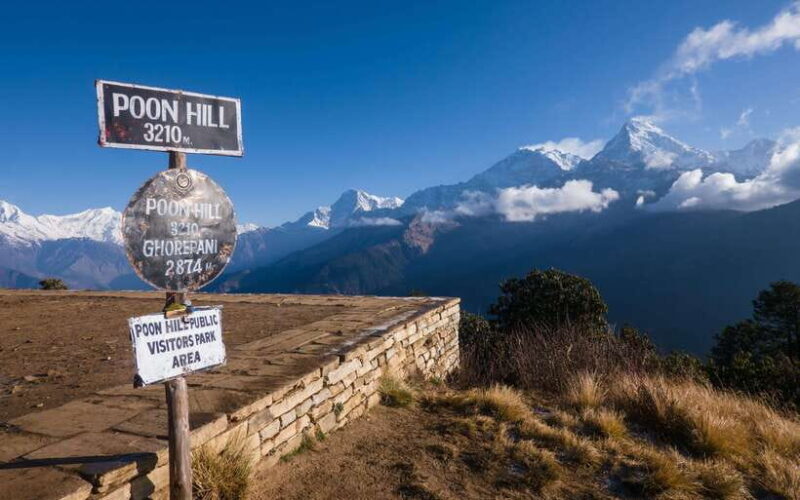
This day is a highlight. Rising before dawn, you’ll head to Poon Hill (3,210 meters) for sunrise. As dawn breaks, the sky erupts in hues of orange and pink, revealing the spectacular spires of the Annapurna and Dhaulagiri ranges. It’s a moment many reviewers described as “absolutely unforgettable.”
After enjoying breakfast back at Ghorepani, the route descends through forests to Tadapani or Chuile. The descent offers a different perspective, with lush greenery and a chance to spot local wildlife. Staying in Chuile or Tadapani gives a peaceful refuge after a busy day.
More Great Tours NearbyDays 4-6: Trekking Through Forests to the Base of the Mountains
The trek continues with varied terrains — crossing river meeting points, walking through bamboo and rhododendron forests, and climbing towards Deurali. The days are filled with scenic views of the mountains, complemented by the sounds of nature.
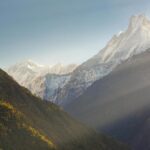
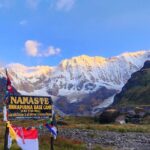
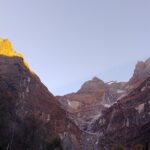
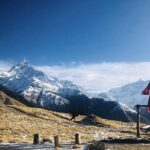
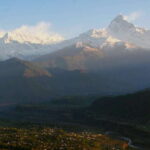
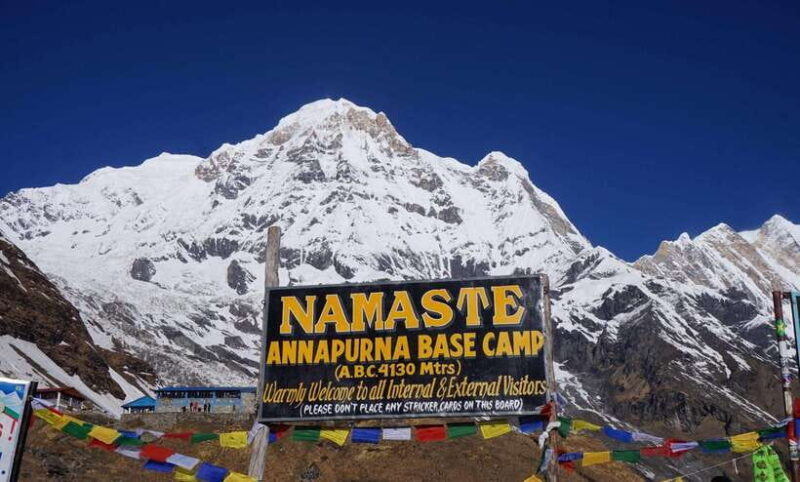
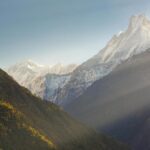
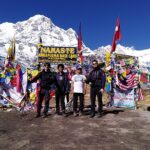
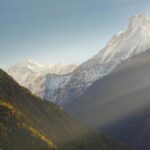
The most significant day is Day 6, when you reach the Annapurna Base Camp (4,130 meters). Standing here, surrounded by towering peaks and glacial landscapes, truly feels like being on top of the world. Multiple reviewers echoed this sentiment, describing the moment as “surreal” and “a dream come true.” The panoramic views of snow-capped summits like Machhapuchhre (Fishtail) are the kind of sights that stay with you forever.
You can also read our reviews of more hiking tours in Pokhara
Day 7: Retracing Steps Back to Bamboo
After soaking in the majesty of ABC, you begin your descent. Returning via the same route, you’ll pass familiar landscapes, but the experience feels different — more about appreciation and reflection. The descent is just as scenic, with opportunities to spot wildlife and enjoy the tranquility of the mountains.
Day 8: Relaxing at Jhinu Danda Hot Springs
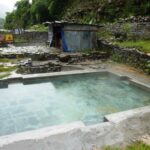
One of the most relaxing moments of the trek comes at Jhinu Danda, where you can soak in natural hot springs. Many reviews mention the hot springs as a perfect way to soothe tired muscles after days of hiking. It’s a well-earned treat that provides both physical relief and a fun social experience with fellow trekkers.
Day 9: Return to Pokhara
The final section involves a two-hour trek back to Nayapul, followed by a jeep ride to Pokhara. As you descend, you’ll reflect on the journey — the vistas, the villages, and the physical challenge overcome. Travelers often describe feeling a profound sense of achievement and gratitude.
What’s Included and What to Expect
This tour offers excellent value considering what’s covered. The cost of $647 per person includes all permits, government taxes, accommodations during the trek, a knowledgeable English-speaking guide, and transport to and from Pokhara. The company, Dream Noble Adventure, ensures that everything from meals (except personal expenses) to guide wages and insurance are taken care of, meaning you can focus on the experience.
However, certain extras like meals, drinks, and personal expenses are not included. If you want to indulge in a cold drink or buy a souvenir, be prepared with Nepalese currency, as ATMs can be sparse in remote villages.
Transportation & Group Size
Travelers are picked up from their Pokhara hotel and transported comfortably in deluxe vehicles. The trek groups are private, ensuring a personalized experience. The itinerary is flexible enough to allow for some adjustments, depending on pace and acclimatization needs.
Accommodations & Meals
Accommodation during the trek is in comfortable tea houses, providing a cozy place to rest and recharge. Meals are typically simple but hearty — a mix of local Nepali dishes and Western staples. The mornings usually start with a warm breakfast, and you’ll find plenty of opportunities for hot tea and coffee during breaks.
Guides & Support
Your guide, an authorized expert, not only helps navigate the trail but also offers insights into local customs, flora, and fauna. Many reviews praise guides by name, citing their friendliness, knowledge, and motivating presence. Time management is generally good, with the schedule allowing for adequate acclimatization.
Practical Tips for the Trekker
- Altitude awareness is key — the base camp is over 4,100 meters. Ascend gradually, stay hydrated, and heed any signs of altitude sickness.
- Pack appropriately, including warm clothing, a hat, sturdy shoes, and sunscreen. Weather can change rapidly, especially at higher elevations.
- Bring a camera—the sunrise at Poon Hill and Himalayan panoramas are photogenic moments.
- Reserve extra Nepalese currency in cash, as ATMs are limited in remote villages.
- Be prepared for physical exertion — some days involve steep climbs and long hours walking, so good fitness helps.
- Respect local customs and environmental practices to ensure a positive experience and preserve the beauty of the region.
Final Thoughts
This Annapurna Base Camp trek via Poon Hill strikes a commendable balance between adventure, comfort, and culture. It’s a well-structured journey that rewards trekkers with stunning views and the sense of achievement that comes from reaching a world-famous mountain sanctuary.
The inclusion of accommodations, permits, and expert guiding makes it suitable for those who want to focus on the experience without worrying about logistics. The early morning Poon Hill sunrise, in particular, is a highlight that many say is worth the effort — a true photo and memory-worthy moment.
While the trek demands a reasonable level of fitness and acclimatization, it’s accessible enough for most energetic travelers, especially with proper preparation. It’s perfect for those seeking a guided, safe, and authentic Himalayan adventure that leaves them with stories to tell and mountains etched in their hearts.
FAQ
What is included in the tour price?
The price includes an experienced English-speaking guide, hotel pickup and drop-off, trekking permits, all necessary paperwork, government taxes, accommodations during the trek, and all expenses for the guide such as meals, equipment, and insurance.
Are meals during the trek provided?
Meals are not included in the price, so you’ll need to budget for breakfast, lunch, and dinner during your journey. Meals are typically simple, hearty, and local-style, with options to suit various tastes.
How long is the drive from Pokhara to Nayapul?
The drive lasts around 2 hours in a deluxe vehicle, providing a comfortable start to your trek and scenic views on the way.
What is the maximum altitude you’ll reach?
The trek reaches 4,130 meters at Annapurna Base Camp, requiring proper acclimatization and physical readiness.
Is this trek suitable for beginners?
It’s suitable for moderately experienced trekkers who are comfortable with long days of walking and some steep sections. Proper preparation and acclimatization are important.
What should I pack?
Bring comfortable, sturdy shoes, warm clothing, a hat, camera, snacks, sunscreen, water, and a good attitude. It’s wise to pack light but include essentials for changing weather conditions.
Can I cancel the booking easily?
Yes, free cancellation is available if you cancel up to 24 hours in advance, providing flexibility to adjust your plans.
Who is this trek best suited for?
Adventurous travelers who want a guided experience with stunning mountain vistas, cultural exposure, and a manageable challenge will find this trek ideal. It’s not recommended for pregnant women or wheelchair users due to the challenging terrain.
In short, this 9-day Annapurna Base Camp trek offers a comprehensive, well-organized Himalayan adventure that balances scenic grandeur with cultural richness, all while keeping comfort in mind. It’s a fantastic choice for those ready to face some elevation gains but eager to enjoy some of Nepal’s most spectacular mountain sights.
You can check availability for your dates here: More Great Tours Nearby