Kathmandu: Annapurna Base Camp Trek with Guide & Meals — An In-Depth Review
Travelers looking for a trekking experience that combines jaw-dropping Himalayan views with culture will find this 11-day Annapurna Base Camp (ABC) Trek a compelling choice. Offered by Explore Nepal Trekking, this tour promises not just a chance to see some of Nepal’s most iconic peaks but also the opportunity to connect with local communities, all while enjoying guided support and meals included throughout the trek.
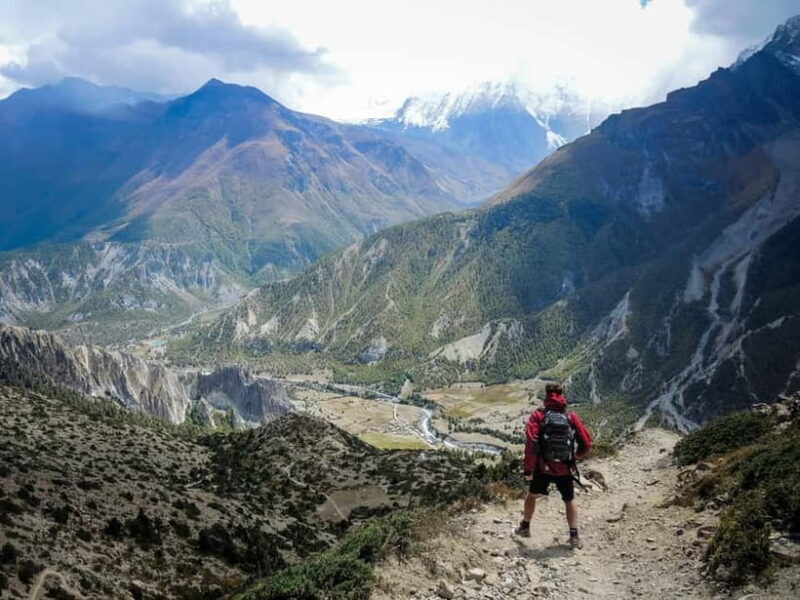
What makes this trek stand out? First, the chance to witness breathtaking vistas of Mount Annapurna and the surrounding peaks from the ABC itself. Second, the variety of landscapes—from lush forests of rhododendron and bamboo to icy glacier moraines—keeps the journey visually stimulating. Third, the inclusion of meals, permits, and a knowledgeable guide makes it a hassle-free experience for travelers navigating Nepal’s rugged terrain.
However, a key consideration might be the moderate difficulty level—it requires a decent level of fitness and acclimatization, especially at higher altitudes. Yet, for those eager to challenge themselves in a manageable way, this trek offers both adventure and comfort. It’s ideal for travelers who want a well-rounded, immersive Himalayan experience without extreme technical demands.
This tour suits adventure lovers, cultural enthusiasts, and nature seekers who are ready to step outside their comfort zone but still want reliable support and accommodations.
- Good To Know
- The Detailed Experience: What to Expect
- What the Tour Includes and Excludes
- Practical Tips for Your Trek
- Additional Information & Restrictions
- Authentic Traveler Insights
- Final Thoughts
- FAQs
- The Best Of Kathmandu!
- More Hiking & Trekking Tours in Kathmandu
- More Guided Tours in Kathmandu
- More Tour Reviews in Kathmandu
- Not for you? Here's more nearby things to do in Kathmandu we have reviewed
Good To Know
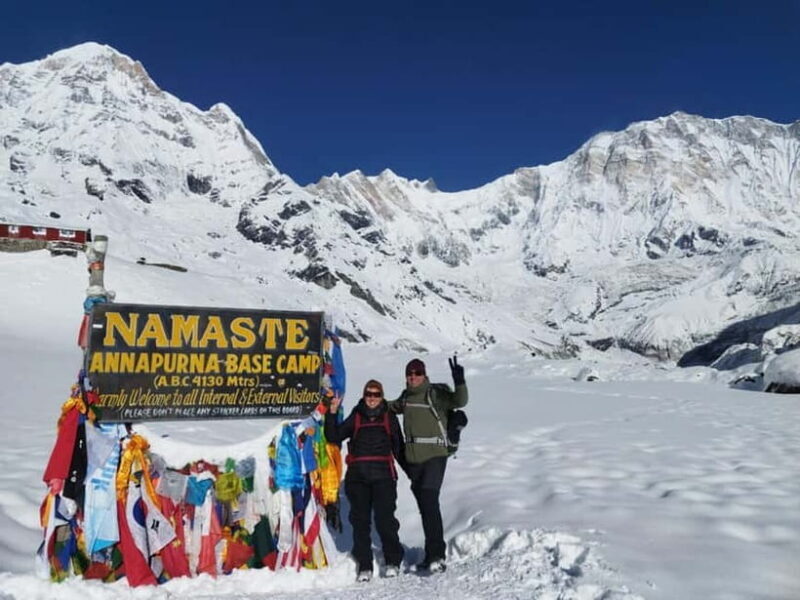
- Stunning Himalayan views from Annapurna Base Camp and Poon Hill are some of the most rewarding in Nepal.
- The trek offers a rich cultural experience with visits through Gurung, Magar, Thakali, and Loba communities.
- Comfortable guided support and all-inclusive meals simplify logistics and ensure a focus on the experience.
- The journey traverses diverse landscapes, from lush forests to icy glaciers, making it visually captivating.
- The trek is moderately challenging, requiring good physical condition and acclimatization.
- Hot springs at Jhinu Danda provide a relaxing recovery spot amid mountain scenery.
👉 See our pick of the 14 Best Shopping Tours In Kathmandu
The Detailed Experience: What to Expect
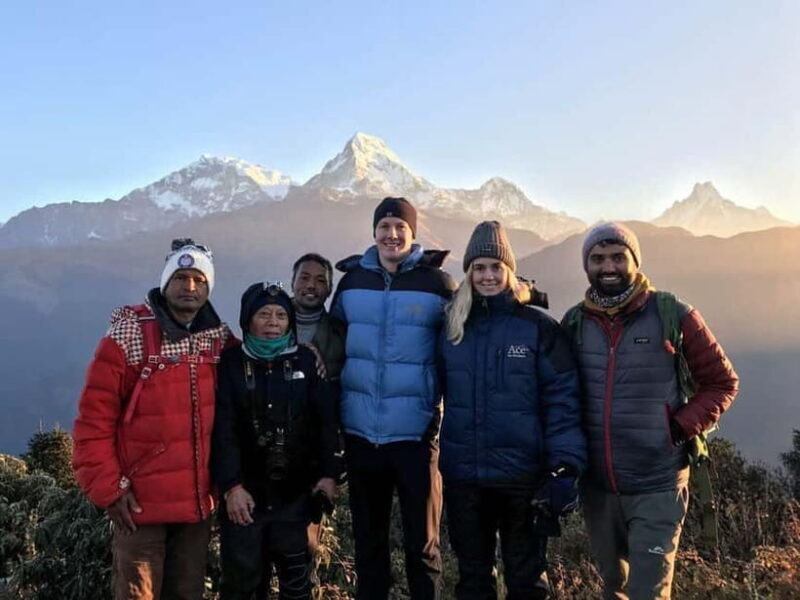
Starting in Kathmandu, you’ll be welcomed by the vibrant atmosphere of Nepal’s capital. While this initial day is primarily about settling in, it sets the tone for your adventure. You’ll get a feel for Nepalese culture, and perhaps even meet your guide, who will be a key figure in making your trek both safe and memorable.
The drive to Pokhara (about 6-7 hours) is a highlight on its own. The scenic journey offers sweeping views of the Annapurna and Machapuchhare ranges, giving you a taste of what’s to come. Many reviewers have noted the drive as a peaceful transition from city chaos to mountain tranquility.
In Pokhara, you’ll meet your trekking team and prepare for the journey ahead. The next day, you’ll head to Hile by vehicle, then start trekking through the Modi River valley. The initial days — from Hile to Ulleri and then to Ghorepani — are designed to gently acclimate you while introducing you to Nepal’s lush forests of rhododendron and bamboo. These forests create a canopy of vibrant flowers and provide shade on warmer days.
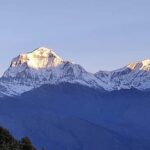
Ulleri to Ghorepani is a gradual ascent, but the real highlight is the early morning hike to Poon Hill. It’s often called one of Nepal’s most iconic viewpoints, and from here, you’ll see a panoramic sweep of peaks like Dhaulagiri and Annapurna I. Many travelers state that waking up early for sunrise at Poon Hill is worth every effort—typically before dawn, but the magic of watching the sun illuminate the peaks makes it all worthwhile.
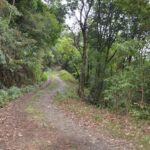
From Ghorepani to Tadapani, the trail winds through enchanting forests. This segment offers frequent wildlife sightings, and the peaceful surroundings often bring a sense of solitude. A common comment is how the forest feels alive, with bird calls and rustling leaves adding to the immersion.
Descending to Chhomrong, the trail crosses suspension bridges and terraced fields. This part of the trek allows you to feel more connected to the local way of life. Expect warm welcomes from the Gurung and Magar communities, who often share stories and offer home-cooked meals.
Next, the ascent to Bamboo introduces you to more pristine Himalayan wilderness. Here, steep stone steps and bamboo forests make for a more physically demanding day, but the rewards are a sense of accomplishment and closer proximity to nature.
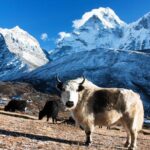
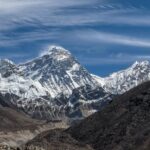
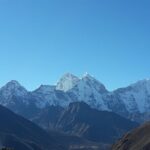
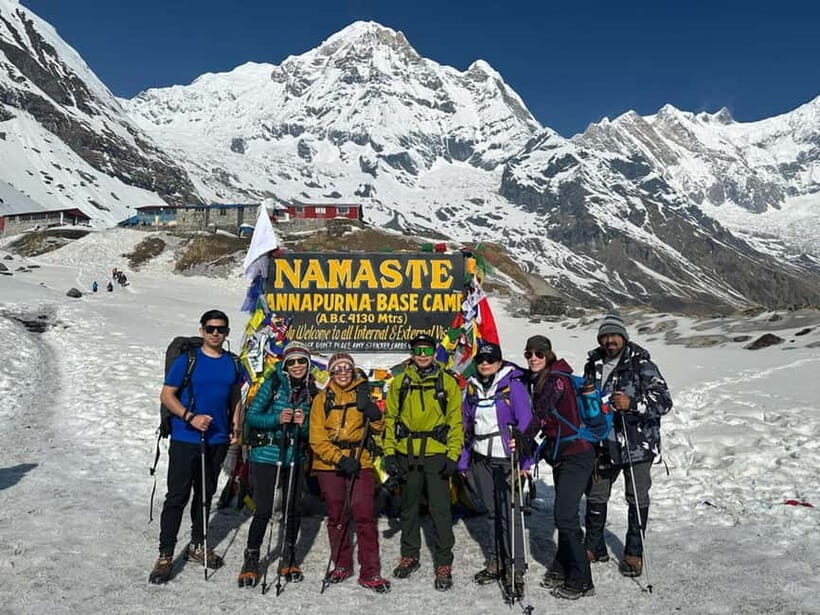
The highlight of the trek is reaching Annapurna Base Camp, at 4,130 meters. The journey to this snow-dusted amphitheater is long but spectacular. You’ll pass through Hinku Cave, then arrive at a vista point showcasing peaks like Annapurna South and Machapuchhare. The view from ABC is stunning—an expansive panorama of towering snow-capped giants that makes every step worthwhile.
Descending from ABC back to Bamboo involves retracing your steps and enjoying the landscape from a different perspective. Many reviewers mention the comfort of knowing they’ve already acclimatized, making the return journey smoother.
A special treat is the stop at Jhinu Danda, famous for its natural hot springs. Many find soaking in the thermal pools after days of trekking to be incredibly relaxing—a true reward for your effort.
The final day involves a trek to Nayapul and a scenic drive back to Pokhara. This marks the end of your Himalayan adventure, leaving you with memories of stunning views and cultural encounters.
You can also read our reviews of more guided tours in Kathmandu

What the Tour Includes and Excludes
Included in your package are essential components like a professional English-speaking guide, all necessary trekking permits, and accommodation during the trek. Meals are provided throughout, which is a huge plus, removing the worry about finding food in remote areas. Transportation from Kathmandu to Pokhara, and vice versa, is also handled, making the logistics straightforward.
Not included are personal expenses, travel insurance, and any meals not specified in the itinerary. Travelers should set aside extra funds for souvenirs, tips, or additional snacks.
Practical Tips for Your Trek
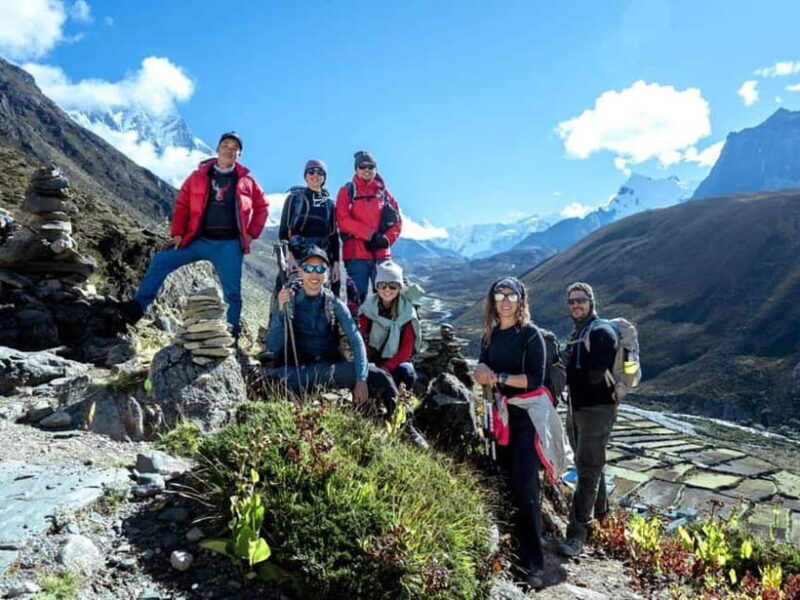
What to bring: Pack comfortable shoes, warm clothing, a hat, camera, snacks, sunscreen, water bottles, and suitable trekking gear. Remember, high-altitude treks require clothing that can be layered—think moisture-wicking base layers, insulated mid-layers, and waterproof outer layers.
Important considerations:
- Ensure you’re adequately insured for high-altitude trekking.
- Acclimatization days are built into the itinerary—don’t rush.
- Respect local customs—greetings, dress modestly, and ask before taking photos of locals.
- Prepare for unexpected weather swings—sun, rain, or even snow.
- Carry only essentials; leave valuables at your hotel to avoid unnecessary weight.
Additional Information & Restrictions
This tour is suitable for those over 12 years old, with a reasonable fitness level. Pregnant women, individuals with heart or back problems, and those prone to seasickness should consult their doctor before booking.
Languages available include English, German, French, Spanish, and Italian. You can reserve your spot with the flexibility of paying later, and cancellations are free if made 24 hours in advance.
More Great Tours NearbyAuthentic Traveler Insights
One reviewer highlighted how the trek’s diversity in landscapes kept the journey exciting. They appreciated the balance of challenging ascents with scenic pauses at viewpoints. Others found the guides knowledgeable and personable, often sharing local stories that enhanced the cultural experience. The hot springs at Jhinu Danda were described as a “perfect way to unwind” after days of hiking, while many noted that the inclusive meals helped them focus on the trek rather than logistics.
You can also read our reviews of more hiking tours in Kathmandu
Final Thoughts
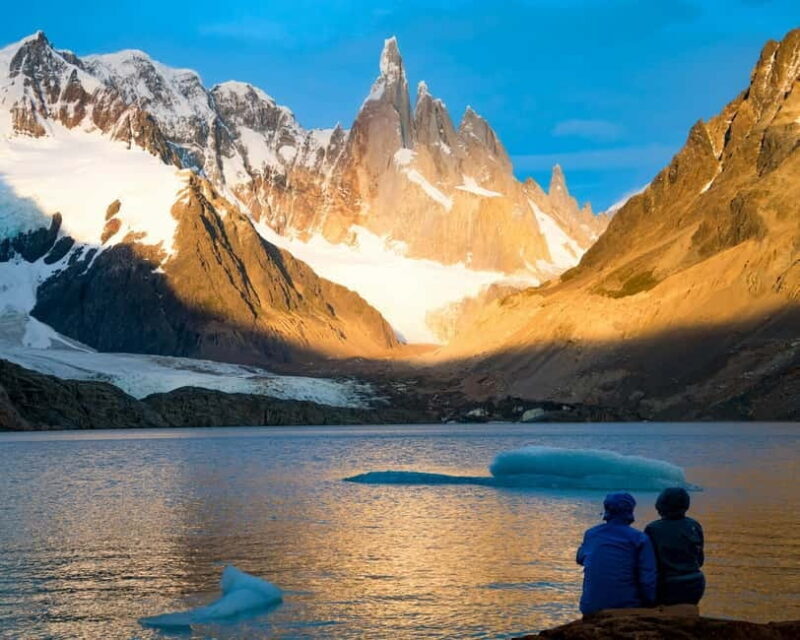
This Annapurna Base Camp Trek offers a well-rounded adventure—spectacular mountain vistas, cultural encounters, and the luxury of guided support and meals. The journey is demanding enough to satisfy those craving a physical challenge but manageable for anyone with decent fitness and determination.
Perfect for travelers who want to see Nepal’s majestic peaks without extreme technical skills, it’s equally suitable for those seeking meaningful cultural exchanges along the way. The inclusion of hot springs and the opportunity to witness sunrise views from Poon Hill add memorable highlights that elevate this trek from ordinary to extraordinary.
If you’re ready to step into the Himalayas and experience Nepal’s natural beauty firsthand, this tour provides genuine value, expert guidance, and a deeply immersive adventure.
FAQs
Is the trek suitable for beginners?
While it’s classified as moderately challenging, most fit travelers with good endurance and acclimatization can manage it. Prepare with some prior hiking or fitness training.
Are meals included?
Yes, all meals during the trek are included, which simplifies planning and ensures you stay energized throughout.
What is the maximum altitude reached?
The highest point is Annapurna Base Camp at 4,130 meters, where you’ll get those unforgettable mountain vistas.
Do I need trekking experience?
No technical experience is required, but good physical fitness and acclimatization are recommended for a comfortable journey.
How long is the trek each day?
Trekking days vary from 4 to 7 hours, with some early mornings for sunrise views. The longest days involve ascent to ABC and return.
Are permits included?
Yes, all necessary trekking permits are part of the package, removing the hassle of organizing them separately.
Can I customize the itinerary?
While the standard itinerary is fixed, flexible booking options are available, and you can discuss custom needs with the tour provider.
Is there support for altitude sickness?
Guides are trained to recognize symptoms and will assist with acclimatization strategies, but travelers should prepare by following health recommendations.
What is the best time of year to do this trek?
Typically, the optimal seasons are spring and autumn, offering clear skies and mild temperatures—though specific timing isn’t detailed here.
To sum it up, this Annapurna Base Camp Trek promises a memorable Himalayan adventure filled with breathtaking views, cultural richness, and guided comfort. It’s a fantastic choice for those eager to explore Nepal’s iconic peaks without sacrificing safety and support. Whether you’re a seasoned trekker or a curious traveler ready to challenge yourself, this journey offers genuine value and an authentic taste of Nepal’s natural and cultural treasures.
You can check availability for your dates here: More Great Tours Nearby