Traveling to Japan often means exploring its bustling cities and iconic landmarks, but for those craving a glimpse of authentic culture and history, a guided tour of Kamakura offers a wonderful balance of tradition and vibrant local life. This 5-hour adventure from Yokohama LIT promises a well-rounded experience, blending history, spirituality, and lively street scenes.
What makes this tour stand out? We particularly appreciate the knowledgeable guides who make complex history accessible, the variety of sites visited—ranging from grand shrines to tranquil Zen temples—and the chance to sample street foods that truly reflect Kamakura’s local flavors. While the walking is steady and involves some stairs, it’s manageable for most travelers with a good pair of shoes.
One possible consideration? The tour is tailored for those who are comfortable with walking and standing for stretches, making it less suitable for small children or those with mobility issues. Overall, it’s perfect for curious travelers who enjoy cultural insights, beautiful scenery, and a taste of traditional Japan—all within a manageable schedule.
Who will love this tour? History buffs, spiritual seekers, and foodies will find plenty to enjoy. If you’re eager to learn about Kamakura’s significance as Japan’s first samurai city while experiencing its lively streets and serene temples, this tour hits the mark.
- Good To Know
- Introduction and Overall Impressions
- Detailed Breakdown of the Itinerary
- Starting Point and Timing
- Tsurugaoka Hachimangu Shrine
- Komachi Street
- Transportation to Kita-Kamakura
- Enma-ji and the Ten Kings of the Afterlife
- Zen Meditation at Kencho-ji
- Wrap-up and Return
- What to Expect in Practice
- Transportation and Logistics
- Guide Quality and Reviews
- Practical Tips for Travelers
- Final Thoughts: Who Will Benefit Most?
- Frequently Asked Questions
- The Best Of Kamakura!
- More Tours in Kamakura
- More Tour Reviews in Kamakura
- Not for you? Here's more nearby things to do in Kamakura we have reviewed
Good To Know
- Expert Guides: Knowledgeable and engaging, they make history and culture easy to understand.
- Authentic Experiences: Zen meditation at Kencho-ji and street food sampling on Komachi Street.
- Comprehensive Itinerary: Visits to major shrines, temples, and the famous Enma-ji statues.
- Manageable Duration: A 5-hour tour that balances sightseeing with enough leisure.
- Small Group: Limited to 10 participants for a more personalized experience.
- Practical Details: Comfortable shoes recommended, walking involved, no lunch included.
👉 See our pick of the 2 Best Historical Tours In Kamakura
Introduction and Overall Impressions
We haven’t personally taken this tour but evaluated it thoroughly based on the detailed itinerary, reviews, and descriptions. It’s a carefully curated experience that balances sightseeing with cultural enrichment, making it suitable for travelers who want a meaningful and manageable exploration of Kamakura.
For those wondering what to expect, the tour hits many of the highlights—Tsurugaoka Hachimangu Shrine, Komachi Street, and Zen meditation at Kencho-ji. The guides are praised for their depth of knowledge and friendly approach, which enhances the experience significantly.
A notable strength is the focus on authentic Kamakura sites that aren’t overly commercialized, combined with the opportunity to enjoy local street foods and spiritual practices. The only potential drawback? The walking involved can be tiring, especially during hot weather or for those with limited stamina.
This tour suits travelers who want a balanced mix of history, culture, and local color without feeling rushed or overwhelmed. It’s especially ideal for those interested in Japanese spirituality, history buffs, or anyone wanting to see Kamakura beyond the typical tourist spots.
You can also read our reviews of more tours and experiences in Kamakura.
Detailed Breakdown of the Itinerary
Starting Point and Timing
Meeting at Kamakura Station’s east exit at 12:15 ensures a straightforward start, close to transportation links. The tour begins with a walk of about 15 minutes to the first major site, setting a relaxed pace to acclimate before sightseeing.
Tsurugaoka Hachimangu Shrine
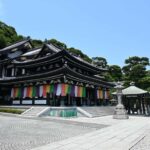
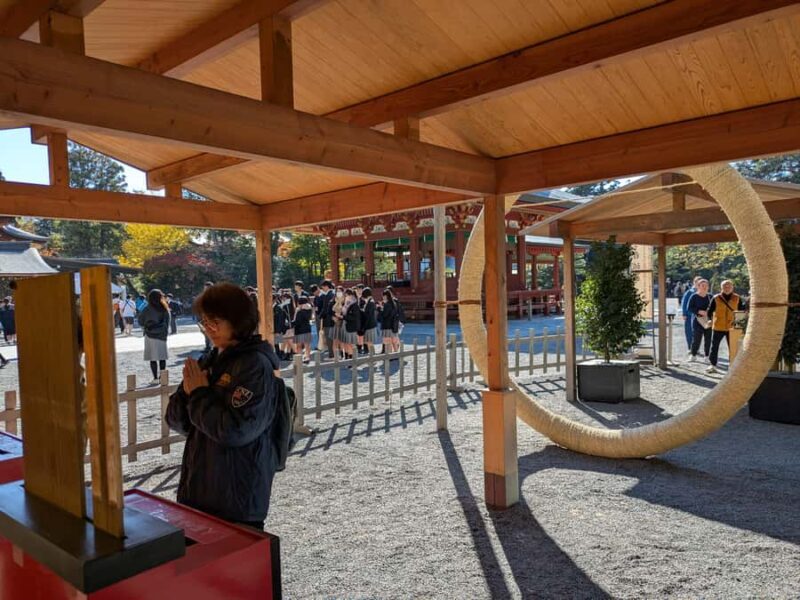
The first stop is Tsurugaoka Hachimangu, one of Japan’s largest shrines. Built as the protector of the samurai government, it’s a symbol of Kamakura’s historical significance. The grand approach via Wakamiya Ji avenue, stretching from the shrine’s main hall to the sea, offers impressive views and photo opportunities.
Visitors can expect to see beautifully maintained grounds, traditional architecture, and perhaps some local worshippers. The guided commentary helps illuminate why this shrine played such a vital role in Kamakura’s history, making it more than just a pretty backdrop.
More Great Tours NearbyKomachi Street
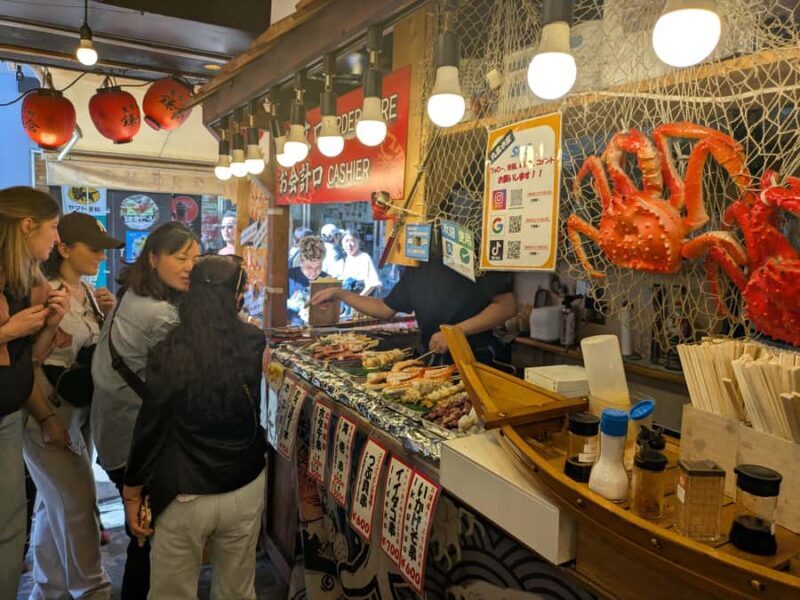
Next, a lively stroll down Komachi Street reveals a bustling scene filled with food stalls, souvenirs, and local crafts. The street’s energetic vibe makes it a favorite for sampling treats like fried chicken, rice dumplings, and fish cakes, offering a taste of Kamakura’s culinary culture.
The guide often recommends a light lunch here, which adds a relaxed, social element to the morning’s sightseeing. The street’s vibrant colors and aromas contribute to a lively atmosphere, ideal for people-watching.
Transportation to Kita-Kamakura
After the bustling street scene, a 20-minute bus or coach ride takes you to the quieter, more traditional side of Kamakura in Kita-Kamakura. This area is less crowded but equally rich in history and spirituality.
Enma-ji and the Ten Kings of the Afterlife
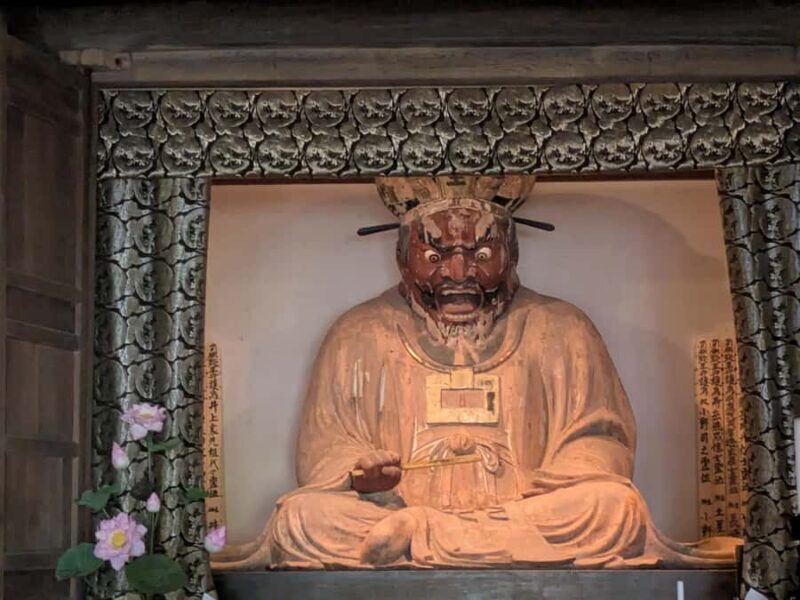
At Enma-ji, visitors encounter statues of the Ten Kings of the afterlife, including Enma (the King of Hell). The statues, often painted and sculpted with expressive detail, provide a fascinating glimpse into Japanese views on the afterlife and morality. Reviewers note that the site has a somewhat playful yet respectful atmosphere, with the statues serving as a reminder of moral lessons told to children.
Zen Meditation at Kencho-ji
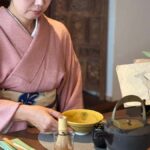
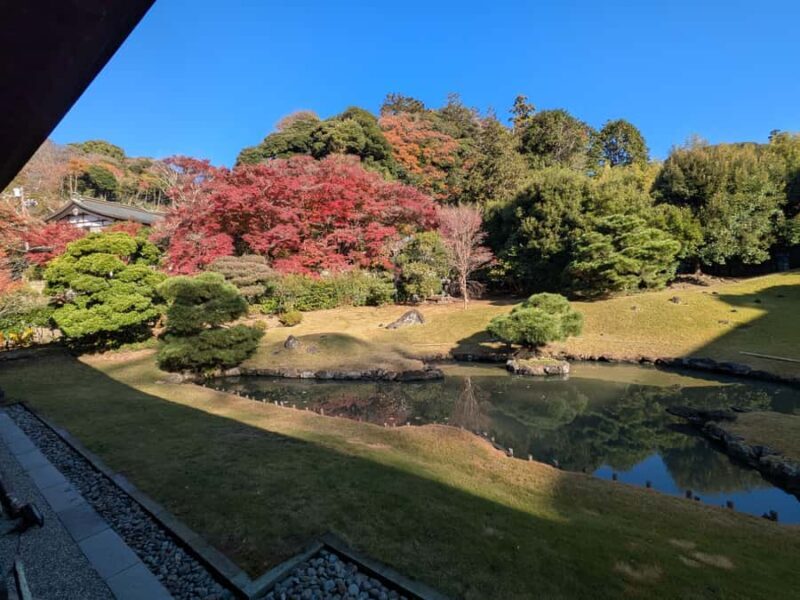
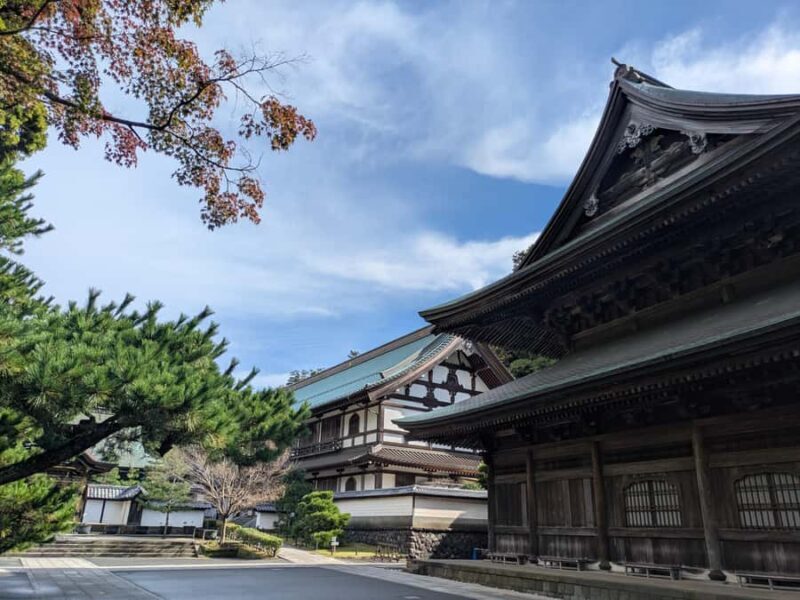
The highlight for many is the Zen meditation session at Kencho-ji, Kamakura’s oldest Zen temple. The guided zazen (seated meditation) is accessible to all, regardless of experience. The guides emphasize that even those unfamiliar with Zen can participate comfortably, whether sitting cross-legged or on a chair.
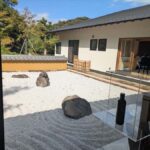
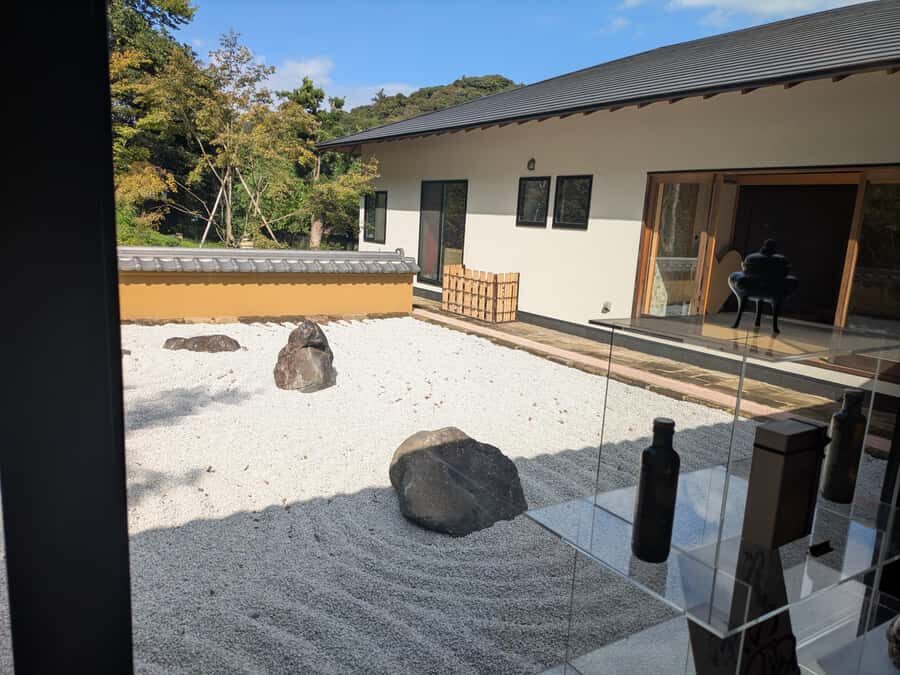
During the session, you’ll gain insight into Japanese spiritual practices and learn what meditation entails. Walk through the temple’s serene gardens and appreciate its architecture, which echoes the spiritual depth of Kamakura’s Zen tradition. Reviewers often mention that the meditative experience offers a peaceful, grounding pause amid a busy day of sightseeing.
Wrap-up and Return
After the meditation, the group heads back to Kamakura Station, completing the tour. The entire experience typically lasts about 5 hours, making it a perfect half-day trip that leaves plenty of time to explore further or relax in the city.
What to Expect in Practice
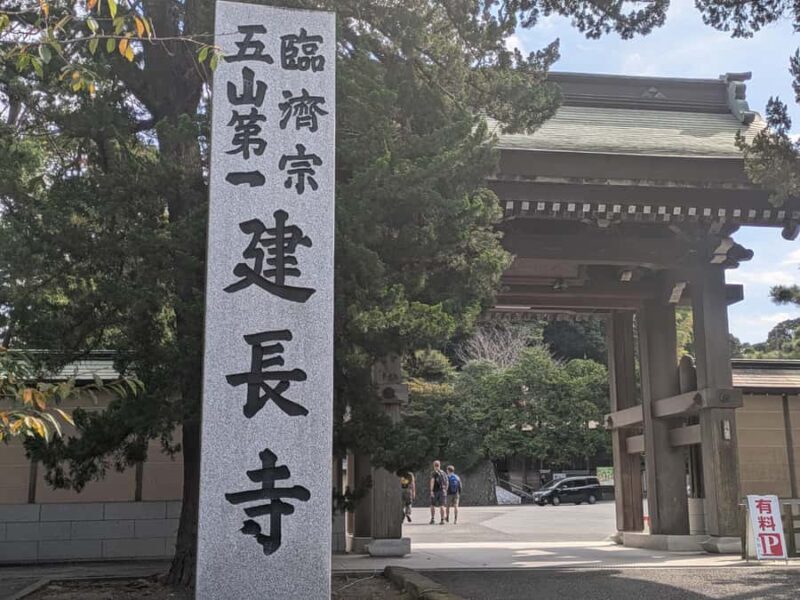
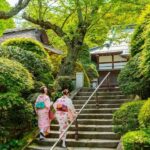
Expect a mix of guided tours, walking between sites, and opportunities to explore on your own. The tour involves some stairs (about 70 at Tsurugaoka Hachimangu), and walking distances vary from 30 to 60 minutes. Comfortable shoes and water are essential, especially on warm days.
The small group size (limited to 10) ensures personalized attention, and the guides’ knowledge makes the history and cultural context more engaging. The tour is flexible enough that those who are new to Zen or Japanese history will find it accessible; guides provide explanations that clarify complex topics.
Lunch isn’t included but is conveniently available on Komachi Street, where you can choose from various street foods. It’s a great chance to sample local flavors without the need for a formal sit-down meal.
Transportation and Logistics
Public transport options make the tour easy to join, with a meeting point at Kamakura Station’s east exit. The bus rides between sites provide a break from walking and a chance to rest. The entire schedule is well-organized, ensuring you spend enough time at key sites without feeling rushed.
Guide Quality and Reviews
Multiple reviews praise the guides for their friendliness and expertise. Their ability to explain the significance of sites like Tsurugaoka Hachimangu and Kencho-ji enriches the experience. Reviewers also mention the guides’ approachable style, making complex topics like Zen meditation and Japanese spiritual beliefs easy to understand.
Practical Tips for Travelers
- Wear comfortable walking shoes, as the tour involves several stops and some stairs.
- Bring a camera to capture the scenic and historic sites.
- Hydrate well, especially if visiting in warmer months.
- Be prepared for about 30 to 60 minutes of walking, with some standing.
- A light snack or small lunch on Komachi Street can enhance your experience.
- The tour isn’t suitable for children under 11, pregnant women, or those with mobility challenges.
- Remember that the meditation session is gentle and accessible, even for beginners.
- The tour is conducted in English and Japanese, providing a bilingual experience.
Final Thoughts: Who Will Benefit Most?
This tour offers a well-rounded glimpse into Kamakura’s history, culture, and spiritual traditions. It’s ideal for travelers who want to learn from knowledgeable guides and enjoy authentic sites without the crowds. If you’re curious about Japan’s samurai past, enjoy local street foods, or are interested in Zen practices, this experience delivers.
The manageable 5-hour schedule means you won’t feel exhausted but will walk away with a deepened understanding and appreciation of Kamakura’s significance. It’s a practical choice for those who want a compact yet meaningful cultural adventure.
If you prefer a relaxed pace, appreciate guided commentary, and enjoy combining sightseeing with spiritual experiences, this tour is a strong pick. Just remember to wear comfortable shoes and bring water to stay comfortable throughout your explorations.
Frequently Asked Questions
Is this tour suitable for children?
No, it’s not recommended for children under 11 due to the walking and stairs involved.
How long does the tour last?
The entire experience takes approximately 5 hours, including sightseeing, walking, and the Zen meditation.
Do I need to bring my own lunch?
Lunch isn’t included, but there’s a stop on Komachi Street where you can sample local street foods.
Is the tour accessible for people with mobility issues?
It involves walking and climbing nearly 70 stone steps, so it may not be suitable for those with mobility challenges.
What should I wear?
Comfortable shoes are essential, as the tour involves a good amount of walking and standing.
Are there any age restrictions?
Yes, children under 11 and certain other groups such as pregnant women or those with health issues might find it less suitable.
Will I get personalized attention?
Yes, the tour is limited to a small group of 10, allowing guides to tailor their explanations and answer questions.
What languages are the guides available in?
Guides speak both English and Japanese, making the tour accessible for international travelers.
Can I cancel if my plans change?
Yes, free cancellation is available up to 24 hours in advance, offering flexibility for your trip planning.
This Kamakura tour combines cultural depth, authentic sites, and manageable pacing, making it an enriching experience for those eager to explore Japan’s first samurai city beyond the typical tourist crowds.
You can check availability for your dates here: More Great Tours Nearby