Traveling in Vietnam often means discovering vibrant culture, stunning landscapes, and time-honored traditions. The Hoi An Silk Village stands out as a fascinating stop that offers a deep dive into the country’s long-standing silk-making craft. Our review focuses on what you can expect from this immersive experience—whether you’re a history buff, a craft lover, or just curious about how those luxurious silk fabrics come to life.
What makes this tour especially appealing? First, it provides an authentic glimpse into sericulture, from caring for silkworms to weaving intricate fabrics. Second, the fusion of Vietnamese and Cham textile traditions creates a rich cultural tapestry you won’t find elsewhere. Lastly, the opportunity to see handmade silk crafts up close makes it a rewarding visit for those who love crafts and authentic local experiences.
That said, it’s worth considering that the tour involves walking through various workshops and possibly standing for extended periods, which might not suit travelers with mobility issues. This experience fits best for curious travelers eager to learn about traditional crafts and those visiting Hoi An who want a meaningful cultural activity beyond typical sightseeing.
- Good To Know
- An In-Depth Look at the Hoi An Silk Village Tour
- The Starting Point and Transport
- The Traditional House and Sericulture History
- Mulberry Gardens and Silkworm Breeding
- The Unraveling House and Silk Thread Production
- Traditional Weaving and Textile Crafting
- The Cultural Significance of Cham Textiles
- The Silk Village Exhibition and Shopping
- Tour Variations: With or Without Hotel Pickup
- Duration and Group Size
- Practical Tips
- Why This Tour Is Worth It
- What You Should Know About the Cost
- Authenticity and Cultural Depth
- The Sum Up
- FAQ
- The Best Of Da Nang!
- More Tour Reviews in Da Nang
- Not for you? Here's more nearby things to do in Da Nang we have reviewed
Good To Know
 1 / 5
1 / 5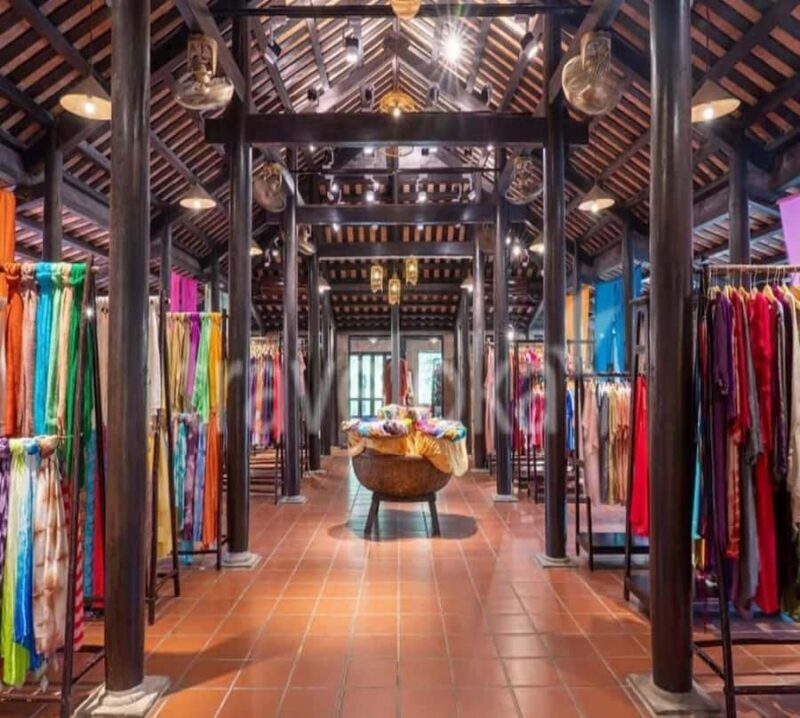 2 / 5
2 / 5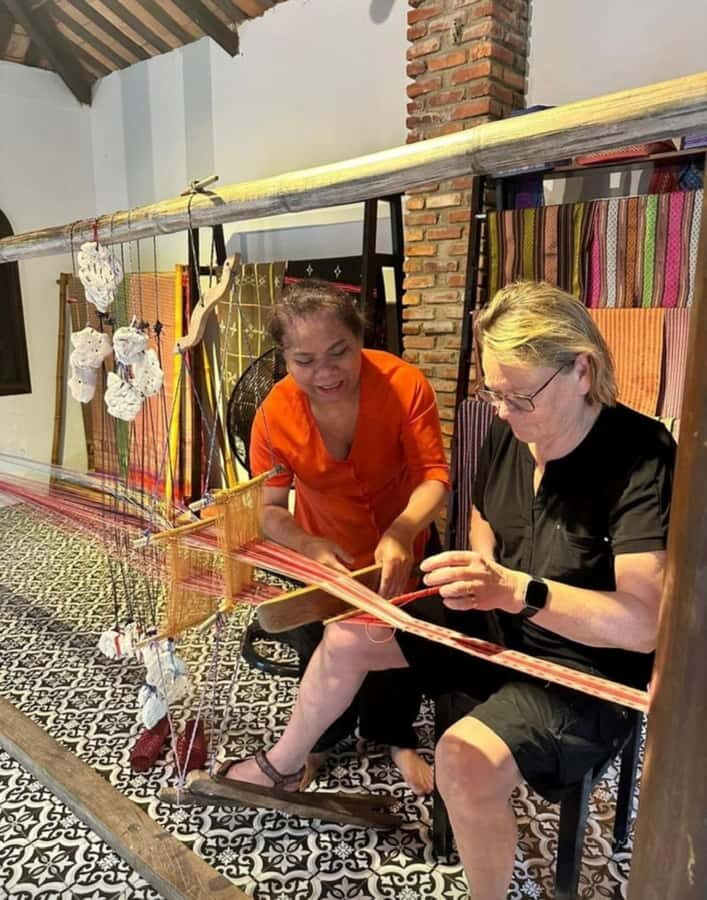 3 / 5
3 / 5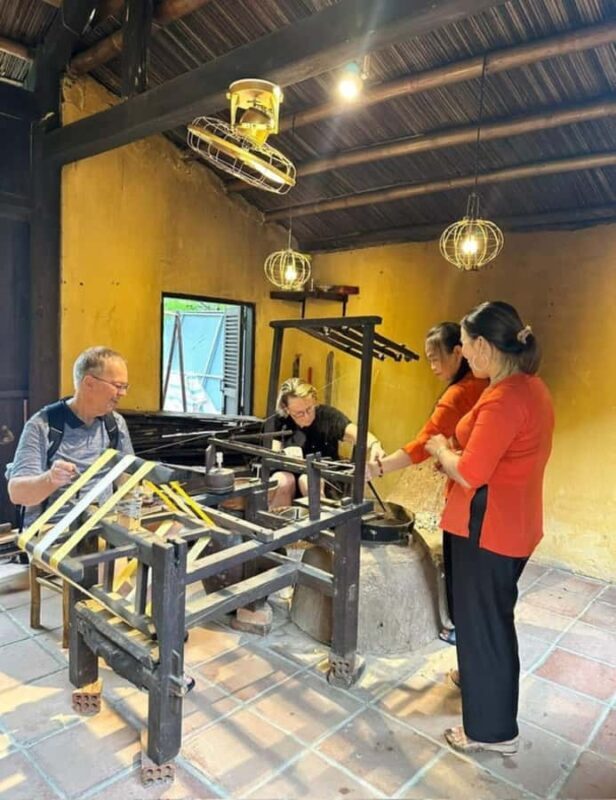 4 / 5
4 / 5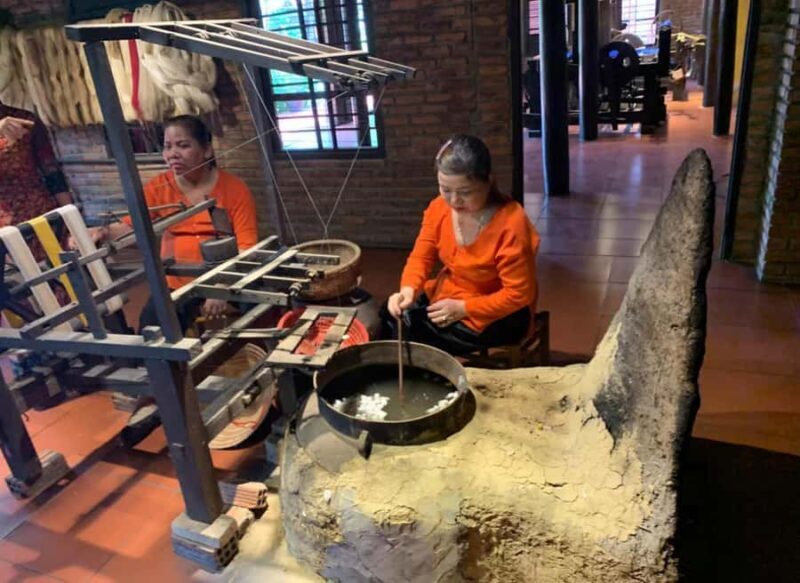 5 / 5
5 / 5- Authentic Craftsmanship: Learn traditional Vietnamese and Cham silk weaving techniques firsthand.
- Historical Insight: Discover the history of sericulture and how Vietnamese silk production has evolved.
- Hands-On Experience: See silkworm breeding, mulberry cultivation, and silk unraveling in action.
- Cultural Significance: Explore Cham textile traditions, including weaving on wooden looms.
- Shopping Opportunities: Browse a wide variety of silk products, perfect for souvenirs or tailoring.
- Flexible Options: Tour can be booked with or without hotel pickup, tailored to your schedule.
👉 See our pick of the 25 Best Shopping Tours In Da Nang
An In-Depth Look at the Hoi An Silk Village Tour
You can also read our reviews of more tours and experiences in Da Nang.



The Starting Point and Transport
Most tours begin with a convenient pickup from your hotel in Hoi An, though some options meet directly at the village (28 Nguyen Tat Thanh). The journey typically takes about 80 minutes by van, offering travelers a chance to relax and get oriented outside the busy town. The drive itself can give you glimpses of rural Vietnam, with lush fields and local villages passing by.
The Traditional House and Sericulture History
Once at Hoi An Silk Village, the tour kicks off with a visit to a Traditional House. Here, guides share stories about the ancient practice of sericulture—the cultivation of silkworms—and its role in Vietnamese culture. This is where you get a sense of how silk production was historically intertwined with local life. The guide’s knowledge makes the experience lively; one reviewer noted, “We loved the way they explained the cycle of silkworms and silk thread production, making it easy to understand without being overwhelming.”
Mulberry Gardens and Silkworm Breeding
Next, you’ll visit the old mulberry garden, where the importance of mulberry leaves as silkworm food is made clear. You’ll see how farmers select and harvest the leaves, with some tours even allowing you to observe or try feeding the silkworms yourself. The Silkworm Breeding House offers insight into the life cycle of silkworms—caterpillars to cocoons—which is surprisingly fascinating. A notable review pointed out: “The breeding house was surprisingly lively, and seeing the silkworms munching on mulberry leaves made the process very real.”
More Great Tours NearbyThe Unraveling House and Silk Thread Production
One of the most captivating parts is the Unraveling House, where skilled artisans extract silk threads from cocoon bundles. Here, you’ll learn about the meticulous process involved—cocoon boiling, unwindings, and the spinning of raw silk. Many visitors comment on the craftsmanship: “It’s incredible how much work goes into producing just a small amount of silk. You gain a new appreciation for the material.”





Traditional Weaving and Textile Crafting
The tour continues with a visit to a Vietnamese and Cham textile house. Watching artisans manually weave silk on traditional looms highlights the skill and patience required. The Cham weaving process, often done on short and long wooden looms, results in unique, intricate patterns. One reviewer shared, “The Cham artisan explained how moving the silk threads creates beautiful brocade designs, and I even tried weaving a few threads myself.”
The Cultural Significance of Cham Textiles
Exploring Cham textile traditions reveals a culture that’s preserved centuries-old techniques. The guides explain the importance of weaving patterns that tell stories or symbolize status. It’s a meaningful glimpse into a lesser-known part of Vietnam’s heritage, especially for textile enthusiasts or those interested in minority cultures.
The Silk Village Exhibition and Shopping
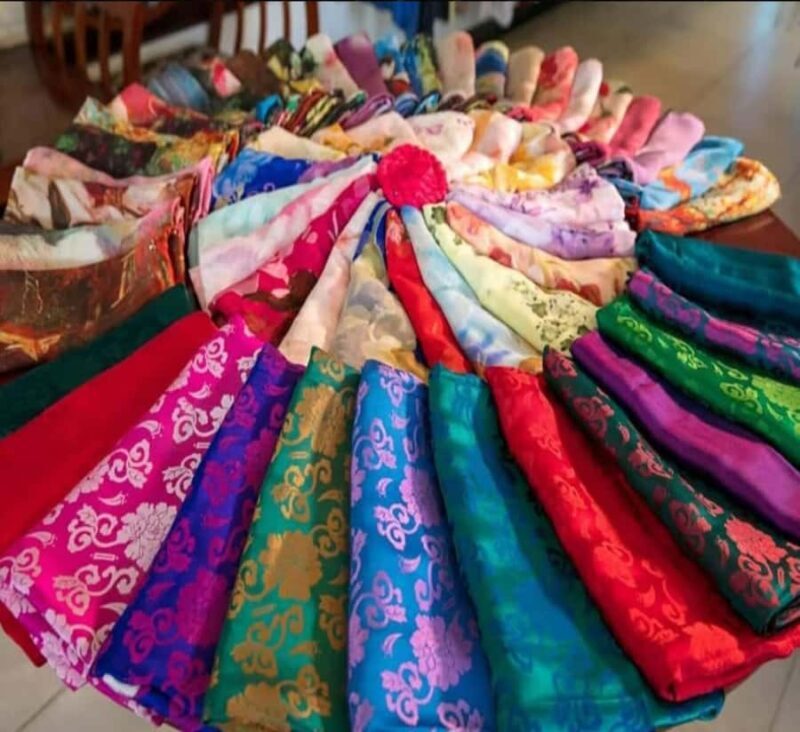
Finally, visitors can browse the Silk Village exhibition, which showcases a variety of silk products—scarves, clothing, and souvenirs. The guide explains how to differentiate real silk from fake fabrics, helping you make smarter shopping choices. Many guests find this part particularly useful, as it allows them to buy authentic, high-quality souvenirs directly from artisans.
Tour Variations: With or Without Hotel Pickup
The main difference between the two options is the inclusion of hotel pickup and drop-off. The self-guided tour starting at the village offers flexibility, but the door-to-door service provides added convenience, especially after a long day of sightseeing. Both options include the guided walkthrough of the silk-making process, so it’s more about your preference for transport.
Duration and Group Size
The tour lasts from 45 minutes to 3 hours, depending on how deeply you wish to explore and whether you opt for added activities like shopping. It’s generally a small-group experience, ensuring a personal touch and plenty of opportunities to ask questions.
Practical Tips
- Wear comfortable shoes as you’ll be walking through different workshops.
- Bring a camera—there are plenty of photo-worthy moments, from mulberry leaves to woven textiles.
- Prepare cash for on-site purchases, as many silk products are available for sale.
- Avoid large luggage or bulky bags, as space in workshops is limited.
Why This Tour Is Worth It
The value of this experience lies in its authenticity. Unlike generic craft demonstrations, Hoi An Silk Village offers a full-circle view—from silk cocoon to finished product—taught by artisans passionate about preserving their heritage. It’s an ideal activity if you’re looking to understand Vietnam’s cultural traditions beyond temples and markets. The opportunity to see traditional Cham textiles also sets this apart, adding a layer of cultural depth seldom found elsewhere.
The hands-on elements—feeding silkworms, weaving, and exploring the mulberry gardens—transform a simple tour into an engaging, memorable encounter. Plus, the chance to buy genuine silk products directly from artisans means you can take home a piece of Vietnam’s textile artistry at a reasonable price, offering great value for money.
What You Should Know About the Cost
While the price might seem modest, it covers a comprehensive experience that’s both educational and inspiring. You’ll walk away with a new understanding of how silk is made, appreciation for traditional craftsmanship, and plenty of beautiful textiles to bring home or wear. It’s a worthwhile investment for those interested in culture, crafts, or sustainable, authentic souvenirs.
Authenticity and Cultural Depth
One of the tour’s strengths is its preservation of handmade silk weaving methods from the Champa and Dai Viet eras. It’s not just about watching a demonstration—it’s about understanding the cultural significance of each pattern and technique. The guides, often locals with deep knowledge, enhance this by sharing stories and explanations rooted in tradition.
The Sum Up
This tour offers an in-depth look at Vietnam’s long-standing silk traditions in a way that’s both educational and engaging. Whether you’re a craft enthusiast, cultural explorer, or someone seeking quality souvenirs, you’ll find value in the detailed craftsmanship and historical insights. The combination of hands-on activities, expert guides, and authentic textiles makes it a memorable addition to any Hoi An visit.
If you appreciate stories behind what you see and want to support local artisans, this experience is a perfect fit. It’s particularly well-suited for those who enjoy learning about traditional practices and want a meaningful, off-the-beaten-path activity that enriches their understanding of Vietnamese culture.
Experience Traditional Silk Process in Hoi AN Silk Village
FAQ
Is hotel pickup included in the tour?
You can choose an option that includes hotel pickup and drop-off in Hoi An, or you can meet directly at the village. The pickup option offers more convenience, especially if you’re tired after a day of sightseeing.
How long does the tour last?
The duration ranges from 45 minutes to 3 hours, depending on your interest level and the package you select.
What should I bring?
Bring comfortable shoes, a camera for photos, casual clothes, and some cash for shopping or tips. Avoid large luggage or bulky bags, as space in the workshops is limited.
Is this tour suitable for all ages and mobility levels?
It’s best suited for travelers who can stand or walk for periods, as it involves visiting multiple workshops and demonstrations. It may not be suitable for those with mobility impairments or wheelchair users.
What unique cultural elements are included in the tour?
You’ll explore Cham textile traditions—seeing how their weaving patterns tell stories—and learn about the significance of silk and mulberry cultivation in Vietnamese history.
Can I buy silk products at the end of the tour?
Yes, there is a dedicated exhibition area with a variety of silk items. Guides will also help you understand how to tell genuine silk from imitation, making your shopping experience more confident.
In essence, the Hoi An Silk Village tour combines education, culture, and craftsmanship into a well-rounded experience that leaves you appreciating Vietnam’s silk-making heritage—plus, you’ll get some gorgeous textiles to take home.
You can check availability for your dates here: More Great Tours Nearby