
If you’re on the hunt for a trek that combines jaw-dropping vistas, authentic mountain culture, and an adventurous challenge, the 12-Day Manaslu Circuit Trek offers all that and more. This route around Mount Manaslu, Nepal’s eighth-highest peak, promises an immersive experience through pristine villages, alpine landscapes, and the legendary Larkya La Pass.
While it’s not for the faint-hearted due to its high altitude and rugged terrain, this trek rewards those willing to take on its challenges with unforgettable scenery and an intimate look into local Himalayan life. We particularly love the mix of diverse ecosystems—from rhododendron forests to yak pastures—and the sense of achievement crossing the formidable Larkya La Pass at 5,160 meters.
One point to consider is that the trek spans about 177 kilometers of trail and involves some demanding days, so physical preparation is essential. It’s best suited for experienced trekkers who want a less crowded, more authentic Himalayan adventure. If you’re after scenery, culture, and a true sense of expedition, this route could be your next big trip.
- Good To Know
- An In-Depth Look at the Trek
- Starting in Kathmandu and Transitioning to the Trail
- Day 1-2: Forests, Bridges, and Hot Springs
- Days 3-5: Villages, Mountains, and Yak Pastures
- Days 6-8: Monasteries, Villages, and Acclimatization
- Days 8-9: Tibetan-Style Villages and Final Pre-La Trek
- Day 10: The Larkya La Pass and Descent
- Days 11-12: Return to Kathmandu
- Practicalities: What to Expect
- Transportation and Group Size
- Guides, Permits, and Support
- Meals and Accommodation
- Cost and Value
- Who Is This Trek Best For?
- The Sum Up
- FAQ
Good To Know
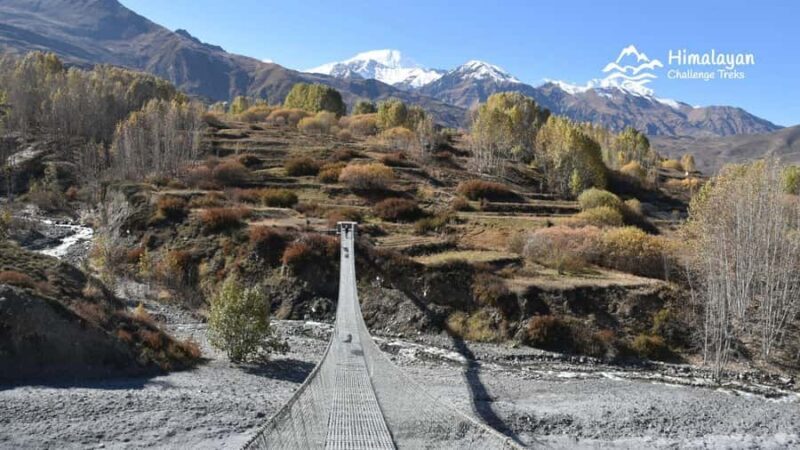
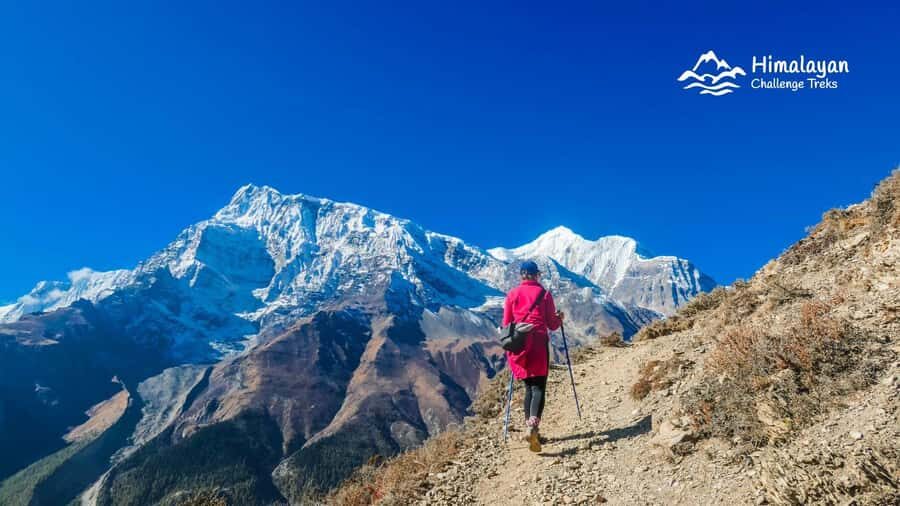
- Stunning Mountain Views: You’ll witness panoramas of Mount Manaslu, Himal Chuli, and Ngadi Chuli.
- Cultural Encounters: Trek through villages inhabited by Gurungs and Tibetans, with monasteries and traditional homes.
- High-Altitude Challenge: The Larkya La Pass reaches 5,160 meters, testing your endurance and acclimatization.
- All-Inclusive Comfort: With a guide, porter, permits, and meals provided, the trek minimizes logistical stress.
- Authentic Experiences: Visit centuries-old gompas and local markets, soaking up Himalayan village life.
- Balanced Itinerary: Rest days and short hikes allow for acclimatization and enjoyment without rushing.
An In-Depth Look at the Trek
Starting in Kathmandu and Transitioning to the Trail
The journey begins in Kathmandu, where you’ll meet your guide and group, usually limited to 10 travelers, ensuring a more personalized experience. From there, you’ll drive approximately 140 km to Arughat, navigating along the Trishuli River, which offers glimpses of Nepal’s lush farmland and river valleys. This initial part of the journey sets the tone, hinting at the diverse landscapes ahead.
The drive is not just transportation; it’s part of the adventure, with some reviews noting that the road can be bumpy but worth the effort for the scenic approach to the mountains. Expect to arrive in Arughat in the late afternoon, ready to begin your trek the next day.
Day 1-2: Forests, Bridges, and Hot Springs
Your trek kicks off with a walk along the Budhi Gandaki River to Machha Khola, a small village famous for its fishing and hot springs. The trail features suspension bridges and climbs through vibrant villages like Khorla Besi and Tatopani, the latter known for its natural hot springs—a perfect way to soothe aching muscles.
Day 2 covers about 22 km, and you’ll cross multiple suspension bridges, which many find exciting and slightly nerve-wracking. The trail winds through terraced farmland and bamboo forests. Several reviews mention how peaceful this part of the trek feels, with nature enveloping you at every turn.
Days 3-5: Villages, Mountains, and Yak Pastures
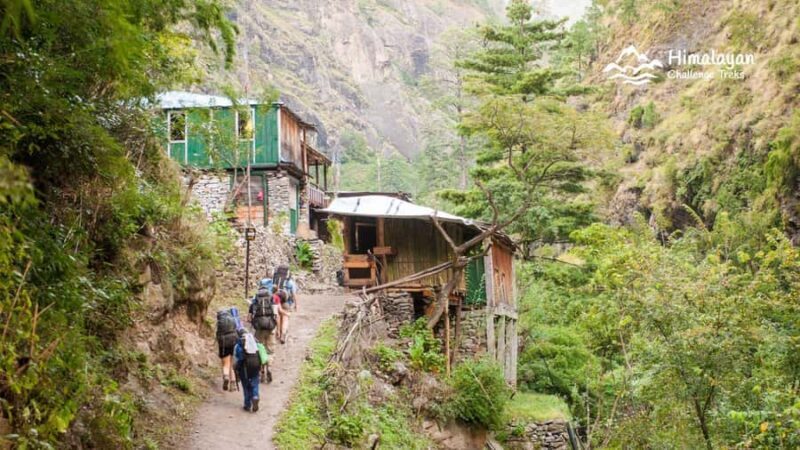
As you progress, the scenery becomes increasingly alpine. The trail takes you through Gurung villages like Sridibas and to the ridge town of Deng, offering stunning views of peaks like Himal Chuli. The ascent continues past Bihi Phedi and Namrung, where you’re greeted by views of Manaslu itself—an unmistakable, towering presence in the landscape.
Day 5 marks a significant elevation gain as you reach Lihi and then Lho, a Gurung village with several monasteries and remarkable mountain vistas. Trekkers often comment on how the landscape shifts dramatically, from lush farmland to stark, rugged mountainscapes.
More Great Tours NearbyDays 6-8: Monasteries, Villages, and Acclimatization
Midway through, you’ll arrive in Samagaun, a bustling hub with stone houses, monasteries, and views of Ngadi Chuli. Many reviewers note that Samagaun is a highlight, offering a glimpse into Himalayan monastery life and stunning mountain panoramas.
A rest day here allows for acclimatization, which is crucial given the high altitude. Visitors often take short hikes around the valley, visiting ancient gompas like Pungyen Gompa, which is over 200 years old. These peaceful spots offer a break from the physical exertion while soaking in more breathtaking scenery.
Days 8-9: Tibetan-Style Villages and Final Pre-La Trek
From Samagaun, the trail takes you through Tibetan-style villages like Samdo, approaching the border with Tibet. This stretch is marked by traditional architecture and yak caravans moving along the trail. The scenery remains impressive—mountain peaks dominate the skyline, and the air feels crisp and sparse at these elevations.
Day 9 includes a final acclimatization walk to Larkya Bazaar, a small trading post with peaks in view. You’ll also start preparing for the challenging crossing of the Larkya La Pass.
Day 10: The Larkya La Pass and Descent
This is the day many consider the climax of the trek. You’ll ascend early, crossing the Larkya La Pass at 5,160 meters, which demands good acclimatization and stamina. The ascent is steep but well-trodden, with switchbacks allowing manageable progress. As you reach the summit, the views of Himlung Himal, Ngadi Chuli, and other giants unfold in all directions.
Descending from the pass, you’ll traverse moraine fields to the serene Bhimthang. It’s a physical but rewarding day, with some reviewers noting the sweep of mountain views and the sense of achievement.
Days 11-12: Return to Kathmandu
The final days take you through rhododendron forests and valley trails, passing Yak Kharka and Tilije. The descent is a mix of forests and terraced fields, leading to the drive back to Besisahar and then Kathmandu.
Many travelers emphasize how the last stretch feels both nostalgic and satisfying, knowing they’ve completed an arduous but profoundly beautiful journey.
Practicalities: What to Expect
Transportation and Group Size
Transportation is arranged from Kathmandu to Arughat and back, with comfortable vehicles for the drive. The group is limited to about 10 people, fostering a close-knit vibe and allowing for personalized attention from guides.
Guides, Permits, and Support
Himalayan Challange Treks provides experienced guides fluent in multiple languages, including English, ensuring you get clear explanations and safety tips. All permits, including the special Manaslu Conservation Area permit, are handled in advance, removing a common headache for trekkers. A porter is included, which helps lighten the load—though many still find the trail physically demanding.
Meals and Accommodation
During the trek, you’ll enjoy three meals a day—local Nepali dishes, often featuring dal bhat, momos, and hearty soups. The teahouses, while basic, are warm and welcoming, with shared dorms and simple amenities. A farewell dinner in Kathmandu caps off the adventure.
Cost and Value
While the tour price includes permits, guide, porter, meals, and transportation, it’s worth considering that this is a premium experience. The value lies in the logistics being taken care of, the small group size, and the quality of the local guides. The trek is a good investment for travelers seeking a well-organized, authentic, and less crowded route.
Who Is This Trek Best For?

This trek is ideal for experienced trekkers who have previously hiked at high altitudes and are comfortable with physically demanding days. It’s suitable for those looking for a more remote, less commercial route that offers authentic Himalayan culture and stunning scenery. Those with a love for challenging passes, mountain views, and culture will find this trek deeply satisfying.
It’s important to remember that altitude sickness is a real risk, and travelers should be prepared to acclimatize properly. This route is not recommended for pregnant women, people with mobility issues, or anyone with health concerns related to heart or respiratory issues.
The Sum Up
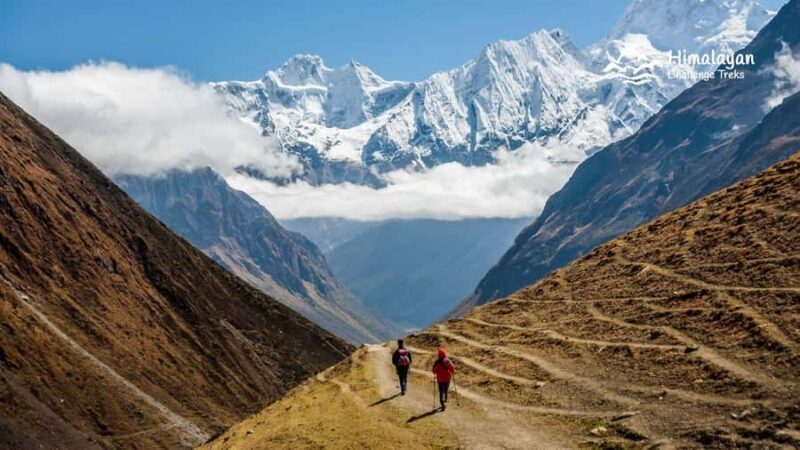
The 12-Day Manaslu Circuit Trek offers a uniquely rewarding way to experience the Himalayas beyond the more popular routes. With towering peaks, ancient villages, and a sense of true adventure, it appeals to seasoned trekkers seeking something more authentic and challenging. The inclusion of all logistics—permits, guides, and meals—means less stress and more focus on enjoying the stunning scenery.
If you’re after a trek that combines natural beauty, cultural richness, and a true Himalayan adventure, this route provides a compelling choice. Just prepare well physically, pack smartly, and get ready for unforgettable mountain panoramas and a deep dive into mountain village life.
FAQ
Is this trek suitable for beginners?
No, this trek is best suited for experienced trekkers due to its high altitude and challenging terrain, including a pass over 5,000 meters.
What is included in the tour price?
The price covers all permits, a guide, a porter, meals during the trek, transportation from Kathmandu to Arughat and back, and a farewell dinner.
How strenuous is the Larkya La Pass?
Climbing the Larkya La Pass is tough but manageable with proper acclimatization and physical preparation. It’s one of the highest and most demanding points of the trek.
Are meals provided daily during the trek?
Yes, you’ll enjoy three meals a day, mainly Nepali dishes, at the teahouses along the trail.
What should I pack?
Bring warm clothing, hiking shoes, snacks, a reusable water bottle, and appropriate trekking gear. Weather can change quickly in the mountains.
How many people will be in my group?
The group size is limited to around 10 participants to ensure a more personalized experience.
Is there a support team on the trek?
Yes, a local guide and porters will support you throughout the journey, handling logistics and carrying supplies.
What is the best time of year for this trek?
While not specified here, the most popular seasons are typically pre-monsoon (spring) and post-monsoon (autumn), offering clearer skies and stable weather.
Can I cancel or reschedule?
Yes, you can cancel up to 24 hours in advance for a full refund, and reservations allow you to pay later for flexibility.
Is this trek suitable for those with health issues?
No, due to the high altitude and physical demands, it’s not recommended for pregnant women or people with mobility, heart, or respiratory conditions.
This comprehensive guide should help you decide whether the Manaslu Circuit Trek is right for your Himalayan adventure dreams. Prepare well, and you’ll find yourself with stories and vistas to cherish for a lifetime.
You can check availability for your dates here: More Great Tours Nearby