If you’re visiting Kyoto and want to truly connect with Japan’s culinary roots, the Kyoto Soba Dojo experience offers a wonderful way to do just that. This 1.5-hour hands-on workshop takes you through the traditional process of making, cutting, and cooking soba noodles, paired with an introduction to crafting dashi, the essential Japanese broth. It’s an intimate, guided session that promises more than just a cooking class—it’s a journey into the heart of Japan’s food culture.
What we love most about this experience is its authenticity—you’re not just following a recipe; you’re learning a skill that’s been passed down for generations. Plus, the chance to enjoy your handmade soba in various ways makes it versatile and fun. The instructor’s professionalism and the well-designed workspace make it accessible, even for first-timers. Lastly, the opportunity to understand the significance of dashi in Japanese cuisine adds another layer of appreciation.
One thing to keep in mind is the group size—limited to just 8 participants—which keeps the experience personal but requires booking in advance. This activity might not be suitable for those with a soba allergy or gluten sensitivities, so it’s worth considering if those are concerns. This class suits food lovers eager to learn traditional techniques or travelers wanting an authentic, memorable activity that’s both educational and delicious.
Authentic Soba Making: Learn to knead, roll, cut, and cook soba noodles from scratch under expert guidance.
Cultural Insight: Explore the significance of dashi and traditional Japanese ingredients.
Flexible Enjoyment: Serve soba cold or hot, with various condiments, highlighting the versatility of this dish.
Limited Group Size: Small groups ensure personalized attention, making it ideal for a more in-depth experience.
Value for Money: At around $130, you get a hands-on lesson plus the chance to enjoy your own culinary creation.
Accessible for Beginners: No prior cooking skills needed, and the instructor is welcoming even for newcomers.
- Setting the Stage: Meeting Point and Location
- The Itinerary: What to Expect
- Why This Experience Really Shines
- The Tasting and Final Moments
- Practical Details and Logistics
- What You’ll Take Away
- The Best Of Kyoto!
- More Tour Reviews in Kyoto
- Not for you? Here's more nearby things to do in Kyoto we have reviewed
Setting the Stage: Meeting Point and Location
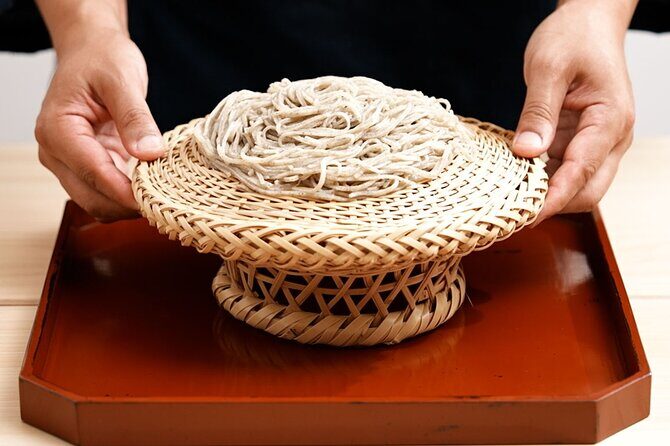
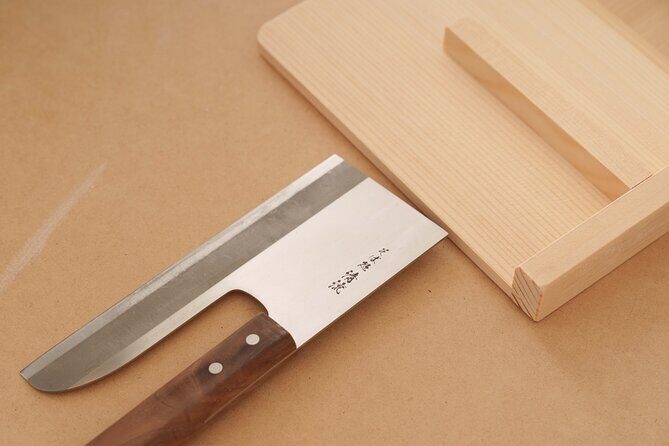
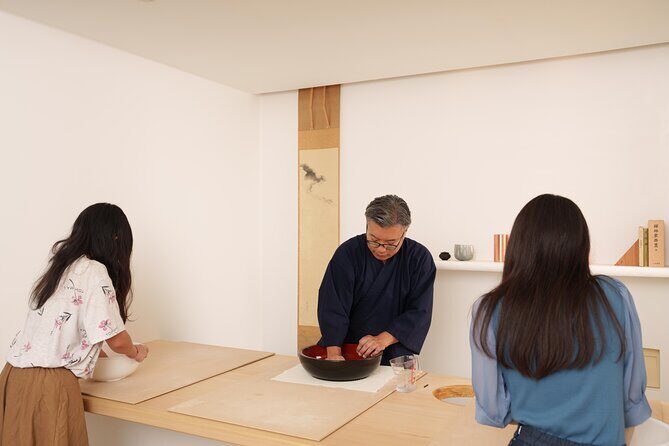
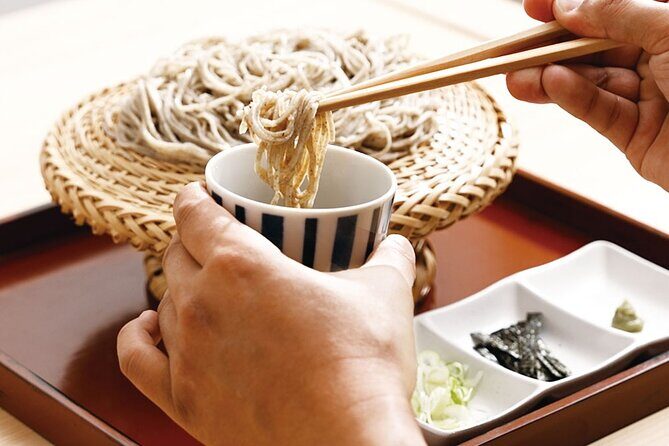
Your soba-making adventure begins at Chanoyu The KYOTO Uzumasa, a venue that provides a peaceful, traditional atmosphere conducive to learning and enjoying Japanese cuisine. The location is conveniently near public transportation, making it easy to reach whether you’re staying in central Kyoto or exploring nearby neighborhoods.
The space itself has been described as a new, well-maintained kitchen area, which adds to the overall comfort and professionalism of the experience. The instructor’s approach is friendly and knowledgeable, ensuring you’ll feel at ease even if it’s your first time handling buckwheat flour.
👉 See our pick of the 25 Best Workshops And Classes In Kyoto
The Itinerary: What to Expect
The experience is designed to be engaging and hands-on. Once you arrive, you’ll be introduced to the history and significance of soba noodles in Japan, including insights into their nutritional benefits as a superfood—rich in protein, vitamins, minerals, and dietary fiber.
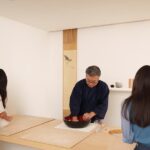
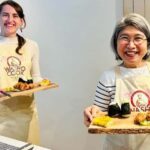
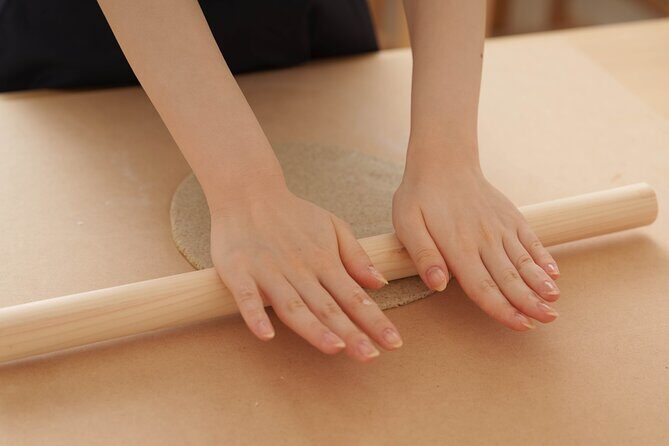
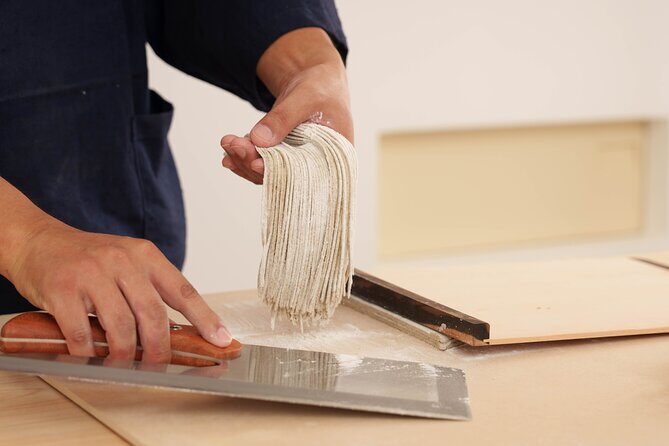
The main part of the workshop involves kneading and preparing the soba dough. You’ll learn how to handle the buckwheat flour properly, ensuring the right texture for cutting. The instructor guides you through rolling out the dough, then carefully slicing it into thin noodles—an art form that takes patience but is surprisingly rewarding.
Following the noodle preparation, you’ll cook your soba either by boiling or serving it chilled, according to your preference. The class also introduces you to crafting dashi, a fundamental broth in Japanese cooking, which adds depth to your soba experience. You might taste the noodles with various condiments or dipping sauces, exploring different flavor combinations.
You can also read our reviews of more tours and experiences in Kyoto.
Why This Experience Really Shines
What makes this class stand out is its emphasis on authenticity and tradition. Unlike generic cooking classes, this experience immerses you in a craft that has been practiced for centuries. The instructor, praised for their professionalism, ensures that even complete beginners can follow along confidently.
The reviews highlight that the workshop is “fun” and “interesting,” with one traveler calling it a “highlight of their Japan visit.” The small group size of just 8 people also means you get ample attention and personalized tips, which enhances the learning process.
The Tasting and Final Moments
Once you’ve finished preparing your soba, you’ll enjoy tasting your handiwork in various styles—cold with a dab of salt or soy-based dipping sauce, or warm in a delicate broth. This flexible approach allows you to appreciate soba’s versatility and find your preferred way of eating it.
Many reviewers appreciated the value for money, comparing the quality of instruction and food favorably to other activities. Plus, the fact that you get to make and eat your own noodles makes the entire experience more than just a demonstration; it’s a real accomplishment.
Practical Details and Logistics
The session lasts approximately 1 hour 30 minutes, which is a perfect length to stay engaged without feeling rushed. The price of $129.65 per person might seem steep at first glance, but considering the skill you learn and the personal connection to Japanese cuisine, many find it well worth it.
Booking is recommended about a month in advance—on average, travelers book 34 days ahead—so plan accordingly. The experience is suited for vegetarians (with vegan options available if requested post-booking), but those with a buckwheat allergy should avoid participation, as soba is a core ingredient.
Cancellation policies are flexible, with full refunds available if canceled at least 24 hours in advance, adding peace of mind to your planning.
KYOTO SOBA DOJO – Making SOBA & Crafting Dashi Experience –

What You’ll Take Away
Beyond the delicious noodles, you’ll gain a new skill, a deeper appreciation for Japanese ingredients, and a memorable story to share. Making soba from scratch is a rare opportunity, and it’s a perfect activity for culinary enthusiasts, culture seekers, or anyone wanting an authentic experience.
This soba-making experience works wonderfully for travelers interested in Japanese food culture and hands-on activities. It’s ideal for those who enjoy learning practical skills and want a deeper understanding of traditional cuisine. Foodies, amateur cooks, and curious travelers alike will find it rewarding.
If you’re traveling with family or friends, it’s a fun, interactive way to bond over a shared culinary challenge. However, those with severe allergies to buckwheat or gluten should look for alternatives, as soba is a main component.
The Kyoto Soba Dojo experience offers a genuine taste of Japan’s culinary traditions in a friendly, accessible setting. From kneading dough to savoring your own noodles, every step emphasizes authenticity and craftsmanship. For around $130, you’re not just tasting soba—you’re making it with your own hands, gaining a valuable skill, and learning about the importance of ingredients like dashi.
This class is especially suited for travelers craving an immersive cultural activity that combines education, fun, and delicious food. It’s an excellent choice for those who want to go beyond sightseeing and engage with Kyoto’s rich food heritage in an intimate, memorable way.
How long is the soba-making experience?
The workshop lasts approximately 1 hour 30 minutes, providing enough time to learn, cook, and enjoy your noodles without feeling rushed.
What is the starting point of the tour?
The experience begins at Chanoyu The KYOTO Uzumasa, a location that offers a calm, traditional environment close to public transportation.
Is this experience suitable for vegetarians?
Yes, vegetarian options are available, and you can request a vegan option by contacting the provider after booking.
Can I participate if I have a soba allergy?
No, participants with soba or buckwheat allergies should avoid this experience, as soba is the main ingredient.
What is included in the price?
You’ll learn the traditional soba making process, craft dashi, and enjoy tasting your freshly cooked noodles in various styles.
How many people are in each group?
The class is limited to a maximum of 8 travelers, ensuring personalized attention and a relaxed learning environment.
Is there a cancellation policy?
Yes, full refunds are available if you cancel at least 24 hours before the experience.
Do I need any prior cooking experience?
Not at all. The instructor is friendly and guides you through each step, making it perfect for beginners.
What should I wear or bring?
Comfortable clothing suitable for hands-on cooking is recommended; all necessary utensils and ingredients are provided.
Embark on this authentic soba journey in Kyoto and walk away with new skills, delicious bites, and a deeper appreciation of Japanese culinary artistry.