- Exploring the Myth of Pejeng Walking Tour: A Deep Dive into Bali’s Sacred Heritage
- Good To Know
- Why You’ll Love the Myth of Pejeng Walking Tour
- Itinerary Breakdown: What to Expect at Each Stop
- Pura Penataran Sasih: Bali’s Oldest Temple and the Bronze Kettle Drum
- Pura Pusering Jagat: The Central Sacred Temple
- Kebo Edan Temple: The Temple of the Crazy Buffalo
- Arca Building Archaeological Museum: Pre-Hindu Bali
- Practical Aspects and Value for Money
- Why the Experience is Worth It
- Who Will Love This Tour?
- FAQs
- In The Sum Up
- The Best Of Ubud!
- More Walking Tours in Ubud
- More Tours in Ubud
- More Tour Reviews in Ubud
- Not for you? Here's more nearby things to do in Ubud we have reviewed
Exploring the Myth of Pejeng Walking Tour: A Deep Dive into Bali’s Sacred Heritage
 1 / 7
1 / 7 2 / 7
2 / 7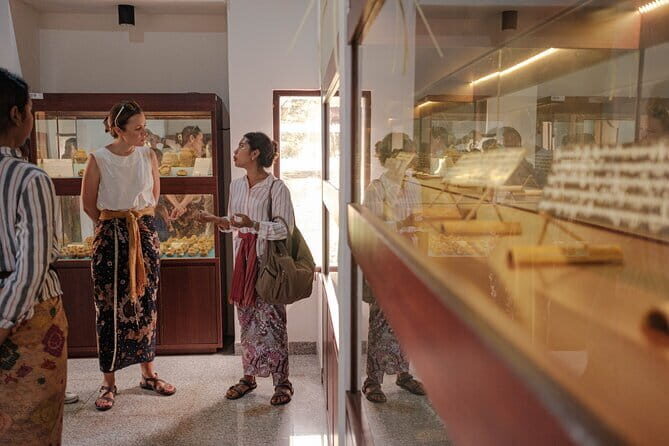 3 / 7
3 / 7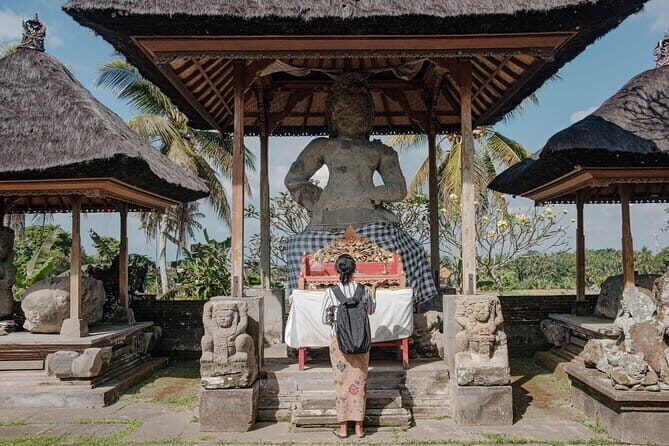 4 / 7
4 / 7 5 / 7
5 / 7 6 / 7
6 / 7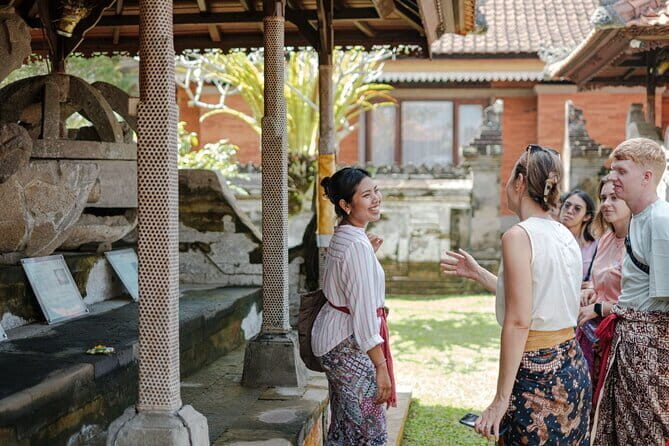 7 / 7
7 / 7If you’re after an authentic taste of Bali’s history, spirituality, and local legends, the Myth of Pejeng Walking Tour offers an enriching two-hour stroll through some of the island’s most intriguing ancient sites. This tour isn’t just about ticking off temples; it’s a chance to understand the spiritual fabric that weaves through Bali’s cultural landscape, all guided by knowledgeable local experts.
What makes this experience stand out? First, the expert guides (with glowing reviews praising their knowledge and friendliness); second, the peaceful, less touristy setting in Pejeng, away from Ubud’s busier streets; third, the access to sacred artifacts and sites that most visitors don’t get to see on their own. However, do keep in mind that the walk involves uneven stairs, some steep sections, and wandering around an outdoor environment—so good mobility and a sense of adventure are helpful.
This tour is ideal if you’re eager to explore Bali beyond the usual tourist spots, enjoy authentic temples, and learn about local myths firsthand. It’s particularly well-suited for those interested in history, culture, and a leisurely pace that balances storytelling with exploration.

👉 See our pick of the 25 Best Guided Tours In Ubud
Good To Know
- Authentic cultural insights delivered by passionate local guides
- Accessible for most with modest physical activity needed
- Includes exclusive access to rare artifacts and sacred sites
- Great value at approximately $21.40 for a comprehensive two-hour experience
- Perfect for history buffs, culture lovers, and curious travelers
- Weather-wise, the tour runs rain or shine, so be prepared for outdoor conditions
You can also read our reviews of more walking tours in Ubud



Why You’ll Love the Myth of Pejeng Walking Tour
This tour offers more than just temple visits—it’s a doorway into Bali’s spiritual and mythological past, delivered by guides like Joe and Win, who earn high praise for their warmth and expertise. For those who enjoy stories and legends, the guide’s narration about the Moon of Pejeng or the mysterious sarcophagi brings history vividly to life.
What truly makes this tour engaging is the balance of educational content and relaxed sightseeing. It’s a chance to see Bali’s sacred sites with an eye for detail—from the ancient bronze kettle drum at Pura Penataran Sasih to the intricate carvings at Pura Pusering Jagat. These stops aren’t just pretty temples; they are active parts of Bali’s spiritual fabric, with some visitors even catching a local ceremony, as a lucky few did during their visit.
Itinerary Breakdown: What to Expect at Each Stop
Pura Penataran Sasih: Bali’s Oldest Temple and the Bronze Kettle Drum
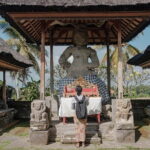
Your journey begins here, where you’ll don traditional sarongs and get special access to Southeast Asia’s largest bronze kettle drum. The Kettle of Pejeng is surrounded by myth and legend, with stories relating it to lunar cycles and ancient Balinese rituals. Several reviews mention how fascinating it is to hear the stories attached to this artifact, especially from guides who are eager to share their knowledge and answer questions.
Expect to spend about 20 minutes exploring this site, which is a quieter, more relaxed setting compared to Ubud’s main temples. The temple itself is a peaceful spot where you can absorb the spiritual energy and get a glimpse of Bali’s ancient craftsmanship.
Pura Pusering Jagat: The Central Sacred Temple
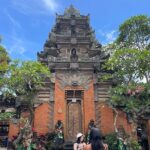
Next, the group moves to Pura Pusering Jagat, one of Bali’s six main Kahyangan temples. This is believed to be situated at the island’s center, adding to its spiritual significance. The intricate carvings and well-preserved architecture make it a visual highlight.
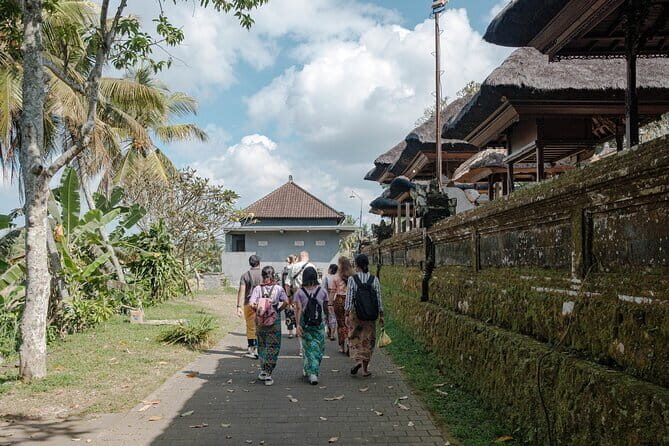
Here, your guide will explain the temple’s role in Balinese cosmology, and you’ll appreciate how it’s an integral part of local religious life. The walk between sites is also appreciated for its peacefulness—many reviewers note that Pejeng is much quieter than Ubud, making it an ideal place to reflect and soak in the scenery.






Kebo Edan Temple: The Temple of the Crazy Buffalo
A more offbeat stop, Kebo Edan features an impressive 13th-century Bhairawa statue recovered from nearby rice fields. The stories surrounding it are compelling, with theories about its unusual origins sparking curiosity. One reviewer mentions the fun of discussing these theories with guides who are eager to share their insights.
This smaller temple offers a glimpse into Bali’s mythological and ritualistic landscape, and many find it to be a highlight for its authenticity and mysterious aura.
Arca Building Archaeological Museum: Pre-Hindu Bali
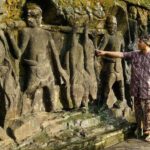
The final stop takes you to an archaeological site where ancient sarcophagi and relics reveal what Bali was like before Hindu influence took hold. This outdoor museum lets you walk amidst relics that are hundreds of years old, adding a sense of stepping back in time.
Guides excel at explaining the significance of these artifacts, helping visitors appreciate the continuity and change in Bali’s cultural identity. Reviewers point out that this part of the tour provides a compelling context for understanding how Bali’s spiritual practices have evolved.
Practical Aspects and Value for Money
The tour is priced at about $21.40 per person, which offers excellent value considering the expert guide, access to sacred sites, and included refreshments—coffee, tea, and a snack. The small group size (max 8 travelers) ensures personalized attention, making it easier to ask questions and engage with the storytelling.
The tour’s duration of roughly 2 hours strikes a good balance—enough time to see key sites without feeling rushed. The fact that it’s a walking tour means you’ll get plenty of fresh air and a chance to view Bali’s rural side, away from the busy Ubud streets.
While transportation is not included, the meeting point at Indomaret Pejeng is easy to find, and the tour operates rain or shine—so pack an umbrella just in case. Reviewers note that the uneven temple stairs and some steep sections mean good mobility is preferable, but overall, most travelers find it accessible.
Why the Experience is Worth It
Many visitors highlight that the knowledgeable guides like Joe and Win make all the difference. Their storytelling, combined with exclusive access to parts of the temples, creates an immersive experience. Guests also appreciate the opportunity to witness local ceremonies if they happen to coincide with your visit.
The inclusion of local snacks and drinks adds a nice touch, giving you a taste of Bali’s hospitality. Plus, the ethical aspect of bringing a reusable bottle aligns with environmental values, which many travelers now prioritize.
Who Will Love This Tour?
If you’re curious about Bali’s spiritual traditions, legends, and ancient artifacts, this tour delivers a layered, genuine experience. It’s perfect for history buffs, culture enthusiasts, and those seeking a peaceful, informative walk through sacred sites. The small group size and friendly guides make it ideal for travelers who prefer a more intimate and personalized experience.
However, if you have mobility issues or prefer fully guided transportation, this walking tour may require some planning. Also, those looking for a quick overview or guided temple visits with transportation included might want to consider other options.
FAQs
Is the tour suitable for children or elderly travelers?
While most travelers can participate, the tour involves walking around uneven temple stairs and outdoor environments. It’s best suited for those comfortable with light physical activity and navigating some steep or uneven paths.
Does the tour include transportation?
No, the tour does not provide pickup or drop-offs. You will need to meet at the specified location in Pejeng.
What should I wear?
Modest clothing is required for temple visits—covering shoulders and knees. Sarongs and sashes are provided, but you can also bring your own.
What is included in the price?
The fee covers the guided tour, temple donations (Rp 60,000), sarong and sash, a Balinese snack, and refreshments like coffee and tea.
Can I book this tour last minute?
It’s recommended to book about 31 days in advance, but last-minute availability depends on demand.
What happens in bad weather?
The tour runs rain or shine. In severe weather, you will be contacted before the start. Be prepared for outdoor conditions and possible muddy or slippery paths.
Is there a limit to the group size?
Yes, a maximum of 8 travelers ensures a personalized experience.
Myth of Pejeng Walking Tour
In The Sum Up
The Myth of Pejeng Walking Tour offers a well-rounded, authentic glimpse into Bali’s sacred landscape and mythological stories. It’s a perfect choice for travelers looking for a meaningful, less touristy experience that combines history, spirituality, and beautiful scenery—all at a very reasonable price.
Guides like Joe and Win elevate the experience with their warmth and deep knowledge, making the stories of Bali’s ancient temples come alive. The inclusion of exclusive site access, cultural insights, and local refreshments creates a memorable outing that you’ll cherish long after the walk ends.
This tour is best suited for those eager to explore Bali’s spiritual roots without the crowds, enjoy a leisurely pace, and leave with a deeper appreciation of the island’s mystical side. Whether you’re a history lover or simply curious about local legends, this experience offers genuine value and a satisfying adventure into Bali’s sacred past.