
An Honest Look at the Social Justice Tour of Adelaide
If you’re curious about how Adelaide’s society has evolved—beyond the scenic parks and bustling streets—then the Social Justice Tour of Adelaide offers a thoughtful glimpse into its past and present. This small-group walking experience, lasting just about two hours, focuses on the city’s journey toward equality, reform, and social change. Led by passionate guides, it explores historic sites and stories that reveal Adelaide’s commitment to fairness and progress.
What makes this tour particularly appealing? First, it’s deeply educational—covering everything from early colonial reforms to modern social policies. Second, the small-group format ensures an intimate experience, perfect for asking questions and soaking up local insights. Third, the tour is affordable at $36.93, especially considering the rich and meaningful content packed into just two hours. On the flip side, it’s a walking tour, so it’s worth considering if mobility could be an issue or if you prefer a more leisurely pace with additional stops.
This experience is best suited for history buffs, social justice advocates, and curious travelers who want more than just pretty sights. If you enjoy learning about how laws, culture, and activism have shaped a city—and are keen to see Adelaide through the lens of equality—this tour will resonate deeply.
- Good To Know
- A Deep Dive into the Adelaide Social Justice Tour
- The Introduction: Setting the Stage at Parliament House
- Government House: A Seat of Power and Progress
- Dame Roma Mitchell: A Trailblazing Woman
- Mary Lee and Muriel Matters: Women’s Rights Champions
- The Centre of Democracy: Don Dunstan’s Reforms
- The State Library: Honoring Catherine Helen Spence
- Migration Museum: A Reflection on Social Support Systems
- South Australian Police Historical Society Museum: Justice and Order
- The University of Adelaide: Education and Gender Equity
- Scots Church and Environmental Policies at The Austral
- The Experience: What You Can Expect
- Why Reviewers Love It
- Who Should Consider This Tour?
- Final Thoughts
- FAQ
- More Tours in Adelaide
- More Tour Reviews in Adelaide
- Looking for something different? Other Adelaide activities we've written about
Good To Know

- Rich Educational Content: Learn about pivotal social reforms in Adelaide’s history.
- Authentic Sites: Visit landmarks like Parliament House, Government House, and the State Library.
- Expert Guides: Knowledgeable guides like Graeme offer detailed insights and personal stories.
- Inclusive Experience: Designed for most travelers, with service animals allowed.
- Cost-Effective: Priced at just under $37 with a two-hour duration.
- Focus on Social Justice: From women’s rights to Indigenous recognition, the tour covers vital topics.
A Deep Dive into the Adelaide Social Justice Tour
Find more activities and experiences we've covered in Adelaide.
The Introduction: Setting the Stage at Parliament House
Starting at Parliament House, the tour immediately grounds you in Adelaide’s political roots. Here, you’ll get a quick overview of Wakefield’s colonization scheme, which set the stage for social development. The guide will introduce the core concept of social justice—what it meant historically and why it remains vital today. You’ll also learn about groundbreaking parliamentary reforms, including the introduction of the Secret Ballot, which transformed voting transparency and fairness.
Helen_H, a recent participant, noted that Graeme’s research and professionalism are “outstanding,” highlighting how thoroughly he links Adelaide’s legal reforms to broader social changes. She appreciated the way the guide connects past laws to contemporary issues, making history feel immediately relevant.
Government House: A Seat of Power and Progress
Next, a short walk brings you to Government House, Australia’s oldest continuously used residence. Here, discussions focus on the significance of leadership in social justice—highlighting the appointment of Australia’s first Indigenous Governor and the first female Governor. These milestones symbolize progress in representation and inclusion, echoing ongoing social reforms.
The historic house itself offers a glimpse into Adelaide’s colonial legacy, but it’s the stories of leadership that make this stop compelling. This site demonstrates how leadership can reflect societal values and inspire change.
Dame Roma Mitchell: A Trailblazing Woman
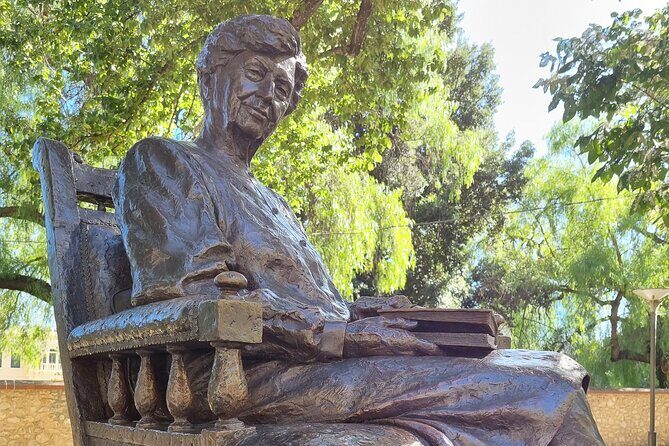
The tour then moves to Dame Roma Mitchell’s statue—an icon of gender equality and judicial reform. She broke numerous glass ceilings as Australia’s first female QC, a High Court judge, and the first woman Vice-Chancellor of an Australian university. Her story illustrates the impact one determined person can have on the legal and educational landscape.
Guests often comment on how her achievements symbolize the fight for women’s rights, with Graeme emphasizing her role in shaping a more equitable legal system. This stop offers both inspiration and insight into gender equality milestones.
Mary Lee and Muriel Matters: Women’s Rights Champions
From Dame Roma Mitchell, the conversation shifts to Mary Lee, a leader in South Australia’s Women’s Suffrage movement, and Muriel Matters, a suffragette and activist. These figures underscore Adelaide’s early commitment to women’s rights. You’ll learn about their campaigns, struggles, and victories that contributed to women gaining the vote.
One review quotes Graeme’s detailed recounting of Mary Lee’s contributions, adding a personal touch to her story. It’s clear this part of the tour celebrates women’s activism as a cornerstone of social justice in Adelaide.
The Centre of Democracy: Don Dunstan’s Reforms
Entering the Centre of Democracy, you’ll discover how Premier Don Dunstan championed social reforms in the 1960s and 70s. His leadership ushered in progressive changes—ranging from civil rights to environmental policies. The exhibits narrate how one leader’s vision can influence the societal fabric profoundly.
The guide emphasizes that Dunstan’s reforms laid groundwork for contemporary issues like renewable energy and recycling policies, linking historical activism to today’s environmental concerns.
The State Library: Honoring Catherine Helen Spence
The library visit spotlights Catherine Helen Spence, Australia’s first female journalist and politician, who tirelessly advocated for women’s suffrage and social reform. Walking through the library, you get a sense of her legacy—highlighting her pioneering role in media and politics.
Guests often find her story inspiring, especially as a reminder that individual effort can lead to systemic change. Graeme’s storytelling emphasizes her enduring influence on Australian society.
Migration Museum: A Reflection on Social Support Systems
Set on the site of the former Destitute Asylum, this museum explores social welfare reforms for the most vulnerable—homeless, destitute, and unmarried mothers—during the 19th and 20th centuries. It’s a sobering reminder of society’s ongoing responsibility to support those in need.
The museum’s context helps visitors understand how social attitudes and policies have evolved, encouraging reflection on current support systems. The tour naturally sparks questions about ongoing social justice issues.
South Australian Police Historical Society Museum: Justice and Order
Housed in the old Mounted Police Barracks from the 1850s, this stop discusses the history of policing in South Australia—the third oldest organized police force in the world. It covers how law enforcement has played a role in social justice, from maintaining order to enforcing new laws.
Graeme shares stories of the police force’s early days and its evolving role, making it clear that justice is a complex, ongoing pursuit. It provides context for how societal values influence law enforcement practices.
The University of Adelaide: Education and Gender Equity
Founded in 1874, the university is one of Australia’s oldest. The tour highlights its pioneering admission of women to degrees, a significant step for gender equality in education. Visitors learn how such policies helped break down barriers for women in higher learning.
This stop illustrates how educational institutions serve as catalysts for social reform, shaping future generations’ perspectives.
Scots Church and Environmental Policies at The Austral
The final stops include Scots Church, emphasizing South Australia’s early embrace of religious freedom and separation of church and state, and The Austral, where you’ll hear about laws regarding liquor, environmental initiatives, and the Voice to Parliament. These sites connect social justice to community values and policy.
The discussion of renewable energy quotas and recycling policies shows Adelaide’s ongoing commitment to sustainability and social responsibility.
The Experience: What You Can Expect
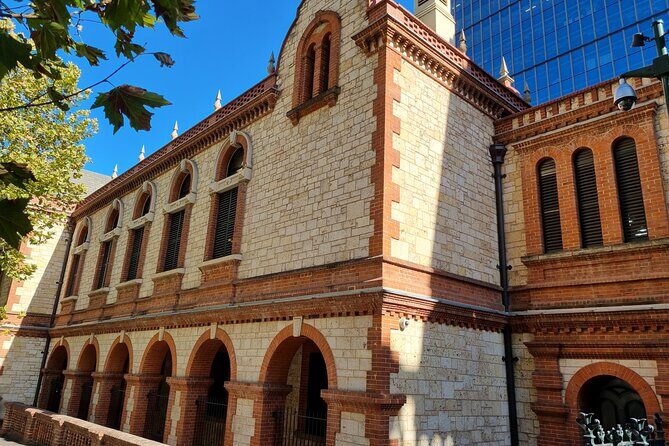
Throughout the tour, Graeme and similar guides offer detailed insights, often sharing anecdotes and stories that deepen your understanding. The sites visited are mostly public institutions, statues, and monuments, giving you a tangible connection to Adelaide’s social evolution.
The group size is capped at 20, making for an engaging, interactive experience—perfect for asking questions or sharing your own thoughts. Expect to walk at a moderate pace, with plenty of opportunities to absorb information and take photos.
The tour’s price of $36.93 offers excellent value considering the depth of content and expert guidance. While it doesn’t include transportation or food, the focus on walking and storytelling makes it a practical and enriching experience.
Why Reviewers Love It
Reviewers like Helen_H praise Graeme’s knowledge, describing him as “both broad and deep,” with a knack for connecting historical reforms to current issues. She also appreciated the tour’s balanced approach—informative yet engaging, never overwhelming.
Another reviewer highlighted how the tour’s stories about women’s rights and Indigenous leadership made the history feel alive and relevant. The fact that the tour touches on many aspects of social justice—from legal reforms to environmental policies—gives a rounded perspective.
Who Should Consider This Tour?
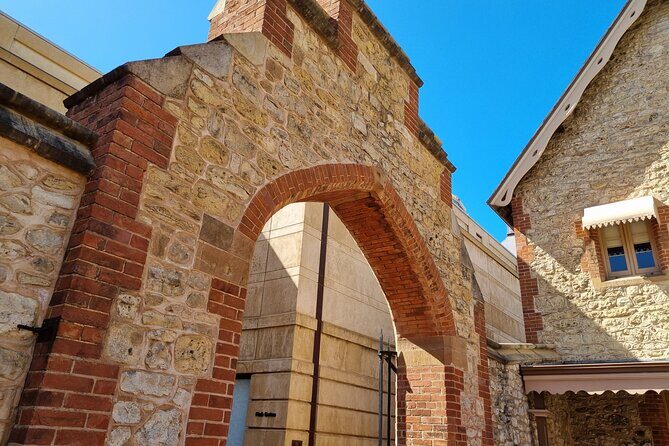
This tour is ideal for history enthusiasts, social activists, students, or curious travelers interested in Adelaide’s societal journey. It’s suited for those who prefer a walking experience that combines education with reflection. If you’re seeking a fun, superficial overview of the city, this might not be the right fit. But for meaningful learning and authentic storytelling, it’s a compelling choice.
Final Thoughts
The Social Justice Tour of Adelaide offers far more than a typical city stroll. It’s a thoughtful exploration of how laws, activism, and leadership have shaped the city’s identity. Led by knowledgeable guides like Graeme, it balances historical facts with contemporary relevance, making social justice tangible and inspiring.
At just under $37, the tour provides exceptional value—especially for travelers eager to understand Adelaide’s core values and ongoing struggles for equality. It’s a deep dive into how a city’s past informs its present and future, making it perfect for anyone wanting a meaningful, well-rounded experience.
Whether you’re a local wanting to reconnect with your city’s roots or a visitor eager to see Adelaide’s social fabric beyond the surface, this tour is a compelling way to spend a couple of hours.
FAQ
Is the tour suitable for all ages?
Yes, most travelers can participate. The tour is designed to be accessible to a broad audience, with a moderate pace and engaging storytelling.
Does the tour include transportation?
No, it is a walking tour, so you’ll be exploring on foot from site to site. Comfortable shoes are recommended.
Are there any entrance fees?
Most stops are at public sites and monuments, which are free to view. The tour itself costs $36.93, but some locations like Parliament House and Government House are free to enter.
What is the group size?
The tour is limited to a maximum of 20 travelers, ensuring a more personal and interactive experience.
Are service animals allowed?
Yes, service animals are permitted to accompany participants.
How long in advance should I book?
Most people book about 62 days ahead on average, so it’s good to plan ahead to secure a spot.
What should I bring?
Bring comfortable walking shoes, water, and perhaps a camera or notebook for notes.
Can I cancel if my plans change?
Yes, free cancellation is available up to 24 hours before the tour, allowing flexibility if needed.
In essence, the Social Justice Tour of Adelaide is a compelling, educational journey that sheds light on the city’s ongoing pursuit of fairness and equality. It’s perfect for travelers seeking meaningful stories, authentic sites, and a chance to see Adelaide from a socially conscious perspective.
More Tours in Adelaide
- Adelaide “Firsts” Walking Tour – From Grid Plans to Great Wine
- McLaren Vale 4×4 Premium Food and Wine Tour with Private Lunch
- Adelaide Hills Wine & Wildlife Private Tour, inc Hahndorf & lunch
- Private Tours (Group of 5-7)
- Adelaide: Private Boutique Wine Tasting & Sightseeing Tour
- Barossa Valley Small Group Tour with Wine tastings and lunch
More Tour Reviews in Adelaide
- Adelaide “Firsts” Walking Tour – From Grid Plans to Great Wine
- McLaren Vale 4×4 Premium Food and Wine Tour with Private Lunch
- Jacob’s Creek Double Barrel Signature Tasting Experience & Lunch
- Adelaide Hills Wine & Wildlife Private Tour, inc Hahndorf & lunch
- Private Tours (Group of 5-7)
- Private Day Trip to Hahndorf and McLaren Vale Bus
Looking for something different? Other Adelaide activities we've written about
- Social Justice Tour of Adelaide
- Adelaide “Firsts” Walking Tour – From Grid Plans to Great Wine
- McLaren Vale 4×4 Premium Food and Wine Tour with Private Lunch
- Jacob’s Creek Double Barrel Signature Tasting Experience & Lunch
- Adelaide Hills Wine & Wildlife Private Tour, inc Hahndorf & lunch
- Private Tours (Group of 5-7)
- Private Day Trip to Hahndorf and McLaren Vale Bus
- Discover Barossa: 4 Wine Tastings, Gourmet Lunch, and Hidden Gems
- Adelaide: Private Boutique Wine Tasting & Sightseeing Tour
- Barossa Valley Small Group Tour with Wine tastings and lunch
- Adelaide: Hidden Bar Tour with Local Guide
- Adelaide: City to Sea, Bike and Kayak Safari