
Traveling through Hiroshima isn’t just about ticking off sights; it’s about understanding a city that has transformed tragedy into a powerful message of peace. This Hiroshima Peace Walk offers an engaging, respectful way to explore key memorials and landmarks, guided by a knowledgeable PhD scholar. It’s a quiet, reflective experience that balances history, culture, and humanity.
What makes this tour stand out is its insightful guide, the chance to see the city illuminated at dusk, and the thoughtful combination of historical sites with a taste of local life. We especially love how the tour weaves storytelling into each stop, making history feel alive and personal. The only potential downside? The tour’s focus on somber landmarks might feel heavy for some, but it’s a crucial part of truly understanding Hiroshima’s story.
This experience is perfect for history buffs, those seeking a meaningful cultural encounter, or travelers who want to reflect on the importance of peace with guided support. If you’re after a respectful, authentic look at Hiroshima’s past while enjoying a taste of its present, this walk fits the bill.
- Good To Know
- A Close Look at Hiroshima Peace Walk
- An Immersive Introduction to Hiroshima’s Memorials
- Honoring the Victims with Respect and Reflection
- Exploring Hiroshima’s Resilient Architecture and Sites
- Symbols of Peace and Humanity
- Wrapping Up the Memorial Tour with Local Flavor
- Practicalities and Tips
- FAQ
- More Walking Tours in Hiroshima
- More Tour Reviews in Hiroshima
- Looking for something different? Other Hiroshima activities we've written about
Good To Know
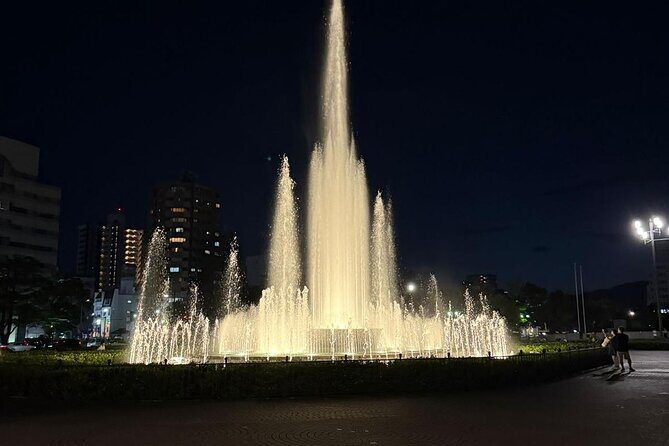
Deeply respectful and educational, the tour offers meaningful insights into Hiroshima’s history.
Guided by an expert, you’ll learn from someone with a PhD, adding depth to every site.
Affordable at under $26, it provides excellent value considering the number of stops and storytelling involved.
Ending with local cuisine, it combines history with a delicious, authentic meal.
Flexible, with free cancellation, making it easy to plan with confidence.
Ideal for reflective travelers, who appreciate both culture and history in equal measure.
A Close Look at Hiroshima Peace Walk
Interested in exploring Hiroshima on foot? Other walking tours we've covered
An Immersive Introduction to Hiroshima’s Memorials
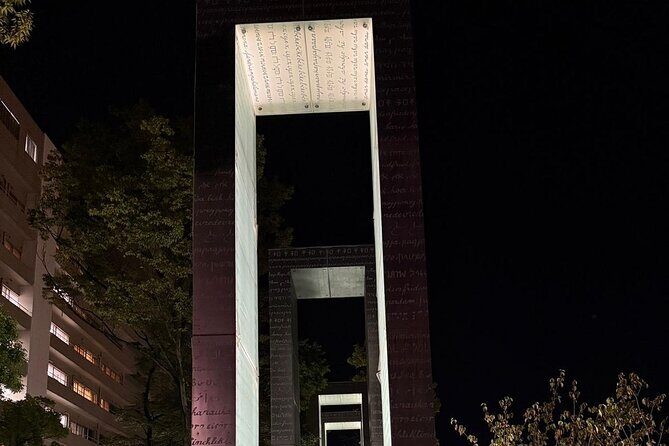
Starting at the Gates of Peace, your walk kicks off with a powerful symbol of hope. These ten gates, inscribed with “peace” in 49 languages, commemorate Hiroshima’s message to the world. It’s a poignant visual reminder of global unity, especially meaningful when you realize it was established on the 60th anniversary of the bombing. We appreciated how this site sets a tone of universal compassion right from the start.
Next, we visited the Arashi no Naka no Boshi Statue, portraying a mother clutching her child during a storm. This bronze sculpture, erected in 1960, encapsulates maternal protection amidst chaos—an emotionally charged piece that sticks with you long after the tour ends. As one reviewer noted, “It symbolizes grief and maternal love, enduring the worst of storms,” which really captures its essence.
Honoring the Victims with Respect and Reflection
The Cenotaph for the A-bomb Victims is a solemn, curved stone monument that serves as an emotional centerpiece. It’s designed to honor all who lost their lives during the bombing. We found that its understated design invites quiet reflection, supported by the guide’s insightful commentary about its symbolism—like the way the cenotaph is shaped to resemble a shelter and the origami cranes symbolizing hope.
Likewise, the Hiroshima National Peace Memorial Hall offers a serene space of remembrance. Inside, visitors can pay respects quietly, which many found deeply moving. The hall’s Hall of Re… (note: incomplete in original data) offers a space for personal reflection, making it a highlight for those wanting a moment of solitude amid the memorials.
Exploring Hiroshima’s Resilient Architecture and Sites
A surprising highlight for many is the Former Bank of Japan Hiroshima, a historic building that survived just 170 meters from the hypocenter. Its resilience is a stark reminder of the destructive power of the bomb and the city’s ability to rebuild. One reviewer mentioned feeling amazed that such a structure remained intact, offering a tangible connection to history.
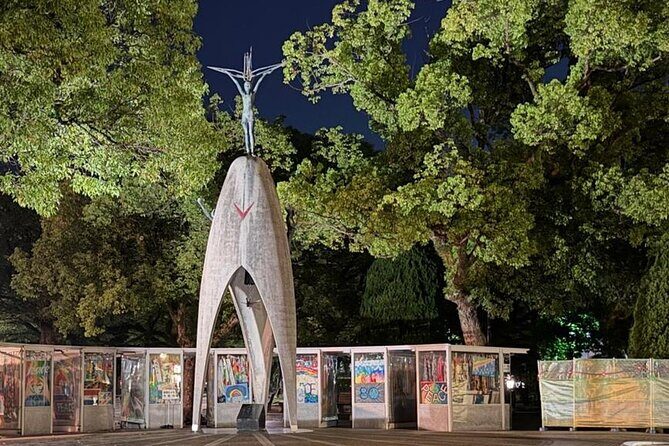
The Children’s Peace Monument, featuring a bronze girl holding a paper crane, is both heartwarming and heartbreaking. Built to honor Sadako Sasaki and other children who perished, it’s a symbol of innocence lost and hope for a peaceful future. Travelers often mention how this site leaves an emotional impression, inspiring reflection on the tragedy’s human cost.
Symbols of Peace and Humanity
The Peace Clock Tower, erected in 1967, stands as a beacon of hope. Its clock, frozen at a time of tragedy, symbolizes humanity’s wish for everlasting peace. We found that its simplicity resonates, especially when illuminated against the evening sky.
The Atomic Bomb Dome, a UNESCO World Heritage Site, is perhaps Hiroshima’s most iconic image. Its ruinous structure, preserved to show the destruction’s scale, is both haunting and beautiful. Visitors told us how standing in front of it feels like witnessing history frozen in time—a visceral reminder of the devastation.
The Hypocenter Monument marks the exact spot of the bomb’s explosion. It’s a stark, unadorned marker, but one that commands respect. Standing there, you can almost imagine the blinding flash and heatwave, making the devastation painfully real.
- Private Miyajima Rickshaw Tour Including Itsukushima Shrine
- All-inclusive Hiroshima Nighttime Food and Cultural Immersion
- Hiroshima: Audio Guide to Hiroshima Peace Memorial Park
- Experience Meditation at Shounji Temple, Takehara Hiroshima
- Enjoy a Private Japanese Cooking Class With a Local Hiroshima Family
- Oasa Country Cycling (Free BUS RIDE From Hiroshima With JR Pass)
Wrapping Up the Memorial Tour with Local Flavor
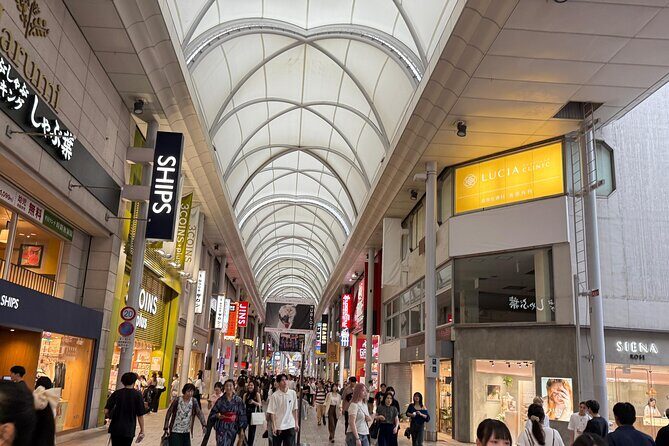
The final stop, Okonomiyama, is a lively multi-story food village famous for okonomiyaki, Hiroshima’s layered savory pancake. After a profound day of reflection, sitting down to taste this local specialty feels like a perfect way to connect Hiroshima’s past with its present. Watching the chefs prepare the okonomiyaki right before your eyes adds an authentic, engaging touch.
Guests often rave about the delicious food and vibrant atmosphere. One reviewer praised the meal as “a fantastic way to end a meaningful day,” appreciating the blend of culture and comfort after an emotionally charged walk.
Practicalities and Tips
This tour starts at the Gates of Peace in Hiroshima’s Nakajima area and concludes at Nagataya, a local restaurant. It lasts about three hours, making it a manageable experience even for those with tight schedules. The group size is capped at 100, which helps maintain an intimate and educational atmosphere, though it can feel crowded during peak times.
The $25.87 price covers a guided experience, all site visits, and the ending dinner. Considering the depth of the sites and the expert guide, this is very reasonable. The tour is accessible, with most travelers able to participate, and it’s offered with free cancellation, providing peace of mind.
Transportation options are nearby, and the meeting point is easy to find, especially if you’re familiar with Hiroshima’s city center. Since the tour is guided by a scholar, you’ll get a lot of context, making each site more than just a photo opportunity.
The Hiroshima Peace Walk offers a uniquely respectful approach to understanding one of history’s most profound tragedies. It’s a thoughtful mix of memorial sites, educational insights, and local culture, all guided by an expert who clearly cares about conveying Hiroshima’s message of peace.
This tour suits travelers who want more than just sightseeing—it’s for those eager to reflect, learn, and connect emotionally with Hiroshima’s story. The ending at the food village makes it a well-rounded experience, blending history with the chance to taste the city’s signature dish.
If you’re seeking an authentic, respectful way to understand Hiroshima’s past and present, this tour provides a meaningful and accessible introduction. The combination of expert guidance, poignant sites, and local flavor makes it both valuable and memorable.
FAQ

How long does the Hiroshima Peace Walk take?
The tour lasts approximately 3 hours, which is enough time to visit all the key sites without feeling rushed.
Is the tour suitable for all ages?
Most travelers can participate, and it’s designed to be accessible. However, the somber nature of the memorials might be more suited to mature audiences.
What is included in the price?
The $25.87 fee covers the guided walk, all site visits, and the final dinner at Okonomiyama.
Are the sites free to visit?
Yes, all the memorials and landmarks visited during the tour are free of charge.
Is transportation provided during the tour?
No, transportation isn’t specified, but the meeting point is conveniently located near public transit.
Can I cancel the tour?
Yes, free cancellation is available up to 24 hours before the start time.
What makes this guide different?
The guide is a PhD scholar, offering deep insights and contextual stories that elevate the experience beyond typical tours.
What should I bring?
Comfortable walking shoes, a water bottle, and perhaps a notebook if you want to jot down reflections or questions.
Is the food included?
Yes, the dinner at Okonomiyama is included in the price.
What is the best time to do this tour?
Evening tours are recommended for the stunning illuminated sights and reflective atmosphere, but the timing can be flexible depending on your schedule.
This guided walk provides a compelling, respectful way to engage with Hiroshima’s history—an experience that balances education, reflection, and local flavor. Whether you’re a history enthusiast or a casual traveler seeking depth, this tour offers a meaningful way to walk through Hiroshima’s past and hope for its future.
More Walking Tours in Hiroshima
- History of Hiroshima Private Walking Tour
- History of Hiroshima Private Walking Tour
- Home Experience: Tea Ceremony & Moss Garden Walk(Day trip)
- Hiroshima: Foodie & Nightlife Walking Tour with Culinary
- Historical Hiroshima GPS App Walking Tour Mobile Game
- Hiroshima: Miyajima Half-day Historical Walking Tour
More Tour Reviews in Hiroshima
- History of Hiroshima Private Walking Tour
- Private Hiroshima Early Morning Tour with English-Speaking Guide
- Private Hiroshima Tour in Spanish: History, excitement, and a local guide
- Hiroshima: Anime Singing Lesson with Cosplay Video
- Hiroshima & Miyajima 6.5h Guided Tour Dome, Park & Shrine
- Kyoto: Hiroshima Peace Memorial Park Private Day Trip
Looking for something different? Other Hiroshima activities we've written about
- History of Hiroshima Private Walking Tour
- 3-Day ONE WAY Bus Tour to Hiroshima via SAN’IN from Fukuoka
- Private Hiroshima Early Morning Tour with English-Speaking Guide
- Private Hiroshima Tour in Spanish: History, excitement, and a local guide
- Hiroshima: Anime Singing Lesson with Cosplay Video
- Hiroshima & Miyajima 6.5h Guided Tour Dome, Park & Shrine
- Hiroshima Private Lacquer Studio Tour & Workshop With a Gift
- Kyoto: Hiroshima Peace Memorial Park Private Day Trip
- Hiroshima: 1-Day Hiroshima and Miyajima Tour
- Traditional Japanese Healing Treatments
- Hiroshima & Miyajima Tour: Peace Park, Dome & Shrine Visit
- FromOsaka/Kyoto:Hiroshima & Miyajima Private Tour with Lunch