Planning a trek to the Annapurna Sanctuary? This 12-day adventure from Pokhara offers a chance to witness some of the most iconic Himalayan scenery, explore traditional villages, and relax in natural hot springs. While the journey demands moderate effort, the rewards are well worth it—if you’re prepared for high-altitude trekking and variable weather.
What makes this trek especially appealing are the spectacular mountain vistas, the chance to connect with local Gurung and Magar communities, and the soothing experience of soaking in Jhinu Danda’s hot springs. That said, it’s not a trip for everyone: if mobility or respiratory issues are a concern, this might be less suitable. Overall, it’s ideal for those seeking an authentic, scenic, and culturally enriching Himalayan experience.
- Good To Know
- An In-Depth Look at the Trekking Experience
- Day 1-2: Arrival in Pokhara and Trek Introduction
- Day 3-4: Trek to Nayapul and Ulleri
- Day 5-6: Into Rhododendron Forests and Ghorepani
- Day 7: Poon Hill and Descend to Tadapani
- Day 8-9: Cross the Chhomrong Valley and Trek to ABC
- Day 10: Annapurna Base Camp
- Day 11: Return to Jhinu Danda and Hot Springs
- Day 12: Back to Pokhara
- What You Can Expect Along the Way
- Cultural Encounters and Village Life
- Scenic Highlights
- Hot Springs and Rest Stops
- Accommodations and Food
- Practical Aspects
- Analyzing the Value
- Who Is This Trek Best For?
- The Sum Up
- FAQ
- The Best Of Pokhara!
- More Spa & Hot Springs in Pokhara
- More Hiking & Trekking Tours in Pokhara
- More Tour Reviews in Pokhara
- Not for you? Here's more nearby things to do in Pokhara we have reviewed
Good To Know
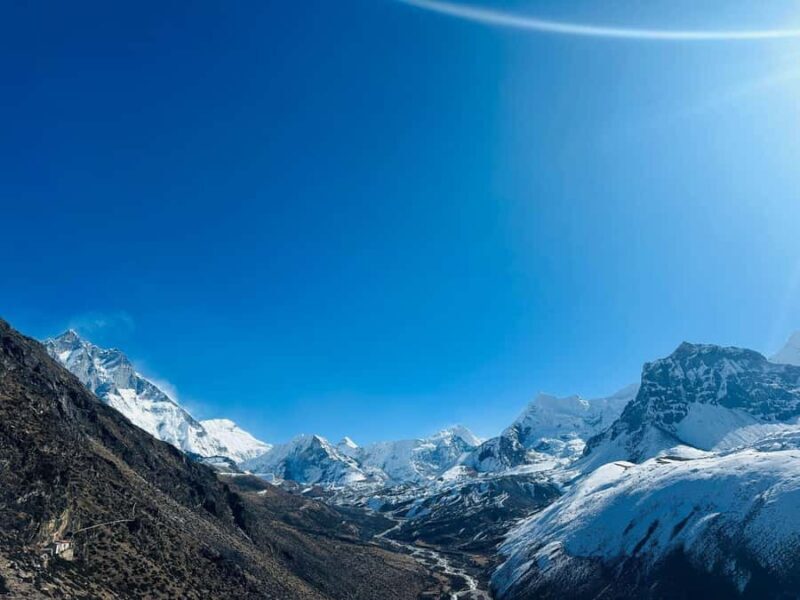
- Stunning scenery with panoramic views of Annapurna, Machapuchare, and the surrounding peaks
- Cultural immersion through visits to Gurung and Magar villages and interaction with locals
- Hot springs at Jhinu Danda offer a relaxing end to challenging trekking days
- Comfortable tea house accommodations provide a cozy base amid natural beauty
- Moderate difficulty, suitable for trekkers with good fitness levels and some trekking experience
- Flexible booking options with free cancellation up to 24 hours before the tour
👉 See our pick of the 6 Best Shopping Tours In Pokhara
An In-Depth Look at the Trekking Experience
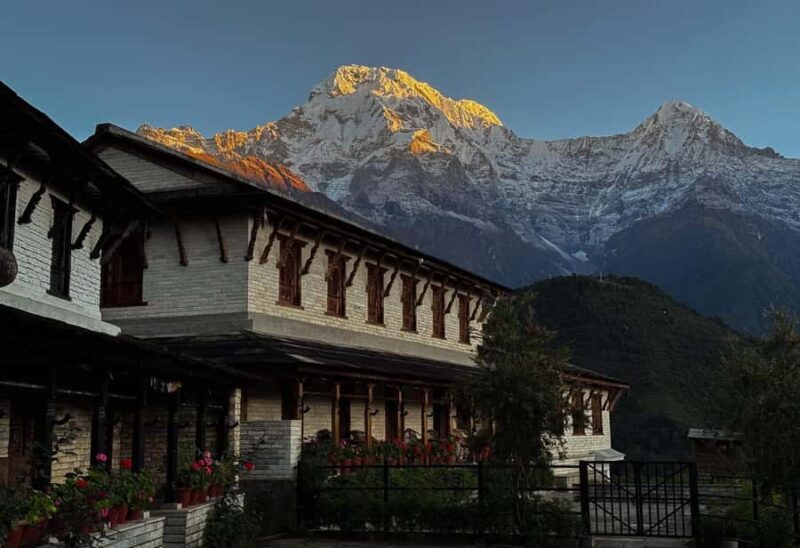
Starting from Pokhara, this 12-day trek is built around the classic route into the Annapurna Sanctuary. It’s designed to showcase Nepal’s diverse landscapes—from terraced farmland and lush rhododendron forests to snow-capped peaks—while offering cultural insights along the way. The trek balances scenic views, village visits, and a touch of relaxation, creating a well-rounded Himalayan adventure.
You can also read our reviews of more hiking tours in Pokhara
Day 1-2: Arrival in Pokhara and Trek Introduction
Most groups begin in Pokhara, a city famed for its lakeside charm and mountain vistas. Before hitting the trail, you’ll meet your guides and fellow trekkers, review gear, and go over safety protocols. We loved the chance to prepare with experienced guides who shared practical tips about the journey ahead. You’ll also have time to explore Pokhara’s bustling lakeside area and get a feel for Nepali life.
Day 3-4: Trek to Nayapul and Ulleri
The trek officially kicks off with a drive or bus ride from Pokhara to Nayapul, followed by a gradual ascent into the hills. The walk to Ulleri (about 2,000 meters) involves crossing stone staircases and terraced fields. This part of the trail introduces trekkers to local farming practices and traditional village life. Expect a gentle start, with lush greenery and birdcall filling the air.
Day 5-6: Into Rhododendron Forests and Ghorepani
As you ascend further, the landscape transforms into vibrant rhododendron forests (which bloom beautifully in spring), and the trail becomes more challenging but rewarding. Spending the night in Ghorepani at around 2,860 meters gives you a chance to acclimatize and prepare for the next day’s early morning hike to Poon Hill. This spot offers arguably the best sunrise view in the area, with mountains like Dhaulagiri and Annapurna I looming in the distance.
More Great Tours NearbyDay 7: Poon Hill and Descend to Tadapani
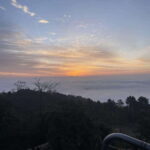
An early start to Poon Hill (3,210 meters) rewards you with a jaw-dropping panoramic sunrise over the Himalayas. We found the early morning climb totally worth the crisp mountain air and the unforgettable views. Afterwards, you trek down to Tadapani, nestled among dense forests, offering a peaceful respite after the morning’s exertion.
You can also read our reviews of more tours and experiences in Pokhara


Day 8-9: Cross the Chhomrong Valley and Trek to ABC
Walking through lush forests and traditional villages, you’ll continue toward Chhomrong, a bustling village with stunning mountain views. From here, the trail steepens as you ascend toward the Annapurna Base Camp (around 4,130 meters). The walk through the bamboo and rhododendron forests is a highlight, with occasional sightings of wildlife and mountain goats. The closer you get, the more awe-inspiring the scenery becomes.
Day 10: Annapurna Base Camp
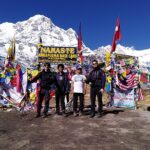
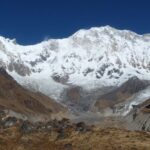
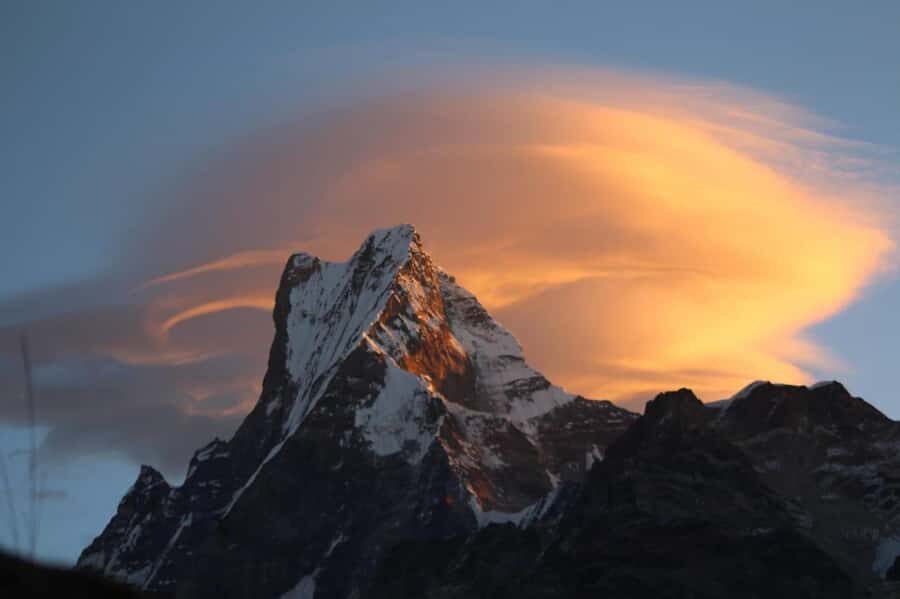
The moment arrives at Annapurna Base Camp—an incredible feat after those days of effort. From here, you’ll enjoy close-up views of Annapurna I, Annapurna South, and Machapuchare (Fishtail). The camp itself is a surreal landscape, with glaciers and towering peaks providing a dramatic backdrop. We loved the feeling of standing at the foot of some of the world’s highest mountains—truly a once-in-a-lifetime moment.
Day 11: Return to Jhinu Danda and Hot Springs
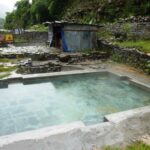
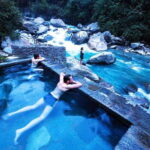
Descending from ABC, you reach Jhinu Danda, famous for its natural hot springs. After the physically demanding days, soaking in the warm waters is a perfect way to relax muscles and unwind. Many travelers comment on how rejuvenating the springs are after trekking through rugged terrain. It’s a good spot to reflect on the journey and enjoy the company of fellow trekkers.
Day 12: Back to Pokhara
The final leg takes you back down the trail to Nayapul, followed by a drive to Pokhara. This last day often feels bittersweet—your adventure is winding down, but you take with you memories of incredible mountain vistas, cultural exchanges, and a sense of achievement.
What You Can Expect Along the Way
Cultural Encounters and Village Life
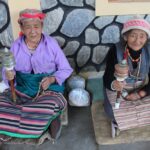
Throughout the trek, you’ll pass through Gurung and Magar villages where traditional lifestyles still flourish. Guides often facilitate opportunities for you to interact with locals, learn about their customs, and see their daily routines. Many reviews mention how friendly and welcoming villagers are, often offering a glimpse into authentic mountain life.
Scenic Highlights
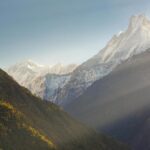
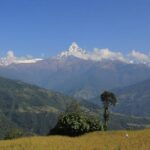
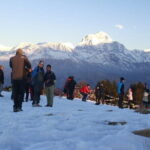
Expect to see panoramic mountain views from elevated points like Poon Hill and ABC. The towering peaks, glaciers, and alpine landscapes are what most travelers come to Nepal for. Rhododendron forests in bloom add bursts of color, while terraced fields showcase centuries-old farming practices.
Hot Springs and Rest Stops
Jhinu Danda’s hot springs are a favorite highlight, providing a soothing soak after strenuous days. The springs are natural and set amidst a peaceful forested setting, making for a relaxing break that many reviews find essential to the experience.
Accommodations and Food
Staying in tea house accommodations means cozy rooms, often with shared bathrooms and local touches. The food is hearty and Nepali in flavor—dal bhat (lentil soup with rice), momos (dumplings), and energy-boosting snacks. Guides emphasize the importance of staying well-hydrated and nourished to keep energy levels high.
Practical Aspects
The trek’s moderate difficulty means you should have good fitness but don’t need to be an ultra-athlete. Proper acclimatization and pacing are built into the itinerary, reducing the risk of altitude sickness. Group sizes tend to be small and private, offering a personal, flexible experience. The tour provider, Mountain Ascend Treks, offers flexible cancellation policies and the option to reserve without immediate payment, making planning easier.
Analyzing the Value
While the cost of a 12-day guided trek can seem high, the value becomes clear when considering experienced guides, comfortable accommodations, and logistical support. You’re paying for safety, local expertise, and the convenience of arranged transport and hot springs access. Plus, the chance to focus on the scenery and cultural interactions without worrying about navigation makes this a worthwhile investment.
Travelers have appreciated the flexibility of booking and canceling, and the guides’ knowledge adds depth to the journey—some reviewers mention guides who are both professional and personable, making the experience more enriching.
Who Is This Trek Best For?
This trek suits adventurous beginners with good fitness who want a structured, well-supported Himalayan experience. If you’re comfortable walking several hours a day, ascending to high altitudes, and facing variable weather, you’ll find this journey rewarding. It’s also ideal for travelers eager to combine scenic beauty with cultural discovery and relaxation in natural hot springs.
However, those with mobility challenges, respiratory or heart issues, or altitude sickness concerns should consider other options or consult a doctor before booking. It’s important to note that this trip involves some challenging ascents and descents, so a reasonable level of physical fitness is key.
The Sum Up
The 12-day Annapurna Base Camp trek from Pokhara offers a fantastic balance of adventure, culture, and scenic beauty. You’ll witness some of the most breathtaking mountain vistas in the world, enjoy authentic village interactions, and unwind in soothing hot springs—all with the support of experienced guides. The trek’s moderate difficulty makes it accessible for many, but it still demands good fitness and preparation.
This experience is best suited for travelers seeking a meaningful Himalayan adventure without extreme technical difficulty. It’s ideal for those who want to connect with Nepal’s natural landscapes and local culture while conquering a memorable high-altitude trek.
If you’re dreaming of towering peaks, friendly villages, and a genuine sense of achievement, this trek could be your next great adventure.
FAQ
What is included in the tour?
The tour covers guiding services in English, Hindi, or Korean, comfortable tea house accommodations, hot springs visits, and transportation from Pokhara to trailheads.
Do I need trekking experience?
Not necessarily, but good fitness and a willingness to walk several hours daily are important. The route is moderate in difficulty, designed to be accessible to beginners with proper preparation.
What should I pack?
Bring warm clothing, a camera, snacks, hiking shoes, sunscreen, rain gear, insect repellent, a daypack, and a reusable water bottle. Proper gear helps ensure safety and comfort.
How is the weather?
Weather conditions can vary, affecting the itinerary slightly. Expect cooler temperatures at higher altitudes and possibly rain, so packing versatile clothing is recommended.
Are the accommodations comfortable?
Yes, staying in tea houses means cozy rooms with simple amenities, offering a true local experience. Many travelers find the accommodations charming and enough to rest after a day’s trek.
What is the best time to go?
Spring (March to May) and autumn (September to November) are ideal, with clear skies and blooming rhododendrons. Weather in the off-season can be more unpredictable.
Can the tour be canceled or rescheduled?
Yes, you can cancel up to 24 hours in advance for a full refund. Flexible reservation options are available, helping you plan without stress.