If you’re visiting Kyoto and looking for a hands-on cultural experience that combines history, artistry, and a splash of color, the Snowflake Shibori Stole Dyeing Workshop is a fantastic choice. This 2-hour session not only introduces you to ancient fabric dyeing techniques but also leaves you with a beautiful, custom-made silk stole—perfect for souvenirs or gifts.
What sets this experience apart? First, you get to create your own unique silk stole using the traditional sekka shibori technique. Second, you’ll learn about Tsuji-ga-hana, a dyeing style dating back over 500 years, along with insights into natural dyes made from Kifunes Full Moon Water. Lastly, the intimate setting in a historic Kyoto townhouse makes the craft feel genuine and special.
One potential consideration is the limited group size—only six participants—meaning it can get quite personal but also more competitive if you’re eager to try the techniques. This experience is ideal for travelers curious about traditional Japanese crafts, those who love making something with their hands, and anyone wanting a meaningful souvenir from Kyoto.
- Good To Know
- An In-Depth Look at the Experience
- The Setting and Atmosphere
- Introduction to Kyoto’s Textile Art
- Demonstration of Techniques
- Your Turn: Folding and Dyeing
- Final Touches and Taking Home Your Creation
- Practical Details & Tips
- Group Size & Accessibility
- Value and Who Will Love This
- The Sum Up
- FAQ
- The Best Of Kyoto!
- More Workshops & Classes in Kyoto
- More Tour Reviews in Kyoto
- Not for you? Here's more nearby things to do in Kyoto we have reviewed
Good To Know
- Authentic Craftsmanship: Learn traditional sekka shibori dyeing techniques directly from an artisan.
- Historic Context: Gain knowledge about Tsuji-ga-hana, a dyeing style from the Azuchi-Momoyama period.
- Natural Dyes: Observe and participate in using vibrant, plant-based dyes prepared with Full Moon Water.
- Personal Creation: Take home a soft, lightweight silk stole that is both beautiful and wearable.
- Small Groups: Enjoy a highly personalized experience with only six participants maximum.
- Convenient Transport: Optional taxi transfer makes access to this workshop straightforward, especially after a busy day of sightseeing.
👉 See our pick of the 25 Best Workshops And Classes In Kyoto
An In-Depth Look at the Experience
You can also read our reviews of more tours and experiences in Kyoto
The Setting and Atmosphere
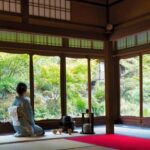
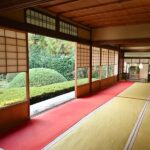
The workshop takes place in a 100-year-old Kyoto townhouse, which instantly transports you back in time. The intimate atmosphere is ideal for those who prefer a quiet, focused environment. The space is decorated with archival photographs, restored textiles, and kimono pieces that illuminate the traditional dyeing processes. For many, this setting enhances the sense of connection to Kyoto’s textile heritage.
Introduction to Kyoto’s Textile Art
Your experience begins with an introduction to Tsuji-ga-hana, a dyeing style that flourished roughly 500 years ago during the Azuchi-Momoyama period. The guide or artisan will explain its cultural importance through archival photographs and real fabric samples, making the history tangible. You’ll see kimono and textile pieces crafted in this style, which helps you appreciate the craftsmanship behind the finished products.
One reviewer mentioned, “Seeing the actual fabrics and photographs made me understand how much care and history goes into each piece.” This historical context adds depth to the craft, making your project feel more meaningful.
Demonstration of Techniques
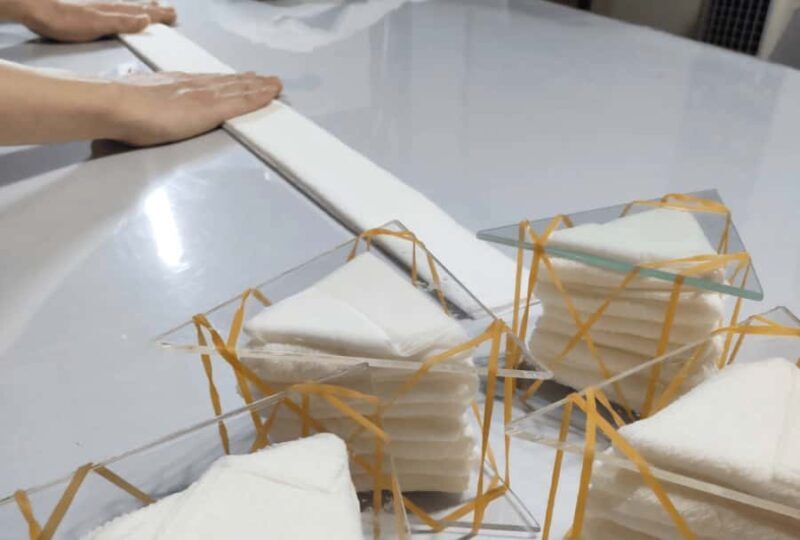
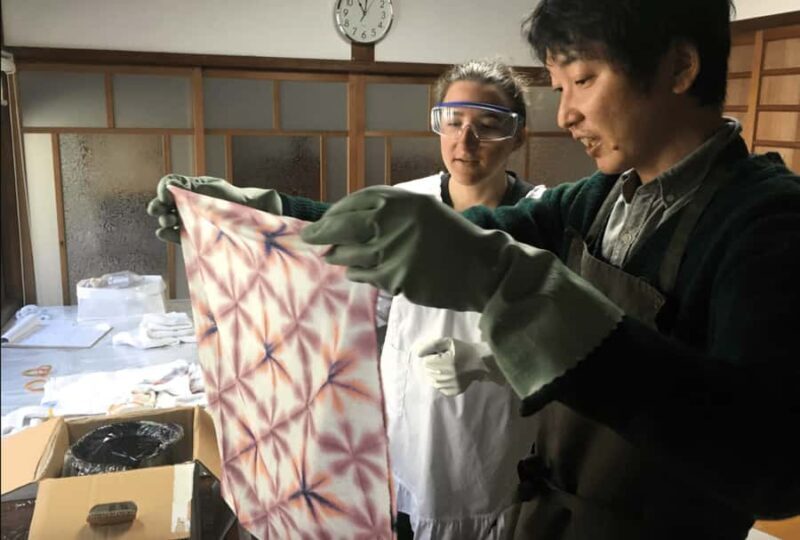
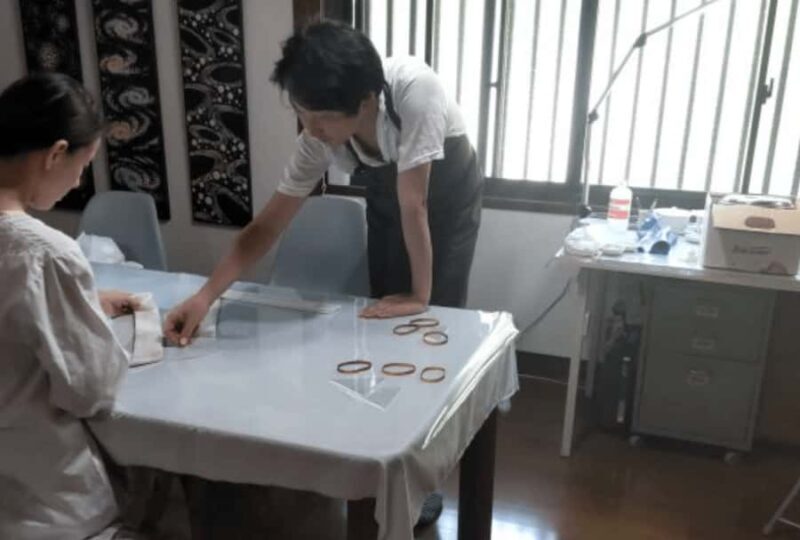
After the introduction, the artisan demonstrates the sekka shibori dyeing process. This technique involves folding fabric into geometric shapes like triangles or squares, then clamping it between boards, which creates distinct patterns. The process is delicate: pressure, fold precision, and dye penetration all influence the final design.
The artisan emphasizes how dye patterns vary depending on the folds and how the dye interacts with the fabric. Watching this process, you realize how much skill and artistry is involved—not just in the dyeing but also in planning the design.
More Great Tours NearbyYour Turn: Folding and Dyeing
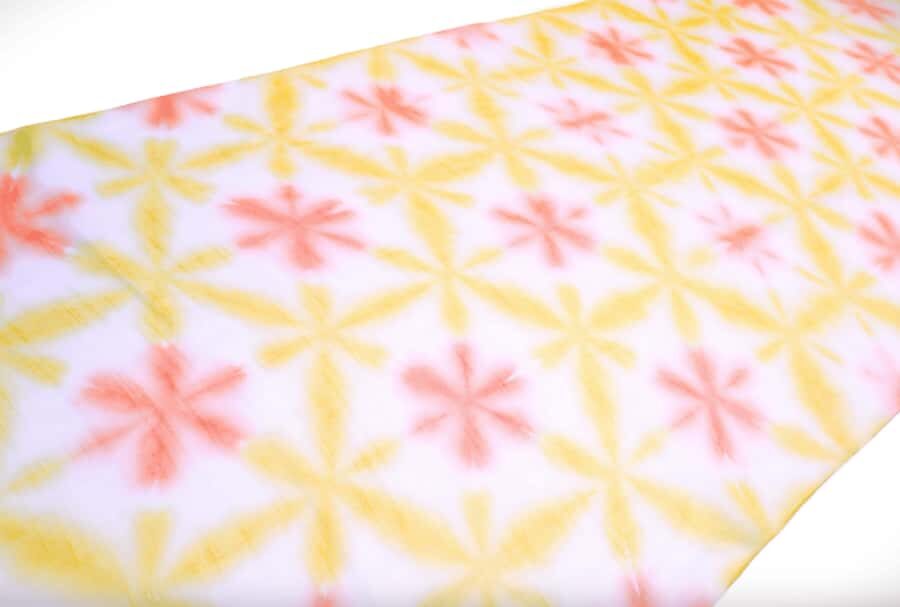
Guided by the artisan, you’ll fold your silk stole into triangles or squares, then clamp it carefully between boards. The tension and pressure you apply will influence the pattern, so the outcome is a mix of skill and chance—much like art. You’ll then select one or two natural dyes—options include vibrant madder orange, golden flower yellow, pagoda tree yellow, lac red, purple lac, or indigo.
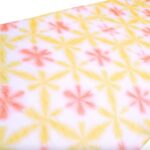
The dyes are prepared with Kifunes Full Moon Water, a natural resource reputed for enhancing color depth and clarity. Dipping your fabric into the dye, you’ll witness how colors bloom and deepen, with some reviewers noting that the patterns look like flowers blooming underwater once the boards are removed.




Final Touches and Taking Home Your Creation
Post-dyeing, your stole is rinsed and carefully dried. The result? A thin, soft, lightweight piece woven from fine Kiryu silk. The entire process from folding to finishing takes about two hours, and you’ll be able to take your completed stole home the same day.
One guest commented, “The finished product is so delicate and beautiful—I can’t believe I made this myself.” The skill involved in producing a vivid, intricate pattern on such fine fabric makes it a truly special souvenir.
Practical Details & Tips
- The tour costs a reasonable fee considering you’ll create a one-of-a-kind item.
- Reserve in advance as places are limited to six participants.
- The workshop is suitable for beginners, but familiarity with fabric arts isn’t necessary.
- Remember to bring a camera to document your creative process and final masterpiece.
- The experience is accessible for wheelchair users, enhancing inclusivity.
Group Size & Accessibility
The small group setting (max six people) ensures personalized attention and a relaxed environment. The workshop also offers English and Chinese speaking guides, making it accessible for international visitors. Many reviewers appreciated the patience and clarity of the instructor, who explained each step thoroughly.
Value and Who Will Love This
While the workshop is fairly short at only two hours, the personalized instruction and quality of the finished product make it well worth the price. For craft enthusiasts, history buffs, or anyone looking for a meaningful hands-on activity in Kyoto, this experience offers a genuine taste of traditional Japanese textile art.
It’s particularly ideal for travelers who love taking home authentic, handcrafted souvenirs or those interested in Japanese cultural practices. The natural dyeing process and the artistic challenge make it more than just a craft class—it’s a window into centuries-old traditions.
The Sum Up
The Kyoto Snowflake Shibori Stole Dyeing Workshop is a compelling blend of history, craftsmanship, and creativity. Its focus on natural dyes and traditional techniques offers a deeper appreciation for Kyoto’s textile arts, while the personalized process ensures a memorable experience. The small group size and expert guidance make it accessible for all skill levels, and the possibility to take home your own silk masterpiece is a definite plus.
This activity is best suited for travelers seeking an authentic cultural experience that’s both educational and fun. Whether you’re a craft lover, history enthusiast, or simply looking for a unique souvenir, the workshop provides plenty of value and a story to tell long after your trip ends.
Kyoto: Snowflake Shibori Stole Dyeing Workshop (Taxi Option)
FAQ
How long does the workshop last?
It lasts about two hours, making it a manageable yet enriching activity during your Kyoto visit.
Can I participate if I am a beginner?
Yes, the workshop is suitable for beginners; no prior craft experience is required.
Is transportation included?
An optional taxi transfer is available, which makes reaching the workshop convenient, especially after a busy sightseeing day.
What should I bring?
Just a camera—your hands will be busy with the dyeing process.
Can I take my finished stole home the same day?
Absolutely. Your silk piece will be dry and ready to go after the session.
Is there an age limit?
Yes, it’s not suitable for children under 10 years old, likely due to the delicate nature of the process and handling.
In summary, this Kyoto workshop offers a rare chance to create a beautiful, handcrafted silk stole while learning about centuries-old dyeing techniques. Its blend of history, natural artistry, and personal achievement makes it a wonderful cultural addition to any Kyoto itinerary—especially for those eager to connect with Japan’s textile traditions on a deeper level.
You can check availability for your dates here: More Great Tours Nearby