Travelers seeking a calm, authentic insight into Zen Buddhism often find the idea of practicing in a traditional temple both appealing and transformative. This one-day trainee monk experience at Manpukuji in Uji offers just that—an opportunity to step into the monks’ world of disciplined practice and self-discovery. While you won’t become a monk overnight, this tour provides a meaningful glimpse into the daily routines and spiritual discipline that have been preserved for over 360 years.
What makes this experience truly special are three key elements: the meditative Zazen sessions, the sutra copying (Shakyo), and the tea ceremony—each offering a different pathway to mindfulness and insight. Also notable is the chance to enjoy Fucha vegetarian cuisine and participate in a morning service alongside the monks. That said, it’s important to note that this experience involves some physical and mental discipline, and isn’t suitable for everyone, especially those with mobility or health restrictions.
This tour is best suited for curious travelers interested in Japanese culture, spirituality, and authentic Zen practices. It’s perfect for those willing to embrace a quiet, contemplative day and a night at the temple, away from the hustle of busy Kyoto streets. Be prepared for an experience that’s as much about personal reflection as it is about cultural exchange.
- Good To Know
- Exploring the Experience: A Deep Dive into the Day at Manpukuji
- The Setting: Manpukuji Temple in Uji
- The Practice Begins: Zazen and Dharma Talk
- Sutra Copying (Shakyo): A Mindful Art
- The Monks’ Meals and Morning Service
- Cleaning and Reflection: Samu
- Tea Ceremony and Vegetarian Lunch
- Practical Details and Logistics
- Cost and Value
- Authenticity and Limitations
- The Sum Up: Who Is This Tour Best For?
- FAQ
- The Best Of Kyoto!
- More Tour Reviews in Kyoto
- Not for you? Here's more nearby things to do in Kyoto we have reviewed
Good To Know
- Authentic Zen Practice: Experience Zazen meditation, sutra copying, and chanting just like the monks do.
- Cultural Immersion: Learn about the temple’s Chinese Ming Dynasty architecture and Buddhist statues.
- Genuine Cuisine: Enjoy healthy, vegetarian Fucha cuisine rooted in Chinese Zen traditions.
- Exclusive Access: Participate in a Dharma talk led by the temple’s head and a traditional tea ceremony.
- Overnight Stay: Spend a night at the temple for a deeper, more immersive experience.
- Limited Suitability: Not suitable for young children, those with health issues, or mobility restrictions.
👉 See our pick of the 25 Best Workshops And Classes In Kyoto
Exploring the Experience: A Deep Dive into the Day at Manpukuji
You can also read our reviews of more tours and experiences in Kyoto.
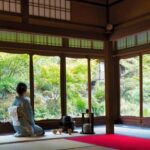
The Setting: Manpukuji Temple in Uji
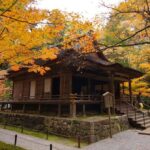
Founded in 1661 by Chinese Zen master Ingen Ryuki, Manpukuji is a testament to Japanese-Chinese cultural exchange. Its architecture echoes the Ming Dynasty style, with statuary and temple buildings that have remained unchanged for centuries. As you arrive at the Sanmon gate—where your guide will meet you—you’ll immediately sense the serenity that pervades this historic site. The temple’s quiet grounds provide the perfect backdrop for practicing Zen, far from the noise of modern life.
The Practice Begins: Zazen and Dharma Talk
The core of this experience is Zazen, or seated meditation. Several sessions are scheduled throughout the day, with clear guidance on posture, breathing, and mental focus. Many reviews highlight how the instructors are attentive, helping newcomers find their balance—”they really take the time to teach the basics,” one guest noted. Practicing Zazen in the traditional setting allows you to feel the rhythm of Zen life, even if just for a little while.
Later, the temple’s president, Mr. Masaaki Araki, will give a Dharma talk, sharing insights into Zen philosophy and answering questions. Guests often find this part particularly enriching; it’s an opportunity to connect on a deeper level and clarify doubts about Zen practices and beliefs.
Sutra Copying (Shakyo): A Mindful Art
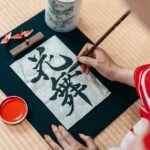
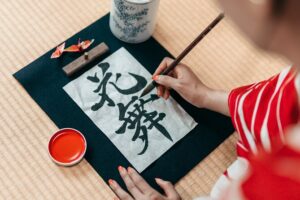
One of the most talked-about activities is Shakyo, or sutra copying. This involves carefully copying sacred texts onto Japanese paper using a brush pen. It’s a slow, deliberate process that requires patience and concentration—a fantastic way to focus your mind and experience the meditative qualities of calligraphy. As one reviewer put it, “Shakyo isn’t just about writing; it’s about calming your mind and appreciating the beauty of each stroke.” Many find this activity unexpectedly therapeutic and grounding.
More Great Tours NearbyThe Monks’ Meals and Morning Service
Dining at the temple follow the same strict rules as the monks’ Yakushseki, a simple vegetarian meal based on a single soup and vegetables. It’s served with humility and mindfulness, emphasizing gratitude and balance. The Fucha cuisine—introduced from China—further emphasizes health-conscious, plant-based eating, making it both nourishing and aligned with Zen principles.
An early morning sutra chanting service is another highlight, starting at 5:00 a.m., where you witness how the monks begin their day with shared devotion. Participating in or observing this reverent ceremony offers an authentic glimpse into their daily routine.

Cleaning and Reflection: Samu
Adding a practical touch, guests join in Samu, or temple cleaning. This isn’t just about tidiness; it’s a form of meditation that promotes mindfulness through physical activity. Guests often mention how “cleaning the grounds was a surprisingly calming experience,” and many leave with a sense of achievement and serenity.
Tea Ceremony and Vegetarian Lunch
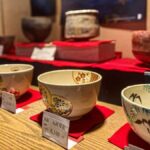
No Zen experience is complete without tea—and at Manpukuji, a master from the Obakubaisa School will prepare a traditional tea ceremony for you. It’s a chance to slow down further and savor the ritual of tea, which is considered the origin of the Japanese tea ceremony.
Following this, you’ll enjoy Saiza, a vegetarian lunch based on Fucha cuisine. These healthful dishes, crafted with vegetables and simple seasonings, reflect the Zen value of moderation and mindfulness while offering a delicious taste of Chinese-influenced Japanese vegetarian food.
Practical Details and Logistics
The tour begins at 15:00 at the Sanmon gate and concludes at 14:00 the following day. Over the course of the experience, you’ll get a uniform for practice, as well as essentials like a towel and toothbrush—making your overnight stay at the temple comfortable and authentic. It’s worth noting that the experience is geared toward those without mobility issues, and certain restrictions (pets, smoking, noise, alcohol) are strictly enforced to preserve the tranquil atmosphere.
Cost and Value
At $370 per person, this tour includes a wide array of activities—meditation, sutra copying, meals, tea, and an overnight stay—delivering solid value for those genuinely interested in Zen practice. Considering the depth of culture and the chance to experience monastic routines firsthand, many see this as a worthwhile investment in spiritual and cultural enrichment.
Authenticity and Limitations
Several reviews mention the sincere effort of the guides and monks to make the experience accessible. However, some guests highlight that the full immersion can be physically and mentally demanding—an aspect to consider if you have health concerns or are seeking a more leisurely cultural tour instead of a spiritual retreat. Also, the experience isn’t suitable for children under 20, those with certain health conditions, or anyone looking for a casual sightseeing day.
The Sum Up: Who Is This Tour Best For?
This Zen trainee experience at Manpukuji offers a rare and authentic look into monastic life in Japan, making it ideal for travelers who crave more than just sightseeing. If you’re genuinely interested in exploring Zen Buddhism, practicing meditation, or experiencing Japanese culture deeply rooted in tradition, this tour will provide meaningful insights and memorable moments.
It’s especially suited for those open to quiet reflection, willing to embrace a disciplined schedule, and curious about traditional vegetarian cuisine and tea ceremonies. But, if you prefer relaxed sightseeing, or have mobility or health limitations, this might not be the best fit.
Ultimately, this experience stands out as a unique opportunity for personal growth, cultural understanding, and a peaceful escape from your typical travel routine.
Kyoto: Exclusive ZEN practice at Manpukuji temple in Uji
FAQ
What is included in the price of $370?
The tour includes practice uniforms, multiple Zazen sessions, a Dharma talk, sutra copying, meals including dinner and lunch, a morning service, a porridge breakfast, temple cleaning, the tea ceremony, and calligraphy by the temple’s president. Also provided are essentials like a towel, toothbrush, and the overnight stay at the temple.
How long does the experience last?
It starts at 15:00 and finishes at 14:00 the next day, offering a full overnight immersion in Zen practice.
Is this experience suitable for children or people with health issues?
No, it’s not suitable for children under 20 or individuals with mobility restrictions, vertigo, or other health concerns. The activities require physical and mental discipline.
What should I bring?
A change of clothes is recommended, especially since you’ll be staying overnight. Basic toiletries are provided, but personal toiletries like shampoo and conditioner are not included.
Can I cancel if my plans change?
Yes, cancellations are accepted up to 24 hours in advance for a full refund, offering some flexibility.
Are there language options besides English?
Yes, the experience is available in English, Japanese, French, and Spanish, making it accessible to a diverse group of travelers.
This tour is perfect for anyone seeking a genuine, immersive entry into Zen Buddhism in Japan. It’s a chance to slow down, reflect, and gain a deeper appreciation of Japanese spiritual traditions—whether you’re a seasoned practitioner or simply curious about a different way of approaching life.
You can check availability for your dates here: More Great Tours Nearby