
- Discover the Majesty of Nepal with the Mera Peak Climbing Expedition
- Good To Know
- An In-Depth Look at the Mera Peak Climbing Experience
- Starting the Journey: Kathmandu to Salleri
- Trekking Through Remote Villages and Forests
- Reaching the Hinku Valley and Key Stopovers
- The Climb to High Camp and the Summit Push
- Returning via Scenic Routes
- The Final Drive Back to Kathmandu
- What to Expect on This Expedition
- Expert Guidance and Safety
- Authentic Cultural Encounters
- Scenic Variety and Iconic Himalayan Views
- Physical and Mental Preparation
- Best Seasons and Timing
- Value and Practicalities
- Cost and What’s Included
- Duration and Pacing
- Essential Gear and Preparation
- Group Size and Flexibility
- Final Thoughts: Who Should Consider This Tour?
- FAQ
- Final Words
Discover the Majesty of Nepal with the Mera Peak Climbing Expedition
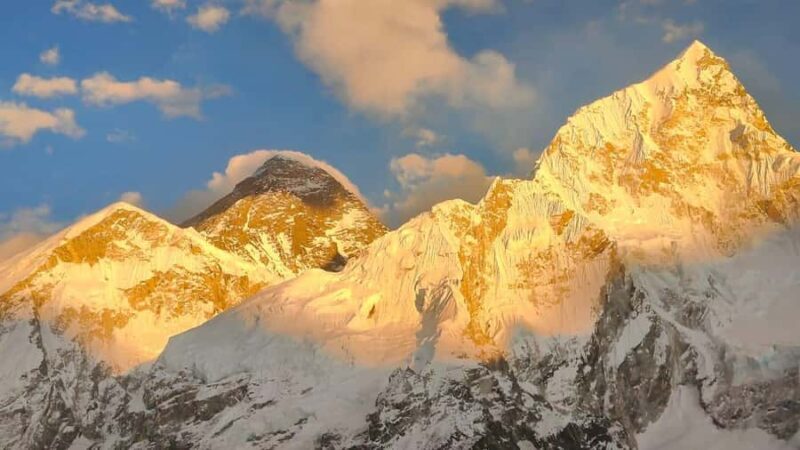
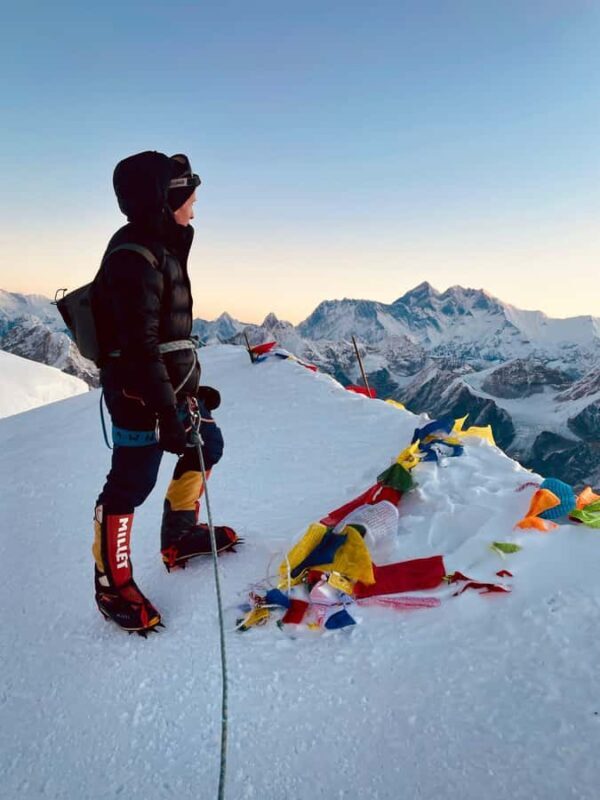
Planning a trek to one of Nepal’s highest trekking peaks—Mera Peak at 6,476 meters—can sound intimidating, but with the right guide and itinerary, it transforms into an unforgettable adventure. This 14-day expedition offered by Trek and Adventure Nepal Pvt. Ltd has earned a stellar 5-star rating, promising a well-balanced mix of challenging climbs, cultural exploration, and breathtaking vistas.
What makes this experience stand out? We love the focus on gradual acclimatization, the opportunity to view Everest and other giants up close, and the chance to trek through remote Sherpa villages far from the tourist crowds. A potential consideration is the physically demanding nature of high-altitude trekking, which requires good fitness and mental readiness.
This tour suits adventurous travelers who are eager to reach a Himalayan summit while soaking in authentic Sherpa culture and diverse landscapes. If you’re looking for a well-organized, guided climb that values safety, scenic beauty, and cultural depth, this expedition deserves your attention.
You can check availability for your dates here:Good To Know
- Stunning Himalayan views of Everest, Lhotse, Makalu, and Kanchenjunga from the summit
- Gradual acclimatization with varied terrain and cultural stops
- Expert guidance and pre-climb training to boost success rates
- Remote village experience away from busy trekking trails
- Flexible booking options and small group sizes for personalized attention
- Best suited for physically fit, adventure-seeking travelers prepared for high-altitude conditions
An In-Depth Look at the Mera Peak Climbing Experience
Starting the Journey: Kathmandu to Salleri
The adventure kicks off with a scenic drive from Kathmandu to Salleri. From there, you’ll begin your trek through less-trodden paths, which is a real highlight for those wanting to escape the crowds. This route allows for better acclimatization, passing through traditional Sherpa villages like Kharikhola, Panggom, and Ningsow. These stops are not just picturesque but give travelers a glimpse into local life and customs, which are often overlooked on more popular routes.
Travelers have praised the drive, noting the “beautiful mountain scenery” and “authentic village visits” that make this initial stage more than just a transit. The journey typically involves walking through lush forests, with the sound of rushing rivers accompanying you, creating a tranquil yet invigorating start.
Trekking Through Remote Villages and Forests
The trail takes you through dense rhododendron forests and along river valleys, perfect for nature lovers. We loved how the route avoids busy trekking corridors, making the experience more intimate and immersive. Traditional villages like Kharikhola serve as excellent places to observe local Sherpa culture and interact with villagers, which adds a meaningful layer to the journey.
Reviewers note that the trail can be challenging at times but rewarding. “The scenery is incredible, and it’s fascinating to see how people live in these remote areas,” one reviewer shared. The trek gradually ascends, offering excellent opportunities for acclimatization, helping reduce the risk of altitude sickness.
More Great Tours NearbyReaching the Hinku Valley and Key Stopovers
As you approach the Hinku Valley, the terrain becomes more rugged. Kothe, Thaknak, and Khare are critical stops where you’ll spend time acclimatizing and preparing for the summit push. These villages are equipped with basic facilities, but their real value lies in the altitude adjustment and the pre-climb training sessions.
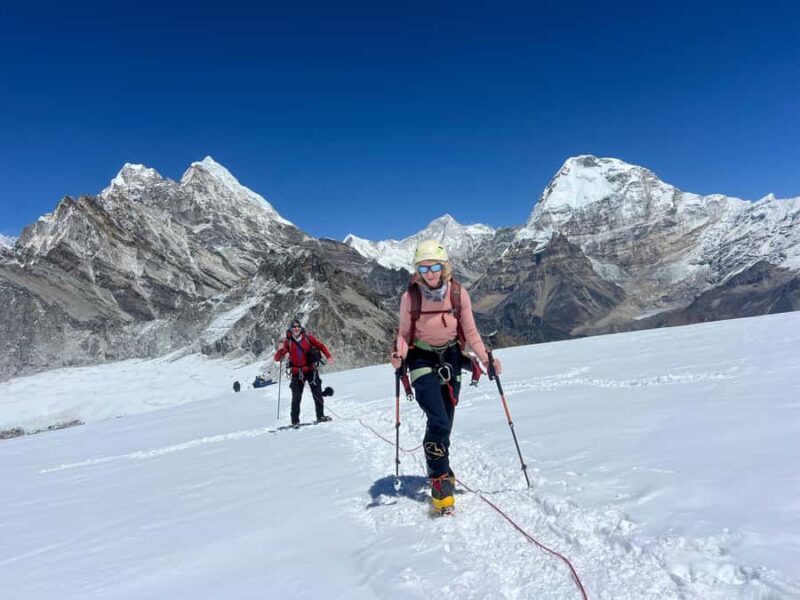
Reviewers highlight that the guides are attentive here, offering detailed briefings and training, which considerably boosts confidence. “The guides, including our lead Sherpa, Dorje, and assistant guides, made sure we were comfortable and prepared,” said one climber. Expect to do some practice on crampons, use of ice axes, and rope techniques in Khare, which is crucial for successful summit days.
The Climb to High Camp and the Summit Push
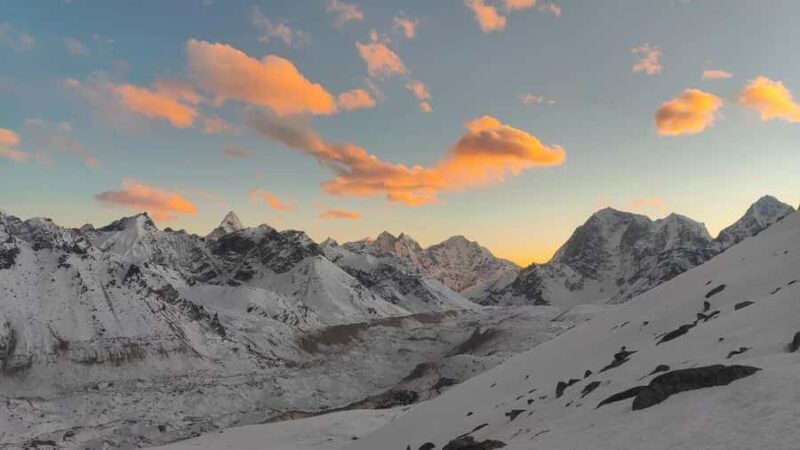
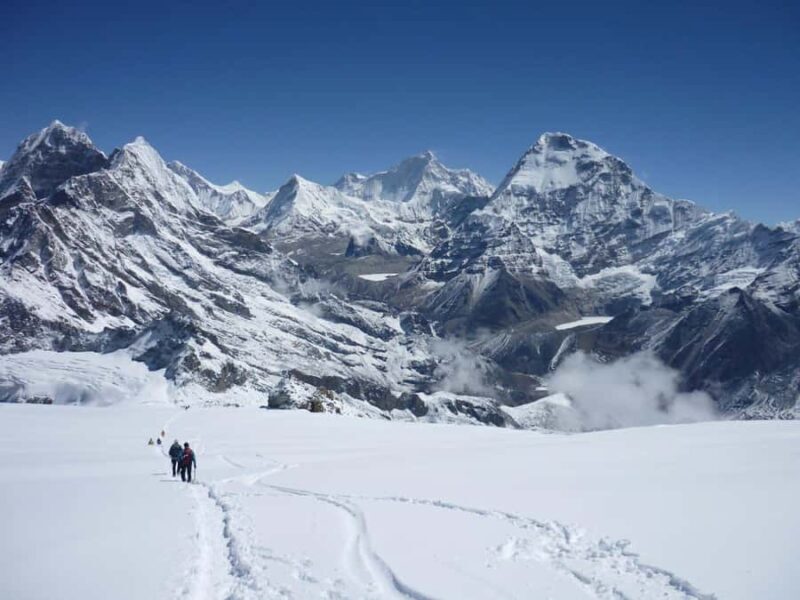
The ascent to High Camp (around 5,780 meters) is where the real physical effort begins. The trail involves crossing glaciers and snowfields, with stunning views of surrounding peaks. From High Camp, the highlight is the dawn summit attempt—the moment you’ve trained for.
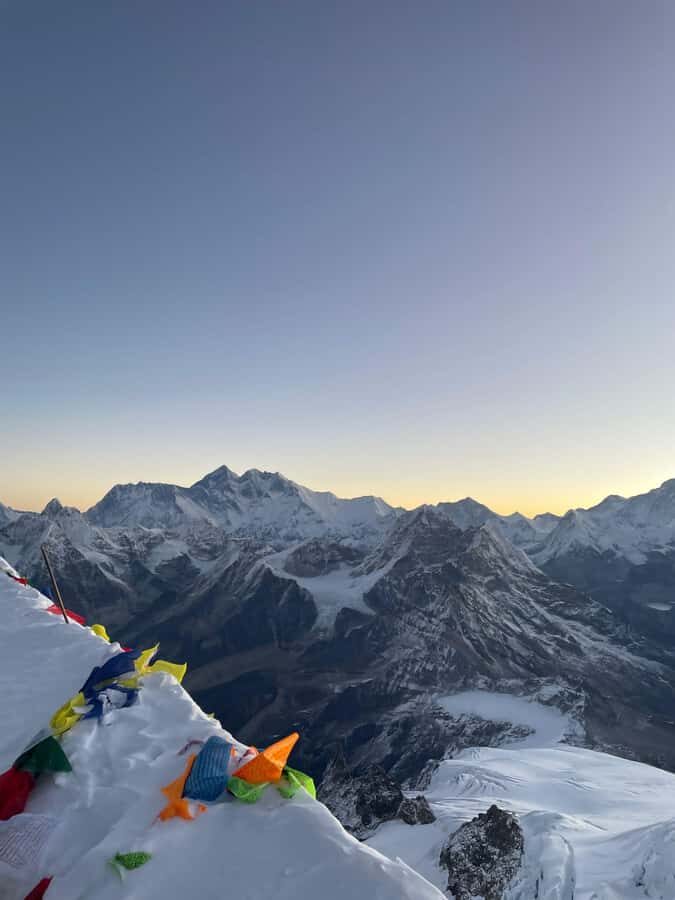
On summit day, you’ll be rewarded with panoramic vistas of Everest, Lhotse, Makalu, Cho Oyu, and Kanchenjunga. Several reviewers mention that the views from the top are “completely worth every step,” and many describe the summit as a surreal experience that justifies the effort. The guides do a great job of pacing and safety, making sure everyone gets back down safely.
Returning via Scenic Routes
After reaching the summit, the journey back retraces steps through Khare, Kothe, and Thuli Kharka, en route to Salleri. The descent offers equally spectacular scenery and a sense of achievement. The last days involve walking through peaceful valleys and forests, a perfect way to wind down from the high-altitude adventure.
The Final Drive Back to Kathmandu
The tour concludes with a drive from Salleri to Kathmandu, allowing time to reflect on an intense, rewarding expedition. Many reviews appreciate the seamless logistics organized by Trek and Adventure Nepal, making the whole experience smooth and stress-free.
What to Expect on This Expedition
Expert Guidance and Safety
Led by experienced guides, the team focuses heavily on safety, thorough pre-climb training, and acclimatization. Reviewers have noted that the guides like Dorje are supportive, knowledgeable, and attentive to individual needs. With small groups limited to six participants, personalized attention is a hallmark of this tour.
Authentic Cultural Encounters
Unlike crowded trekking routes, this expedition allows you to pass through villages where local Sherpa culture is vibrant. You’ll learn about their traditions, see their homes, and perhaps enjoy a cup of butter tea at a local teahouse.
Scenic Variety and Iconic Himalayan Views
Prepare for constantly changing scenery—from dense forests and river valleys to high-altitude glaciers. From the summit, the views of Everest and neighboring giants are some of the most memorable in Nepal.
Physical and Mental Preparation
While the route is designed for acclimatization, the trek still demands good fitness. Reviewers advise arriving in Kathmandu with a solid training regime, especially for altitude endurance.
Best Seasons and Timing
The ideal time for this climb is during spring (March-May) and autumn (September-November), when weather conditions are most stable. Spring offers blooming rhododendrons and better snow conditions, while autumn presents clearer mountain views and fewer crowds. Winter climbs are very challenging, and monsoon season is not recommended due to heavy rains and poor visibility.
Value and Practicalities
Cost and What’s Included
While the precise price isn’t specified, the value lies in the inclusion of a professional guide, pre-climb training, all permits, and airport transfers. With smaller group sizes, you’ll also get more personalized support, making this a worthwhile investment for serious trekkers.
Duration and Pacing
Spanning 14 days, the itinerary balances strenuous days with rest and acclimatization, reducing the risk of altitude sickness while keeping the group moving steadily. The detailed schedule ensures you experience the full beauty of the region without feeling rushed.
Essential Gear and Preparation
Travelers should pack warm clothing, sunglasses, hiking shoes, thermal layers, and a first aid kit. Good physical preparation and mental resilience are key since this is a high-altitude challenge. The guides provide training and support throughout, which adds confidence.
Group Size and Flexibility
Limited to just six participants, this tour offers an intimate atmosphere, with guides able to cater to individual needs — a stark contrast to larger, impersonal tours.
Final Thoughts: Who Should Consider This Tour?
This Mera Peak climb is perfect for adventurers seeking a genuine Himalayan experience. It’s suited for those with a good level of fitness, a sense of adventure, and an interest in Sherpa culture. The small group size, expert guidance, and focus on safety make it appealing for serious trekkers who want to maximize their chances of reaching the summit while enjoying authentic mountain life.
If your idea of a holiday includes snow-capped peaks, panoramic vistas, and peaceful villages, this expedition offers all that in spades. It’s an excellent choice for those ready to challenge themselves, learn new skills, and come away with stories worth telling for a lifetime.
FAQ
What is the best time of year to do this climb?
Spring (March-May) and autumn (September-November) are ideal thanks to more stable weather and clearer views. Winter is very cold and challenging, while monsoon season is not recommended due to heavy rain and poor visibility.
How physically demanding is this trek?
It requires good fitness and acclimatization, as you’ll be trekking at high altitudes and crossing glaciers. Reviewers recommend arriving prepared and being mentally ready for the challenge.
What kind of training should I do before the trip?
While specific training isn’t detailed, building endurance with cardio, strength training, and hiking experience is advisable to handle the altitude and terrain.
Are the guides experienced?
Yes, guides like Dorje and his team are praised for their support, knowledge, and safety measures, including pre-climb training sessions.
What do I need to bring?
Warm clothing, sunglasses, hiking shoes, thermal layers, a daypack, insect repellent, and a first aid kit are essentials. Pack according to the season and plan for variable weather.
Is the group size small?
Yes, limited to six participants, which allows for personalized attention and a more flexible experience.
Is this climb suitable for beginners?
While it’s accessible for those with good fitness and some trekking experience, the altitude and glacier crossing require preparation and caution. Not recommended for those with mobility or health issues.
Kathmandu: Mera Peak Climbing Expedition with Guide
Final Words
This 14-day Mera Peak expedition offers a chance to explore some of Nepal’s most stunning landscapes, challenge yourself at high altitude, and enjoy the company of experienced guides in a small-group setting. The views of Everest and neighboring giants from the summit remain a highlight, making every step worth the effort.
Ideal for adventure lovers who crave authentic Himalayan experiences beyond the crowded trails, this trek combines natural beauty, cultural richness, and personal achievement. Whether it’s your first high-altitude climb or a return to Nepal’s peaks, this expedition offers an accessible yet rewarding way to reach the top of one of Nepal’s most celebrated trekking peaks.
You can check availability for your dates here: More Great Tours Nearby