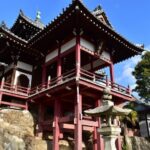
- Experience Meditation at Shounji Temple, Takehara Tadanoumi
- Good To Know
- What to Expect from the Shounji Temple Meditation Experience
- Meeting the Monk and Starting the Meditation
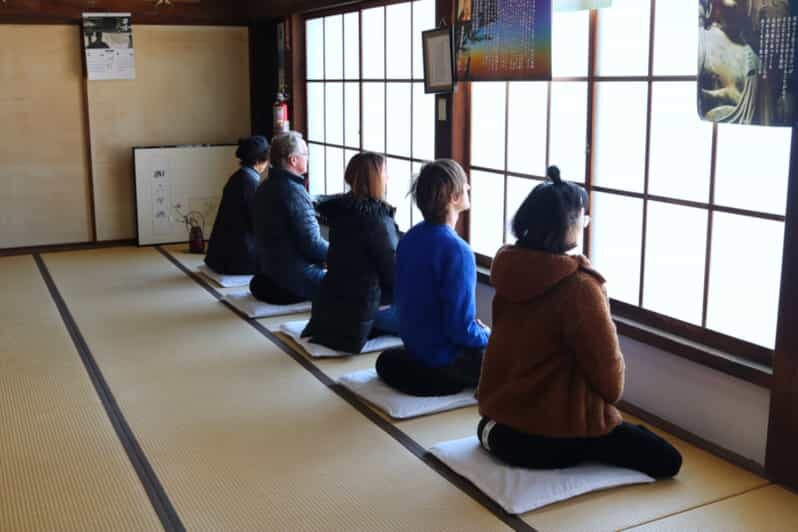
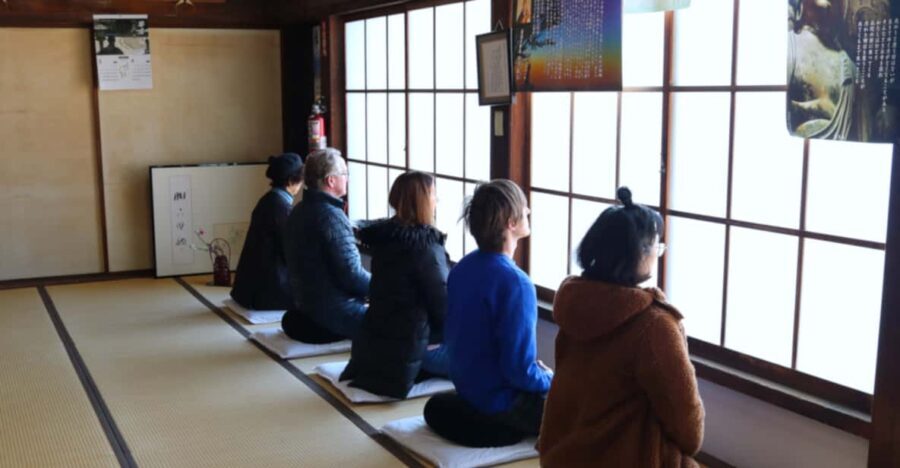
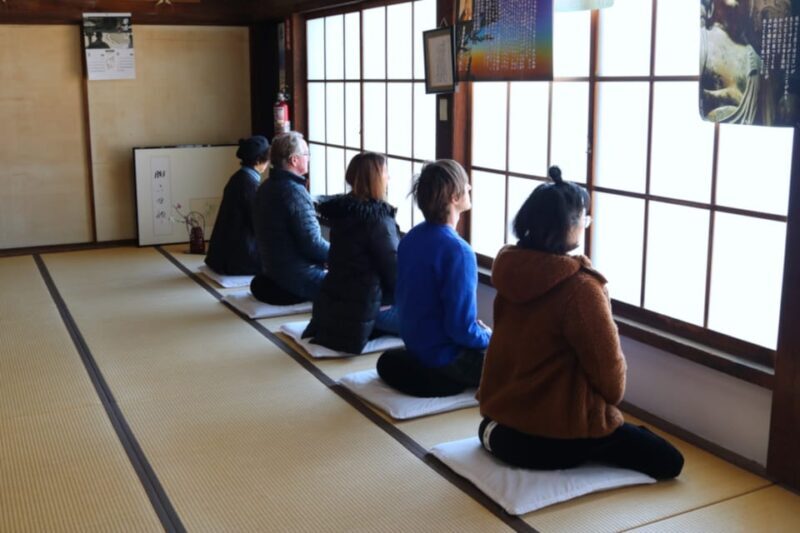
- Sitting Meditation (Zazen)
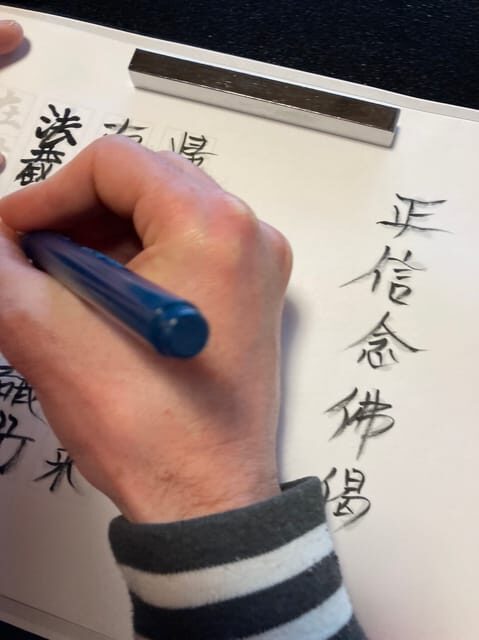
- Sutra Copying (Shakyou)
- Historical and Cultural Insights
- Tea Break with the Chief Priest
- Nearby Sights and Additional Activities
- Rabbit Island (Okunoshima)
- Kurotaki Mountain
- Takehara Townscape Conservation Area
- Accommodation Options
- Is This Experience Worth the Price?
- Who Should Consider This Tour?
- Final Thoughts
- FAQs
- More Tour Reviews in Takehara
- Not for you? Here's more nearby things to do in Takehara we have reviewed
Experience Meditation at Shounji Temple, Takehara Tadanoumi

Travelers seeking a genuine taste of Japanese culture often find themselves craving more than just sightseeing—they want to connect with the spirit of a place. This meditation experience at Shounji Temple in Tadanoumi, part of the Chugoku region, offers just that. It’s a peaceful, culturally immersive activity that combines traditional Zen meditation with a peek into local history.
What makes this tour stand out? First, the chance to practice authentic Japanese Zen meditation in a historic setting. Second, the opportunity to copy sutras with traditional brushes, which is both calming and culturally rich. Lastly, the experience provides a glimpse into the life of a rural Japanese community, away from the busy urban scene.
A small caveat is that the tour is conducted in Japanese only, which might be a barrier for some travelers. However, even non-Japanese speakers can benefit from the serene environment and the opportunity to observe and participate. This experience is best suited to those who are curious about Japanese spirituality, history buffs, or anyone looking for a mindful break during their trip.
You can check availability for your dates here:Good To Know
- Authentic Zen meditation in a historic Japanese temple setting
- Cultural activity of sutra copying using traditional brushes
- Insight into local history with connections to the Ura clan and their legacy
- Peaceful, rural environment away from city noise
- Affordable price of $30 per person
- Limited language support (Japanese only), so some prior knowledge or patience is helpful
You can also read our reviews of more tours and experiences in Takehara.

What to Expect from the Shounji Temple Meditation Experience
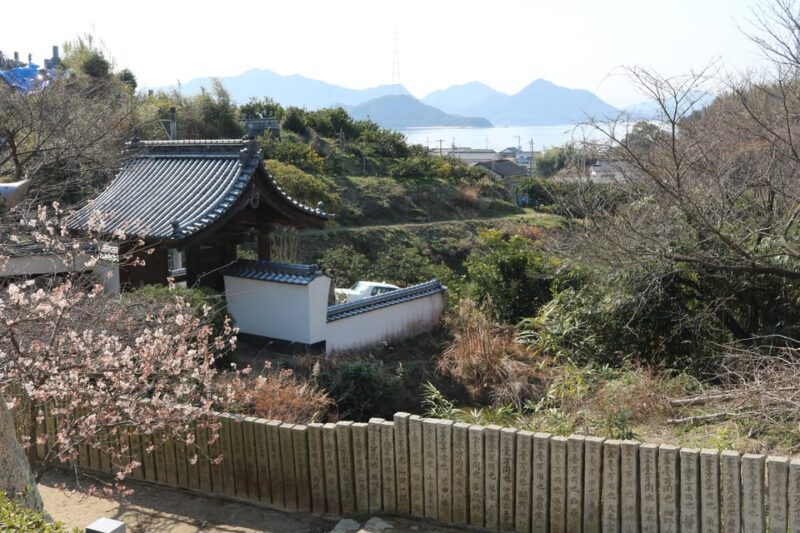
The experience lasts roughly two hours, making it a manageable yet meaningful addition to your Japan itinerary. The setting is the beautiful Shounji Temple, a site with roots dating back to the late 16th century when the Ura clan, influential naval figures, built the temple and castle area. Its tranquil atmosphere is ideal for meditation and reflection.
Meeting the Monk and Starting the Meditation
Your journey begins with a warm welcome from the monk who will lead the session. Although the guide speaks only Japanese, non-verbal cues and a calming demeanor make it accessible even if you don’t speak the language. The monk will introduce the two main activities: Zazen (sitting meditation) and Shakyou (sutra copying). The latter involves using a traditional Japanese brush to carefully transcribe sutras—an act of mental focus that can be surprisingly meditative.
Sitting Meditation (Zazen)
For the Zazen, you’ll sit in a cross-legged position, focusing on your breath or simply observing your thoughts—a core element of Zen practice. The peaceful environment and the gentle guidance of the monk encourage a deep state of relaxation. One reviewer noted, “I loved the way it made me feel calmer and more centered.” The silence and the natural surroundings amplify the meditative effect, giving you a chance to unwind from daily stresses.
More Great Tours NearbySutra Copying (Shakyou)
Following the meditation, you’ll move on to sutra copying, which acts as a form of active meditation. Using a traditional brush and ink, you’ll carefully duplicate ancient scriptures. This activity not only keeps your hands busy, but it also helps you focus and reflect. As one reviewer mentioned, “Enjoying the act of copying sutras was surprisingly relaxing, and the guide’s explanation about the significance of the sutras added depth to the experience.”
Historical and Cultural Insights
Your guide will also share stories related to the Ura clan, including visiting the grave of Ura Munekatsu. While the primary language is Japanese, the monk’s explanations about the history of the area—which was once called “Nomi no Ura” during the Heian period—add a layer of depth.
Tea Break with the Chief Priest
The tour concludes with a tea break where you’ll sip green tea with the chief priest. Though the conversation will likely be in Japanese, this is a great chance to soak in the quiet dignity of temple life and perhaps observe subtle cultural rituals.
Nearby Sights and Additional Activities
While Tadanoumi itself is small, its surroundings are worth exploring if you have extra time.
Rabbit Island (Okunoshima)
If you love animals or history, Rabbit Island is a must-see. Famous for its large rabbit population, it’s also a site with a dark past—being a former poison gas factory during WWII. Visitors often walk among the friendly rabbits, unaware of the island’s haunting legacy. It’s a compelling mix of adorable critters and WWII history, perfect for those interested in contrasting Japan’s innocent and somber past.
Kurotaki Mountain
For a touch of outdoor adventure, Kurotaki san offers a relaxing hike with views that can include Shikoku Island if the weather cooperates. The curved Buddhas carved into the rocks along the trail add spiritual interest and photo opportunities.
Takehara Townscape Conservation Area
Back in Takehara, you’ll find a well-preserved merchant town with historic buildings, charming cafes, and sake breweries. The town’s 350-year history as a salt and sake-producing hub offers a fascinating backdrop for a leisurely stroll. Notably, this is also the birthplace of Masataka Taketsuru, the founder of Nikka Whisky, making it a great stop for whisky enthusiasts.
Accommodation Options
There are various places to stay, from traditional Japanese inns (ryokan) like Hotel Kamogawa Sou, which features hot springs and local cuisine, to casual hotels like Green Sky Hotel Takehara. For a truly authentic experience, consider staying in a kominka (old Japanese house) like Akari, which offers a cozy, local vibe.
Is This Experience Worth the Price?
At $30 per person, this tour offers excellent value for a culturally rich, quiet, and meaningful activity. It’s not a high-energy tour but rather a peaceful retreat into Japanese spiritual traditions. The small group nature and the insightful guidance make it a worthwhile investment for those curious about Zen practices or seeking a tranquil moment during their trip.
Who Should Consider This Tour?
This experience is best suited for those who enjoy cultural and spiritual pursuits, are open to a language barrier, and seek a calm, reflective activity in Japan. It’s also ideal for history buffs, rural travelers, or anyone wanting a different side of Japan beyond temples and shrines. If you’re a seasoned meditator or just curious about meditation’s role in Japanese culture, you’ll find this particularly rewarding.
Final Thoughts
This meditation experience at Shounji Temple delivers a genuine taste of Japanese Zen Buddhism, combining historical insights, peaceful surroundings, and authentic activities. It’s a wonderful way to slow down, reflect, and connect with Japan’s spiritual roots, all without breaking the bank.
While the language might be a barrier, the serene environment, beautiful temple setting, and the chance to copy sutras make this a memorable stop for travelers willing to engage with the experience. Whether you’re a meditation novice or a seasoned practitioner, this tour offers a quiet, meaningful escape that complements a trip to the Chugoku region.
Experience Meditation at Shounji Temple, Takehara Tadanoumi
FAQs
Is this experience suitable for non-Japanese speakers?
While the tour is conducted in Japanese, the peaceful atmosphere and visual activities like meditation and sutra copying make it accessible even if you don’t speak the language. It might help to learn some basic phrases or have a translation app handy.
How long does the tour last?
The entire meditation session lasts about two hours, making it a manageable addition to your day.
What should I wear?
Comfortable, modest clothing suitable for sitting on the floor and participating in meditation is recommended.
Is there any age restriction?
The provided information doesn’t specify age limits, but as it’s a gentle and contemplative activity, it’s generally suitable for adults and older children who can sit quietly.
Do I need to reserve in advance?
Yes, reservations are recommended. You can reserve and pay later, allowing flexibility in your plans.
What is included in the price?
The fee covers two types of meditation, a cup of green tea, and a guide for historical items (in Japanese).
Can I visit other sites nearby after the tour?
Absolutely. Places like Rabbit Island or Kurotaki San are nearby and can be excellent extensions to your day.
What if it rains?
The tour takes place rain or shine, so come prepared with appropriate clothing or umbrellas.
Is there a maximum group size?
The info doesn’t specify, but small-group tours are typical, ensuring personalized guidance.
Are there any additional costs I should be aware of?
No additional costs are mentioned, but extra visits or souvenirs are at your own expense.
This experience offers a rare chance to slow down, reflect, and gain a deeper understanding of Japanese spiritual life—all for a modest price. It’s a perfect pick for those wanting a meaningful pause amidst their travels.
You can check availability for your dates here: More Great Tours Nearby