
Getting a taste of authentic Japanese cuisine often involves more than just eating—it’s about understanding the cultural stories behind each dish. This onigiri making class on Honshu offers a chance to roll up your sleeves and make these beloved rice balls yourself. Whether you’re a food lover, a culture enthusiast, or simply curious, this experience promises a meaningful and tasty journey.
What makes this experience special? First, you’ll learn about the cultural importance of onigiri and why it’s more than just a snack—it’s a symbol of connection and warmth. Second, the class emphasizes hands-on participation, allowing you to shape traditional forms with your own hands. And third, the tasting session offers a delightful opportunity to enjoy your own creations alongside authentic Japanese side dishes. That said, it’s worth noting that this is a small-group experience, which means personalized attention but also a limited number of spots. This activity suits anyone eager to explore Japanese food beyond sushi—perfect for travelers who love culinary storytelling and interactive learning.
Good To Know
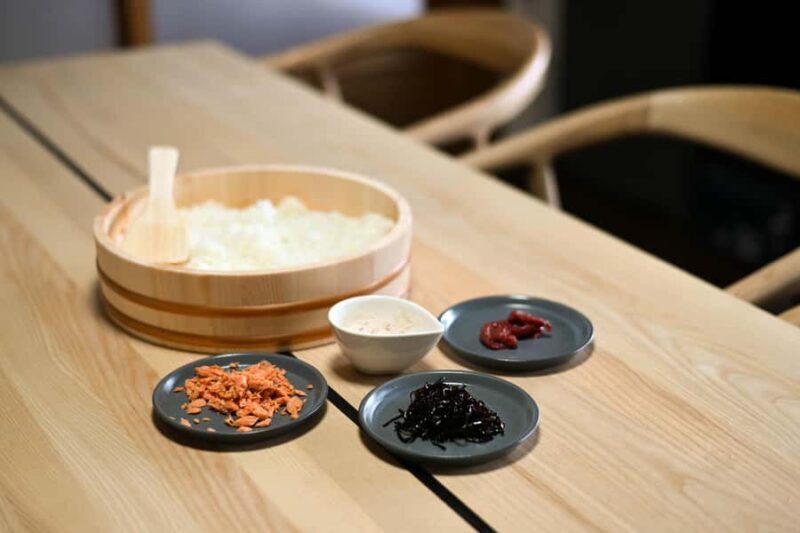
- Cultural learning about the significance of onigiri in Japan.
- Hands-on experience in shaping traditional rice balls.
- Customization with a variety of fillings like umeboshi, salmon, and tuna.
- Authentic tasting session with side dishes like miso soup.
- Small-group setting ensures personalized guidance.
- Suitable for travelers aged 6 and up, with ingredients provided and no prior cooking experience necessary.
What to Expect at the Onigiri Making Class
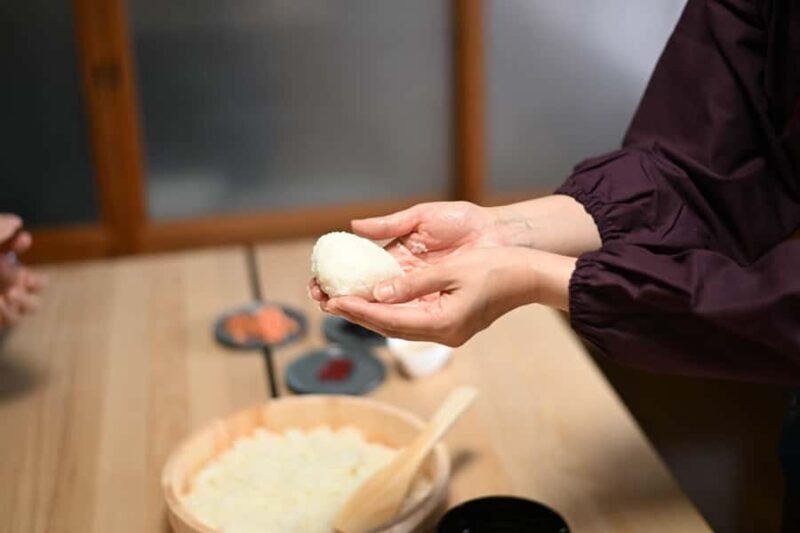
This 2.5-hour class strikes a balance between educational insight and culinary fun. It begins with an introduction to the cultural significance of onigiri—a simple yet powerful symbol of connection in Japan. The instructor, who guides the class in English, emphasizes that the word “musubu”, meaning “to tie or connect,” highlights the dish’s role in conveying heartfelt intentions. Expect to learn why onigiri is so much more than just a snack; it’s a gesture of kindness and care.
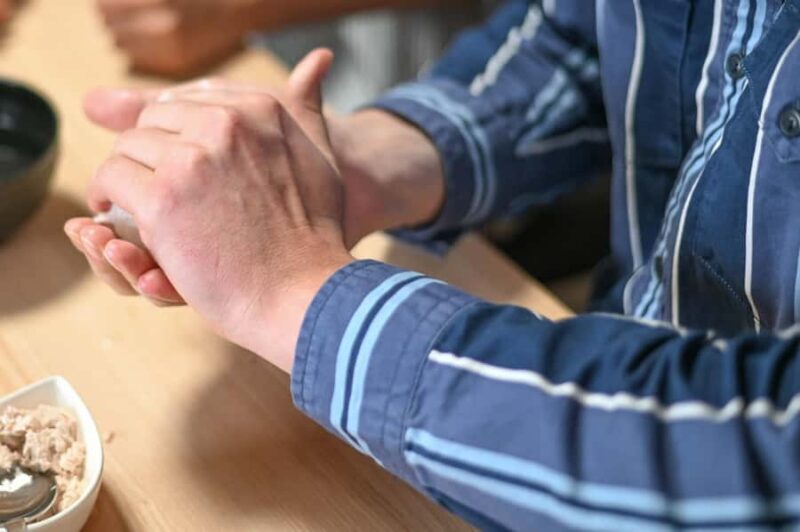
Next, you’ll move on to preparing your rice. The instructor demonstrates how to portion the rice, wet your hands to prevent sticking, and add salt, which is crucial for flavor and preservation. Here’s where the practical details shine: mastering these steps ensures your rice balls hold their shape and taste authentic. The instructor also explains the importance of proper preparation—every step is designed to help you shape your onigiri effortlessly.
Find more activities and experiences we've covered in Gifu.
Shaping Traditional Onigiri
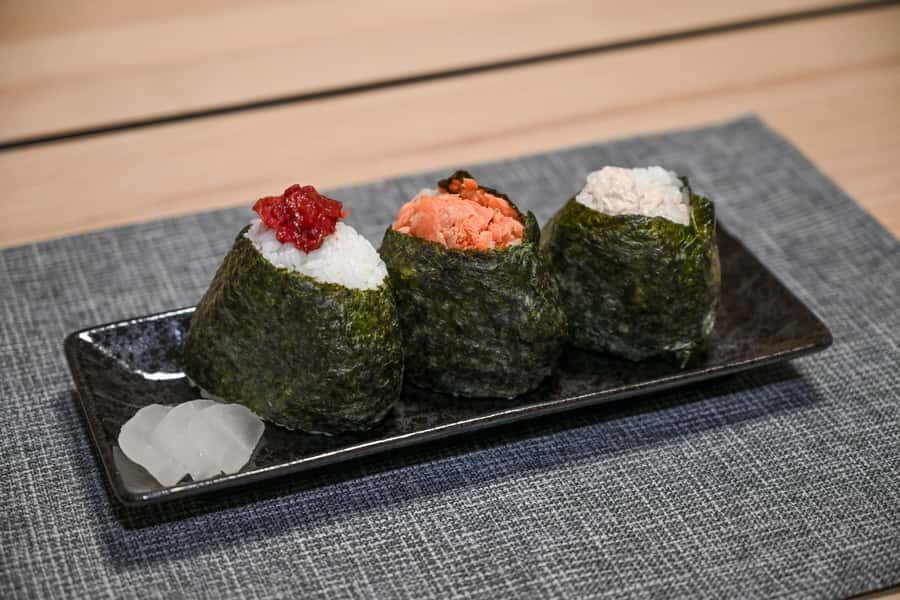
Once ready, you’ll practice forming two traditional shapes: the classic triangle and the barrel shape. The instructor, known for her clear and friendly guidance, encourages gentle but firm shaping—feeling the warmth and stickiness of the rice helps in achieving that perfect form. The reviews note that while some guests found shaping the rice to be a bit tricky at first, the instructor’s tips made it manageable and enjoyable.
You’ll then select your preferred fillings, which include nostalgic options like umeboshi (pickled plum), flavorful salmon, kombu (seaweed), and tuna. Learning how to balance the appearance and flavor—placing the filling precisely and wrapping with nori—is part of the fun. Guests mention that the instructor emphasizes visual appeal as well as taste, which makes each onigiri a small piece of edible art.
Tasting and Reflection
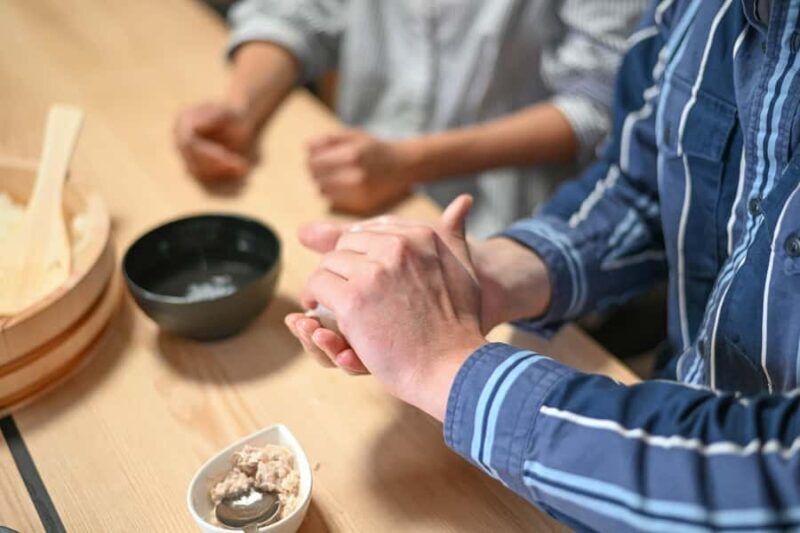
After shaping and filling, it’s time to enjoy your handiwork. The tasting session pairs your onigiri with traditional accompaniments such as miso soup and side dishes, giving you a full taste experience. Guests often comment on how satisfying it is to eat something they’ve made with their own hands, and the instructor encourages sharing thoughts and stories—adding to the warmth of the experience.
This part of the class highlights the emotional connection that Japanese onigiri foster, making it feel like more than just a snack. One guest shared, “I loved the way each onigiri conveyed the heartfelt intentions of its maker,” illustrating how this activity is a meaningful cultural exchange.
Practical Details: What You Need to Know
The class is conducted in English and is limited to eight participants, ensuring a relaxed atmosphere with plenty of personal guidance. All necessary ingredients and tools are provided, but you’ll want to bring your own ingredients if you have specific fillings in mind—though most standard options are supplied.
The experience is flexible with a full refund available if canceled 24 hours in advance. You can reserve your spot now and pay later, which is particularly handy if you’re still finalizing your travel plans. The class isn’t suitable for children under six, but older kids who are interested in cooking tend to enjoy the hands-on activity.
An important detail: alcohol and drugs are not allowed during the session, aligning with the respectful and friendly atmosphere.
More Great Tours NearbyThe Value and Who This Tour Is Best For
Considering the price, the class offers a rich cultural and culinary experience that goes beyond simple cooking. You’re not just making rice balls—you’re gaining insight into Japanese traditions, learning practical skills, and tasting authentic flavors. It’s ideal for travelers who appreciate cultural storytelling through food, enjoy interactive activities, or want a memorable souvenir in edible form.
If you’ve always wanted to understand what makes onigiri so iconic in Japan, this class will deepen your appreciation. Plus, it’s a fantastic way to connect with local culture on a personal level, especially in small groups where questions are encouraged.
For those seeking a relaxed, educational, and flavorful activity during their stay on Honshu, this onigiri class delivers a well-rounded experience. It’s especially suited for adventurous eaters, culinary enthusiasts, and families with older children eager to learn and taste something uniquely Japanese.
FAQs
Is this class suitable for children?
Yes, children aged 6 and older can participate, though younger children might find the shaping part challenging. It’s a family-friendly experience if kids are interested in cooking.
Do I need to bring my own ingredients?
Most ingredients are provided, but if you want specific fillings or toppings, it’s advisable to bring them along.
How long is the class?
The experience lasts approximately 2.5 hours, giving you plenty of time for hands-on shaping, learning, and tasting.
Is the class conducted in English?
Yes, the instructor guides the class in English, making it accessible for international travelers.
What forms of onigiri will I learn to make?
You’ll learn to shape two traditional forms: the triangular and the barrel shape.
Can I cancel or reschedule?
Yes, you can cancel up to 24 hours before the scheduled time for a full refund. Rescheduling options aren’t specified but are likely available through the provider.
Are tools and ingredients provided?
Yes, all necessary tools and ingredients are supplied, including fillings like umeboshi, salmon, and tuna.
Is there a particular time of day this class is available?
Availability varies, so check the schedule for starting times. You can reserve now and pay later for flexibility.
In summary, this onigiri making class in Japan isn’t just about learning a skill—it’s about connecting with a symbol of warmth and tradition. With expert guidance, authentic flavors, and the joy of creating something with meaning, it’s a worthwhile activity for those eager to explore Japan through its food. Whether you’re a seasoned cook or a culinary novice, expect to leave with new skills, a full belly, and a deeper appreciation for Japanese culture.
You can check availability for your dates here: More Great Tours NearbyMore Tour Reviews in Gifu
- Gifu: Sekigahara and gaki Guided Tour by Train & Walk
- Gifu Half Day Private Tour Castle, Great Buddha and Old Town
- Private Japanese Martial Arts and Samurai Experience in Gifu
- 2 Hour Private Scenic Mountain Castle Tour in Gifu
- Lantern and Mini Japanese Umbrella Painting With Artisan Visit
- Make Your Samurai Knife at the Knife Museum in Sword Town