- Exploring Kyoto’s Sweet Side: Japanese Sweets Making & Tea Ceremony
- Who is this experience best suited for?
- Good To Know
- A Deep Dive Into the Experience
- The Overall Layout and Schedule
- Making Sweets: Ohigashi & Nerikiri
- The Tea Ceremony
- Logistics and Practical Aspects
- What’s Not Included and Additional Costs
- Authenticity and Quality
- Is This Tour Worth It?
- FAQ
- Final Thoughts
- The Best Of Kyoto!
- More Dessert Tours in Kyoto
- More Tour Reviews in Kyoto
- Not for you? Here's more nearby things to do in Kyoto we have reviewed
Exploring Kyoto’s Sweet Side: Japanese Sweets Making & Tea Ceremony
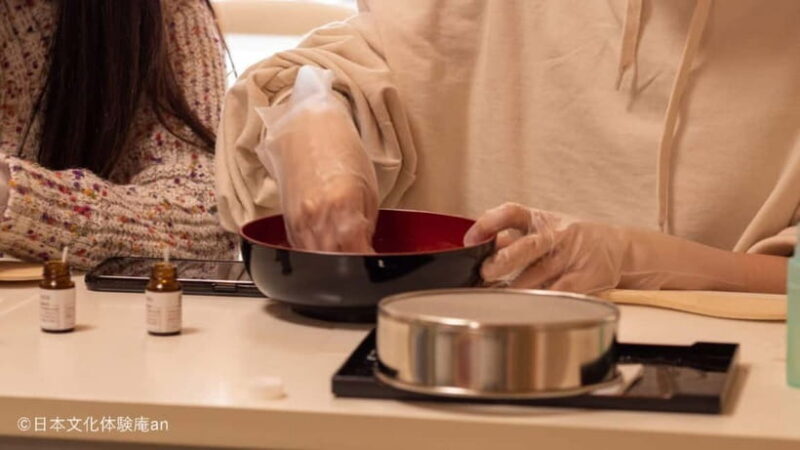
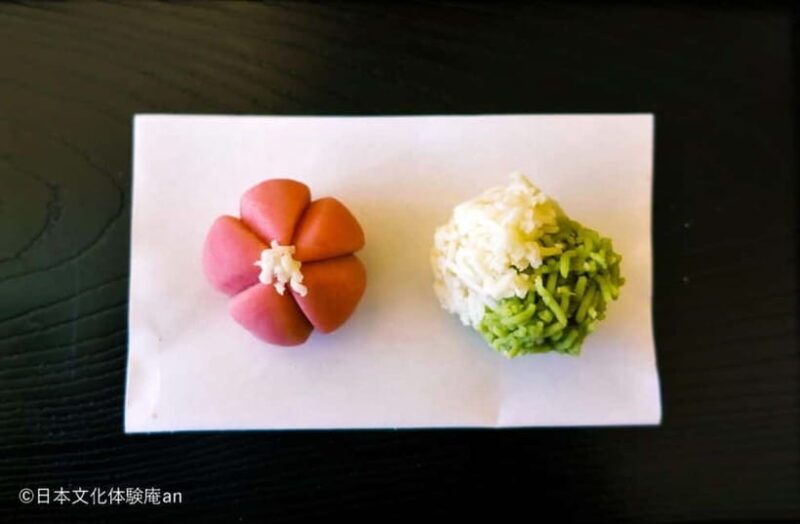
If you’re after an authentic taste of Japan’s cultural traditions, this Japanese sweets making and tea ceremony experience in Kyoto offers a delicious, engaging glimpse into centuries-old practices. Designed for those who love to participate actively rather than just observe, this tour combines hands-on craft with the calming ritual of tea drinking.
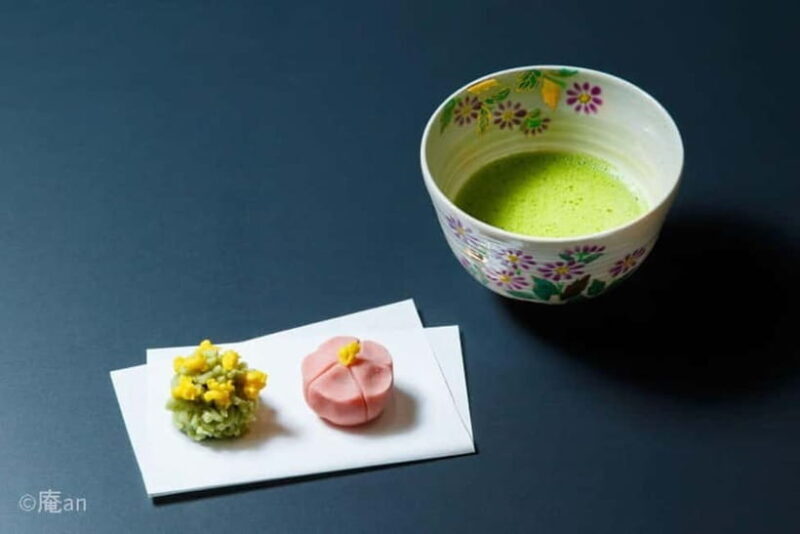
What makes this experience stand out? First, you’ll work with high-quality ingredients from Kyoto’s renowned shops, ensuring your sweets are both authentic and tasty. Second, the seasonal Nerikiri allows you to craft delicate, flower-shaped confections, perfect for appreciating the artistry behind Japanese sweets. Third, the special single-origin Matcha provides a genuine, rich flavor that elevates the tea experience.
That said, travelers should note the absence of an elevator in the venue—stairs are involved—and that English translation is limited, which might challenge those with only casual Japanese skills. Still, for anyone curious about Japanese culinary customs or seeking a memorable, participatory activity in Kyoto, this tour strikes a good balance of value and authenticity.
You can check availability for your dates here:
👉 See our pick of the 25 Best Workshops And Classes In Kyoto
Who is this experience best suited for?
It’s ideal for curious travelers eager to learn about Japanese sweets and tea culture, families with kids (children under 2 sit on laps free), and anyone who values hands-on activities that offer both fun and education.
You can also read our reviews of more tours and experiences in Kyoto

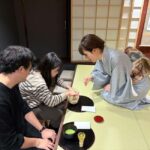
Good To Know
- Authentic ingredients sourced from Kyoto’s long-established shops ensure genuine flavor.
- Three distinct experiences packed into one tour—Ohigashi, Nerikiri, and Matcha—offer variety.
- Seasonal and traditional sweets make each visit unique and visually appealing.
- Casual tea ceremony makes the experience accessible, even for beginners.
- Affordable price point for a full cultural experience, with options for add-ons.
- Limited English support may require some patience but doesn’t hinder participation.
A Deep Dive Into the Experience
The Overall Layout and Schedule
This experience, priced at $29 per person, is structured to give you a comprehensive taste of Japan’s sweet-making and tea traditions in just over two hours. The schedule starts around 10:00 AM and wraps up by around 2:00 PM, leaving plenty of time for sightseeing afterward.
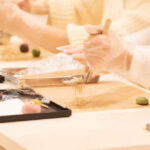
The experience kicks off with a brief introduction to the significance of Japanese sweets and their role in cultural rituals. From there, participants are guided through making Ohigashi, a traditional dried sweet crafted from Wasanbon, a refined Japanese sugar. This part takes about 20 minutes, during which you’ll learn how to shape and flavor these confections, gaining insight into the traditional methods used by Japanese artisans.
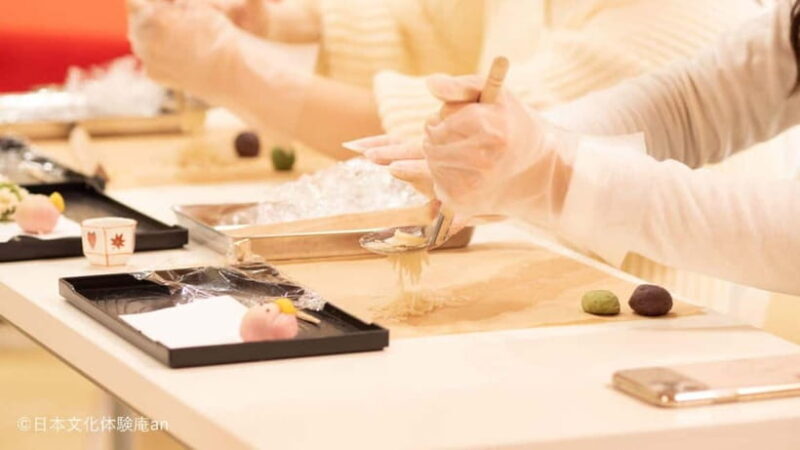
Following a short break, the focus shifts to Nerikiri, the flower-shaped sweets that are both beautiful and delicious. You’ll use white or red bean paste to craft two seasonal versions—an ideal way to understand how Japanese sweets mirror the changing seasons. Expect about 30 minutes for this stage, during which you’ll be guided step-by-step, with plenty of tips on creating aesthetically pleasing shapes.
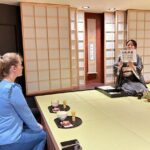
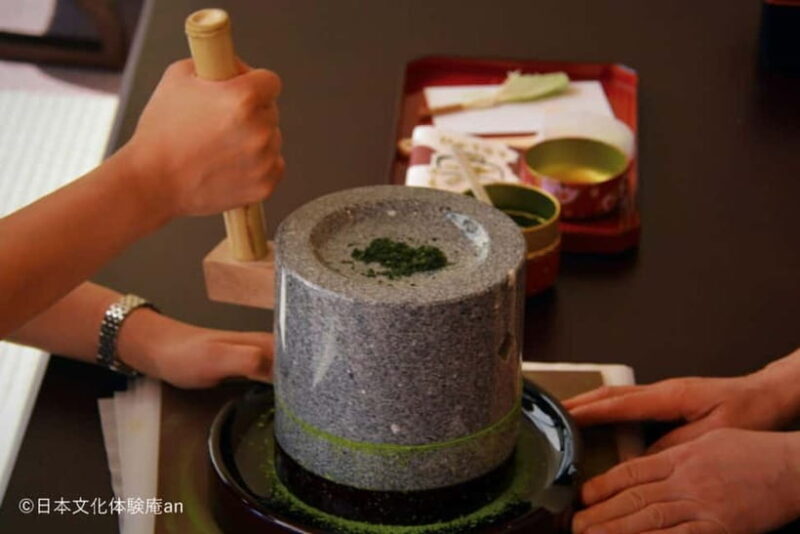
Then, after a second break, the tour transitions into the tea ceremony. Here, you’ll see a matcha grinding demonstration before making your own single-origin Matcha. The emphasis on quality ingredients means you’ll taste a richer, more authentic tea than typical instant powders. The ceremony itself is informal and accessible, designed to be casual and educational, making it a great introduction even if you’re unfamiliar with Japanese tea rituals.
More Great Tours NearbyMaking Sweets: Ohigashi & Nerikiri
Ohigashi are often enjoyed during festivals or as gifts, so learning how to make these traditional dried sweets adds a practical skill that you might want to take home. The use of Wasanbon assures a delicate sweetness and fine texture, which distinguishes these treats from more commercial varieties.
Nerikiri, with its floral designs, is the highlight for many participants. It’s a craft that combines artistry and culinary skill—expect to mold and shape the bean paste into seasonal motifs. Several reviewers mention how satisfying it is to create something both beautiful and edible, and how the host’s detailed instructions make it manageable even for beginners. One noted that “the flower shapes were surprisingly easy with the helpful tips provided,” which boosts confidence.
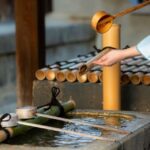

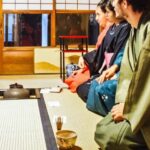
The Tea Ceremony
The casual tea ceremony is tailored for those new to the practice, offering a friendly atmosphere. The demonstration involves matcha grinding, highlighting the importance of fresh, high-quality tea. You’ll enjoy learning how to whisk the powder into a frothy cup and savoring your own creation afterward.
Multiple reviews underscore how authentic the matcha is, sourced from single-origin farms, and how the process emphasizes mindfulness and appreciation of the moment. The informal setting lets you focus on the taste, aroma, and the meditative act of preparing tea—perfect for beginners or those seeking a relaxed cultural experience.
Logistics and Practical Aspects
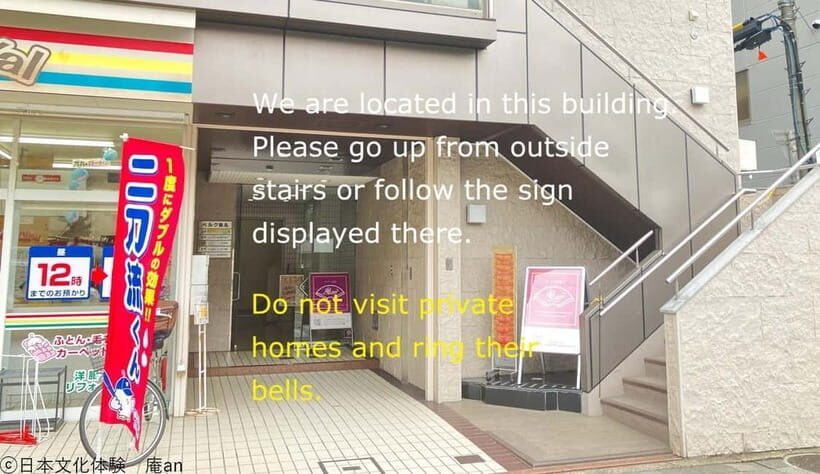
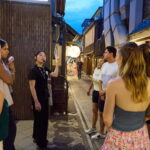
The meeting point is conveniently located just a one-minute walk from Exit 1 of Gojo Station on the Karasuma Line. The venue faces Gojo-dori street, making it easy to find. Keep in mind there’s no elevator, so travel light and be prepared for stairs.
The entire experience is designed to be inclusive, with options to reserve and pay later, and a flexible cancellation policy—full refunds if canceled 24 hours in advance. The group size is likely small, fostering a friendly, personalized vibe, as indicated by reviews mentioning a “relaxed and welcoming environment.”
What’s Not Included and Additional Costs
While the core experience covers two types of sweets and a tea ceremony, additional options include adding color (200 JPY) to your sweets for an extra visual punch, purchasing a take-out box (100 JPY) to enjoy your treats later, or obtaining a completion certificate (300 JPY) to commemorate your achievement.
Authenticity and Quality
Reviewers mention Kyoto’s long-established shops providing the ingredients—which guarantees authenticity. The use of single-origin Matcha is a standout feature, promising a superior flavor compared to mass-market powders.
Participants have appreciated the expert guidance; one said, “The host was patient and explained everything clearly,” which made the process enjoyable even for first-timers. The emphasis on seasonal and traditional sweets enhances the cultural value of this experience.
Is This Tour Worth It?
Absolutely, especially if you value hands-on cultural activities and are interested in Japanese culinary arts. It offers a well-rounded introduction to traditional sweets and tea in a relaxed setting, making it suitable for all ages. The price point is reasonable given the quality of ingredients and expert guidance, and the inclusion of three distinct experiences means you leave with new skills and memorable photos.
For families, couples, or solo travelers curious about Japan’s sweet and tea customs, this tour provides an engaging way to connect with local traditions. Plus, the opportunity to make beautiful sweets and enjoy a genuine tea ceremony makes it both fun and educational.
FAQ
What is included in the tour?
The experience includes making two types of Japanese sweets—Ohigashi and Nerikiri—as well as a casual tea ceremony where you’ll prepare and enjoy your own Matcha.
How long does the experience last?
It runs for just over two hours, starting at 10:00 AM and ending around 2:00 PM, with scheduled breaks and instructions.
Is the experience suitable for children?
Yes, children under 2 sit on their parents’ laps free of charge, and the hands-on nature can be engaging for kids and families.
Do I need prior experience to participate?
No, the instructions are clear and suitable for beginners. The host provides step-by-step guidance, making it accessible for all.
Are there any additional costs?
Optional extras include adding color to your sweets (200 JPY), taking out your treats (100 JPY), or buying a certificate (300 JPY). The core experience covers the essentials.
What should I bring or prepare?
Comfortable clothes and a willingness to participate actively. You might want to wear something you don’t mind getting a little flour or coloring on.
Is there English support during the tour?
Some translation will be available, but English support may be limited, so patience and a bit of Japanese curiosity can enhance your experience.
2 Types of Japanese Sweets making and Tea Ceremony
Final Thoughts
This Japanese sweets making and tea ceremony tour in Kyoto offers a delightful package for anyone wanting a meaningful cultural experience without the fuss. It’s perfect for those who enjoy hands-on activities, appreciate authentic flavors, and want a relaxed but insightful introduction to Japan’s culinary traditions.
The combination of seasonal sweets, quality ingredients, and a genuine tea ritual makes it a memorable activity, especially when you consider the value for price. It’s a wonderful way to connect with Japanese culture in a tangible, tasty way—whether you’re a foodie, a culture seeker, or simply curious.
If you love learning new skills, enjoy beautiful food, and want a peaceful, immersive experience during your Kyoto stay, this tour is definitely worth considering. Just remember to book in advance, arrive prepared, and get ready to create sweet memories (and confections) that will last long after your trip ends.
You can check availability for your dates here: More Great Tours Nearby