Travelers seeking a genuine taste of Nepal’s mountains and local life will find this 13-day trek through Langtang Valley and Gosaikunda Lake an unbeatable experience. It’s a balanced mix of challenging high-altitude hikes, cultural insight, and the chance to see some of Nepal’s most iconic Himalayan views.
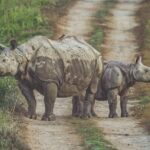
What makes this trip stand out? First, the route takes you through Langtang National Park, home to wildlife like red pandas and Himalayan black bears — yes, you might spot some of these elusive creatures! Second, the trek includes a visit to Kyanjin Gompa, a charming Buddhist monastery with panoramic mountain vistas. Third, the crossing of Laurebina Pass offers a sense of achievement and awe, as you stand at 4,610 meters.
One possible consideration? The high-altitude sections mean this trek isn’t suitable for everyone, especially those with mobility issues, heart or respiratory conditions, or altitude sickness.
This journey is best suited for adventurous travelers who enjoy authentic mountain experiences, are prepared for some physical challenge, and love culture in Nepal’s Himalayan villages.
- Good To Know
- An In-Depth Look at the 13-Day Trek Experience
- Starting Point: Kathmandu to Syabrubesi
- Trek Through Langtang Valley: Embracing Nature and Resilience
- Reaching Kyanjin Gompa: A Mountain Sanctuary
- Cultural and Nature Exploration
- Descending and Repeating the Journey
- From Forests to Himalayan Heights
- Crossing Laurebina Pass and the High Trails
- Final Days: Descending into the Valley
- Practical Details and Traveler Insights
- Who Would Enjoy This Trek?
- The Sum Up
- FAQ
- The Best Of Kathmandu!
- More Tour Reviews in Kathmandu
- Not for you? Here's more nearby things to do in Kathmandu we have reviewed
Good To Know
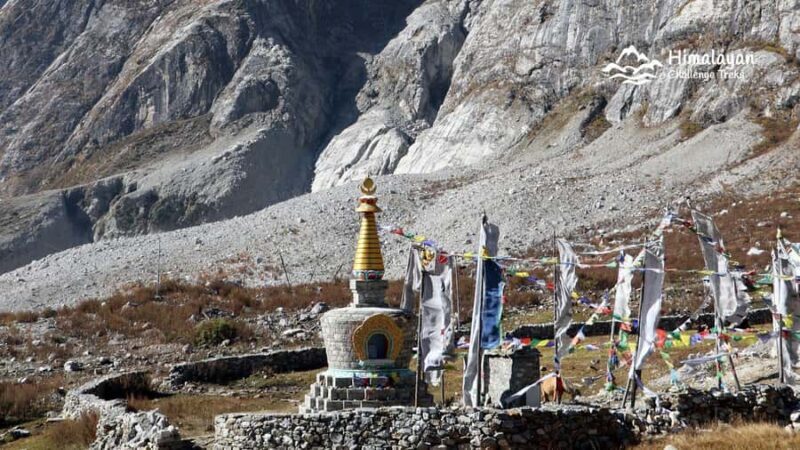
- High-altitude adventure with peaks reaching 4,610 meters at Laurebina Pass
- Cultural highlights include visits to monasteries, cheese factories, and rebuilt villages
- Wildlife and scenic beauty within Langtang National Park, home to unique Himalayan fauna
- Flexible hikes such as Kyanjin Ri and Tserko Ri for those seeking extra panoramic views
- Well-established route with teahouses providing food and accommodation along the trail
- Small group size (limited to 10) for a more intimate experience and personalized guiding
👉 See our pick of the 14 Best Shopping Tours In Kathmandu
An In-Depth Look at the 13-Day Trek Experience
You can also read our reviews of more tours and experiences in Kathmandu.
Starting Point: Kathmandu to Syabrubesi
Your adventure begins with a scenic drive from Kathmandu to Syabrubesi, traveling 122 kilometers along the Trishuli River. The journey takes about 3-4 hours, giving ample time to enjoy Nepal’s lush landscape and start acclimatizing. The drive itself is a highlight, with winding roads through terraced fields and mountain views.
Once in Syabrubesi, you settle into a lodge for your first night. From here, the trek officially kicks off, with the next days leading further into the Himalayan heartland.
Trek Through Langtang Valley: Embracing Nature and Resilience
Days 2 and 3 involve trekking through Langtang National Park, renowned for its diverse wildlife and stunning scenery. As you follow the Langtang River, expect lush bamboo forests, open meadows, and glimpses of snow-capped peaks. The trail is well-trodden but offers surprises like the chance to spot Himalayan black bears and red pandas, especially in the early morning or late afternoon.
The villages of Rimche and Mundu provide cultural insights, with Mundu being notable for its resilience—rebuilt after the devastating 2015 earthquake. Guests often comment on how inspiring it is to see these communities thriving again.
Reaching Kyanjin Gompa: A Mountain Sanctuary
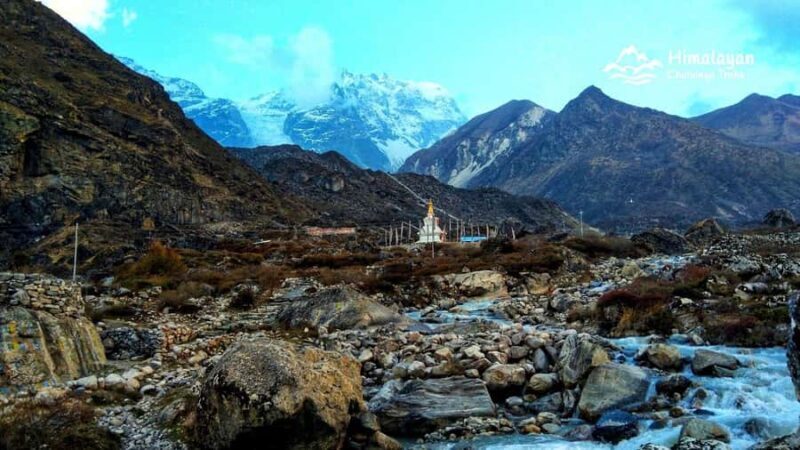
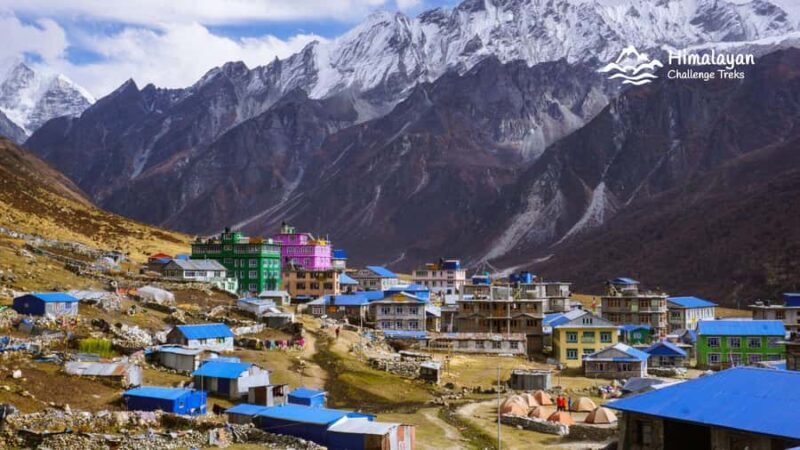
Day 4 sees you arriving at Kyanjin Gompa, a serene monastery perched amidst the mountains at 3,830 meters. The village is charming, with traditional houses and a cheese factory producing local delicacies—an authentic taste of Himalayan life.
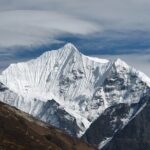
This stop is perfect for acclimatization and leisure, with optional hikes to Kyanjin Ri and Tserko Ri available for panoramic views of Langtang Lirung and surrounding peaks. One reviewer shared that the hikes to these ridges felt worth every step for the sweeping vistas.
More Great Tours NearbyCultural and Nature Exploration
Day 5 offers a freedom day to explore more of Kyanjin Gompa, visit the monastery, and enjoy local cheese. For those craving adventure, the optional hikes provide staggering views and photo opportunities.

Descending and Repeating the Journey
Day 6 involves descending back to Lama Hotel, retracing your steps along the Langtang River. This reverse journey highlights the lushness of the valley and offers a different perspective on the landscape.
From Forests to Himalayan Heights
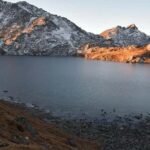
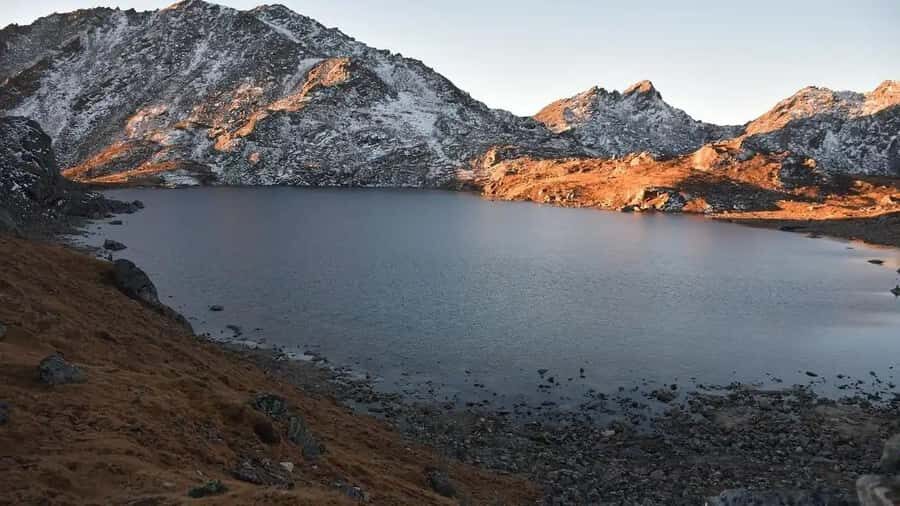
The following days take you through forested trails to Thulo Syabru, Cholangpati, and eventually Gosaikunda. Each location offers new sights: from dense woods and terraced fields to the stunning Gosaikunda Lake, a sacred site and pilgrimage destination during Janai Purnima.
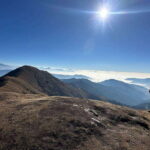
The trek to Gosaikunda at 4,380 meters is particularly memorable. The route follows a ridge trail with views of Langtang Lirung and Ganesh Himal, leading to the sacred lake. Travelers often mention the spiritual ambiance and the cool mountain air as highlights.
Crossing Laurebina Pass and the High Trails
Day 10 involves crossing the Laurebina Pass at 4,610 meters. The climb is physically demanding, but the reward is the breathtaking lake edge views. One reviewer described the pass as “the highlight of the trek,” emphasizing how the altitude and effort are well worth it.
Post-pass, the trail descends to Ghopte, offering a dramatic change in scenery from alpine lakes to lush forests.
Final Days: Descending into the Valley
The last part of the trek takes you down through Kutumsang and Chisapani, two of the most scenic villages, with sweeping views of mountains and valleys. These days are less strenuous, providing time to soak in the atmosphere and reflect on the journey.
Finally, you’ll trek through Shivapuri National Park to Sundarijal, then drive back to Kathmandu. It’s a fitting end, with a mix of forested paths and urban life.
Practical Details and Traveler Insights
Transport and Group Size: The journey begins with a roughly 3-4 hour drive from Kathmandu, which provides a comfortable start to the trek. The small group limit (10 participants) ensures personalized attention, with guides like Suresh and Raju well-rated for their local knowledge and friendly approach.
Accommodation: Teahouses and lodges along the trail are basic but comfortable, with shared rooms and communal dining areas. Many reviews highlight the warmth of the hosts and the quality of simple, nourishing meals, especially the local cheese and dal bhat.
Cost and Value: While the price isn’t specified here, this trek offers a comprehensive experience—covering transportation, guiding, accommodations, and some meals. Considering the remote nature, well-guided structure, and the range of highlights, it provides good value for an immersive Himalayan adventure.
Altitude and Physical Demands: The highest point, Laurebina Pass, reaches 4,610 meters. Expect some physical challenge, especially at altitude, and a need for proper acclimatization days. Reviewers note that the route is well-established, making it manageable for experienced trekkers, but less suitable for those with health issues.
Cultural and Scenic Highlights: The blend of natural beauty, spiritual sites like Gosaikunda, and local villages make this more than just a mountain hike. You’ll encounter friendly villagers, traditional monasteries, and the chance to participate in local customs—especially if you visit during festival times like Janai Purnima.
Who Would Enjoy This Trek?
This trek suits adventurous travelers with a moderate to high fitness level, seeking a mix of scenic mountain vistas, culture, and physical challenge. It’s perfect if you love hiking in less touristy settings and appreciate authentic Himalayan life.
If you’re interested in high-altitude passes and panoramic views, this journey delivers in spades. It’s also a good choice for those comfortable with basic lodge accommodations and looking for a guided, well-organized trek with local insights.
The Sum Up
This 13-day trek from Langtang to Gosaikunda offers a well-rounded taste of Nepal’s natural and cultural treasures. From the lush forests of Langtang Valley to the sacred lakes and high mountain passes, each step provides a new perspective on Himalayan life. The route’s inclusiveness—combining wildlife spotting, village visits, and challenging ascents—makes it a worthwhile adventure for those craving authenticity and scenic grandeur.
While physically demanding, the well-established trails, friendly guides, and supportive local communities make it accessible for seasoned trekkers willing to embrace the altitude and terrain. The experience leaves you with memories of stunning vistas, spiritual sites, and a deeper understanding of Nepal’s mountain spirit.
For travelers who thrive on challenge, cultural richness, and jaw-dropping landscapes, this trek is a fulfilling journey into one of Nepal’s most iconic regions. It’s a meaningful investment in both effort and reward, offering a true Himalayan adventure.
FAQ
How long is the drive from Kathmandu to Syabrubesi?
It’s approximately a 3-4 hour drive covering 122 kilometers along the Trishuli River, offering scenic views and an easy start to the trek.
What is the highest point on this trek?
The Laurebina Pass at 4,610 meters is the highest point, crossing this pass is both challenging and rewarding, providing spectacular views.
Are teahouses available along the route?
Yes, accommodations are primarily teahouses and lodges, providing basic but comfortable rooms, local food, and a chance to connect with fellow trekkers.
Can I hike to extra viewpoints?
Absolutely. Optional hikes to Kyanjin Ri and Tserko Ri are popular for panoramic Himalayan vistas, with most guests finding them worth the extra effort.
Is this trek suitable for beginners?
It’s better suited for those with some trekking experience and good physical fitness due to high-altitude sections and the distance covered each day.
What should I bring for this trek?
Pack warm clothing, sturdy hiking shoes, sunscreen, water bottles, snacks, and trekking gear. Don’t forget your travel insurance, especially for high-altitude travel.
How physically demanding is the crossing of Laurebina Pass?
It’s a steep, high-altitude climb that requires good fitness and acclimatization. Many reviewers mention the effort as challenging but manageable with proper pacing and preparation.
When is the best time to do this trek?
Most trekking seasons are ideal—spring (March to May) and autumn (September to November)—when the weather is clear and stable.
This 13-day adventure promises a genuine, rewarding experience—perfect for those ready to explore Nepal’s majestic mountains and deep-rooted culture with a knowledgeable guide by your side.
You can check availability for your dates here: More Great Tours Nearby