
Join a unique 2-hour Kintsugi class in Minato, Tokyo, and learn the art of repairing broken pottery using gold lacquer. With a maximum of five participants, this intimate experience allows you to create your own bowl. Located at Shelves Coffee Self-Stand, the class is accessible for strollers but not for wheelchairs. Enjoy a safe and engaging atmosphere, perfect for families and art enthusiasts alike. But what makes this Kintsugi class truly special?
- Good To Know
- Class Overview
- Location and Meeting Point
- Pricing and Fees
- Accessibility and Participation
- Health and Safety Information
- Kintsugi: The Art of Golden Repair
- Materials and Techniques
- The Kintsugi Experience
- Frequently Asked Questions
- Can I Bring My Own Ceramics to Repair?
- How Do I Care for the Finished Piece?
- Are Food-Safe Materials Used in the Class?
- Can I Join the Class if I Have Physical Limitations?
- Is There a Dress Code or Special Attire Required?
- The Sum Up
- More Tour Reviews in Tokyo
- Looking for something different? Other Tokyo activities we've written about
Good To Know
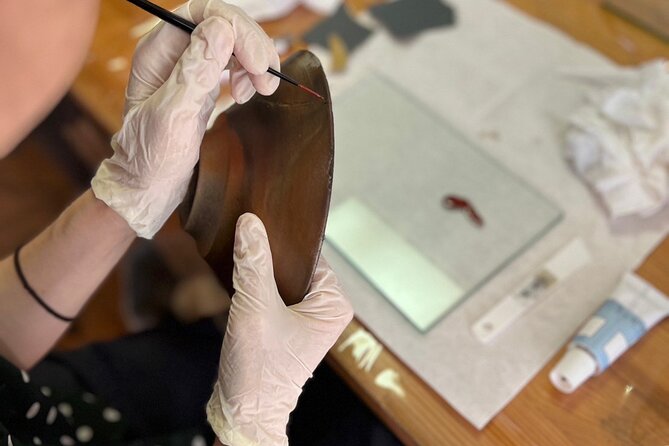
- Experience the ancient Japanese art of Kintsugi during a 2-hour class in Minato, Tokyo.
- Class limited to a maximum of 5 travelers for an intimate learning environment.
- Pottery fee of 2000 JPY allows you to take home the classroom bowl.
- Conveniently located near Hacchobori Station with stroller accessibility.
- Comprehensive safety precautions and positive reviews ensure a safe and enjoyable experience.
Class Overview
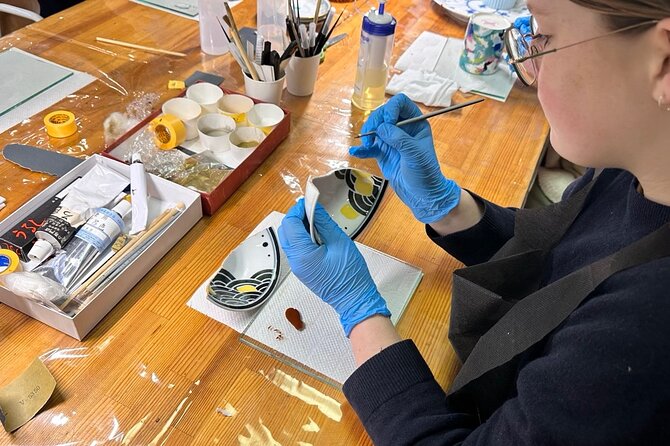
The Kintsugi class in Minato, Tokyo, Japan, is a 2-hour experience that accommodates a maximum of 5 travelers per session.
Children under 12 aren’t permitted to participate.
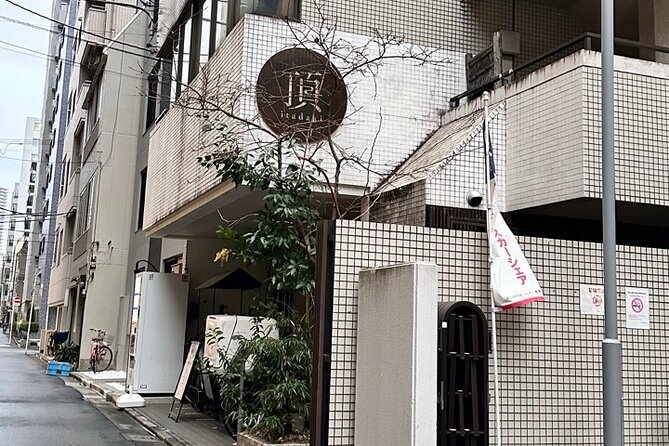
The class is held at the SHELVES COFFEE SELF-STAND branch, a ten-minute walk from Hacchobori Station.
Participants will create a unique bowl using the centuries-old Japanese art of Kintsugi, which emphasizes the beauty in imperfections by highlighting cracks with gold lacquer.
The pottery fee of 2000 JPY is charged if you wish to take the classroom bowl home.
The experience ends back at the meeting point.
Find more activities and experiences we've covered in Tokyo.
Location and Meeting Point
The Kintsugi class takes place at the SHELVES COFFEE SELF-STAND branch, located at 1-chōme-11-8 Minato, Chuo City, Tokyo 104-0043, Japan. The meeting point is a ten-minute walk from Hacchobori Station. Once the class ends, participants return to the same location.
| Location | Address | Distance from Hacchobori Station | Accessibility | Meeting Point |
|---|---|---|---|---|
| SHELVES COFFEE SELF-STAND | 1-chōme-11-8 Minato, Chuo City, Tokyo 104-0043, Japan | 10-minute walk | Stroller accessible | Same as start |
The class is not wheelchair accessible but is near public transportation, allowing most travelers to participate.
Pricing and Fees
The Kintsugi class in Minato, Tokyo, costs $53.83 per person. This fee includes the pottery material, which participants can take home as a classroom bowl.
There’s also an optional pottery fee of 2000 JPY for those who wish to take back their own handcrafted bowl.
The class has a maximum of 5 travelers per session, making it an intimate experience.
Cancellation is free up to 24 hours before the start of the class, providing flexibility for participants.
Accessibility and Participation
Although the Kintsugi class isn’t wheelchair accessible, it’s stroller accessible, allowing for participation by most travelers.
The class is conveniently located near public transportation, making it easily accessible for visitors. The activity’s accessibility is further enhanced by the following:
- The venue is stroller accessible, accommodating families with young children.
- The class is situated within a 10-minute walk from Hacchobori Station, ensuring convenient access for participants.
- Most travelers can comfortably participate in the Kintsugi experience.
- The activity ends back at the original meeting point, providing a seamless experience.
Health and Safety Information
Participants receive confirmation of their booking within 48 hours, subject to availability. Attendees should be aware that the lacquer used in the kintsugi process may cause skin irritation, so they should take precautions. The class is suitable for most travelers, but it is important to disclose any known allergies or skin sensitivities prior to the event.
| Health Precautions | Description |
|---|---|
| Lacquer Allergy | Lacquer used may cause rashes |
| Skin Sensitivity | Disclose any known skin sensitivities |
| Safety Review | 5.0 based on 1 positive review |
The class is well-reviewed, with a 5.0 rating from previous participants, indicating a safe and enjoyable experience.
- Let'S Make Kimono !(Kimono Is a Gift for You)
- Small-Group Half-Day Pop Culture Tour of Harajuku, Tokyo
- Kawaii Food Tour of Harajuku Tokyo
- MOUNT FUJI And Hakone Sightseeing Adventure With Guide
- Tokyo Private Transfer for Narita Airport (Nrt) – Toyota HIACE 9 Seats
- Luxury Ride Trip to Famous Car Meet up Spot Daikoku
Kintsugi: The Art of Golden Repair
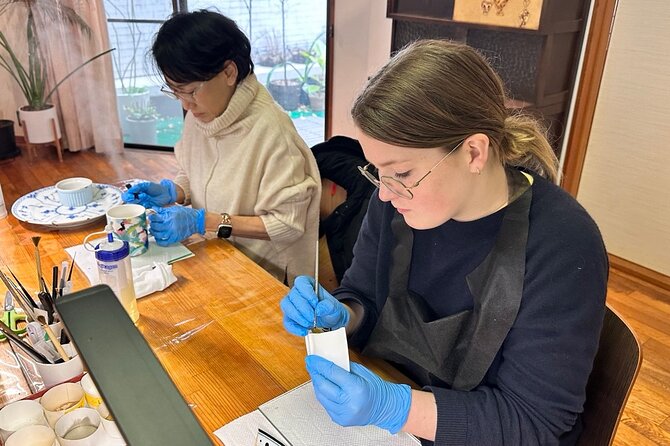
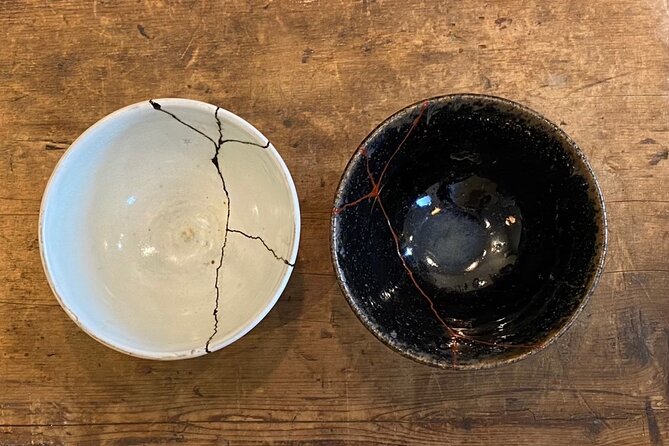
Kintsugi is the centuries-old Japanese art of repairing broken pottery with lacquer dusted or mixed with powdered gold, silver, or platinum.
The technique celebrates the imperfections and unique beauty of an object’s history, rather than hiding them.
This ancient craft:
- Transforms broken items into visually stunning one-of-a-kind pieces.
- Highlights the cracks and flaws, treating them as part of the object’s story.
- Emphasizes the beauty in imperfection and the resilience of the repaired item.
- Encourages a mindset of acceptance, patience, and appreciation for the natural cycles of life.
Materials and Techniques
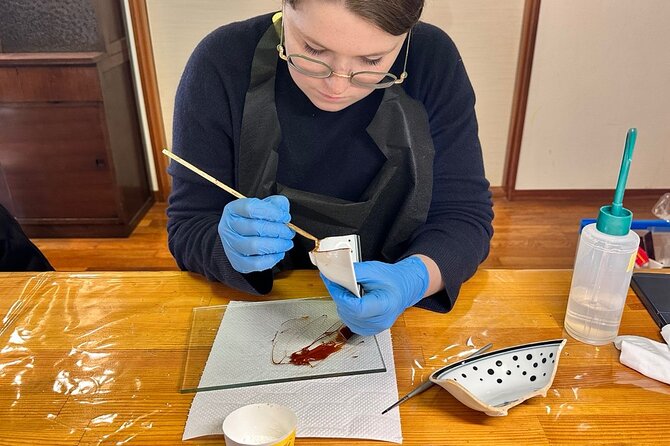
In the Kintsugi class, students learn how to transform their broken pottery into stunning works of art using traditional Japanese techniques. They use lacquer, powder gold, and other materials to lovingly restore their damaged ceramics. The process involves carefully applying the lacquer to the cracks and gaps, followed by sprinkling the gold powder to highlight the repaired areas. This unique approach celebrates the flaws and imperfections, creating a beautiful and one-of-a-kind piece. The table below outlines the key materials and steps involved in the Kintsugi process taught in the class.
| Materials | Techniques |
|---|---|
| Lacquer | Applying Lacquer |
| Powder Gold | Sprinkling Gold Powder |
| Ceramic Pieces | Joining Broken Pieces |
| Washi Paper | Reinforcing Cracks |
The Kintsugi Experience
Although the Kintsugi class in Minato, Tokyo, might seem like a niche artistic pursuit, it offers a captivating and transformative experience for participants.
The class provides a hands-on opportunity to learn the ancient Japanese art of repairing broken pottery with lacquer and gold. Participants can expect:
- A guided exploration of Kintsugi’s philosophy and techniques.
- Hands-on practice of mending a ceramic piece using traditional methods.
- Personalization of the repaired item with unique gold patterns.
- A newfound appreciation for the beauty in imperfections and the value of embracing life’s flaws.
The Kintsugi experience encourages a mindset shift, inviting participants to find the extraordinary in the ordinary.
Frequently Asked Questions
Can I Bring My Own Ceramics to Repair?
The class materials are provided, but participants can’t bring their own ceramics to repair. The instructor will guide them through the Kintsugi process using the supplied pottery pieces during the 2-hour session.
How Do I Care for the Finished Piece?
The finished Kintsugi piece requires gentle handling and careful storage. Avoid excessive moisture, direct sunlight, and sharp impacts. Clean it with a soft cloth, and display it in a safe, stable location to preserve its unique repaired beauty.
Are Food-Safe Materials Used in the Class?
The class uses food-safe materials, though the finished piece may not be suitable for direct food contact. Participants should use the bowl for decorative purposes rather than for serving food.
Can I Join the Class if I Have Physical Limitations?
While the class is not wheelchair accessible, it is stroller accessible. Most travelers can participate, though those with physical limitations may want to check with the organizers to ensure the activity suits their needs.
Is There a Dress Code or Special Attire Required?
There’s no specific dress code for the Kintsugi class. Participants should wear comfortable, casual clothing that they don’t mind getting a bit messy during the hands-on pottery activity. No special attire is required.
The Sum Up
The Kintsugi class in Minato, Tokyo, offers a unique opportunity to learn the art of repairing broken pottery with gold lacquer. With a maximum of five participants, it’s an intimate and engaging experience suitable for families and art enthusiasts alike. Participants can create their own bowl and take it home for a small fee, in a safe and accessible environment.
More Tour Reviews in Tokyo
Looking for something different? Other Tokyo activities we've written about
- Tokyo: Private City Tour with Spanish-Speaking Guide
- Tokyo Sumo Experience + Asakusa Walking Tour
- Private Yakitori and Sushi Food Tour
- Shinjuku: Ramen Crawl Taste the Best of Ramen Shops
- Tokyo Halal Muslims Friendly Food Tour With Guide& Sweets
- Tokyo: Shinjuku Izakaya Hopping Tour with Guide
- Tokyo: Ninja Sword Fighting Experience
- Traditional Samurai Training: Body, Mind & Sword in Asakusa
- 4 Hours Private Night Tour in Shibuya and Shinjuku
- Tokyo: Private Walking Tour with Sumo Show and Meal
- From Tokyo: Nikko Tshog Private Tour Customizable Day Trip
- Mount Fuji-Lake Kawaguchi Private Tour with Bilingual Driver