
The West Bank of Luxor and the East Bank each hold a treasure trove of ancient wonders waiting to be explored. From the colossal statues and ornate tombs on the West Bank to the majestic temples and museums on the East Bank, the historical significance and architectural marvels of Luxor are bound to captivate any visitor. But beyond the well-known sites lies a hidden world of intriguing stories and mysteries that shed light on the past civilizations that once thrived in this mystical land.
- Good To Know
- Luxor’s West Bank Highlights
- Exploring Valley of the Kings
- Discovering Queen Hatshepsut’s Temple
- Visiting the Colossi of Memnon
- Luxor’s East Bank Wonders
- Unraveling Karnak Temple Complex
- Taking in Luxor Temple
- Shopping and Dining in Luxor
- Frequently Asked Questions
- Is the Tour Suitable for Children?
- Are Entrance Fees Included in the Price?
- Can Special Dietary Requirements Be Accommodated?
- Is Photography Allowed at the Sites?
- What Language Is the Tour Guide Fluent In?
- The Sum Up
- More Tour Reviews in Luxor
- Looking for something different? Other Luxor activities we've written about
Good To Know
- West Bank: Colossi of Memnon, Temple of Hatshepsut, Valley of the Nobles.
- Valley of the Kings showcases royal tombs with elaborate decorations.
- East Bank: Luxor Temple, Karnak Temple, Luxor Museum.
- Luxor’s West Bank offers insights into ancient Egyptian burial practices.
- Luxor’s East Bank highlights temples dedicated to gods and historical artifacts.
Luxor’s West Bank Highlights
When exploring Luxor’s West Bank, visitors are treated to a rich tapestry of ancient history and archaeological wonders. One of the highlights is the Colossi of Memnon, towering stone statues that once guarded the entrance to Amenhotep III’s mortuary temple.
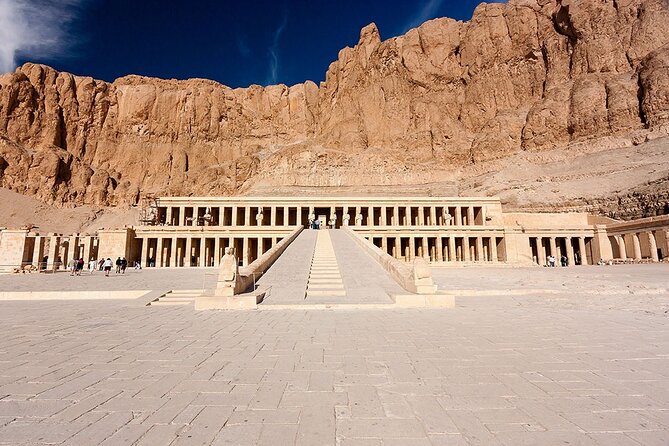
The Temple of Hatshepsut, dedicated to the famous female pharaoh, is another must-see site with its stunning terraces and unique architecture.
Travelers can also marvel at the Valley of the Nobles, where beautifully decorated tombs belonging to ancient Egyptian nobles are nestled into the cliffs.
For those interested in the ancient Egyptian belief in the afterlife, a visit to the Tombs of the Nobles provides a fascinating glimpse into burial practices and religious beliefs of the time.
Find more activities and experiences we've covered in Luxor.
Exploring Valley of the Kings
Exploring the Valley of the Kings in Luxor reveals a captivating journey into the ancient burial grounds of Egyptian pharaohs, offering a profound glimpse into the royal tombs and their intricate historical significance.
This archaeological marvel consists of over 60 tombs, including the famous tomb of Tutankhamun, known for its well-preserved artifacts and stunning wall paintings.
Visitors can marvel at the elaborate decorations, hieroglyphs, and the architectural brilliance that characterize these underground crypts. Each tomb tells a unique story of the pharaoh laid to rest within, shedding light on ancient Egyptian beliefs and customs surrounding the afterlife.
The Valley of the Kings stands as a testament to the grandeur and mystique of Egypt’s past, making it a must-visit destination for history enthusiasts.
Discovering Queen Hatshepsut’s Temple
A visit to Queen Hatshepsut’s Temple in Luxor immerses travelers in the remarkable legacy of one of ancient Egypt’s most influential female rulers. The temple, dedicated to the female pharaoh Hatshepsut, stands as a testament to her reign and architectural prowess. Visitors can marvel at the grandeur of the temple’s design, with its terraces, colonnades, and statues that have stood the test of time.
Here are a few key highlights to enhance your exploration:
- Explore the unique mortuary temple structure
- Admire the stunning hieroglyphic inscriptions
- Learn about the history and significance of Queen Hatshepsut
- Enjoy panoramic views of the surrounding desert landscape
Set out on a journey through history and uncover the fascinating story of Queen Hatshepsut at this iconic temple site.
Visiting the Colossi of Memnon
Embarking on the next leg of the Luxor tour leads visitors to the awe-inspiring site of the Colossi of Memnon, offering a glimpse into the monumental history of ancient Egypt. These massive twin statues depict Pharaoh Amenhotep III seated on his throne, reaching a height of about 60 feet.
Carved from single blocks of sandstone, these statues once guarded the entrance to the king’s mortuary temple but now stand alone in the Theban Necropolis. Visitors can marvel at the intricate details of the statues, including the remnants of colorful decorations.
The Colossi of Memnon aren’t only a testament to ancient Egyptian craftsmanship but also serve as a reminder of the grandeur of the pharaohs who ruled over this magnificent civilization.
Luxor’s East Bank Wonders
Nestled along the eastern bank of the Nile in Luxor, a treasure trove of ancient wonders awaits eager travelers. Explore Luxor’s East Bank to uncover:
Luxor Temple: A majestic complex dedicated to the gods Amun, Mut, and Chons.
Karnak Temple: A vast temple complex showcasing the power and grandeur of ancient Egypt.
Luxor Museum: Home to an impressive collection of artifacts from the region.
Avenue of Sphinxes: A mystical path connecting Luxor Temple and Karnak Temple, lined with sphinx statues.
Each site offers a unique glimpse into the rich history and artistry of ancient Egypt, making Luxor’s East Bank a must-visit destination for history enthusiasts and adventurers alike.
Unraveling Karnak Temple Complex
Exploring the monumental Karnak Temple Complex reveals a grand tapestry of ancient Egyptian history and architectural mastery along Luxor’s East Bank. Karnak, dedicated to the god Amun, is a vast open-air museum with a complex of temples, chapels, pylons, and other ancient structures. The Hypostyle Hall, in particular, stands out with its towering columns adorned with intricate hieroglyphics and carvings. Here is a closer look at some highlights visitors can expect at Karnak Temple:
| Highlights | Description |
|---|---|
| Hypostyle Hall | Impressive hall with towering columns and intricate designs |
| Obelisks | Ancient tall, narrow pillars with historical significance |
| Sacred Lake | Reflective pool once used for ceremonial and religious purposes |
| Avenue of Sphinxes | Path lined with Sphinx statues leading to the temple |
| Great Court | Spacious area where ceremonies and festivals took place |
Taking in Luxor Temple
Visitors to Luxor can explore the rich history and architecture of Luxor Temple, a stunning ancient site located on the East Bank of the Nile River. The temple offers a captivating experience with its grand columns, intricate hieroglyphics, and well-preserved statues.
To make the most of the visit, travelers can:
- Explore the Great Court, once bustling with religious ceremonies.
- Admire the colossal statues of Ramses II at the entrance.
- Discover the beautifully decorated chapels dedicated to different gods.
- Walk along the Avenue of Sphinxes connecting Luxor Temple with Karnak Temple.
Taking in Luxor Temple provides a glimpse into the religious and cultural practices of ancient Egypt, making it a must-visit destination for history enthusiasts.
Shopping and Dining in Luxor
For those seeking authentic experiences in Luxor, discovering the vibrant shopping and dining scene is a delightful way to immerse in the local culture and flavors. When it comes to shopping, Luxor offers a variety of traditional goods such as spices, perfumes, and exquisite handmade crafts. Visitors can explore the bustling markets like the Luxor Souq or the Alabaster Factory to find unique souvenirs to take back home.
On the dining front, Luxor boasts an array of restaurants serving delicious Egyptian cuisine. From street food stalls offering koshari and falafel to upscale eateries with stunning Nile views, there’s something to satisfy every palate. Don’t miss the opportunity to sample local specialties like kofta, molokhia, and traditional Egyptian desserts.
| Shopping | Dining | Souvenirs |
|---|---|---|
| Luxor Souq | Street Food | Handmade Crafts |
| Alabaster Factory | Egyptian Cuisine | Spices |
Frequently Asked Questions
Is the Tour Suitable for Children?
Yes, the tour is suitable for children. It offers a private experience with a tourist guide, conditioned car transportation, and optional tips. Children can enjoy the visit to Luxor, Egypt, with mineral water or a soft drink included.
Are Entrance Fees Included in the Price?
Entrance fees are included in the price. Travelers can enjoy the tour without worrying about additional costs. The package ensures a hassle-free experience with a tourist guide, transportation, and amenities like water or soft drinks.
Can Special Dietary Requirements Be Accommodated?
Yes, special dietary requirements can be accommodated. The tour offers flexibility to cater to different needs. Travelers can inform in advance about any specific dietary needs, ensuring a comfortable experience during the trip.
Is Photography Allowed at the Sites?
Photography is generally allowed at the sites. Visitors can capture stunning moments, but it’s always good to be mindful of any specific rules or restrictions at each location. Embrace the beauty and snap away!
What Language Is the Tour Guide Fluent In?
The tour guide is fluent in English, providing clear communication throughout the journey. Travelers benefit from a knowledgeable guide who ensures a seamless experience, offering insights and information in a language understood by most participants.
The Sum Up
The West Bank and East Bank of Luxor offer a captivating journey through ancient Egyptian history and culture. From the grand tombs of pharaohs in the Valley of the Kings to the majestic temples of Karnak and Luxor, visitors are treated to a wealth of archaeological wonders.
Whether exploring the intricate hieroglyphics of tombs or marveling at the colossal statues of ancient rulers, a trip to Luxor’s banks is sure to leave a lasting impression on all who visit.
More Tour Reviews in Luxor
Looking for something different? Other Luxor activities we've written about
- Full-day East and West Bank tour with lunch from Luxor
- Valley of the Queens and King Tuts Tombs Hatshepsut in Luxor
- Private Half Day Tour West Bank of the Nile Luxor Egypt
- 18 Best Shopping Tours In Luxor
- 5 Best Workshops And Classes In Luxor
- 21 Best Sailing Experiences In Luxor
- 20 Best Historical Tours In Luxor
- 20 Best 3 Day Tours In Luxor
- 16 Best Snorkeling Experiences In Luxor
- 25 Best Boat Tours And Cruises In Luxor
- 20 Best 4 Day Tours In Luxor
- 20 Best Private Driver Services In Luxor