
Discover the enchanting world of Japanese cuisine and boost your immunity through the ancient practice of making miso.
Step into a picturesque Japanese old house and learn about the art of creating this traditional fermented soybean paste.
Led by expert instructors from maiyuur culture retreat, you’ll uncover the secrets of miso-making, from ingredient selection to fermentation techniques.
Not only will you gain insight into the health benefits of miso, but you’ll also savor a variety of delicious miso variations.
Join this exclusive tour for an unforgettable journey into the heart of Japanese culinary tradition.
- Good To Know
- Traditional Japanese Miso-making Process
- Importance of Miso for Immunity
- Choosing the Right Ingredients
- Step-by-Step Guide to Making Miso
- Fermentation and Aging Techniques
- Health Benefits of Homemade Miso
- Tips for Storing and Using Miso
- Miso Recipes for Boosting Immunity
- Common Questions
- Is Transportation Provided to the Meeting Point, Kaze No Waon?
- Is There Parking Available for Cars at Kaze No Waon?
- Is the Activity Wheelchair Accessible?
- Can the Booking Be Changed or Refunded?
- What Happens if the Activity Is Canceled Due to Poor Weather?
- The Sum Up
- More Tour Reviews in Kyoto
- Looking for something different? Other Kyoto activities we've written about
Good To Know

- Kaze no Waon is the meeting point and end point for the activity of making Miso in a Japanese old house.
- The activity is conveniently located near public transportation, with a 5-minute walk from Omuro-Ninnaji and Fukuoji bus stops, as well as Omuro Ninnaji Station on the Randen Railway.
- The activity is not wheelchair accessible.
- The experience is non-refundable and cannot be changed for any reason, but a different date or a full refund will be offered if it is canceled due to poor weather.
Traditional Japanese Miso-making Process
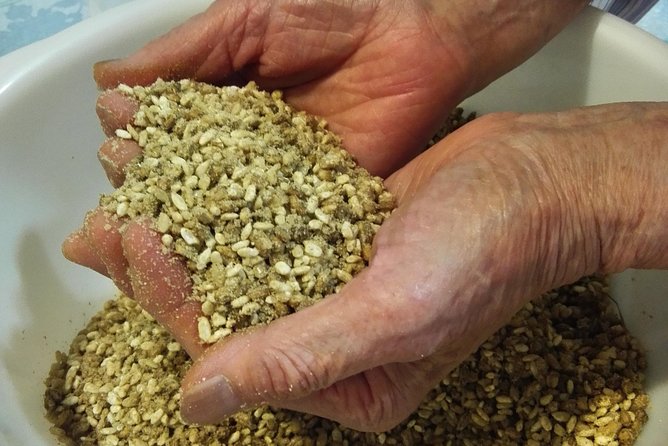
The traditional Japanese miso-making process involves using various ingredients and techniques to create a flavorful and nutritious fermented soybean paste.
Miso has been a staple in Japanese cuisine for centuries and holds great cultural significance.
Fermented foods like miso are known for their numerous health benefits. They’re rich in probiotics, which promote a healthy gut and boost the immune system. Miso is also a good source of protein, vitamins, and minerals.
The fermentation process enhances the flavor of the soybeans, resulting in a savory and complex taste.
Miso isn’t only used in soups and stews but also in marinades and dressings, adding depth and umami to dishes.
Its versatility and nutritional value make miso a beloved ingredient in Japanese cooking.
Find more activities and experiences we've covered in Kyoto.
Importance of Miso for Immunity
Regularly consuming miso can significantly boost the immune system. This traditional Japanese fermented food offers numerous benefits for overall health, particularly in strengthening the body’s defense against illnesses and infections. Here are three reasons why miso is important for immunity:
Rich in Probiotics: Miso contains beneficial bacteria known as probiotics, which play a crucial role in maintaining a healthy gut microbiome. A strong gut microbiome is essential for a robust immune system, as it helps regulate immune responses and enhances the body’s ability to fight off pathogens.
Enhanced Nutrient Absorption: The fermentation process of miso breaks down complex nutrients into more easily digestible forms. This improves nutrient absorption, ensuring that the body receives essential vitamins, minerals, and amino acids necessary for optimal immune function.
Immune-Boosting Properties: Miso is packed with antioxidants, vitamins, and minerals that support immune health. It contains zinc, copper, manganese, and selenium, all of which play vital roles in strengthening the immune system and promoting overall wellness.
Choosing the Right Ingredients
Choosing high-quality ingredients is essential when making miso in a Japanese old house to ensure the best flavor and nutritional benefits. The fermentation methods used in making miso are highly dependent on the quality of the ingredients.
Different types of miso require specific ingredients that contribute to their distinct flavors and characteristics. For example, white miso is made from soybeans, rice, and a smaller amount of salt, resulting in a sweeter and milder flavor. On the other hand, red miso is made from soybeans, barley or rice, and a higher salt content, giving it a stronger and more robust taste.
Plus, choosing fresh and organic ingredients is crucial to ensure that the miso is packed with essential nutrients and enzymes, providing maximum health benefits. By carefully selecting the right ingredients, one can create miso that isn’t only delicious but also nutritious.
Step-by-Step Guide to Making Miso
To begin making miso in a Japanese old house, one must carefully follow a step-by-step guide to ensure the best results. The process of making miso involves several techniques and the use of specific equipment. Here is a simple guide to help you get started:
Prepare the ingredients: Gather soybeans, koji (a type of fungus), and salt. Make sure to select high-quality, organic ingredients for the best flavor.
Cook the soybeans: Soak the soybeans overnight, then cook them until they’re soft. Mash the cooked soybeans into a paste-like consistency.
Mix the ingredients: In a large container, combine the mashed soybeans, koji, and salt. Use your hands to thoroughly mix everything together, ensuring that the flavors are evenly distributed.
Fermentation and Aging Techniques
During the fermentation and aging process of making miso in a Japanese old house, the mixture is carefully monitored and regularly stirred to ensure optimal flavor development.
Miso fermentation methods have been passed down through generations, allowing for the creation of traditional miso recipes that are rich in flavor and packed with beneficial bacteria.
The fermentation process begins with the combination of soybeans, koji (a type of fungus), and salt. This mixture is then left to ferment in large wooden barrels or ceramic pots for several months to years, depending on the desired flavor profile.
Throughout this period, the miso is periodically stirred, allowing for even distribution of the koji and promoting the growth of beneficial microorganisms.
The aging process further deepens the taste and aroma of the miso, resulting in a complex and umami-rich final product.
- Full Coverage Kyoto Private City Tour
- Kyoto Casual Evening Pontocho Food Tour
- Kyoto Fushimi Hidden Route Hiking & Soba Lunch
- Kyoto Night Walk Tour (Gion District)
- Gion and Fushimi Inari Shrine Kyoto Highlights With Government-Licensed Guide
- Arashiyama Bamboo Grove Day Trip From Kyoto With a Local: Private & Personalized
Health Benefits of Homemade Miso
Homemade miso offers a range of health benefits due to its rich nutritional profile and the presence of beneficial bacteria. Here are three key benefits of consuming homemade miso:
Boosts Immunity: Miso is a fermented food that contains probiotics, which help to support a healthy gut microbiome. A strong gut microbiome is essential for a robust immune system, as it helps to ward off harmful pathogens and promotes overall immune function.
Improves Digestion: The fermentation process breaks down the complex carbohydrates in soybeans, making miso easier to digest. It also increases the availability of nutrients, such as vitamins and minerals, making them more accessible to the body.
Versatile in Cooking: Miso can be used in various dishes, including the popular miso soup. By incorporating miso into your cooking, you can enjoy its unique umami flavor while reaping the benefits of fermented foods.
Tips for Storing and Using Miso
One must store and use miso properly to ensure its optimal freshness and flavor.
When it comes to miso storage, it’s best to keep it in a cool, dry place, away from direct sunlight and strong odors. The refrigerator is a suitable option, but make sure to transfer the miso to an airtight container to prevent it from absorbing unwanted odors.
As for using miso, there are various flavor variations to explore. White miso, with its mild and slightly sweet taste, is great for dressings, soups, and marinades. Red miso, on the other hand, has a stronger and saltier flavor, making it ideal for hearty dishes and stews.
Experimenting with different types of miso can add depth and complexity to your culinary creations.
Miso Recipes for Boosting Immunity
There are 5 delicious miso recipes that can help boost immunity:
Miso Soup with Mushrooms: This comforting soup combines the umami flavors of miso with the earthiness of mushrooms, creating a nourishing and immune-boosting dish.
Miso-Glazed Salmon: Marinating salmon in a miso-based glaze not only enhances its flavor but also adds a dose of probiotics and antioxidants to the dish, promoting a healthy immune system.
Miso-Roasted Vegetables: Roasting vegetables with a miso marinade adds a savory depth of flavor and boosts their nutritional value, providing essential vitamins and minerals that support immune function.
Miso fermentation methods play a crucial role in the production of miso, as they determine its taste, aroma, and health benefits. Traditional fermentation methods involve using koji (a type of fungus) to break down the soybeans and grains, resulting in a rich, flavorful miso paste.
Common Questions
Is Transportation Provided to the Meeting Point, Kaze No Waon?
Transportation options for Kaze no Waon include a 5-minute walk from Omuro-Ninnaji or Fukuoji bus stops, or a 5-minute walk from Omuro Ninnaji Station on the Randen Railway. There is no car parking available.
Is There Parking Available for Cars at Kaze No Waon?
Parking for cars is not available at Kaze no Waon. However, nearby coin-operated parking lots can be used. The activity is not wheelchair accessible, but it is conveniently located near public transportation for easy accessibility.
Is the Activity Wheelchair Accessible?
Yes, the activity at Kaze no Waon is not wheelchair accessible. Unfortunately, there are no accessibility options available for individuals with mobility challenges.
Can the Booking Be Changed or Refunded?
Yes, the booking for ‘Strengthen the Immunity!! Making Miso in a Japanese Old House’ can be changed. However, the refund policy states that the amount paid will not be refunded if the experience is canceled or amended.
What Happens if the Activity Is Canceled Due to Poor Weather?
If the activity is canceled due to poor weather, you will have the option to choose alternative activities, such as indoor miso making. The activity operator, maiyuur culture retreat, will discuss options for rescheduling or providing a full refund.
The Sum Up
Set out on a journey into the heart of Japanese culinary tradition as you learn the art of making miso in a charming old house. This hands-on experience not only allows you to create traditional fermented soybean paste from scratch but also teaches you about the health benefits of miso and its role in strengthening immunity.
With expert instructors guiding you through the process, you’ll gain insight into the selection of high-quality ingredients and the secrets of fermentation. Enjoy this unforgettable cultural experience and taste the versatility of miso in different variations.
More Tour Reviews in Kyoto
- Authentic Maiko ExperienceKyoto Dinner (Free drink) at Noh Stage
- Kyoto: Kimono, Tea Ceremony, and Calligraphy Workshop Tour
- Kyoto Heritage: Fushimi Inari’s Mystery & Kiyomizu Temple
- Kyoto and Nara Highlights with English speaking Driver and Guide
- Shoot Kyoto on Film:Private Photo Walk with Vintage Camera Rental
- Kyoto Private Customizable Day Trip With English chauffeur
Looking for something different? Other Kyoto activities we've written about
- Kyoto Heritage: Fushimi Inari’s Mystery & Kiyomizu Temple
- Kyoto and Nara Highlights with English speaking Driver and Guide
- Shoot Kyoto on Film:Private Photo Walk with Vintage Camera Rental
- Kyoto Private Customizable Day Trip With English chauffeur
- Kyoto: Kinkakuji, Golden Pavilion Guided Tour
- Kyoto: Full-Day Guided Tour of Kyoto’s Top Highlights
- Kyoto’s Treasures: Fushimi Inari’s red gates & sacred sites
- From Osaka or Kyoto: Hiroshima & Miyajima UNESCO Day Tour
- Intercity Transfer Kyoto to Osaka with Nara Sightseeing by Car
- Amanohashidate & Ine Private Tour from Kyoto with English Driver
- Kyoto: Tea Ceremony Experience in Traditional Townhouse
- Kyoto and Nara Private Car Tour with a Local English Guide Driver