
Nestled like a jewel in the heart of bustling Cairo, the Museum of Islamic Art beckons visitors with the allure of a time capsule waiting to be unlocked.
As one steps through its grand entrance, a world of intricate beauty and historical significance unfolds before their eyes. From the delicate ceramics to the ornate textiles, each piece holds a story waiting to be discovered.
But beyond the artifacts lies a hidden secret that many are unaware of, a mystery that adds an extra layer of intrigue to this cultural journey.
- Good To Know
- History of Museum of Islamic Art
- Architectural Highlights
- Permanent Collections Overview
- Temporary Exhibitions
- Visitor Information & Tips
- Common Questions
- Are There Any Special Discounts or Promotions Available for Tickets to the Museum of Islamic Art in Cairo?
- Can Visitors Take Photographs Inside the Museum of Islamic Art?
- Is There a Gift Shop or Souvenir Shop at the Museum of Islamic Art?
- Are Guided Tours Available at the Museum of Islamic Art, and How Can They Be Booked?
- Does the Museum of Islamic Art Have Any On-Site Dining Options or Recommendations for Nearby Restaurants?
- The Sum Up
- More Museum Tours in Cairo
- More Tour Reviews in Cairo
- Looking for something different? Other Cairo activities we've written about
Good To Know
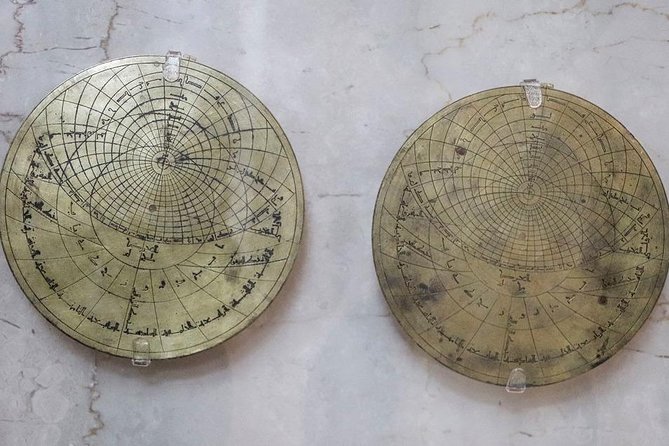
- A blend of Islamic and European architecture.
- Houses permanent collections showcasing Islamic art.
- Features contemporary exhibitions alongside traditional pieces.
- Offers visitor insights and private tour activities for enriching experience.
History of Museum of Islamic Art

How did the Museum of Islamic Art in Cairo come to be a significant cultural landmark?
The Museum of Islamic Art holds a rich history that spans centuries, reflecting both architectural significance and cultural impact. Established in 1881 by Khedive Tawfiq, the museum was initially housed in the Al-Hakim Mosque before moving to its current location in Bab El-Khalq in 1903.
Designed by the Italian architect Alfonso Manescalo, the building itself is a masterpiece, blending Islamic architectural elements with a touch of European influence. The museum became a beacon of Islamic art and culture, showcasing a vast collection of artifacts, manuscripts, textiles, and ceramics that highlight the artistic and historical achievements of the Islamic world.
Its influence on the preservation and promotion of Islamic heritage can’t be overstated.
Like museums? Other Cairo cultural attractions we've reviewed
Architectural Highlights
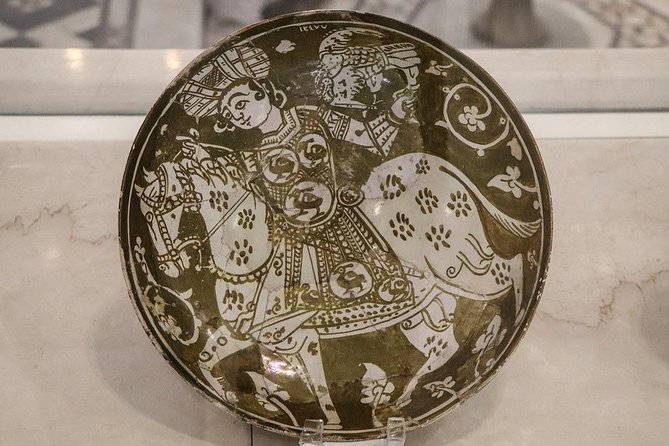
The Museum of Islamic Art in Cairo features stunning architectural highlights that seamlessly blend Islamic design elements with a touch of European influence, creating a unique and captivating aesthetic experience for visitors. The architectural design of the museum showcases:
Islamic Geometric Patterns: Intricate geometric patterns adorn the ceilings and walls, reflecting the beauty and precision of traditional Islamic architecture.
Grand Central Dome: The central dome, with its intricate calligraphy and ornate details, serves as a focal point of the museum’s interior, exuding elegance and grandeur.
European-Inspired Facades: The exterior of the museum boasts European-inspired elements such as arched windows and columns, adding a modern twist to the traditional Islamic architectural style.
These architectural features provide a fitting backdrop to the artistic treasures housed within the museum.
Permanent Collections Overview
Stepping into the Museum of Islamic Art in Cairo immerses visitors in a world of artistic treasures spanning centuries. The permanent collections highlight the rich cultural significance of Islamic art, showcasing intricate calligraphy, exquisite ceramics, and stunning textiles. Here is a glimpse into the diverse range of artifacts housed in this esteemed museum:
| Collections Highlights | Description | Cultural Significance |
|---|---|---|
| Calligraphy | Elaborate scripts on display | Reflects Islamic artistic tradition |
| Ceramics | Vibrant pottery pieces | Demonstrates mastery in craftsmanship |
| Textiles | Intricate woven fabrics | Illustrates the beauty of Islamic textiles |
Visitors can explore these artifacts to gain a deeper understanding of Islamic art’s enduring legacy.
Temporary Exhibitions
Presenting a vibrant array of contemporary artworks and installations, the Museum of Islamic Art in Cairo captivates visitors with its diverse temporary exhibitions. These exhibits showcase:
Contemporary Installations: The museum regularly features temporary exhibitions that highlight modern interpretations of Islamic art, offering visitors a unique perspective on traditional themes.
Cultural Significance: Through these temporary displays, visitors can explore the cultural significance of Islamic art and its relevance in today’s world, providing insights into historical contexts and contemporary practices.
Artistic Expressions: Artists from around the world contribute to these exhibitions, showcasing a wide range of artistic expressions that push the boundaries of traditional Islamic art and inspire creativity in viewers.
Visitor Information & Tips
Upon entering the Museum of Islamic Art in Cairo, visitors are greeted with a wealth of valuable information and practical tips to enhance their experience. The museum staff provides insights into the cultural significance of the artifacts on display, enriching the visitor experience.
To make the most of the visit, it’s advisable to allocate at least 2 hours to explore the extensive collection. While admission tickets aren’t included, the confirmation received at the time of booking ensures a seamless entry process.
Although the museum isn’t wheelchair accessible, most travelers can participate in the private tour activities offered by Hassan Shawki. Visitors can cancel or make changes up to 24 hours in advance, as per the museum’s policy, to receive a full refund.
- Private Tour to Giza Pyramids, Saqqara and Memphis
- Private Tour to The Great Pyramids, Sphinx and Camel Ride
- Private Full Day Tour in Pyramids of Giza, Memphis and Saqqara
- Private VAN Airport Transfer: Cairo Airport Transfer to Anywhere in Cairo
- Guided Visit to Cairos Khan El-Khalili Market With Koshary Dish
- Private Tour Giza Pyramids ,Sphinx ,Egyptian Museum & Local Bazaars
Common Questions
Are There Any Special Discounts or Promotions Available for Tickets to the Museum of Islamic Art in Cairo?
Special events and educational programs at the museum offer unique experiences. Discounts and promotions may be available; it’s advisable to check with the venue directly or visit their official website for updated information.
Can Visitors Take Photographs Inside the Museum of Islamic Art?
Visitors can capture memories inside the museum, but it’s essential to respect the photography policy. Understanding the cultural significance of the artifacts enhances the experience. Bring a camera to preserve the beauty, but with awareness.
Is There a Gift Shop or Souvenir Shop at the Museum of Islamic Art?
Yes, there is a gift shop at the museum offering a variety of museum souvenirs. Visitors can purchase unique items to commemorate their visit and take home a piece of the museum’s rich Islamic art heritage.
Are Guided Tours Available at the Museum of Islamic Art, and How Can They Be Booked?
Group tours and private tours are available at the museum. Visitors can book guided tours in advance through the official website or upon arrival. Plus, audio guides and self-guided tours offer alternative ways to explore the museum’s exhibits.
Does the Museum of Islamic Art Have Any On-Site Dining Options or Recommendations for Nearby Restaurants?
Visitors to the museum may not find on-site dining options available. However, there are several nearby restaurants that cater to various tastes and budgets, providing a convenient dining experience after exploring the exhibits.
The Sum Up
Enjoy the rich cultural heritage and artistic treasures of Islamic art at the Museum of Islamic Art in Cairo. With its intricate beauty and historical significance, this museum offers a captivating journey through centuries of craftsmanship.
Whether exploring the permanent collections or admiring the architectural highlights, visitors are sure to be enchanted by the wonders within. Don’t miss the chance to experience this educational and immersive adventure in the heart of Egypt’s bustling capital.
More Museum Tours in Cairo
- Full Day Private Tour to Giza Pyramids and Grand Egyptian Museum
- Exclusive Visit to The Egyptian Museum in Tahrir
- Tour in Egyptian Museum, Citadel of Saladin and Khan Elkhalili
- Giza: Pyramids, Museum of Civilization and Old Cairo, Bazaar
- Giza Pyramid with Grand Egyptian Museum Tour
- Cairo: Giza Great Pyramids with Optional Museum & Old Cairo
More Tour Reviews in Cairo
Looking for something different? Other Cairo activities we've written about
- Shopping Tour in Cairo
- Emam ElShafei , Mosques of Ala-Elbayt and Khan Elkhalili Market
- Full Day Private Tour to Giza Pyramids and Grand Egyptian Museum
- Cairo dinner cruise with folklore shows
- Day Tour of Famous Mosques in Cairo
- 7 Days Private Tour Visit to Egypt with Transfer Included
- 3 Days Private Tour in Giza, Cairo, and Alexandria
- White Desert & Bahariya oasis 3 days 2 nights Tour from Cairo
- Exclusive Visit to The Egyptian Museum in Tahrir
- Tour in Egyptian Museum, Citadel of Saladin and Khan Elkhalili
- Two Days Tour in Cairo
- Cairo: Salah El Din Citadel and Old Cairo Bazar Guided Tour