
Is it possible that the Temple of Luxor holds secrets and mysteries yet to be unveiled?
Nestled along the banks of the majestic Nile River in Egypt, this ancient temple has captivated the minds of historians and archaeologists for centuries. Its grandeur and architectural brilliance have long been admired, but could there be more to this magnificent structure than meets the eye?
As we explore the rich history and significance of the Temple of Luxor, we may uncover hidden stories and untold wonders that will leave us in awe of the ancient civilization that gave birth to this remarkable monument.
- Good To Know
- History and Significance
- Architecture and Design
- Sacred Rituals and Ceremonies
- Luxor Temple at Night
- Famous Statues and Monuments
- Tips for Visiting the Temple
- Nearby Attractions and Excursions
- Common Questions
- What Is the Best Time of Day to Visit the Temple of Luxor?
- Are There Any Specific Dress Code Requirements for Visiting the Temple?
- Can I Take Photographs Inside the Temple?
- Is There Any Transportation Available From Luxor City Center to the Temple?
- Are There Any Nearby Restaurants or Cafes Where Visitors Can Grab a Meal or Snack After Visiting the Temple?
- The Sum Up
- More Tour Reviews in Luxor
- Looking for something different? Other Luxor activities we've written about
Good To Know
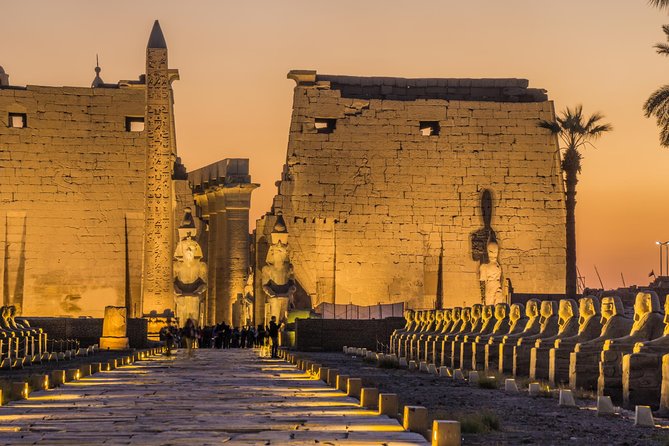
- The Temple of Luxor is located on the east bank of the Nile River in Luxor and was primarily built to worship the god Amun-Ra.
- The temple underwent additions and modifications by various pharaohs and provides insights into religious practices and daily life of ancient Egyptians.
- The architecture and design of the temple showcase a fusion of architectural brilliance and artistic mastery, with elaborate carvings and hieroglyphics depicting scenes from ancient mythology and religious rituals.
- The temple served as a sacred stage for ancient rituals and ceremonies, playing a vital role in the religious practices of ancient Egyptians and fostering a sense of unity and shared identity among the people.
History and Significance
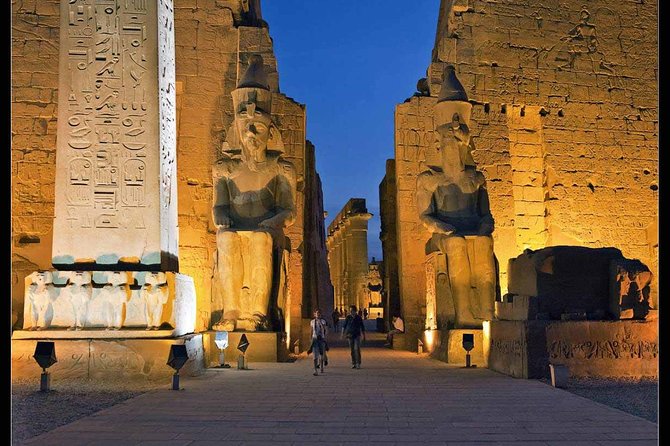
The Temple of Luxor, with its rich history and profound significance, stands as a magnificent testament to the ancient Egyptian civilization. This temple, located on the east bank of the Nile River in the city of Luxor, holds great historical and cultural importance. It was built primarily to worship the god Amun-Ra, but over the centuries, it underwent additions and modifications by various pharaohs, including Amenhotep III, Tutankhamun, and Ramses II.
Archaeological discoveries at the Temple of Luxor have provided invaluable insights into the religious practices and daily life of the ancient Egyptians. The temple’s hieroglyphic inscriptions, wall reliefs, and statues depict scenes of religious ceremonies, royal processions, and offerings to the gods. These discoveries have helped historians and archaeologists piece together a clearer understanding of the ancient Egyptian civilization and its cultural impact on subsequent societies.
Find more activities and experiences we've covered in Luxor.
Architecture and Design
With its breathtaking grandeur and intricate details, the Temple of Luxor showcases a remarkable fusion of architectural brilliance and artistic mastery. The temple’s design is a testament to the skill and craftsmanship of the ancient Egyptians.
The structure is adorned with various decorative elements, such as elaborate carvings and hieroglyphics, which not only enhance its visual appeal but also serve religious symbolism. These symbols and inscriptions depict scenes from ancient mythology and religious rituals, providing insights into the beliefs and practices of the time.
The temple’s layout is also carefully designed to align with astronomical phenomena, further emphasizing the spiritual significance attached to the site. From the imposing entrance pylons to the majestic colonnades and hypostyle halls, every aspect of the Temple of Luxor reflects the deep reverence and devotion of its creators.
Sacred Rituals and Ceremonies
Engulfed in an aura of reverence and mystique, the Temple of Luxor serves as the sacred stage for ancient rituals and ceremonies. The temple, built over a span of hundreds of years, holds immense cultural significance for the people of ancient Egypt.
Sacred rituals were performed within its grand halls, honoring the gods and goddesses worshipped by the ancient Egyptians. These rituals played a vital role in their religious practices, offering a means to communicate with the divine and seek blessings for the community.
The ceremonies conducted at the Temple of Luxor involved intricate processions, elaborate offerings, and sacred chants that echoed through the temple walls. These rituals not only served as a spiritual connection but also fostered a sense of unity and shared identity among the people.
Today, visitors to the temple can still witness the remnants of these sacred ceremonies, experiencing a glimpse into the rich cultural heritage of ancient Egypt.
Luxor Temple at Night
At night, the Temple of Luxor transforms into a mesmerizing spectacle of illuminated splendor. The luxor temple lighting brings out the intricate details of this ancient architectural marvel.
As the sun sets, the temple comes alive with a magical glow that highlights its grandeur. The temple’s majestic columns, dedicated to the god Amun, are bathed in a warm, golden light that casts long shadows on the surrounding courtyard.
The hieroglyphs and reliefs on the walls seem to dance with life as they’re brought to life by the soft illumination. Visitors can stroll through the temple, marveling at the interplay of light and shadow, and imagining the ancient rituals and ceremonies that took place within its hallowed walls.
Truly, the Luxor Temple at night is an unforgettable experience that transports you to a bygone era of splendor and mystique.
Famous Statues and Monuments
The Famous Statues and Monuments of the Temple of Luxor captivate visitors with their timeless beauty and historical significance. This ancient site is home to a stack of famous statues and ancient artifacts that showcase the rich history and culture of ancient Egypt. Here are two highlights:
The Colossi of Memnon: These towering statues stand at the entrance of the temple and depict Pharaoh Amenhotep III. Standing over 18 meters tall, they’re a sight to behold and have become iconic symbols of Luxor.
The Obelisk of Ramses II: This magnificent obelisk is one of the few remaining ancient obelisks in Egypt. It’s covered in intricate hieroglyphs and stands as a testament to the power and grandeur of Ramses II.
Visitors to the Temple of Luxor are transported back in time as they marvel at these famous statues and monuments, gaining a deeper understanding of the ancient world.
Tips for Visiting the Temple
When planning a visit to the Temple of Luxor, it’s essential to keep in mind some helpful tips to make the most out of your experience.
First and foremost, it’s important to consider the best time to visit the temple. The early morning or late afternoon are ideal, as the temperatures are cooler and the crowds are smaller. This allows for a more enjoyable and peaceful exploration of the temple.
Plus, it’s important to adhere to the dress code when visiting the temple. Modest clothing that covers the shoulders and knees is recommended out of respect for the sacredness of the site.
Nearby Attractions and Excursions
Nearby the Temple of Luxor, a wealth of attractions and exciting excursions await eager travelers. Whether you’re looking to explore the rich history of ancient Egypt or simply indulge in delicious local cuisine, there’s something for all in the vicinity of this magnificent temple.
Here are a few must-visit spots and insider tips to enhance your experience:
Nearby Restaurants:
Imhotep Restaurant: Indulge in traditional Egyptian dishes while enjoying stunning views of the Nile River.
Sofra Restaurant: Savor delectable Middle Eastern cuisine in a charming and cozy atmosphere.
Best Time to Visit:
Early Morning: Beat the crowds and witness the temple bathed in the golden hues of sunrise.
Evening: Experience the temple illuminated at night, creating a magical ambiance.
Make sure to plan your visit to the Temple of Luxor accordingly, allowing ample time to explore these nearby attractions and savor the local flavors of Egypt.
Common Questions
What Is the Best Time of Day to Visit the Temple of Luxor?
The best time of day to visit the Temple of Luxor is during the late afternoon. At this time, the lighting is at its best, creating a captivating atmosphere, and the temperature is usually cooler, making the experience more comfortable.
Are There Any Specific Dress Code Requirements for Visiting the Temple?
There are specific dress code requirements when visiting the Temple of Luxor. It is important to respect cultural norms by dressing modestly, covering shoulders and knees. Visitors should avoid wearing revealing or offensive clothing.
Can I Take Photographs Inside the Temple?
Yes, visitors are allowed to take photographs inside the temple. However, it is important to note that there may be certain photography rules and camera restrictions in place to preserve the historical site.
Is There Any Transportation Available From Luxor City Center to the Temple?
Yes, there is transportation available from Luxor city center to the temple. Visitors have various transportation options, such as taxis, buses, or hiring a private car, making it easy to access the temple.
Are There Any Nearby Restaurants or Cafes Where Visitors Can Grab a Meal or Snack After Visiting the Temple?
Nearby restaurants and cafes offer a variety of local cuisine and dining options after visiting Temple of Luxor. Visitors can find a range of food establishments, snack options, and eateries to enjoy a meal or grab a quick bite.
The Sum Up
To sum it up, the Temple of Luxor is a mesmerizing testament to the grandeur and power of the pharaohs. With its impressive architecture, intricate carvings, and rich historical significance, it offers a captivating glimpse into ancient Egyptian culture and mythology.
Whether exploring the sacred rituals and ceremonies, admiring the famous statues and monuments, or experiencing the temple’s enchanting beauty at night, visitors will be left awe-inspired by this remarkable site.
Don’t miss the chance to learn about the rich cultural heritage of Egypt at the Temple of Luxor.
More Tour Reviews in Luxor
Looking for something different? Other Luxor activities we've written about
- Full-day East and West Bank tour with lunch from Luxor
- Valley of the Queens and King Tuts Tombs Hatshepsut in Luxor
- Private Half Day Tour West Bank of the Nile Luxor Egypt
- 18 Best Shopping Tours In Luxor
- 5 Best Workshops And Classes In Luxor
- 21 Best Sailing Experiences In Luxor
- 20 Best Historical Tours In Luxor
- 20 Best 3 Day Tours In Luxor
- 16 Best Snorkeling Experiences In Luxor
- 25 Best Boat Tours And Cruises In Luxor
- 20 Best 4 Day Tours In Luxor
- 20 Best Private Driver Services In Luxor