
Nestled amidst the awe-inspiring grandeur of the Annapurna mountain range lies an adventure that seamlessly combines breathtaking landscapes, cultural encounters, and an exhilarating sense of achievement.
Annapurna Base Camp Trekking is a journey that takes trekkers on an extraordinary odyssey, where every step brings them closer to the heart of nature’s magnificence.
From the bustling streets of Kathmandu to the tranquil shores of Phewa Tal, this trek promises a thrilling and immersive experience.
But what awaits beyond the gateway of Pokhara? What challenges and triumphs lie ahead?
Brace yourself, for the journey has just begun.
Good To Know
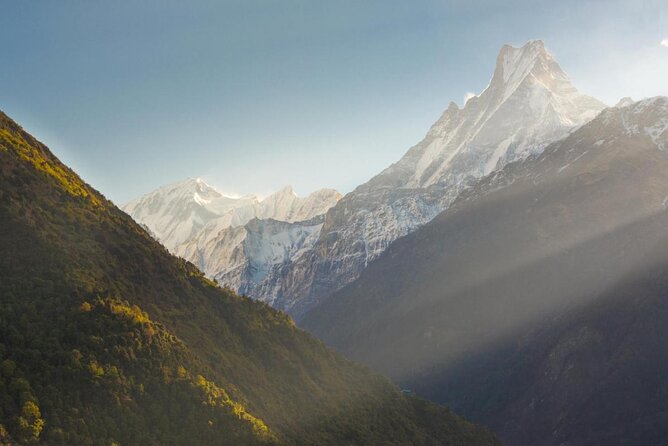
- Annapurna Base Camp trekking difficulty varies from moderate to challenging.
- Necessary permits include Annapurna Conservation Area Permit (ACAP) and Trekker’s Information Management System (TIMS) card.
- Acclimatization techniques include rest days, staying hydrated, and ascending slowly.
- Best time to trek is during spring (March to May) and autumn (September to November).
Trekking Itinerary
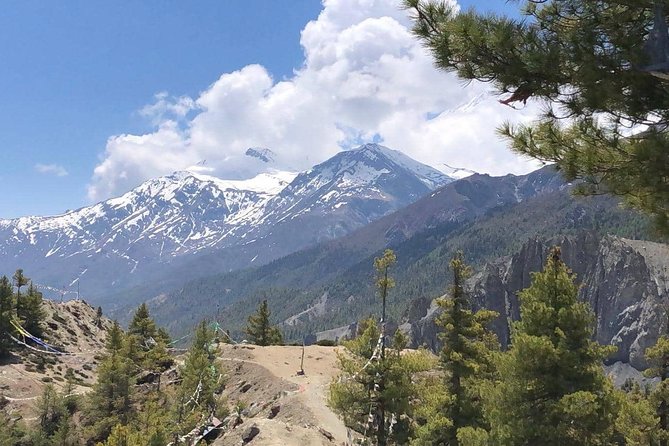
Embark on an exhilarating journey as you follow the trekking itinerary of the Annapurna Base Camp, enjoying breathtaking landscapes and unforgettable experiences.
The trekking difficulty of the Annapurna Base Camp varies from moderate to challenging, making it suitable for adventure enthusiasts with some hiking experience.
Before starting the trek, it’s important to obtain the necessary permits, including the Annapurna Conservation Area Permit (ACAP) and the Trekker’s Information Management System (TIMS) card. These permits not only ensure your safety but also contribute to the conservation efforts in the region.
The ACAP permit costs NPR 3,000 for foreign nationals, while the TIMS card costs NPR 2,000 for individual trekkers.
Like hiking? Other Kathmandu walking trails we've reviewed
Transportation and Accommodation
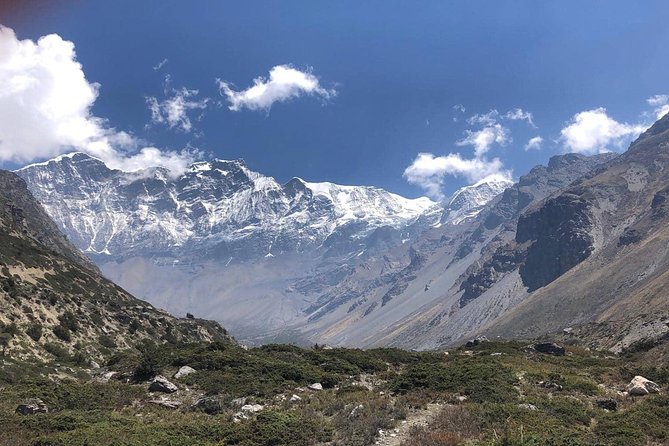
Transportation and accommodation are essential aspects of the Annapurna Base Camp trekking experience, ensuring that trekkers have a comfortable and convenient journey.
When it comes to transportation options, trekkers can enjoy a pickup service from any hotel in Kathmandu, with specific pickup details provided. The pickup service is included in the package, making it hassle-free for travelers. Upon arrival in Kathmandu, trekkers can expect a 2-hour duration for pickup, with a stop at the Tribhuvan International Airport (TIA).
Accommodation in Kathmandu is provided at the Hotel Holy Himalaya. As for the drive to Pokhara, it takes approximately 6 hours and includes a stop at the beautiful Phewa Tal (Fewa Lake). Trekkers will be accommodated at the Hotel Dandelion in Pokhara. It’s important to note that a flight to Pokhara isn’t included in the package and must be arranged separately.
Once in Pokhara, trekkers will embark on a 4-hour drive to Nayapul, which serves as the starting point for the trek. Accommodation options at Nayapul include Guest Houses, Hotel Dandelion, or Holy Himalaya.
With these transportation options and accommodation facilities, trekkers can focus on the adventure that awaits them in the Annapurna Base Camp.
Arrival and Acclimatization
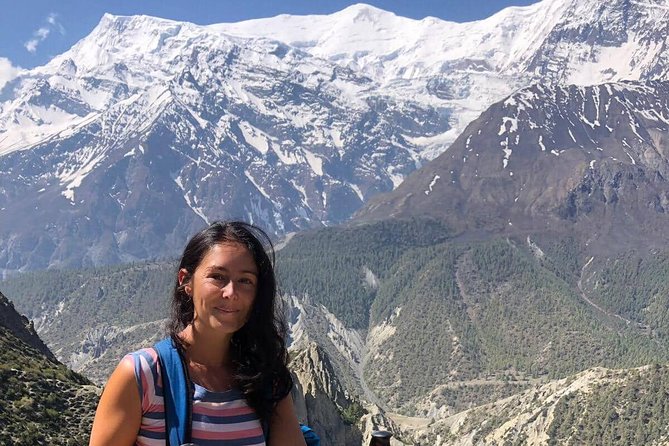
Upon arriving in Kathmandu, trekkers are greeted with the vibrant energy of the city, setting the stage for an unforgettable adventure to the Annapurna Base Camp.
The arrival process is made seamless with pickup services available from every hotel in Kathmandu. After a 2-hour journey from Tribhuvan International Airport, trekkers are accommodated at Hotel Holy Himalaya.
Acclimatization is a crucial part of the trekking experience, and various techniques are used to help trekkers adjust to the altitude gradually. These techniques include taking rest days, staying hydrated, and ascending slowly.
Trekkers are advised to listen to their bodies and pay attention to any signs of altitude sickness. By following these acclimatization techniques, trekkers can ensure a safe and enjoyable journey to the Annapurna Base Camp.
Trekking Routes and Highlights
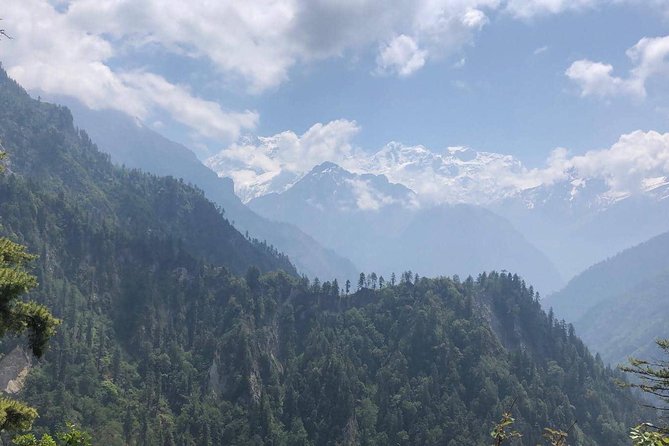
After acclimatizing in Kathmandu, trekkers are ready to embark on the awe-inspiring journey to the Annapurna Base Camp, exploring the magnificent trekking routes and experiencing the breathtaking highlights along the way.
The Annapurna Base Camp trek offers a range of difficulty levels, making it suitable for both experienced and novice trekkers. The best time to trek to the Annapurna Base Camp is during the spring (March to May) and autumn (September to November) seasons when the weather is pleasant and the skies are clear, providing stunning views of the surrounding mountains.
Along the trekking routes, trekkers will encounter lush rhododendron forests, cascading waterfalls, and traditional Nepalese villages, seeing the rich culture and natural beauty of the region.
The highlight of the trek is reaching the Annapurna Base Camp itself, standing at an elevation of 4,130 meters, surrounded by towering peaks and panoramic views that will leave trekkers in awe.
Safety Measures and Equipment
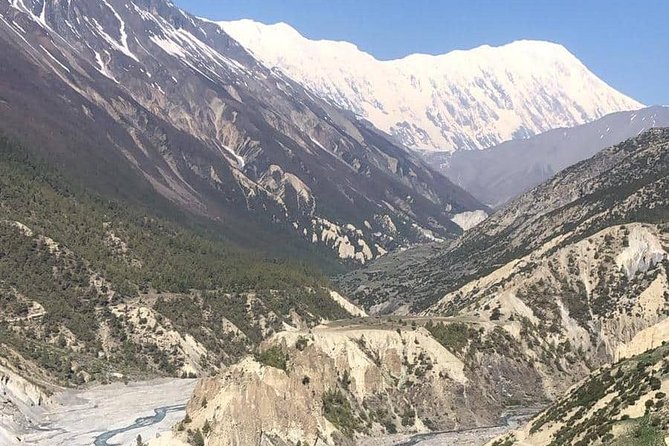
To ensure a safe and enjoyable trekking experience, it’s essential to understand and adhere to the necessary safety measures and equip yourself with the proper gear.
When embarking on the Annapurna Base Camp trek, it’s crucial to have the right trekking gear. This includes sturdy hiking boots, waterproof clothing, a warm sleeping bag, and a reliable backpack. It’s also advisable to carry a first aid kit, sunscreen, and a hat to protect against the harsh mountain sun.
Plus, it’s important to familiarize yourself with emergency procedures in case of any unforeseen circumstances. This may include knowing how to navigate in low visibility, recognizing the symptoms of altitude sickness, and understanding how to call for help if needed.
Food and Water on the Trek
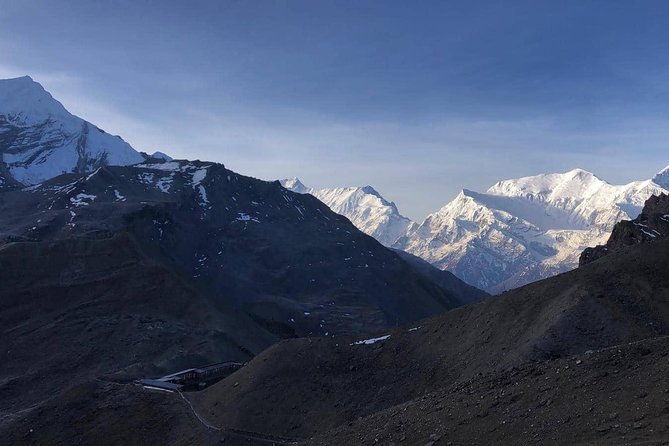
During the Annapurna Base Camp trek, trekkers will have the opportunity to savor delicious meals and stay hydrated with refreshing water, ensuring their energy levels are sustained throughout the adventurous journey. Hydration and nutrition on the trail are crucial for a successful trek, and there are plenty of options available to meet these needs.
Here are some highlights of the local cuisine and dining options during the trek:
- Enjoy traditional Nepali dishes like dal bhat (lentil soup with rice), momo (dumplings), and gundruk (fermented leafy greens).
- Indulge in hearty meals prepared by experienced cooks using fresh ingredients.
- Experience the warm hospitality of tea houses and lodges along the trail, where you can relax and refuel.
- Stay hydrated with clean and safe drinking water provided at tea houses or by using water purification tablets.
- Enjoy the local culture by trying local delicacies and supporting the local economy.
With these dining options and ample hydration, trekkers can focus on enjoying their journey to Annapurna Base Camp.
Tips for a Successful Trek Experience
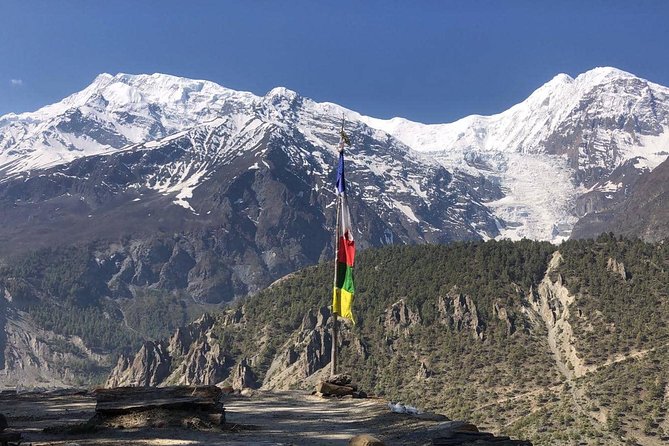
As trekkers indulge in the delicious local cuisine and stay hydrated with refreshing water during their Annapurna Base Camp trek, it is essential to keep in mind some helpful tips for a successful and fulfilling experience. One of the most important aspects to consider is having the right trekking gear. Proper footwear, breathable clothing, and a sturdy backpack are essential for a comfortable and safe journey. Plus, it is crucial to be aware of altitude sickness and take necessary precautions. Gradual acclimatization, staying hydrated, and recognizing the symptoms of altitude sickness are key to avoiding any complications. By following these tips and being prepared with the right gear, trekkers can ensure a memorable and enjoyable trekking experience in the Annapurna region.
| Tips for a Successful Trek Experience |
|---|
| 1. Choose appropriate trekking gear, including proper footwear, breathable clothing, and a sturdy backpack. |
| 2. Be aware of altitude sickness and take necessary precautions such as gradual acclimatization and staying hydrated. |
| 3. Recognize the symptoms of altitude sickness and seek medical help if needed. |
Common Questions
What Are the Available Pickup Points for the Annapurna Base Camp Trekking?
There are various pickup points available for the Annapurna Base Camp Trekking. Travelers can select a pickup point from the options provided. The trekking difficulty and accommodation options are also taken into consideration.
Is the Admission Ticket for the Airport Included in the Package?
Yes, the admission ticket for the airport is included in the package. When booking the Annapurna Base Camp Trekking, travelers don’t have to worry about purchasing a separate ticket for the airport.
How Long Does It Take to Drive From Kathmandu to Pokhara?
It takes approximately 6 hours to drive from Kathmandu to Pokhara. Along the way, there are various accommodation options available for overnight stays during the trek, such as guest houses, Hotel Dandelion, or Holy Himalaya.
Are Admission Tickets Required for Phewa Tal (Fewa Lake)?
Yes, admission tickets are not required for Phewa Tal (Fewa Lake). The best time to visit Phewa Tal (Fewa Lake) is during the autumn and spring seasons when the weather is pleasant for outdoor activities.
What Are the Accommodation Options for Overnight Stays During the Trek?
The accommodation options for overnight stays during the trek include guest houses, Hotel Dandelion, and Hotel Holy Himalaya. These options provide a comfortable place to rest along the scenic and adventurous trekking routes.
The Sum Up
To sum it up, the Annapurna Base Camp Trekking is an incredible adventure that offers trekkers a thrilling and unforgettable experience. With stunning landscapes, cultural encounters, and a sense of achievement, this trek promises to be a journey of a lifetime.
From the pickup service in Kathmandu to the comfortable accommodations in Pokhara, every detail is taken care of to ensure convenience and comfort.
So pack your bags, lace up your boots, and get ready for an adventure of a lifetime in the heart of the majestic Annapurna mountain range.
More Hiking Tours in Kathmandu
More Tour Reviews in Kathmandu
Looking for something different? Other Kathmandu activities we've written about
- 14 Best Shopping Tours In Kathmandu
- 25 Best Workshops And Classes In Kathmandu
- 18 Best Spa And Hot Springs Experiences In Kathmandu
- 20 Best Historical Tours In Kathmandu
- 15 Best Massage And Relaxation Services In Kathmandu
- 20 Best Helicopter Flights And Tours In Kathmandu
- 20 Best 3 Day Tours In Kathmandu
- 20 Best 4 Day Tours In Kathmandu
- 20 Best Private Driver Services In Kathmandu
- 20 Best Full-Day Tours In Kathmandu
- 25 Best Safari Tours In Kathmandu
- 4 Best Photography Experiences In Kathmandu