
Nestled amidst the towering peaks of the Himalayas, the Annapurna Trek beckons adventurers with its allure of breathtaking landscapes and culture. Like a siren’s call, this remarkable journey entices those seeking both physical challenges and spiritual rejuvenation.
With each step, the trek unveils a tapestry of awe-inspiring vistas and encounters with local communities, offering a glimpse into Nepal’s vibrant cultural heritage.
But beyond the beauty lies the unknown, the untrodden paths and hidden secrets that await those who dare to venture forth.
So tighten your boots, pack your bags, and prepare to be captivated by the magic of Annapurna, for an extraordinary adventure awaits those who are willing to embrace the indomitable spirit of the Himalayas.
- Good To Know
- Best Time to Go
- Trekking Routes and Difficulty Levels
- Required Permits and Fees
- Essential Trekking Gear and Equipment
- Accommodation Options Along the Trek
- Food and Water Availability
- Safety Tips and Precautions
- Cultural Highlights and Attractions Along the Way
- Common Questions
- How Long Does It Take to Complete the Annapurna Trek?
- Are There Any Age Restrictions for the Annapurna Trek?
- Is It Necessary to Hire a Guide for the Annapurna Trek?
- Are There Any Medical Facilities Available Along the Trekking Route?
- Can I Bring My Own Camping Gear for the Trek?
- The Sum Up
- More Hiking Tours in Kathmandu
- More Tour Reviews in Kathmandu
- Looking for something different? Other Kathmandu activities we've written about
Good To Know
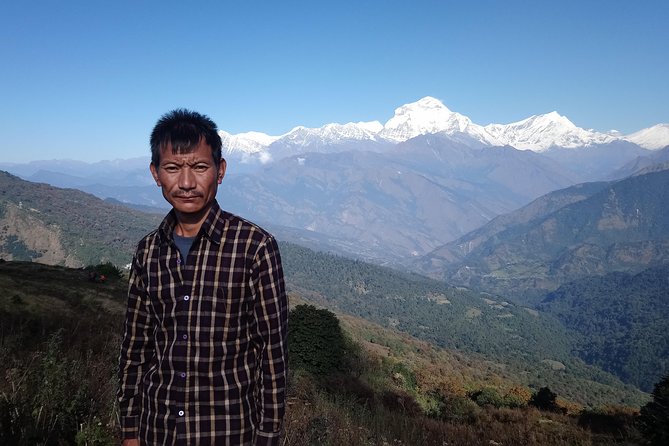
- October and November are the best months to go trekking in the Annapurna region for clear and stable weather and stunning mountain views.
- The Annapurna region offers a variety of trekking routes with varying difficulty levels, from the easy Ghorepani Poon Hill trek to the more challenging Annapurna Circuit Trek.
- Permits, including the Annapurna Conservation Area Permit (ACAP) and Trekkers’ Information Management System (TIMS) card, are required to trek in the region.
- Essential trekking gear and equipment include appropriate clothing layers, hiking boots, a backpack with rain cover, trekking poles, and accessories like sunglasses and a water bottle.
Best Time to Go
The best time to embark on the Annapurna Trekking adventure is determined by the weather conditions and your personal preferences.
The months of October and November are considered the best months to go, as the weather is usually clear and stable, providing stunning views of the surrounding mountains. During these months, the skies are usually clear, with minimal rainfall and comfortable temperatures during the day.
The weather conditions in the Annapurna region can be quite unpredictable, with heavy rain and snowfall during the monsoon season from June to September, making it difficult to trek. Similarly, the winter months from December to February can bring extreme cold temperatures and heavy snowfall, making the trails hazardous.
Therefore, it’s advisable to plan your trek during the best months to ensure a safe and enjoyable adventure.
Like hiking? Other Kathmandu walking trails we've reviewed
Trekking Routes and Difficulty Levels
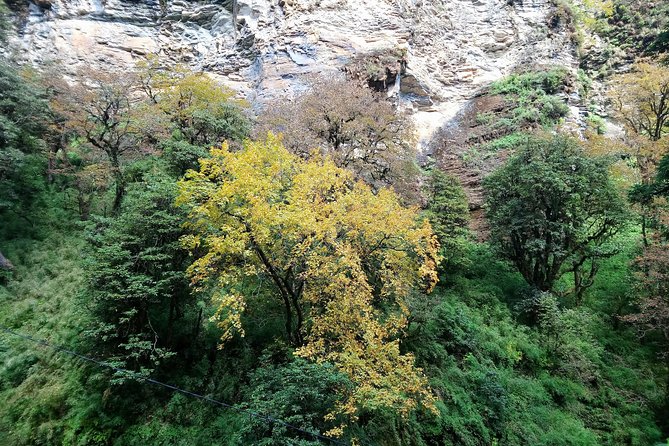
Now that you know the best time to embark on the Annapurna Trekking adventure, let’s explore the exhilarating trekking routes and the varying difficulty levels they offer.
Trekking Difficulty
Easy: The Ghorepani Poon Hill trek is perfect for beginners. It offers stunning views of the Annapurna and Dhaulagiri ranges without requiring extensive hiking experience.
Moderate: The Annapurna Base Camp trek is a popular choice for those seeking a moderate challenge. It takes you through diverse landscapes and offers breathtaking views of the Annapurna massif.
Recommended Itineraries
Short Trek: The Mardi Himal Trek is a relatively short trek that can be completed in about a week. It takes you to the base camp of Mardi Himal and offers panoramic views of the Annapurna range.
Long Trek: The Annapurna Circuit Trek is a longer and more challenging option. It takes you around the entire Annapurna massif, crossing high mountain passes and diverse landscapes.
Whether you’re a beginner or an experienced trekker, the Annapurna region has something to offer for everyone, with varying difficulty levels and recommended itineraries to suit your preferences.
Required Permits and Fees
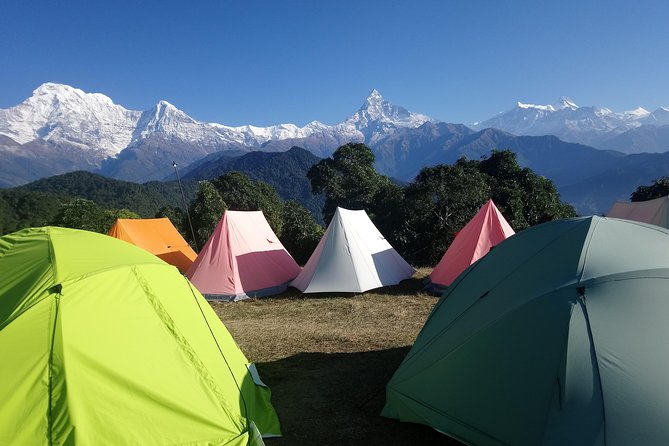
To embark on the Annapurna Trekking adventure, adventurers must obtain the required permits and pay the necessary fees.
Trekking in the Annapurna region is subject to certain regulations to ensure the safety and preservation of the area.
The first permit that trekkers need is the Annapurna Conservation Area Permit (ACAP), which can be obtained from the Nepal Tourism Board or the Department of Immigration in Kathmandu or Pokhara.
Plus, trekkers must also obtain the Trekkers’ Information Management System (TIMS) card, which is available in both the individual and group categories.
These permits aim to control the number of trekkers and monitor their activities in the region.
It’s also recommended to hire a local guide for the trek, as they’re familiar with the route and can provide valuable assistance along the way.
Essential Trekking Gear and Equipment
Embarking on the Annapurna Trekking adventure requires more than just permits and fees; it also calls for essential trekking gear and equipment to ensure a safe and successful journey through the breathtaking landscapes of the region.
Here is a trekking gear checklist to help you prepare for this thrilling experience:
Clothing:
Base layers (moisture-wicking)
Insulating layers (fleece or down jacket)
Waterproof and windproof outer layers
Trekking pants and shorts
Thermal socks and hiking boots
Accessories:
Backpack with rain cover
Trekking poles for stability
Sunglasses and sun hat
Headlamp with extra batteries
Water bottle and water purification tablets
When it comes to recommended trekking equipment brands, popular choices include The North Face, Columbia, Black Diamond, and Osprey. These brands offer durable and reliable gear that can withstand the challenging terrain and weather conditions of the Annapurna region.
Accommodation Options Along the Trek
As trekkers embark on the breathtaking Annapurna Trekking adventure, they’ll find a variety of accommodation options to rest and rejuvenate along the way.
The trekking duration for Annapurna ranges from 8 to 21 days, depending on the chosen route and pace.
Along the trek, trekkers can experience the warm hospitality and local customs of the Nepalese people by staying in teahouses or guesthouses. These accommodations offer basic but comfortable rooms with shared bathrooms and communal dining areas. Some teahouses even provide hot showers for a small fee, a luxury after a long day of hiking.
For those seeking a more immersive experience, there are also homestays available in some villages, allowing trekkers to stay with local families and gain insight into their way of life.
Whichever option trekkers choose, the accommodations along the Annapurna Trekking route provide a cozy and welcoming atmosphere for weary adventurers.
- From Kathmandu: 3-Day Tour to Lumbini
- From Kathmandu: 11-Day Annapurna Base Camp Trek
- Kathmandu: Nepali Cooking Class With Hotel Pickup
- Kathmandu: 1-Day Private UNESCO World Heritage Sites Tour
- Classic Langtang Valley 6 Days Guided Trek From Kathmandu
- Kathmandu: Nagarkot Sunrise & Changu Narayan Hike Adventure
Food and Water Availability
Along the Annapurna Trekking route, trekkers will find a wide array of food and water options to fuel their adventure.
Here are some important points to keep in mind when it comes to food and hydration:
Food Options:
Local Teahouses: Along the trek, there are numerous teahouses that offer a variety of dishes ranging from traditional Nepali cuisine to international favorites. These teahouses provide a cozy place to rest and refuel, and the food is often freshly prepared and delicious.
Packed Lunches: Some trekkers prefer to bring their own packed lunches, which can be easily arranged through the teahouses or tour operators. This allows for flexibility in meal choices and ensures that you have enough energy to continue the trek.
Hydration Tips:
Carry a Water Bottle: It’s essential to stay hydrated while trekking. Carry a reusable water bottle and refill it at the teahouses along the way. Avoid drinking tap water and opt for filtered or boiled water to prevent any waterborne illnesses.
Electrolyte Supplements: To replenish electrolytes lost through sweat, consider carrying electrolyte supplements or rehydration salts. These can be easily added to your water bottle to keep you energized and hydrated throughout the trek.
Safety Tips and Precautions

While enjoying the wide array of food and water options along the Annapurna Trekking route, it’s crucial to prioritize safety by following these essential tips and precautions.
One of the most important safety measures is to hire experienced trekking guides who are familiar with the terrain and can provide valuable assistance throughout the journey.
These guides not only ensure that you stay on the right path, but also possess knowledge about altitude sickness management, which is a common concern during high altitude treks.
They can help you acclimatize properly and recognize the symptoms of altitude sickness.
Plus, it’s important to stay hydrated, carry necessary medication, and listen to your body’s signals.
Cultural Highlights and Attractions Along the Way
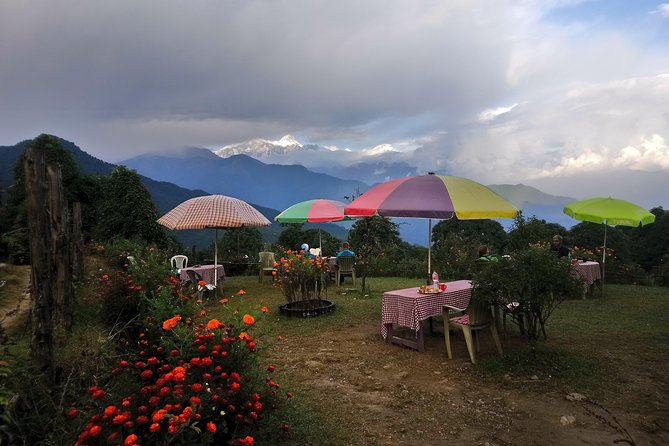
A journey along the Annapurna Trekking route is a captivating exploration of the rich cultural heritage and breathtaking attractions that adorn this magnificent region. Along the way, trekkers will have the opportunity to enjoy the vibrant local customs of the Nepali people. From traditional dance performances to colorful festivals, the cultural highlights encountered on the trek are truly mesmerizing.
Plus, the Annapurna region is home to a diverse array of wildlife. Trekkers may have thrilling wildlife encounters with rare species such as the Himalayan tahr, musk deer, and even the elusive snow leopard. The chance to witness these magnificent creatures in their natural habitat adds an element of excitement to the trek, making it an unforgettable adventure for nature enthusiasts.
Common Questions
How Long Does It Take to Complete the Annapurna Trek?
The Annapurna Trek is a breathtaking adventure that takes hikers through the stunning landscapes of Nepal. On average, it takes around 10-15 days to complete, depending on fitness levels and the chosen route.
Are There Any Age Restrictions for the Annapurna Trek?
There are no specific age restrictions for the Annapurna Trek, but it is recommended to have a moderate physical fitness level. It is also highly advised to have a necessary guide for a safe and enjoyable experience.
Is It Necessary to Hire a Guide for the Annapurna Trek?
Hiring a guide for the Annapurna trek is not necessary, but it is highly recommended. They provide valuable expertise, ensure safety, and offer a more immersive experience. However, some adventurous trekkers may choose to go solo.
Are There Any Medical Facilities Available Along the Trekking Route?
Medical services and emergency assistance are essential along any trekking route. It is important to have access to medical facilities for any unforeseen circumstances. Travelers should ensure that there are reliable medical services available along their chosen route.
Can I Bring My Own Camping Gear for the Trek?
Yes, travelers can bring their own camping gear for the trek. However, if they prefer not to carry it, they have the option to rent camping gear. This allows for a more convenient and enjoyable experience on the Annapurna Trekking adventure.
The Sum Up
Embark on the Annapurna Trek and learn about the captivating beauty of the Himalayas.
From the vibrant city of Kathmandu to remote mountain villages, this journey promises unforgettable encounters with Nepal’s rich cultural heritage.
Whether you’re a seasoned hiker or a novice adventurer, the Annapurna Trek offers something for all.
Prepare to be captivated by the stunning landscapes, challenging terrains, and serene moments of reflection.
Get ready to embark on an incredible adventure that will leave you inspired and in awe of the indomitable spirit of the Himalayas.
More Hiking Tours in Kathmandu
More Tour Reviews in Kathmandu
Looking for something different? Other Kathmandu activities we've written about
- 14 Days Everest Base Camp Trek
- Kathmandu: Bus Ticket to Pokhara (VIP Luxury Sofa Seater)
- Nagarkot Adventure Day Tour with Sunrise View, Zipline, Hike
- Kathmandu: Nagarkot to Changunarayan Hiking Day Trip
- Hinduism and Buddhism Cultural Tour Kathmandu
- Annapurna Circuit Trek in Nepal (9 Days)
- Kathmandu: 4-Day Pokhara Tour with Paragliding & Rafting
- Kathmandu Valley: Full-Day Cultural and Historical Tour
- Sacred Kathmandu: Cremation Rites & Stupa Serenity
- Kathmandu: Bandipur 2-Day Tour with Guesthouse Stay
- From Kathmandu: Lower Manaslu Guided 8-Day Trek
- Kathmandu: Tengboche Candlelight Dinner with 3 Day Trek