
As the sun rose over the snow-capped peaks of the Himalayas, John couldn’t help but feel an overwhelming sense of anticipation.
Little did he know, just a few months later, he would find himself standing at the base of the world’s highest peak, Mount Everest.
The Everest Base Camp Trek, a journey that would challenge his limits and take him on an adventure of a lifetime, was calling his name.
With each step he took, the allure of the unknown beckoned him forward, promising breathtaking views, culture, and a sense of accomplishment that could only be found in the heart of the mountains.
Little did he know, this trek would not only test his physical endurance but also his mental strength, as he would come face to face with the raw power and beauty of nature.
Just how far would he go to reach the top?
- Good To Know
- Trekking to Everest Base Camp
- Highlights of the EBC Trek
- Best Time to Visit EBC
- Essential Gear for EBC Trek
- Acclimatization and Altitude Sickness
- Accommodation Options on the EBC Trek
- Food and Water on the EBC Trek
- Safety Tips for the EBC Trek
- Common Questions
- What Is the Difficulty Level of the Everest Base Camp Trek?
- Are There Any Age Restrictions for the Everest Base Camp Trek?
- Can I Do the Everest Base Camp Trek Without a Guide?
- What Permits and Documents Are Required for the Everest Base Camp Trek?
- Are There Any Alternative Routes or Variations of the Everest Base Camp Trek?
- The Sum Up
- More Hiking Tours in Kathmandu
- More Tour Reviews in Kathmandu
- Looking for something different? Other Kathmandu activities we've written about
Good To Know
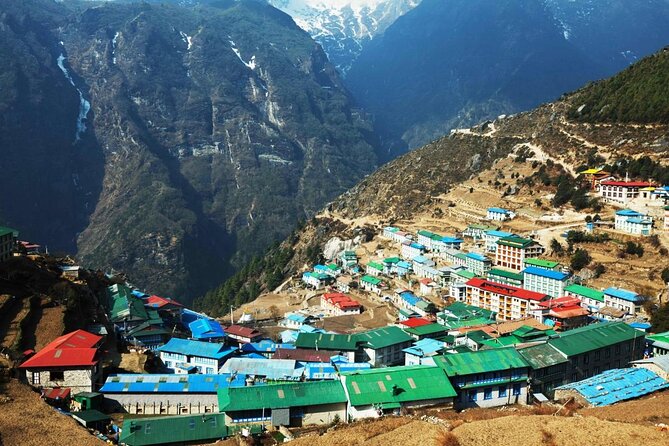
- The Everest Base Camp Trek requires physical endurance and mental fortitude due to rugged terrain and high altitudes.
- The trek offers immersion in rich cultural experiences, with the opportunity to encounter traditional Sherpa villages and explore Buddhist monasteries.
- The base camp is located at an altitude of 5,364 meters, providing a unique opportunity to witness the transformation of the landscape and enjoy majestic views of Everest and neighboring peaks.
- The best time to visit Everest Base Camp is during the peak trekking seasons of spring (March to May) and autumn (September to November), when there is clear weather, mild temperatures, and less chance of rainfall or snowfall. Precautions for altitude sickness, such as proper acclimatization, hydration, and a slow ascent, are also important.
Trekking to Everest Base Camp
Embarking on a thrilling adventure, trekking to Everest Base Camp promises an exhilarating journey through the majestic Himalayas. This trekking challenge isn’t for the faint of heart, as it requires physical endurance and mental fortitude to navigate the rugged terrain and high altitudes.
Along the way, trekkers will have the opportunity to enjoy the rich cultural experiences of the region. They’ll encounter traditional Sherpa villages, Buddhist monasteries, and prayer flags fluttering in the wind. The warm hospitality of the locals will leave a lasting impression, as they welcome trekkers into their homes and share stories of their mountainous way of life.
From the breathtaking views of snow-capped peaks to the encounters with the resilient Sherpa people, trekking to Everest Base Camp is a truly transformative adventure.
Like hiking? Other Kathmandu walking trails we've reviewed
Highlights of the EBC Trek
As trekkers venture through the rugged terrain and high altitudes of the Everest Base Camp trek, they’re rewarded with an array of unforgettable highlights that showcase the awe-inspiring beauty and cultural richness of the Himalayas.
Here are three of the many highlights that await those who embark on this incredible adventure:
High Altitude Thrills: The EBC trek takes trekkers to dizzying heights, with the base camp itself sitting at a breathtaking altitude of 5,364 meters. As they ascend, trekkers will witness the gradual transformation of the landscape, from lush valleys to snow-capped peaks, creating a sense of awe and wonder.
Majestic Mountain Views: One of the main highlights of the EBC trek is the opportunity to witness some of the world’s highest and most iconic mountains up close. From the famous Everest itself to neighboring peaks like Lhotse, Nuptse, and Ama Dablam, the panoramic views are simply breathtaking, leaving trekkers in a state of pure awe.
Cultural Encounters: Along the trek, trekkers will have the chance to enjoy the rich Sherpa culture that thrives in the region. They can visit traditional villages, interact with friendly locals, and even explore ancient monasteries, gaining a deeper appreciation for the unique heritage and way of life in the high Himalayas.
These highlights, among many others, make the Everest Base Camp trek an unforgettable adventure that combines the thrill of high-altitude trekking with the awe-inspiring beauty of the Himalayas.
Best Time to Visit EBC
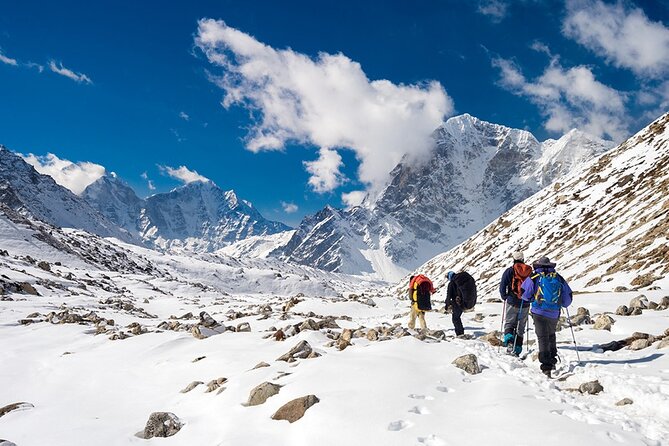
The best time to embark on the Everest Base Camp trek is during the peak trekking seasons in Nepal. These seasons, which are considered the best time to visit EBC, are spring (March to May) and autumn (September to November).
During these months, the weather is generally clear, with mild temperatures and less chance of rainfall or snowfall. This makes the trekking conditions ideal and provides breathtaking views of the surrounding mountains.
However, it’s important to take precautions for altitude sickness, as the trek involves ascending to high altitudes. It’s recommended to acclimatize properly, stay hydrated, and take it slow.
Plus, having a well-packed backpack is essential for a successful EBC trek. Some key items to include in the packing list for EBC trek are warm clothing, sturdy hiking boots, a good quality sleeping bag, sunscreen, a first aid kit, and snacks for energy along the way.
Essential Gear for EBC Trek
To ensure a successful and enjoyable Everest Base Camp trek, having the right gear is essential. Here are three trekking essentials and gear recommendations that will help adventurers conquer the challenging terrain:
Sturdy Hiking Boots: A high-quality pair of hiking boots with ankle support and a good grip is crucial for navigating the rugged trails of Everest Base Camp. These boots will provide stability and protect your feet from rocks, uneven surfaces, and extreme weather conditions.
Layered Clothing: The weather in the Everest region can be unpredictable, with temperatures ranging from freezing cold to mild. It’s recommended to dress in layers, including a base layer for moisture-wicking, an insulating layer for warmth, and a waterproof outer layer to shield against rain or snow. This will ensure that you stay comfortable and prepared for any weather changes.
Trekking Poles: Trekking poles offer stability and reduce the strain on your legs and knees while trekking on steep ascents and descents. They also provide additional support on slippery surfaces and uneven terrain. Lightweight and adjustable poles are ideal for easy transportation and customization to your height.
With these essential gear recommendations, trekkers can embark on their Everest Base Camp adventure with confidence, knowing that they’re prepared for the challenges that lie ahead.
Acclimatization and Altitude Sickness
Acclimatization and altitude sickness are crucial factors to consider when embarking on the exhilarating journey to Everest Base Camp. The trekking challenges and high altitudes pose risks to even the most experienced climbers. However, with proper acclimatization techniques, these risks can be minimized.
To help you understand the importance of acclimatization, here is a table detailing the altitude and recommended acclimatization days at each stop along the trek:
| Location | Altitude (meters) | Acclimatization Days |
|---|---|---|
| Lukla | 2,860 | 1-2 |
| Namche Bazaar | 3,440 | 2-3 |
| Dingboche | 4,360 | 2-3 |
| Lobuche | 4,940 | 1-2 |
During the acclimatization days, it is essential to stay hydrated, rest, and slowly ascend to higher altitudes. This allows your body to adjust to the reduced oxygen levels gradually. It is also recommended to avoid alcohol and to consume a diet rich in carbohydrates.
Accommodation Options on the EBC Trek
Embarking on the exhilarating journey to Everest Base Camp offers a range of accommodation options that cater to the needs of trekkers seeking comfort, convenience, and an authentic Himalayan experience. Here are three trekking accommodations and lodging options available on the EBC trek:
Tea Houses: These are the most popular accommodation option on the trek. Tea houses are basic lodges that provide a warm bed, meals, and sometimes hot showers. They’re located in villages along the trail, allowing trekkers to rest and replenish their energy.
Luxury Lodges: For those looking for a more luxurious experience, there are also upscale lodges available. These lodges offer comfortable rooms, private bathrooms, and even amenities like Wi-Fi and hot tubs. They provide a cozy and indulgent retreat after a long day of trekking.
Camping: For the adventurous souls, camping is another option. Trekkers can pitch their tents at designated camping sites along the trail. This allows them to enjoy the beauty of the Himalayas and sleep under the starry night sky.
No matter which option you choose, the trekking accommodations on the EBC trek ensure that you have a comfortable and memorable experience in the heart of the Himalayas.
Food and Water on the EBC Trek
As trekkers embark on the thrilling journey to Everest Base Camp, they’ll discover a diverse array of food and water options to fuel their adventure in the Himalayas.
Along the trek, there are teahouses and lodges that offer meals ranging from traditional Nepali dishes to international cuisine. Trekkers can indulge in local delicacies such as dal bhat (rice with lentil soup) or momos (steamed dumplings filled with meat or vegetables). These meals not only provide sustenance but also give a taste of the local culture.
However, it’s important for trekkers to ensure the safety of their water supply. Water purification tablets or filters are recommended to avoid waterborne illnesses. It’s also advisable to carry a refillable water bottle and refill it from trusted sources along the way.
Safety Tips for the EBC Trek
As trekkers venture into the captivating realm of the Everest Base Camp, ensuring safety becomes a paramount consideration for an exhilarating and secure expedition.
Here are three essential safety tips to keep in mind before embarking on this incredible journey:
Physical Fitness: Prioritize physical fitness and stamina building before attempting the EBC trek. Engage in regular exercise, cardiovascular workouts, and strength training to prepare your body for the demanding terrain and high altitude.
Acclimatization: Acclimatization is crucial to prevent altitude sickness. Take plenty of rest days during the trek to allow your body to adjust to the decreasing oxygen levels. Stay hydrated, maintain a slow pace, and listen to your body’s signals.
Packing Essentials: Pack wisely and carry the necessary gear for the trek. Items like a sturdy pair of hiking boots, warm clothing, a good quality sleeping bag, and a first aid kit are essential. Don’t forget to include extra batteries for your electronic devices and a reliable map or guidebook.
Common Questions
What Is the Difficulty Level of the Everest Base Camp Trek?
The difficulty level of the Everest Base Camp trek varies depending on factors such as fitness level, acclimatization, and weather conditions. Adequate training and preparation are essential for this challenging adventure in the majestic Himalayas.
Are There Any Age Restrictions for the Everest Base Camp Trek?
Age restrictions and fitness requirements may apply for the Everest Base Camp Trek. It is important to check with the trekking agency for specific guidelines. This challenging adventure requires a good level of physical fitness and stamina.
Can I Do the Everest Base Camp Trek Without a Guide?
Yes, one can do the Everest Base Camp Trek without a guide. However, it is important to consider the pros and cons. While it offers more freedom and flexibility, it also requires good navigational skills and knowledge of safety measures.
What Permits and Documents Are Required for the Everest Base Camp Trek?
For the Everest Base Camp Trek, necessary permits and documents include a TIMS card, a Sagarmatha National Park Permit, and a passport. These are required to ensure a safe and regulated journey.
Are There Any Alternative Routes or Variations of the Everest Base Camp Trek?
Yes, there are alternative routes and variations available for the Everest Base Camp Trek. Travelers can choose different itinerary options, detours, side trips, or explore off the beaten path options and alternate trails for a more adventurous experience.
The Sum Up
To sum it up, the Everest Base Camp Trek offers a thrilling adventure for outdoor enthusiasts and nature lovers alike. With its majestic scenery, challenging terrain, and rich cultural experiences, this trek is a must-do for those seeking an unforgettable experience.
From witnessing stunning views of the Himalayas to immersing oneself in the unique culture and traditions of the region, the Everest Base Camp Trek promises to create memories that will last a lifetime.
So pack your bags, lace up your boots, and embark on this incredible journey to the base of the world’s highest peak.
More Hiking Tours in Kathmandu
More Tour Reviews in Kathmandu
Looking for something different? Other Kathmandu activities we've written about
- Annapurna Circuit Trek in Nepal (9 Days)
- Kathmandu: 4-Day Pokhara Tour with Paragliding & Rafting
- Kathmandu Valley: Full-Day Cultural and Historical Tour
- Sacred Kathmandu: Cremation Rites & Stupa Serenity
- Kathmandu: Bandipur 2-Day Tour with Guesthouse Stay
- From Kathmandu: Lower Manaslu Guided 8-Day Trek
- Kathmandu: Tengboche Candlelight Dinner with 3 Day Trek
- From Kathmandu: 10-Day Nepal Heritage and Nature Tour
- Nepal: 9 Heritage Tour in 7 Days with Lumbini & Chitwan
- Annapurna Base Camp Trek
- Kathmandu: Overnight Monastery Retreat with Guided Hike
- Everest View Trek to Namche Bazaar with Guide