
At an elevation of 17,600 feet, the Everest Base Camp Trek brings trekkers face to face with the awe-inspiring grandeur of Mount Everest, the highest peak in the world.
But it’s not just the staggering altitude that makes this journey truly remarkable. From the bustling streets of Kathmandu to the serene trails of the Khumbu region, this adventure offers a unique blend of culture, nature, and personal triumph.
But what exactly does the Everest Base Camp Trek entail? What challenges will trekkers face along the way? And most importantly, what makes this trek a must-do for adventurers from around the globe?
Prepare to be captivated by the stories of perseverance, the breathtaking landscapes, and the moments of self-discovery that await on this epic journey to the roof of the world.
- Good To Know
- Trek Highlights
- Essential Gear and Packing List
- Daily Itinerary
- Acclimatization and Altitude Sickness
- Safety Tips and Precautions
- Common Questions
- What Is the Best Time of Year to Do the Everest Base Camp Trek?
- How Physically Fit Do I Need to Be to Complete the Trek?
- Are There Any Age Restrictions for the Everest Base Camp Trek?
- What Kind of Food and Accommodations Can I Expect During the Trek?
- Is It Possible to Do the Everest Base Camp Trek Without a Guide?
- The Sum Up
- More Hiking Tours in Kathmandu
- More Tour Reviews in Kathmandu
- Looking for something different? Other Kathmandu activities we've written about
Good To Know
- Airport pickup and drop-off services are included in the package.
- Accommodation is provided in 3-star hotels in Kathmandu and lodges/tea houses during the trek.
- An experienced guide and porters will accompany the trekkers throughout the journey.
- Meals, including breakfast, lunch, and dinner, are included during the trek.
Trek Highlights
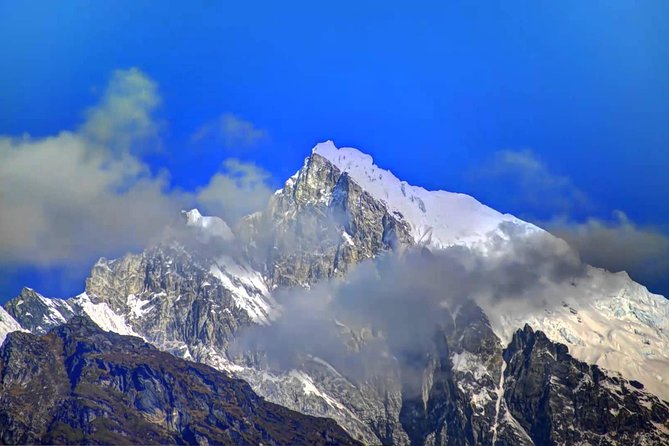
Embark on an exhilarating journey to Everest Base Camp, where breathtaking landscapes, challenging trails, and the majesty of the world’s highest peak await you.
The trek to Everest Base Camp is a once-in-a-lifetime adventure that offers a unique combination of natural beauty and physical challenge. The trek difficulty can vary depending on the route chosen and the individual’s fitness level.
It’s recommended to have a moderate level of fitness and to be prepared for long hours of walking each day. The best time to go on this trek is during the spring (April and May) and the autumn (September and October), when the weather is relatively stable and the views are clear.
These seasons offer the perfect conditions for enjoying the stunning vistas and avoiding extreme weather conditions. So lace up your boots, pack your bags, and get ready for an unforgettable journey to Everest Base Camp.
Like hiking? Other Kathmandu walking trails we've reviewed
Essential Gear and Packing List
To ensure a successful and enjoyable trek to Everest Base Camp, it’s essential to come prepared with the right gear and packing list. When it comes to trekking gear, having the right equipment is crucial for a safe and comfortable journey.
Some essentials include:
- A sturdy pair of hiking boots
- Warm and moisture-wicking clothing layers
- A waterproof jacket and pants
- A backpack
- Trekking poles
- A sleeping bag
- A hat and gloves to protect against the cold
Plus, it’s important to pack wisely to keep your load light. Some packing tips include bringing only what’s necessary, organizing items in dry bags or compression sacks, and carrying snacks and water for the journey.
Daily Itinerary
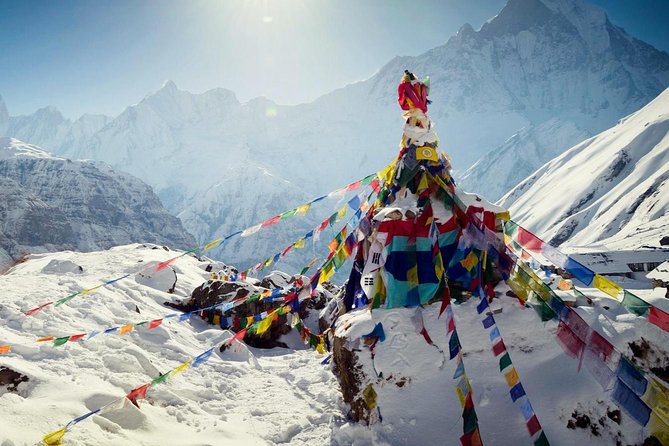
The trek to Everest Base Camp offers an exhilarating daily itinerary filled with breathtaking scenery, challenging terrain, and unforgettable experiences. Each day brings new adventures and opportunities to take in the local culture and customs.
The trek difficulty varies from moderate to strenuous, as trekkers navigate through rugged trails, steep ascents, and high altitudes. The daily itinerary typically includes several hours of trekking, with breaks for meals and acclimatization.
Along the way, trekkers will encounter charming Sherpa villages, Buddhist monasteries, and prayer flags fluttering in the wind. They’ll have the chance to interact with the friendly locals, learn about their traditions, and witness their way of life in the Himalayas.
Each day on the Everest Base Camp trek is an incredible journey of physical endurance and cultural enrichment.
Acclimatization and Altitude Sickness
Acclimatization and Altitude Sickness can pose challenges to trekkers on the Everest Base Camp journey, requiring careful attention and preparation.
As trekkers ascend higher into the mountains, the air becomes thinner and oxygen levels drop, making it harder for the body to function properly. Altitude sickness, also known as acute mountain sickness (AMS), is a common issue faced by climbers. To combat these trekking challenges, acclimatization techniques are employed.
This involves gradually ascending to higher altitudes, allowing the body time to adjust to the changing conditions. It’s essential to listen to the body and take necessary rest days during the trek. Adequate hydration, proper nutrition, and slow and steady hiking pace are also crucial in preventing altitude sickness.
With the right acclimatization techniques in place, trekkers can fully enjoy the breathtaking beauty of Everest Base Camp without compromising their health and safety.
Safety Tips and Precautions
For a safe and enjoyable Everest Base Camp trek, it is important to be well-prepared and follow these essential safety tips and precautions. One of the most important aspects of preparation is having the right trekking equipment. This includes sturdy hiking boots, warm clothing, a waterproof jacket, a hat, gloves, sunglasses, and a backpack. It is also crucial to have emergency contacts readily available. In case of any unforeseen circumstances, it is recommended to have the contact information of local authorities, rescue teams, and your embassy or consulate. Here is a handy table to summarize the important safety tips and precautions:
| Safety Tips | Precautions |
|---|---|
| Stay hydrated | Avoid alcohol and caffeine |
| Follow the trail markers | Stick to designated paths |
| Pace yourself | Take regular breaks |
| Listen to your body | Seek medical help if needed |
Common Questions
What Is the Best Time of Year to Do the Everest Base Camp Trek?
The best time of year to do the Everest Base Camp Trek depends on weather conditions and personal preference. It is important to be physically fit and aware of age restrictions. Trekking without a guide is possible, but accommodations and food may be limited.
How Physically Fit Do I Need to Be to Complete the Trek?
To complete the trek, one needs to be physically fit. Physical training and maintaining good fitness levels are essential. The journey requires endurance, strength, and stamina to navigate the challenging terrains and high altitudes.
Are There Any Age Restrictions for the Everest Base Camp Trek?
There are no age restrictions for the Everest Base Camp trek. However, it is important to consider one’s physical fitness and endurance level before embarking on this challenging solo trekking adventure.
What Kind of Food and Accommodations Can I Expect During the Trek?
During the trek, trekkers can expect a variety of food options and different types of accommodations. The food options include breakfast, lunch, and dinner, while the accommodations range from lodges to tea houses.
Is It Possible to Do the Everest Base Camp Trek Without a Guide?
Yes, it is possible to do the Everest Base Camp trek without a guide. However, it is important to note that having a guide provides safety, knowledge, and assistance with necessary equipment, making the trek more enjoyable and manageable.
The Sum Up
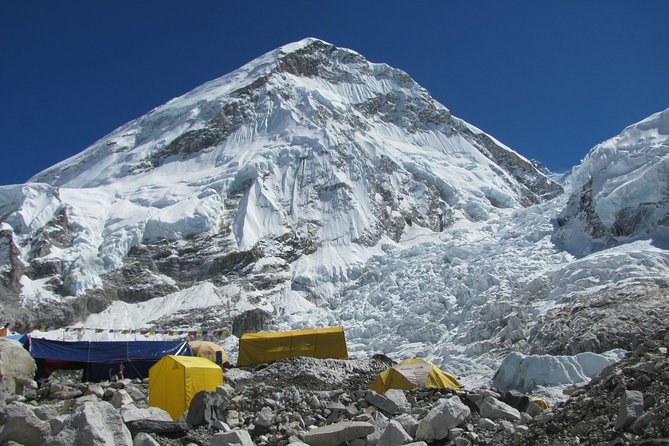
Embark on the exhilarating Everest Base Camp Trek and experience the adventure of a lifetime.
With inclusive features like airport transfers, accommodations, and expert guides, your safety and comfort are prioritized throughout the journey.
Enjoy the awe-inspiring landscapes and cultural wonders, while the well-planned itinerary and acclimatization stops ensure a fulfilling and successful trek.
Don’t miss out on this unforgettable opportunity to conquer your personal goals and witness the breathtaking beauty of the world’s highest peak.
More Hiking Tours in Kathmandu
More Tour Reviews in Kathmandu
Looking for something different? Other Kathmandu activities we've written about
- From Kathmandu: Lower Manaslu Guided 8-Day Trek
- Kathmandu: Tengboche Candlelight Dinner with 3 Day Trek
- From Kathmandu: 10-Day Nepal Heritage and Nature Tour
- Nepal: 9 Heritage Tour in 7 Days with Lumbini & Chitwan
- Annapurna Base Camp Trek
- Kathmandu: Overnight Monastery Retreat with Guided Hike
- Everest View Trek to Namche Bazaar with Guide
- From Kathmandu: Everest View Trek, Short Himalayan Adventure
- Kathmandu: Women-Only Evening Walk with Dinner and Drinks
- Private Manaslu Circuit Trek at Himalayas
- From Kathmandu: Namo Buddha Hike with Transfer & Guide
- From Pokhara: 4-Day Mardi Himal Trek and 2-Day Chitwan