The reward here is not just reaching Kyanjin Gompa. It is the steady change in scenery as you follow the Langtang River through forest, cross suspension bridges, pass Tamang settlements, and eventually arrive beneath high Himalayan peaks. I like that the trek combines village life with mountain walking, rather than making the journey only about a summit.
I also like the useful inclusions: transport, lodge accommodation, breakfast, permits, and a licensed guide or porter are part of the package. The trade-off is a demanding schedule. You climb to 3,870 meters, then the next day head up to Kyanjin Ri before descending all the way to Lama Hotel, so intermediate fitness is a minimum, not a promise of an easy week.
- What to know before you book
- From Kathmandu to Syabrubensi: a long first day
- Day 2: following the Langtang River to Lama Hotel
- Day 3: forest trails and Langtang Village
- Day 4: the climb to Kyanjin Gompa
- Day 5: Kyanjin Ri, then a long descent
- Day 6: back through the valley to Sybrubensi
- Day 7: road back to Kathmandu
- Lodges, meals, and what the price covers
- Who is likely to enjoy this trek
- Should you book the Langtang Valley Trek?
- FAQ
- How long is the Langtang Valley trek?
- What is the highest overnight stop?
- Are meals included?
- What accommodation is provided?
- Are hot showers and charging included?
- What fitness level do I need?
- What do I need to send after booking?
What to know before you book
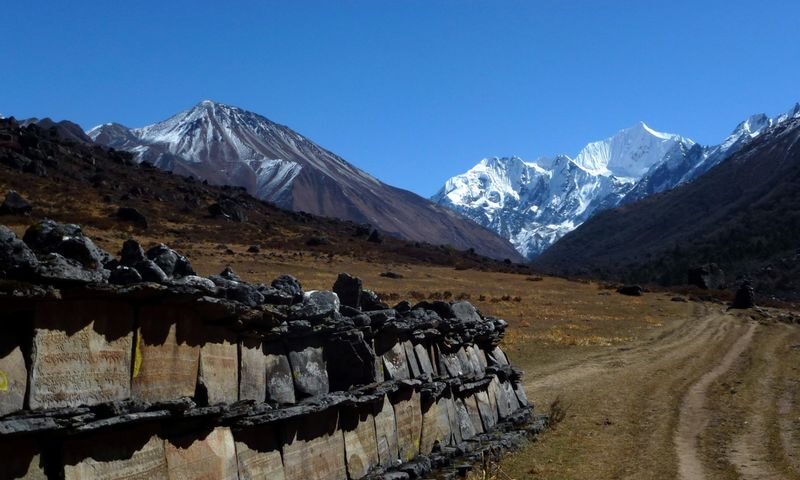
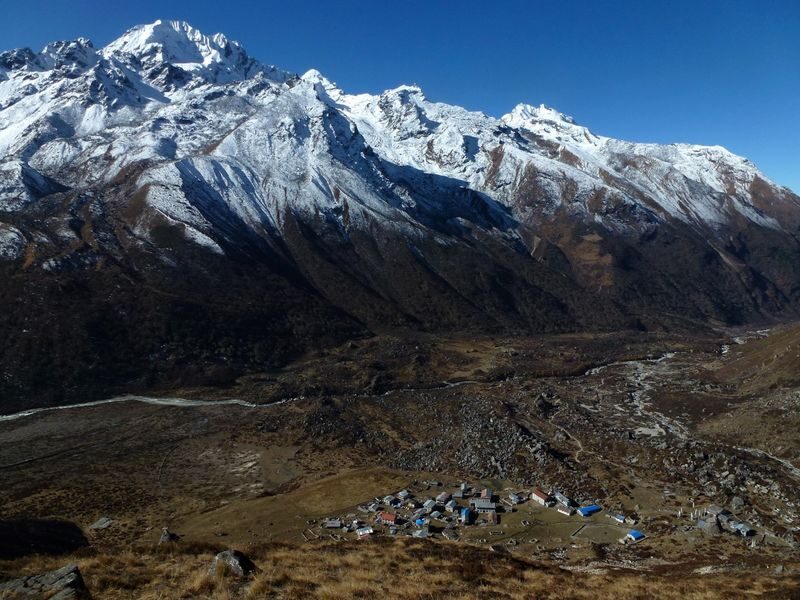
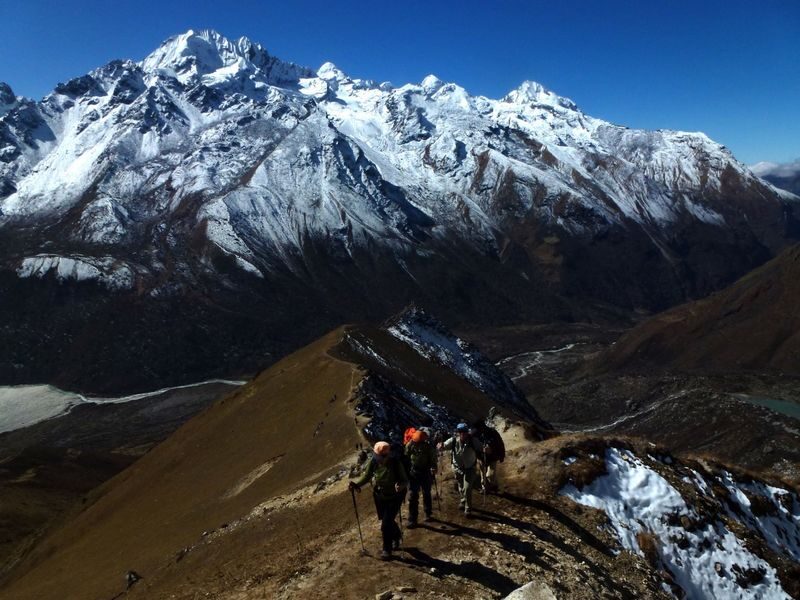
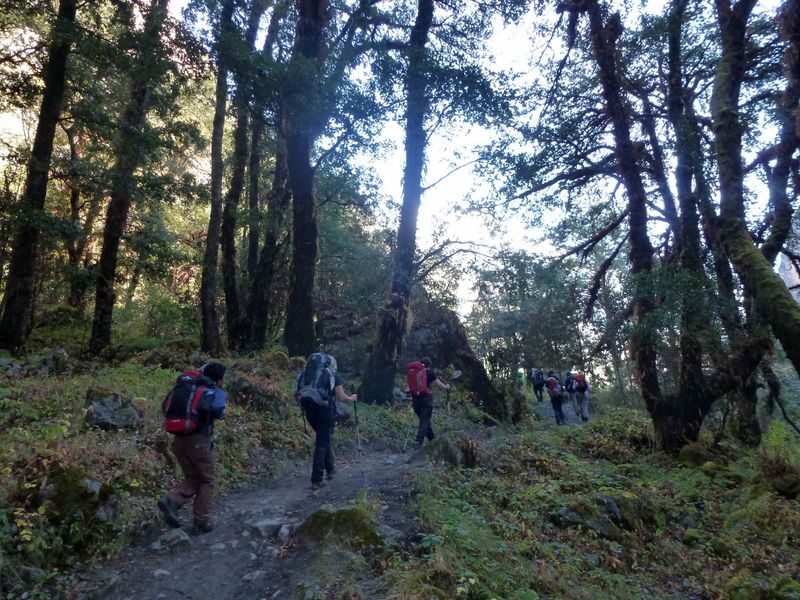
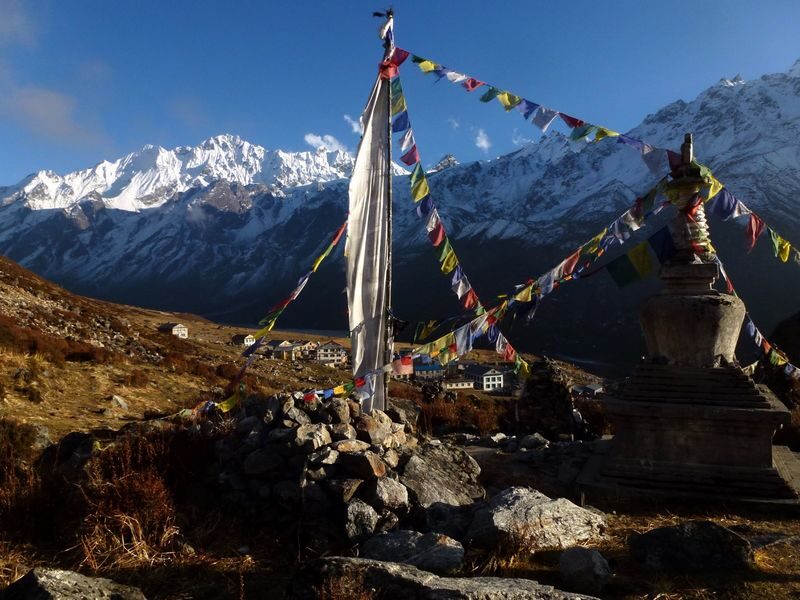
- Kyanjin Gompa is the high point of the route: At 3,870 meters, it brings you close to the Langtang Himal range and gives the trek its most dramatic mountain setting.
- Kyanjin Ri is the big effort: The viewpoint hike can offer a broad panorama, but the itinerary then sends you down to Lama Hotel the same day.
- Village stops add human scale: The route passes settlements including Langtang Village, with a monastery visit and a stop at a local cheese factory.
- The guide is central to the experience: The trek includes an experienced, government-licensed guide or porter. Past named guides include Bikash, Ramkumar, and Gyaneshwor, but assignments can vary.
- Lodges are simple: Expect shared toilets, blankets, and sometimes dormitory-style rooms at higher altitudes. Hot water and charging may cost extra.
- The package price depends on the meal plan: Bed and breakfast and full board are offered, but lunch and dinner arrangements differ, so compare inclusions before choosing.
From Kathmandu to Syabrubensi: a long first day
The trek begins with a drive from Kathmandu to Syabrubensi, at about 1,550 meters. The schedule starts at 6:00 a.m., and the route follows the Trishuli River on the return drive, so the first and final days are largely about road travel rather than walking.
There is a practical detail to clarify before departure: the schedule says to arrive at Kathmandu airport, then drive to Syabrubensi, while the tour is described as departing from Kathmandu. The operator is supposed to confirm pickup details, so make sure you know where and when to meet, and whether your arrival timing fits the planned drive.
Lunch on the first day is at your own expense. Once you reach Syabrubensi, you check into a lodge and spend the night there. The town sits near the confluence of the Bhote Koshi and Langtang rivers, a fitting start for a route that will follow the Langtang Khola deeper into the valley.
Day 2: following the Langtang River to Lama Hotel
After breakfast, you trek beside the Langtang River toward Lama Hotel, at roughly 2,380 meters. The route crosses suspension bridges and passes through forest, making this a day of river sounds, shaded trail, and gradual elevation gain rather than wide-open mountain views.
That change in pace is useful early in the week. You can settle into walking with a guide nearby and get used to the rhythm of a full trekking day. Naya Kanga and the Langtang Himalayan range may come into view near Lama Hotel, but keep your expectations flexible: mountain views depend on weather and visibility.
The plan includes lunch along the way, though the package details say meals differ by option. Check exactly what your selected plan covers. The itinerary lists the overnight stay as Lama Hotel, though one line also says overnight in Langtang, so confirm the lodging location with the operator.
Day 3: forest trails and Langtang Village
The trail climbs through rhododendron and oak forest toward Ghodatabela, then continues to Langtang Village at about 3,430 meters. This is a meaningful shift in both altitude and setting: the trees begin to give way to more open country, and the route leads toward a Tamang settlement and Langtang Gompa.
Langtang is more than a place to sleep. The village gives you a chance to see how daily life and trekking services meet along the route, while the monastery adds a cultural stop to a week otherwise shaped by walking and mountain scenery. Keep your pace steady. The climb is cumulative, and the following day takes you higher.
The itinerary text for this day is partly garbled, so use the operator’s confirmed schedule for the exact walking route and stops. The main plan is clear: forest, Ghodatabela, Langtang Gompa, and an overnight in Langtang Village.
Day 4: the climb to Kyanjin Gompa
From Langtang Village, you continue uphill to Kyanjin Gompa, at around 3,870 meters. The route rises over rocky paths and pastureland, where grazing yaks may be part of the scene. At this altitude, even a gradual ascent can feel strenuous, so a measured pace matters more than speed.
Kyanjin is the trek’s main mountain base. You can visit its whitewashed monastery and take in views of the Langtang Himal range. A local cheese factory is also on the schedule, with freshly prepared cheese as a welcome change from trail food.
The overnight here is important, but the itinerary does not include a full acclimatization day. Instead, the next day pairs the Kyanjin Ri hike with a long descent to Lama Hotel. If you are prone to altitude problems, have a medical condition, or are unsure how you respond to strenuous climbs, discuss the plan with a medical professional before booking.
Day 5: Kyanjin Ri, then a long descent
The morning’s headline is Kyanjin Ri, a viewpoint hike known for panoramic views of the surrounding peaks. Some people on this route have reached viewpoints around 4,400 to 4,700 meters, but the exact high point and result depend on the route, conditions, and your own pace. Do not treat a summit as guaranteed.
The itinerary then returns to Kyanjin Gompa and continues down to Lama Hotel. That is a big day: a climb at altitude followed by a substantial descent. The schedule’s wording is not perfectly clear about the exact sequence and distance, so ask the operator how much walking is planned and whether the guide can adjust the day to the group’s condition.
Flexibility is one of the strengths of a guided trek. Guides have adjusted plans when weather changed, and past walkers describe pacing and itinerary changes to suit fitness and safety. Still, a guide cannot make a compressed schedule effortless. If you need a slower acclimatization plan, ask whether this seven-day format can accommodate it before you pay.
Day 6: back through the valley to Sybrubensi
Day six retraces the valley toward Sybrubensi, following the Langtang Khola and passing small settlements that serve trekkers. You cross a suspension bridge over the river as you leave the valley, then spend the night back in Sybrubensi.
Retracing the same route has a practical upside: you recognize the trail and see familiar places from a different direction. It is also another long walking day, and your legs may feel the previous day’s descent. Use the morning to check your energy, water, and foot comfort rather than assuming the return will be easy simply because the trail is familiar.
Day 7: road back to Kathmandu
After breakfast, you drive alongside the Trishuli River back to Kathmandu. The itinerary ends with a drop-off at Kathmandu airport, so if you have a flight that day, confirm the expected arrival time and leave a generous buffer. Road and weather conditions can alter the schedule.
This final drive also highlights a broader point: the trek is compact for the amount of ground it covers. You get several days in the valley, but the first and last days are largely transfers, and the central walking days are full.
Lodges, meals, and what the price covers
The package includes transport, lodge accommodation, breakfast, taxes, national park entrance fees, trekking permits, and a first-aid kit carried by the Sherpa leader. An experienced, government-licensed guide or porter is included, along with their salary and insurance. Those inclusions remove several planning tasks and make this a straightforward way to arrange a guided trek.
Accommodation is functional rather than luxurious. Private rooms may be available at lower elevations, while higher lodges may use dormitory-style rooms. Toilets are shared, blankets are provided, and running water is available. Most lodges have cold showers; hot water and electricity for charging devices can cost about US$1 to US$2 each.
Breakfast is included in both package types and typically means noodles, porridge, bread, or eggs. The bed-and-breakfast option does not include every meal, while full board is the more inclusive choice. Lunch is usually served at a restaurant along the trail, and soft drinks, snacks, and beer are extra. The food menu can change with the season and ingredient supply.
There are two different starting-price figures in the supplied package details: a general price from US$452.70, and package prices from US$393.69 for bed and breakfast and US$493.75 for full board. Since those figures do not line up, check the live price and exact inclusions for your dates before booking. Value depends on what you would otherwise need to arrange. Permits, transport, accommodation, and a licensed guide or porter are substantial pieces of the trip, while personal expenses, tips, laundry, battery charging, hot water, equipment, and travel or rescue insurance remain yours to cover.
Who is likely to enjoy this trek
This route suits you if you want a guided Himalayan trek with village stops, forest walking, and a high-altitude viewpoint, but do not need a luxury lodge experience. The guide and porter arrangements can be particularly helpful if this is your first trek in Nepal or you are travelling solo. Solo walkers have completed the route with guides who adjusted the pace and checked on their comfort.
You should be comfortable walking for several days and climbing steep sections. The activity is for participants aged 15 and older, recommends intermediate fitness, and is not advised for people with impaired mobility or certain medical conditions, including high blood pressure and epilepsy. The guide can change or cancel parts of the plan for safety, weather, health, or natural disasters. Extra costs caused by events such as landslides or weather-related flight cancellations are your responsibility.
Bring your own personal equipment and arrange travel or accident insurance. The tour does not include rescue or emergency insurance, and the operator recommends buying insurance before the trek. If you have food allergies, gluten intolerance, or a vegetarian diet, dietary needs can be accommodated, but tell the operator in advance.
Should you book the Langtang Valley Trek?
I would choose this trek if you want a guided, week-long route that reaches Kyanjin Gompa and gives you a shot at a high viewpoint, while keeping much of the logistics in one package. The forest-to-mountain progression, Tamang village visit, monastery, and cheese factory make it more varied than a simple march to a viewpoint.
I would hesitate if you need a leisurely acclimatization schedule, prefer private facilities throughout, or have little experience with sustained walking. The Kyanjin Ri climb followed by the descent to Lama Hotel is the key test, and weather can change the plan. Before booking, get the confirmed day-by-day schedule, clarify the first-day pickup and the fifth-day walking plan, and compare the meal packages at the final price. If those details suit your pace and budget, this is a practical way to experience Langtang with local guiding support.
7D6N Langtang Valley Trek from Kathmandu
“Thanks to our guide, Bikash, we had a truly wonderful experience. Everything was perfect. The guide arranged meals and accommodations to suit my pr…”
FAQ
How long is the Langtang Valley trek?
The trip lasts seven days and six nights. It includes road transfers between Kathmandu and Sybrubensi, as well as trekking days in the valley.
What is the highest overnight stop?
The itinerary’s highest overnight stop is Kyanjin Gompa, at about 3,870 meters. The Kyanjin Ri viewpoint hike goes higher, though the exact summit reached can vary.
Are meals included?
Breakfast is included in both bed-and-breakfast and full-board packages. Lunch and dinner arrangements depend on the package; meals, snacks, and drinks not covered by your option may cost extra.
What accommodation is provided?
You stay in lodges throughout the trek. Private rooms may be available at lower elevations, while higher-altitude rooms may be dormitory-style; toilets are shared.
Are hot showers and charging included?
No. Most lodges have cold showers, and hot water or electricity for charging devices may cost about US$1 to US$2.
What fitness level do I need?
Intermediate fitness is recommended. The trek includes several days of walking, altitude gain, and a Kyanjin Ri hike followed by a descent to Lama Hotel.
What do I need to send after booking?
After receiving the voucher, send the operator a scanned copy of your passport and a recent passport photo so they can obtain your trekking permit.