Poon Hill gives you a Himalayan sunrise without asking you to spend a week on the trail. In four days from Pokhara, you climb through forest and mountain villages, sleep in teahouses, then walk uphill before dawn to watch snowy peaks catch the morning light. The route is short by trekking standards, but it is still a proper walk, not a scenic stroll.
I like two things especially: the variety packed into the route, from the steep stone steps above Tikhedhunga to Gurung village life in Ghandruk, and the personal support of a guide and a porter shared between two trekkers. Guides including Gyanashwor Adhikari and Ramkumar have been praised for noticing when someone is tired and adjusting the pace.
The main catch is the first day’s climb to Ulleri, with about 3,300 steps, followed by an early start for Poon Hill. The trek is classed as easy to medium, but that label should not make you underestimate the effort, and some extras, including insurance, hot showers, and personal drinks, cost more.
- What to Know Before You Book
- Four Days, Three Mountain Villages, One Sunrise
- Day One: Nayapul to Ulleri by Way of Tikhedhunga
- Day Two: A Forest Climb to Ghorepani
- Day Three: Sunrise at Poon Hill, Then Down to Ghandruk
- Day Four: Farm Terraces and the Return to Pokhara
- What the Price Covers, and What It Does Not
- Teahouses, Meals, and the Small Comforts
- Guides, Porters, and Packing Sensibly
- Timing, Permits, and Booking Details
- Should You Book the Poon Hill Trek?
- FAQ
- How difficult is the four-day Poon Hill trek?
- Where does the trek start and finish?
- Is a guide and porter included?
- What accommodation is provided?
- Are meals included?
- When is the recommended time to go?
- What should I arrange before the trek?
- More Hiking & Trekking Tours in Poon Hill
- More Tours in Poon Hill
- More Tour Reviews in Poon Hill
- Not for you? Here's more nearby things to do in Poon Hill we have reviewed
What to Know Before You Book
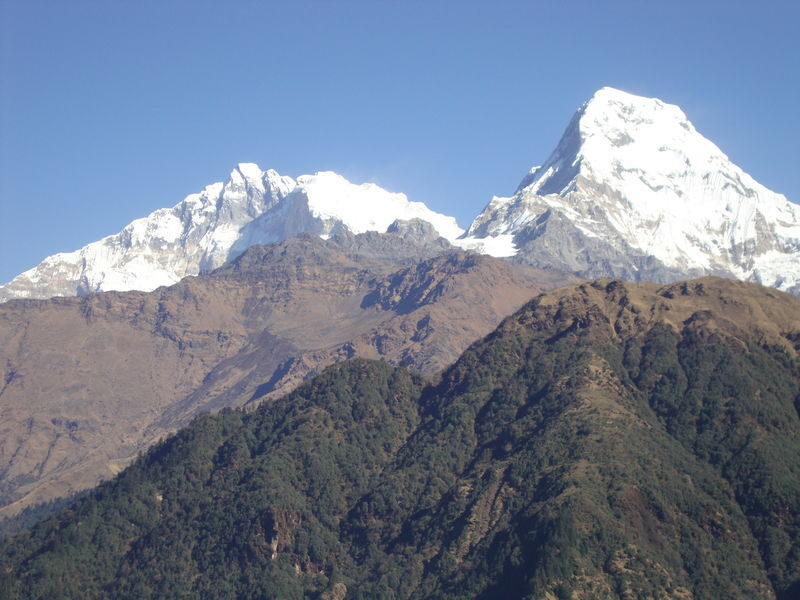
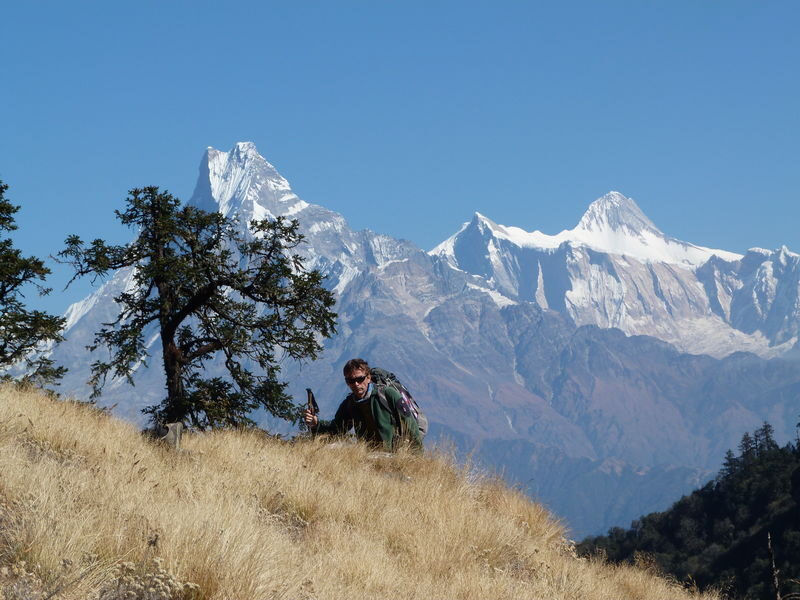
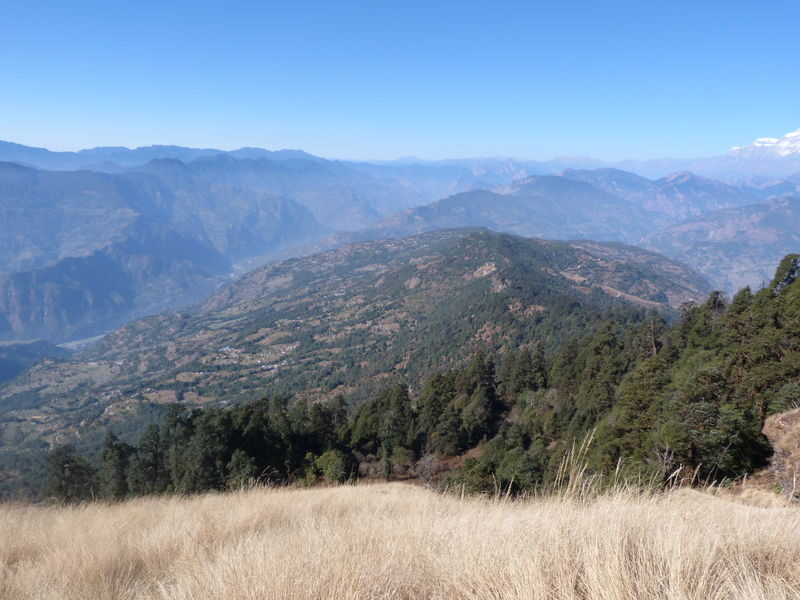
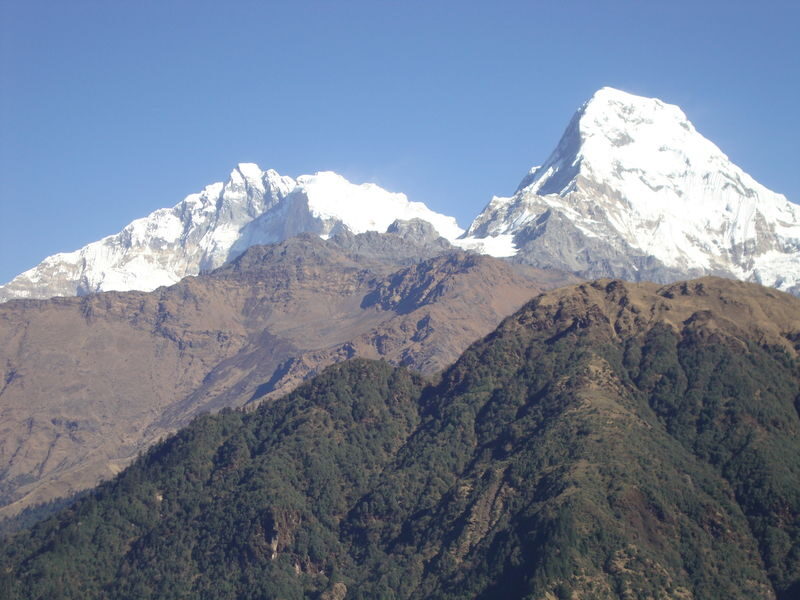
- Poon Hill sunrise is the headline: You climb to 3,210 metres before dawn for views across the Himalayas, including peaks around Annapurna and the Mustang and Pokhara valleys.
- The first day is a stair workout: The route from Nayapul to Ulleri takes about six hours and includes a steep climb of roughly 3,300 steps.
- Ghandruk adds cultural depth: This hillside settlement is largely inhabited by Gurung people, and its Gurung Museum offers a chance to learn about local traditions.
- A guide and porter are included: One porter is provided for every two trekkers, with a maximum shared load of 25 kilograms.
- Teahouse comfort is simple: Rooms, toilets, hot water, and charging options vary by lodge and altitude. Budget extra for some conveniences.
- You need to reach Pokhara yourself: The trek starts there, and the trip back to Kathmandu is not included.
Four Days, Three Mountain Villages, One Sunrise
This route works well if you want a first Himalayan trek but cannot set aside a week or more. It brings together mountain views, forest paths, village stops, and a famous sunrise in a compact itinerary. You finish back in Pokhara, with a guide managing the route and a porter carrying most of your gear.
Compact does not mean effortless. Expect several hours of walking each day, uneven trails, steep sections, and an early morning climb to Poon Hill. Your pace and fitness matter more than the word easy in the difficulty rating.
The elevation changes are also worth noting. You sleep at about 2,050 metres in Ulleri, then 2,750 metres in Ghorepani and 2,700 metres in Ghandruk. Poon Hill itself reaches 3,210 metres. The itinerary is short, but the high point and long walking days still call for sensible pacing and attention to how you feel.
You can also read our reviews of more hiking tours in Poon Hill


Day One: Nayapul to Ulleri by Way of Tikhedhunga
The trip begins with pickup at your hotel in Pokhara, then a drive of about 90 minutes to Nayapul. From there, you walk for roughly six hours toward Ulleri through subtropical valley forest, crossing the Modi Khola on a suspension bridge and passing through Tikhedhunga.
The most demanding part comes near Ulleri: a climb of around 3,300 steps. It is a memorable introduction to the route, and a good reason to start at a comfortable pace rather than trying to prove something on the first afternoon. Your guide can help set that pace and make rest stops as needed.
Ulleri sits at about 2,050 metres, where you spend the night in a teahouse. This first day offers a taste of village life and forest scenery, but it also uses up a good deal of energy. If stairs are hard on your knees or you are new to long walks, take that seriously when deciding whether this four-day plan suits you.
Day Two: A Forest Climb to Ghorepani
The walk from Ulleri to Ghorepani takes about four to five hours. You continue uphill through forest toward a village that once served traders and is now a common stop for trekkers heading to Poon Hill.
The day’s reward is the changing mountain view. Around Ghorepani, you may see Annapurna South and Nilgiri, with the panorama widening as you climb. You sleep at about 2,750 metres, which makes this a useful night to eat well, set out warm layers, and prepare for an early alarm.
Ghorepani is more than a convenient bed before sunrise. It is the point where the short trek’s main objective becomes real: Poon Hill is close enough for a predawn walk, but high enough that the climb will feel sharper in the dark and cold. A guide can help keep the group together and manage the timing.
Day Three: Sunrise at Poon Hill, Then Down to Ghandruk
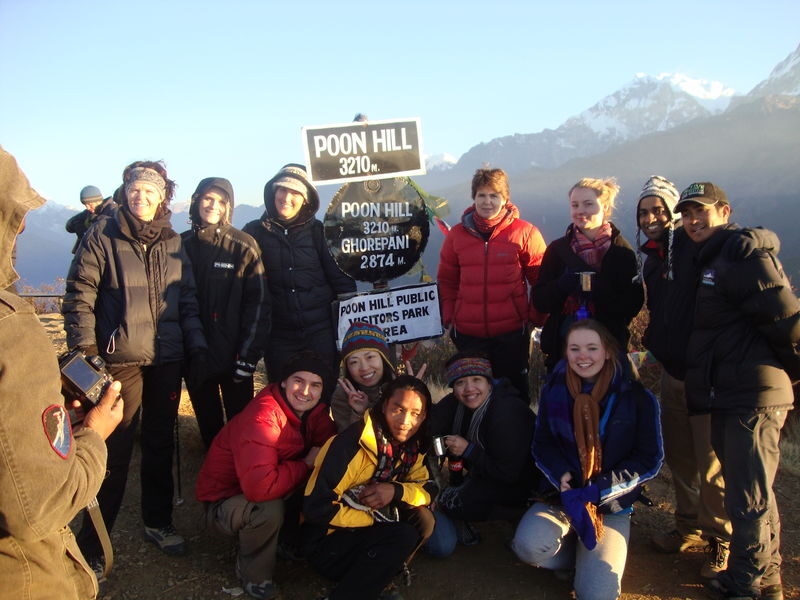
Day three is the longest and most memorable: allow about six to seven hours of trekking. You leave early for Poon Hill, at 3,210 metres, following a steep path in the dark. The aim is to arrive in time for sunrise over the Himalayas, when the snowy peaks catch the first light. Views extend toward the Mustang and Pokhara valleys.
The climb is short compared with the full trek, but it is steep, and the early start can make it feel harder. Bring warm clothing and a light source if you have one, and keep your camera or phone ready. Sunrise timing and visibility depend on conditions, so the view is not guaranteed to match the clearest photographs.
After returning to Ghorepani, you continue downhill to Ghandruk. The village sits at about 2,700 metres and is known for its stone houses and Gurung community. The change from a summit viewpoint to a lived-in mountain settlement gives the day a welcome second act.
In Ghandruk, the Gurung Museum provides a way to learn about local customs and traditions. The route also offers views of Fishtail, Annapurna South, and Hiunchuli. This is a good place to slow down and take in the village rather than treating it as only a bed for the night.
Day Four: Farm Terraces and the Return to Pokhara
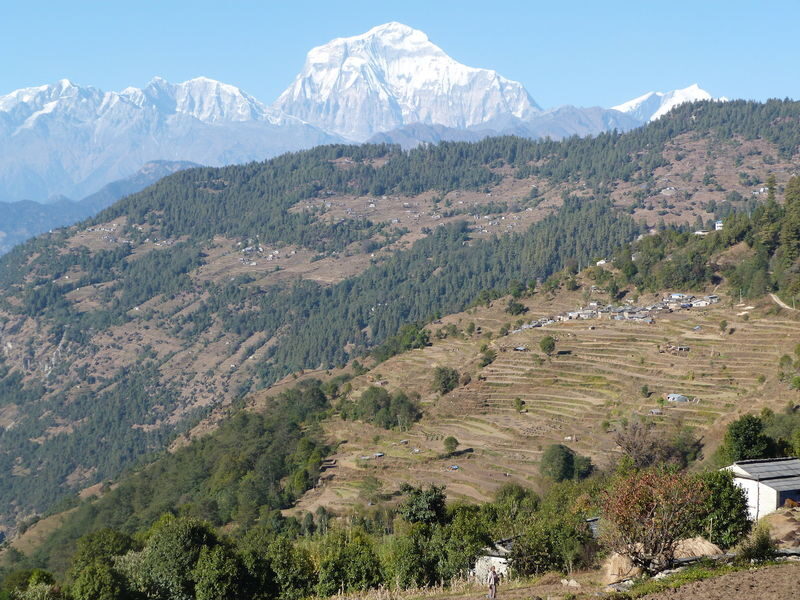
The final day is a roughly four-hour downhill walk to Birethanti, then onward to Nayapul. The trail passes through villages and farm terraces, offering a different view of the region from the forested climbs earlier in the trip.
From Nayapul, a drive of about 90 minutes returns you to Pokhara, with drop-off at your hotel or another location in the city. The walk is downhill, but that does not make it effortless: long descents can be tiring on legs and knees, especially after three days of trekking.
The four-day structure is efficient, though it leaves little spare time. If weather, road conditions, or your own pace affect the schedule, be cautious about arranging onward travel immediately after the return. You are responsible for your own transport from Pokhara back to Kathmandu.
You can also read our reviews of more tours and experiences in Poon Hill


What the Price Covers, and What It Does Not
Prices vary by group size and package. The listed options start at $306.05 for a group of nine or more, $355.50 for four to eight, $387 for two to three, and $420 for a solo trekker. A separate starting price is shown as $336.65, so check the current total for your dates and party size before booking.
The price includes a professional guide, a porter for every two trekkers, trekking accommodation, national park entrance tickets, land transport for the trek, and meals. Full board covers breakfast, lunch, and dinner. Breakfast and dinner are generally served at the teahouses, while lunch is taken at a restaurant along the trail.
Meals are simple and filling. Breakfast may include noodles, porridge, bread, or eggs; full-board meals are typically dal curry and vegetables. Tea and coffee are listed among the inclusions, but the package details also distinguish between meal options, and extra drinks are listed as personal expenses. Confirm exactly what is included with your chosen package, and check bills before paying for drinks or other extras.
You should budget separately for items such as hot showers, charging devices, snacks, soft drinks, beer, laundry, and personal beverages. Pre- and post-trek accommodation in Pokhara is not included, nor are your Nepal visa, insurance, gratuities, or rescue and emergency evacuation costs. Safety and personal trekking equipment are also not included.
The apparent value is strongest if you want the logistics handled: guide, porter, meals, lodging, and local transport are bundled into one trek. But do not mistake included for all expenses covered. Carry some extra cash for personal purchases and confirm any uncertain fees before setting out.
Teahouses, Meals, and the Small Comforts
You stay in teahouse lodges throughout the trek. Private rooms are available at lower altitudes, while rooms higher up may be dormitory style. Toilets are shared, blankets are provided, and running water is available, but hot showers may cost extra. Some lodges have electricity for charging phones and cameras, also for a fee.
These are practical mountain stops, not full-service hotels. A hot drink after a long walk can feel like a treat, but availability and costs vary by teahouse. Boiled water is provided, and snacks and drinks can usually be bought along the route.
If you have allergies, gluten intolerance, or follow a vegetarian diet, special dietary needs can be accommodated. Let the operator know in advance, and be clear about what you need. With the half-board option, you choose and pay for lunch; with full board, all meals are covered, generally with straightforward local dishes.
Guides, Porters, and Packing Sensibly
The guide and porter arrangement is a real part of the trek’s value. A porter carries a shared load of up to 25 kilograms for two trekkers, which lets you walk with a smaller day bag. Pack your belongings in a duffel or lightweight cotton bag, with a plastic liner to protect them.
Guides named on past treks include Gyanashwor Adhikari, Ramkumar, and Manoj, though your guide may be someone else. The useful thing to look for is attentive pacing and clear communication. Gyanashwor, for example, was praised for noticing fatigue before it was voiced and offering help with a bag; Ramkumar was credited with adjusting pace and plans to suit a solo trekker. These are the kinds of small decisions that can make a demanding day feel manageable.
Do not pack to the porter’s full limit just because it is available. You still need to carry your own essentials during the day, and a lighter load makes the walk easier for everyone. Review the supplied packing guide before departure, and remember that safety gear and other necessary personal equipment are not provided.
Timing, Permits, and Booking Details
The trek can run at any time of year, but March to May and September to November are the recommended seasons for warmer weather and clearer skies. Conditions still vary, so a clear sunrise is never certain.
You must get yourself to Pokhara, whether by flight, private transfer, or public bus from Kathmandu. Accommodation in Pokhara before and after the trek is also your responsibility. After booking, send a scanned passport copy and a recent passport photo by replying to the confirmation email, so the operator can arrange the trekking permit.
The voucher is valid only for the date selected, and you present it on your phone. The booking terms state that cancellations and refunds are not available, so check your dates and travel plans carefully before committing. Accident or travel insurance is recommended, and emergency evacuation costs are not covered.
Should You Book the Poon Hill Trek?
Book this trek if you want a short, guided introduction to Nepal’s mountains and are comfortable with long walking days, steep stairs, basic lodging, and a predawn climb. The blend of high mountain views and time in Ghandruk makes it more satisfying than a quick viewpoint visit.
Think twice if you want private bathrooms, guaranteed hot showers, a leisurely pace, or complete control over meals and added costs. For a first trek, a solo outing, or a tight schedule, the included guide and porter can be especially helpful. Just arrive fit enough for the stairs, pack light, confirm what your package includes, and leave room in your plans for the mountains to set the pace.
4D3N Ghorepani Poon Hill Trek
“My tour guide was Mr. Gyanashwor Adhikari. He has done an excellent job of not only guiding me, but also looking after me throughout the trip. For…”
FAQ
How difficult is the four-day Poon Hill trek?
It is rated easy to medium. Expect several hours of walking each day, a climb of about 3,300 steps to Ulleri, and a steep early-morning path to Poon Hill.
Where does the trek start and finish?
The trek starts at Nayapul after pickup in Pokhara and a roughly 90-minute drive. On day four, you walk to Nayapul and return to Pokhara by road.
Is a guide and porter included?
Yes. A professional guide is included, along with one porter for every two trekkers. The porter can carry up to 25 kilograms shared between two people.
What accommodation is provided?
You stay in teahouse lodges. Private rooms are available at lower altitudes, while higher-altitude rooms may be dormitory style. Toilets are shared, and blankets and running water are provided.
Are meals included?
Breakfast and dinner are included in the half-board option. Full board includes breakfast, lunch, and dinner. Meals are simple, and you should confirm which drinks are covered by your chosen package.
When is the recommended time to go?
The trek can be done at any time of year, but March to May and September to November are recommended for warmer weather and clearer skies.
What should I arrange before the trek?
Arrange your own travel and accommodation in Pokhara, then send a passport scan and recent passport photo by replying to the confirmation email so the operator can obtain your trekking permit. Travel or accident insurance is recommended.