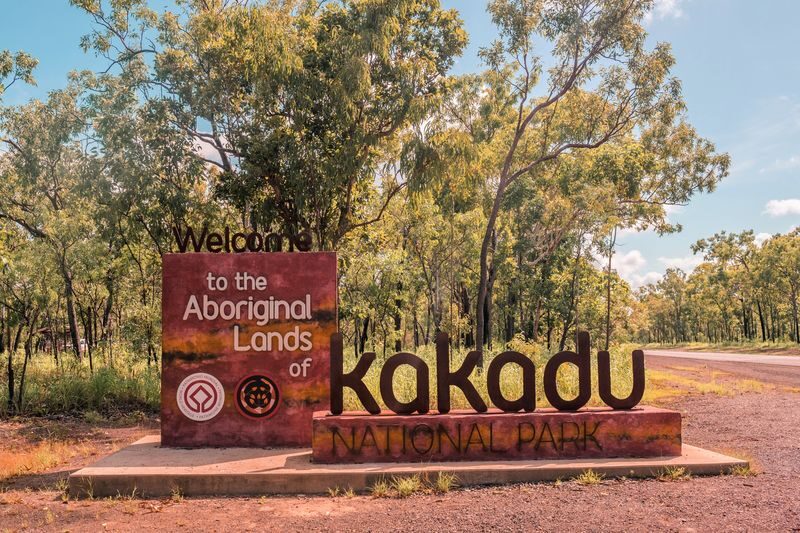
Kakadu’s rock art, croc-inhabited wetlands, and steep escarpments make a striking start to this three-day 4WD trip from Darwin. The route then heads to Litchfield for more waterfall swims before returning to the city. You cover a lot of ground, but the guided format brings the region’s natural and cultural sights together without asking you to plan each leg yourself.
I like two things in particular: the Corroboree Billabong cruise gives you a different view of Kakadu’s wetlands, and the campsite’s dining setup keeps evenings simple after long days outdoors. You can choose a one-person bush swag or a twin tent for two.
The trade-off is the pace. There’s plenty of driving and walking, and the waterfall stops on day two can change with weather and conditions. You’ll need moderate fitness, sturdy shoes, and some flexibility.
- At a glance
- A three-day route through Kakadu and Litchfield
- Day one: wetlands, Bowali, and Ubirr
- Day two: Kakadu’s waterfalls and walking trails
- Two nights at the Kakadu campsite
- Meals are included, with a little teamwork
- Day three: Litchfield, then back to Darwin
- Guides, group size, and the long road days
- What to pack and who will enjoy it
- Should you book this Kakadu to Litchfield tour?
- FAQ
- Where does the tour depart from?
- What time should I arrive at the meeting point?
- When does the tour return to Darwin?
- Which parks does the tour visit?
- What accommodation is included?
- Are meals included?
- Can I bring my own sleeping bag?
- How much walking is involved?
- Are the day two waterfall stops guaranteed?
- What is the luggage limit?
- More Tours in Kakadu
- More Tour Reviews in Kakadu
- Not for you? Here's more nearby things to do in Kakadu we have reviewed
At a glance
- A wetland cruise starts the trip: Look for wildlife from the boat at Corroboree Billabong.
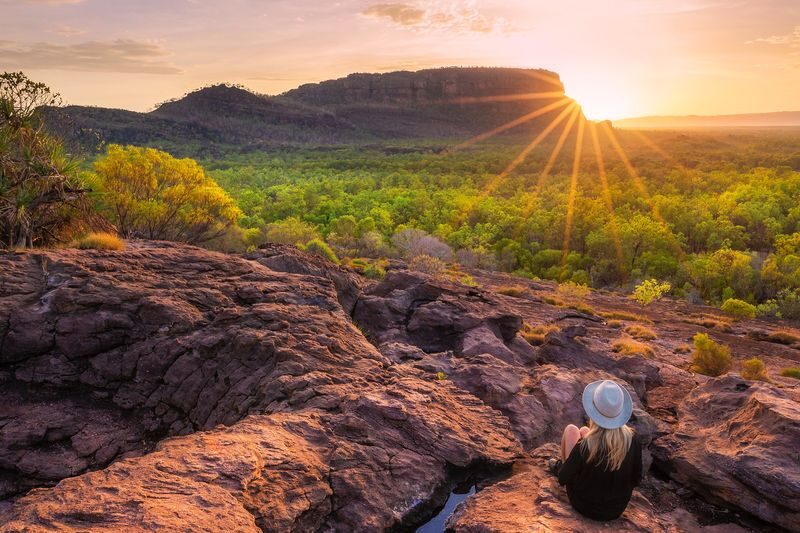
- Ubirr brings art and sunset together: The first day ends with Aboriginal rock art and a view from Ubirr Lookout.
- Day two is built around waterfalls: The exact sites depend on conditions, with options including Maguk, Motor Car Falls, Moline Rockhole, Gunlom, or Jim Jim Falls.
- Two nights are at one Kakadu campsite: Choose a bush swag or a twin permanent eco tent, with communal bathrooms.
- Meals are part of the shared rhythm: Breakfast, lunch, and dinner are included on set days, but you’ll help prepare some meals.
- The route takes you back to Darwin: Day three visits Litchfield before an expected return around 7:00 pm.
A three-day route through Kakadu and Litchfield
This tour is a compact way to see two of the Top End’s best-known national parks. It starts in Darwin, crosses Kakadu, and finishes with a visit to Litchfield before returning to the city. The 4WD bus has air conditioning and is set up for off-road travel, which matters on a route that covers long distances and varied terrain.
The vehicle carries up to 21 passengers, not including the driver. That’s a sizeable group, so expect a shared-tour feel rather than a private safari. In return, you get a guide, transport, park entry fees, guided walks, and a set route that links major sights in a short time.
The advertised starting price is from $740.55. Package options shown are from US$804.95 for a one-person bush swag and US$854.19 for a twin tent for two. Prices and currencies can vary, so check the total for your chosen date and sleeping option before booking. The value rests partly in what’s bundled: park fees, the wetland cruise, transport, two nights’ accommodation, and most listed meals.
You can also read our reviews of more tours and experiences in Kakadu.


Day one: wetlands, Bowali, and Ubirr
The first day begins with a wildlife cruise on Corroboree Billabong. A boat gives you a view across the wetlands that’s quite different from seeing Kakadu from the road, and the area is known for crocodiles. Keep your eyes open, listen to the guide, and follow any safety instructions closely.
Next comes the Bowali Visitor Centre, where you can get an introduction to Kakadu and its cultural and natural features. It’s a useful stop before heading out to see the park itself. The day closes at Ubirr, with Aboriginal rock art and a sunset view from the lookout.
That mix is a strong start: wildlife, context, and a major cultural site in one day. It also makes for a full schedule, so don’t expect long stretches of unstructured time. If the sunset is a priority for you, bear in mind that the timetable can shift with traffic and weather.
Day two: Kakadu’s waterfalls and walking trails
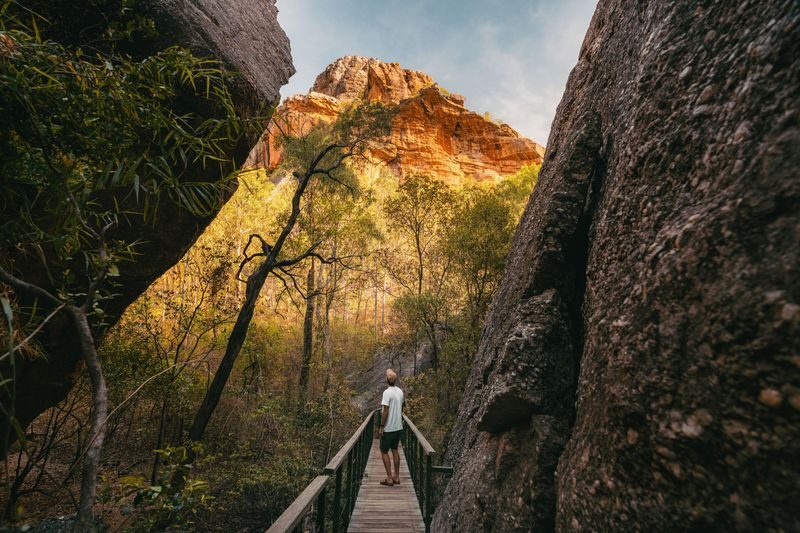
The second day is given to waterfalls, hikes, swims, and more ancient rock art. Possible stops include Maguk, Motor Car Falls, Moline Rockhole, Gunlom Falls, or Jim Jim Falls. The itinerary does not promise every site, and conditions can affect which places the group visits.
This flexibility is sensible in a region where weather and access can shape the day, but it means you should treat the named falls as possibilities, not a fixed checklist. Ask your guide about the day’s plan and what conditions mean for each walk and swim.
The walks can be up to 3 km and are listed at grades 2 to 6. The tour also involves stairs and a considerable amount of walking, so moderate fitness is required. Sturdy hiking shoes are a better choice than casual sandals, especially if you want to feel steady on uneven ground.
The reward is time outside the vehicle, with the chance to cool off in natural plunge pools beneath Kakadu’s escarpments. Bring swimwear and a towel, and be ready to follow the guide’s directions on where swimming is suitable. The tour includes guided bush walks, but the exact amount of walking depends on the sites visited.
Two nights at the Kakadu campsite
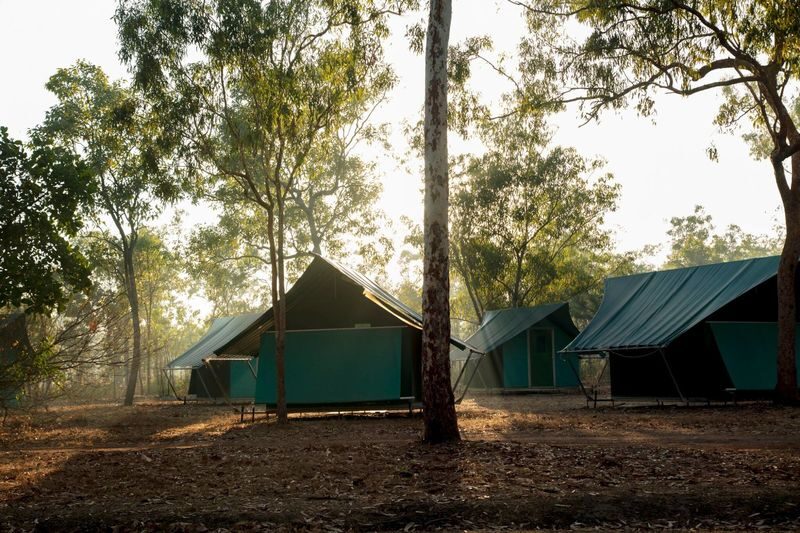
Both nights are spent at the Autopia exclusive campsite at Aurora Kakadu Lodge. Accommodation is offered as either a one-person Australian bush swag bed roll or a twin permanent eco tent that sleeps two. The swag option means sleeping in a canvas-covered bed roll, with the appeal of being under the stars; the twin tent gives you a more enclosed setup.
Bathrooms are communal, so this is not a private-room stay. The campsite has a shared dining area, with tables, a fridge, and charging points described as part of the group setup. After a long day outdoors, having a place to eat and gather is a practical comfort, even if you should not expect hotel-style privacy.
Bring your own sleeping bag and pillow if you’re using a swag, or hire a sleeping bag onboard for AUD40, including cleaning. Limited power access makes a power bank useful for phones and cameras. The tour calls the accommodation permanent eco-style tented campsites, but the exact sleeping experience depends on the package you choose.
Meals are included, with a little teamwork
The tour includes two breakfasts, three lunches, and two dinners, plus snacks and beverages. Some guest participation is required. In practice, you should expect to help with meal preparation rather than being served every meal from start to finish.
That can be part of the fun: you share a camp routine with the group and get a taste of bush cooking. One useful detail from the tour’s camp setup is that meals may be close to ready when the group returns in the evening, while lunch preparation happens together in the morning. That makes the days feel organized, though it still helps to be ready to lend a hand.
If you have dietary needs, plan ahead. Food choices in the outback can be limited, and the operator recommends bringing snacks if you have special dietary requirements. Check your needs with the operator before departure rather than assuming every preference can be accommodated.


Day three: Litchfield, then back to Darwin
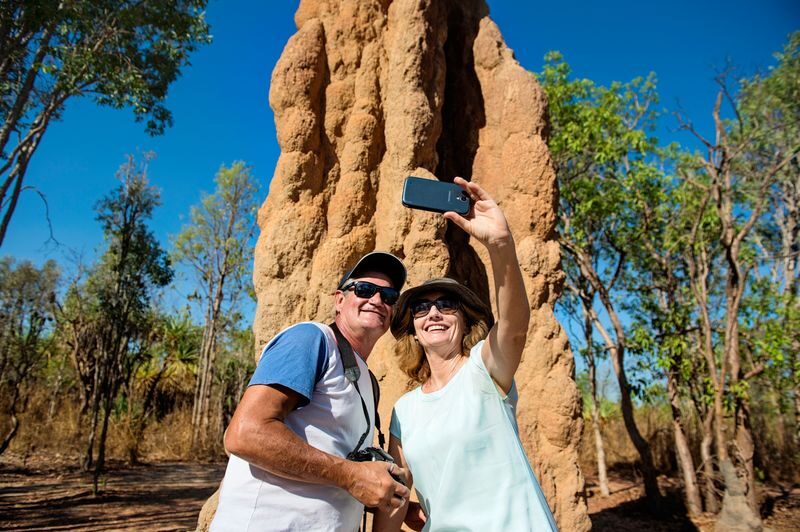
On the final day, the tour travels from Kakadu to Litchfield National Park. You’ll have more opportunities to swim at waterfalls and rockholes, and see the park’s towering termite mounds. It’s a change of scenery after two nights based in Kakadu, with another chance to cool off before the drive back.
The stated return to Darwin is around 7:00 pm. That makes this a long final day, and the timing may shift with road and weather conditions. Avoid booking a tight onward connection that evening; the tour’s return time is an estimate, not a guarantee.
The route also offers a useful contrast between the parks. Kakadu gets more time, including the wetlands, Ubirr, and the waterfall day. Litchfield is a shorter visit, but it adds another set of swimming spots and a distinctive look at termite mounds before the trip ends.
Guides, group size, and the long road days
An English-speaking professional driver-guide provides live commentary and local information throughout the trip. One guide named Carlos was praised for being both informative and fun, but guide assignments can vary. The consistent benefit is having someone handle the driving and explain the places you’re seeing.
The long distances are easier to manage when the day has regular breaks. A passenger on this route found restroom stops came roughly every hour and a half, an especially handy detail on a multi-day road trip. That timing is not a formal guarantee, so use each stop when you can.
The bus is air-conditioned, but that doesn’t make the trip effortless. You’ll still spend time on the road, walk at several stops, and carry your own day pack. A small day bag is useful for water, sunscreen, a hat, camera, and swim gear, while the main bag limit is one standard-sized piece weighing no more than 15 kg.
What to pack and who will enjoy it
Pack for hot days, swims, and evenings at camp: comfortable sturdy hiking shoes, swimwear, a towel, sunscreen, sunglasses, a hat, toiletries, insect repellent, a water bottle, and a flashlight or headlamp. A mosquito or fly net may be useful in summer. Bring cash for personal expenses, and a power bank because charging access is limited.
The tour suits you if you want a guided, active introduction to Kakadu and Litchfield and are happy to share transport, meals, and campsite facilities. It’s also a good fit if you’d rather have park transport and entry arranged than work out the route yourself.
It’s less suited to you if you need private bathrooms, want a leisurely pace, or prefer to choose every stop yourself. Children must be at least eight, and anyone aged 8 to 17 must travel with a paying adult. The walking and stairs make fitness an important part of the decision.
Should you book this Kakadu to Litchfield tour?
Book it if you want three active days that combine a wetland cruise, Aboriginal rock art, waterfall walks, swims, and two nights at a Kakadu campsite. The included park fees and transport add real value, while the shared camp routine helps keep the trip practical. Choose a swag if you’re comfortable with a simple bed roll, or a twin tent if you want a more enclosed place to sleep.
Think twice if you need a private room, have limited mobility, or can’t manage a long day with walking and stairs. The waterfalls visited can change, and the drive back to Darwin is expected around 7:00 pm. For an active trip with a guide and the major logistics handled, this is a well-rounded way to see both parks in a short window.
3D2N Kakadu to Litchfield 4WD Camping Tour
“This is a very well structured and organised tour, beyond our expectation! it's a long journey but there's chance, in general, for restroom every ~…”
FAQ
Where does the tour depart from?
The main meeting point is The Leea Darwin Hotel, 64 Cavenagh Street, Darwin City. Pick-up time and location are confirmed after booking, so follow the details on your voucher.
What time should I arrive at the meeting point?
Arrive 10 minutes before the departure time shown on your booking confirmation. The shared transfer may arrive early or late.
When does the tour return to Darwin?
The expected return is around 7:00 pm on day three. Traffic and weather can affect the schedule.
Which parks does the tour visit?
The route includes Kakadu National Park and Litchfield National Park, with departure from and return to Darwin.
What accommodation is included?
The tour includes two nights at the Autopia campsite at Aurora Kakadu Lodge. You can choose a one-person Australian bush swag or a twin permanent eco tent for two. Bathrooms are communal.
Are meals included?
Yes. The tour includes two breakfasts, three lunches, and two dinners, as well as snacks and beverages. You’ll be expected to help with some meal preparation.
Can I bring my own sleeping bag?
Yes. You can bring your own sleeping bag and pillow, or hire a sleeping bag onboard for AUD40, including cleaning costs.
How much walking is involved?
The tour includes guided bush walks of up to 3 km, with grades listed from 2 to 6. It also involves a considerable amount of walking and stairs, so a moderate level of fitness is required.
Are the day two waterfall stops guaranteed?
No specific set of waterfalls is guaranteed. Possible stops include Maguk, Motor Car Falls, Moline Rockhole, Gunlom Falls, or Jim Jim Falls, and the schedule can change with weather and conditions.
What is the luggage limit?
You can bring one standard-sized piece of luggage weighing up to 15 kg, plus a small day pack.


