- Experience the 18 Day Everest Base Camp Trek via Jiri: A Journey Through Nepal’s Heartland
- Good To Know
- Why Choose the Everest Base Camp Trek via Jiri?
- Breaking Down the Itinerary: What’s in Store
- Day 1-2: Kathmandu to Jiri and Trekking Begins
- Day 3-4: Junbesi and Lamjura Pass
- Day 5: Rest and Cultural Immersion in Junbesi
- Day 6-7: Descending through Villages to Nunthala
- Day 8-9: Toward Everest—Phakding and Namche Bazaar
- Day 10-11: Acclimatization and Tengboche
- Day 12-13: Dingboche and High-Altitude Rest
- Day 14-15: Lobuche and Everest Base Camp
- Day 16: Pheriche and Kala Patthar
- Day 17-18: Return Journey and Kathmandu
- Practical Considerations: What to Expect
- Authentic Experiences and Unique Highlights
- The Sum Up: Who Is This Trek Perfect For?
- FAQ
- The Best Of Kathmandu!
- More Hiking & Trekking Tours in Kathmandu
- More Tour Reviews in Kathmandu
- Not for you? Here's more nearby things to do in Kathmandu we have reviewed
Experience the 18 Day Everest Base Camp Trek via Jiri: A Journey Through Nepal’s Heartland
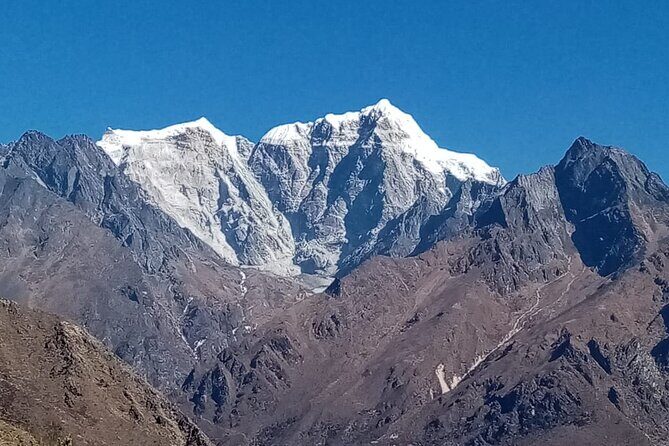
Trekking to Everest’s base camp is a goal for many adventure lovers, but choosing the right route can make a huge difference in your experience. This 18-day Everest Base Camp Trek via Jiri offers a unique alternative to the popular Lukla route, starting from the scenic town of Jiri. While it takes longer and demands good fitness, it rewards trekkers with a deeper connection to Nepal’s countryside, culture, and mountain vistas.
Our review highlights the aspects that make this trek memorable—such as the stunning landscapes, authentic Sherpa villages, and knowledgeable local guides. We’ll also touch on some challenges, like the longer duration and more remote route, so you’re well-prepared. This journey suits those who love culture, enjoy hiking through varied terrains, and want an adventure with fewer crowds.
👉 See our pick of the 14 Best Shopping Tours In Kathmandu
Good To Know
- Unique Route: Starts from Jiri, offering authentic scenery and cultural experiences away from the crowds.
- Expert Guides: Sherpa guides share local stories and traditions, enriching the trek.
- Cultural Encounters: Visit monasteries, stupas, and local markets, gaining insight into Sherpa life.
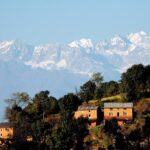
- Stunning Scenery: Expect lush forests, mountain vistas, and Sherpa villages.
- Physical Challenge: Requires good fitness and acclimatization; longer trek with altitude gains.
- Value for Money: At $1,580, the package includes flights, permits, and accommodation, making it a solid value for a comprehensive Himalayan experience.
You can also read our reviews of more hiking tours in Kathmandu
Why Choose the Everest Base Camp Trek via Jiri?
Most trekkers head straight to Lukla, but opting for the Jiri route means you’re embracing a more authentic side of Nepal. This trail winds through lush forests, terraced fields, and traditional Sherpa villages, giving you a richer understanding of local life. Instead of rushing towards Everest, you get to savor every step, soaking in the scenery and culture.
Another plus is the expertise of the guides—who are not only experienced Sherpa trail guides but also deeply connected to their communities. Their insights turn the trek into more than just a walk; it becomes a storytelling journey. Plus, traveling through less crowded paths means you can enjoy nature and photography without the throngs of travelers.
The tour’s inclusions are thoughtfully planned: flights from Lukla to Kathmandu, permits, and accommodations in cozy tea houses help streamline your adventure. However, be aware that the longer, more remote route demands good physical condition and some acclimatization time.
Breaking Down the Itinerary: What’s in Store
Day 1-2: Kathmandu to Jiri and Trekking Begins
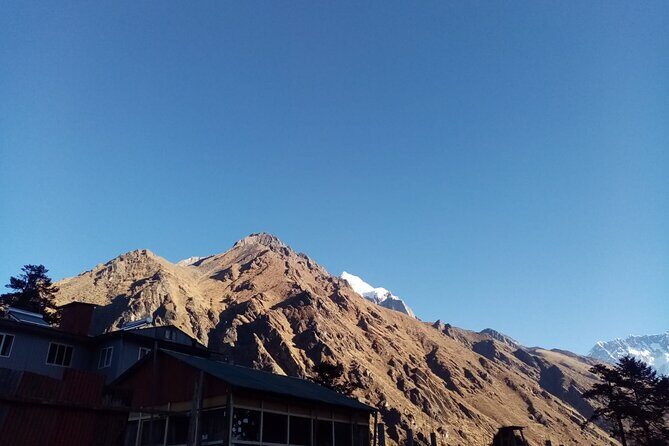
Your adventure kicks off with a scenic drive from Kathmandu to Jiri, taking about 7-8 hours. Expect to see rural Nepal—farming terraces, mountain glimpses, and local villages along the way. The journey itself is a great primer for what’s to come and sets a relaxed tone for your trek.
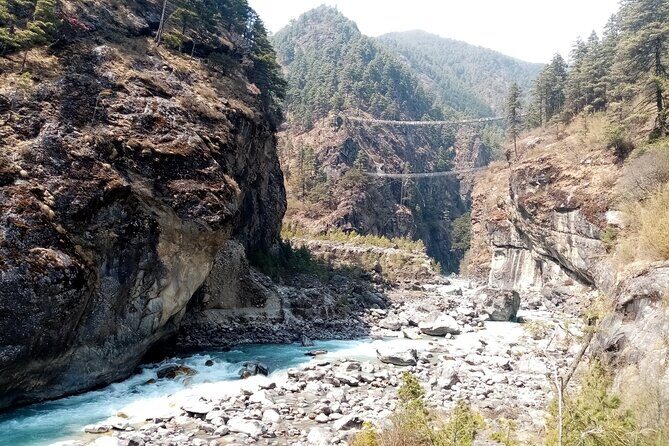
Starting your trek through lush forests of pine, rhododendron, and magnolia, you’ll cross suspension bridges over rivers and streams. The walk through small villages, inhabited by Rai and Sherpa communities, offers a rare peek into traditional lifestyles. These early days, while physically demanding, introduce you to the local environment and prepare you for higher altitudes.
Day 3-4: Junbesi and Lamjura Pass
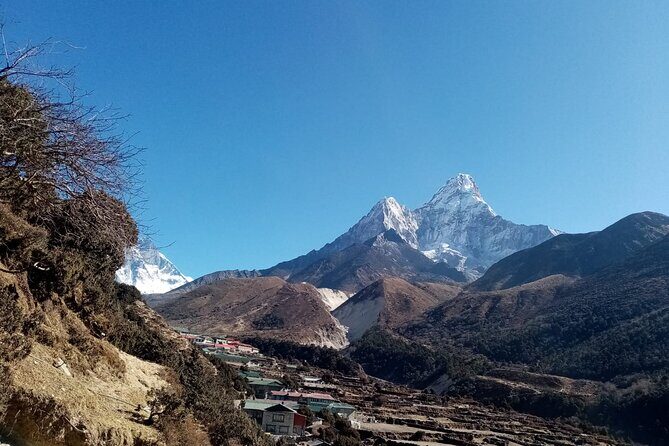
Climbing toward Lamjura Pass (3,530m), you’re rewarded with incredible mountain views and the scent of pine and rhododendron. Junbesi is a highlight—an authentic Sherpa village known for its hospitality and monasteries. Here, the trek becomes a blend of nature and culture, with optional visits to local monasteries and interactions with monks.
One review mentions that the climb to Lamjura Pass offers “breathtaking views,” and Junbesi “feels like stepping into a Sherpa postcard.” The trail is steady but manageable, with the ascent providing excellent acclimatization opportunity.

Day 5: Rest and Cultural Immersion in Junbesi
This day is a welcome rest, giving your body a chance to adapt to the altitude. It’s also an excellent chance to explore Junbesi’s monasteries, meet monks, and learn about Buddhist traditions. Expect to get a taste of Sherpa hospitality—locals are friendly, eager to share their way of life.
Day 6-7: Descending through Villages to Nunthala
The journey descends through terraced fields and forests, passing through farming communities. Crossing the Dudh Kosi River, you reach Nunthala—a peaceful Sherpa village with views of Kongde Ri. The day’s walk continues to showcase Nepal’s rural charm, with plenty of chances for photographs and cultural exchanges.
Day 8-9: Toward Everest—Phakding and Namche Bazaar
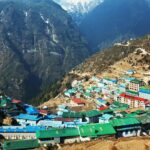
Progressing along riverbanks, you pass through charming villages like Kharte and Cheplung en route to Phakding. The final ascent into Namche Bazaar is steep but scenic, with suspension bridges adorned with prayer flags adding to the experience. Namche is the bustling hub for trekkers and climbers, and a lively place to soak in the mountain atmosphere.
A noteworthy detail from reviews: “the guides really know their stuff,” making navigation and steep ascents feel safer and more enjoyable. This phase marks the real start of the Everest journey.
Day 10-11: Acclimatization and Tengboche
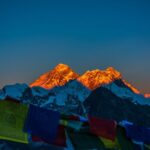
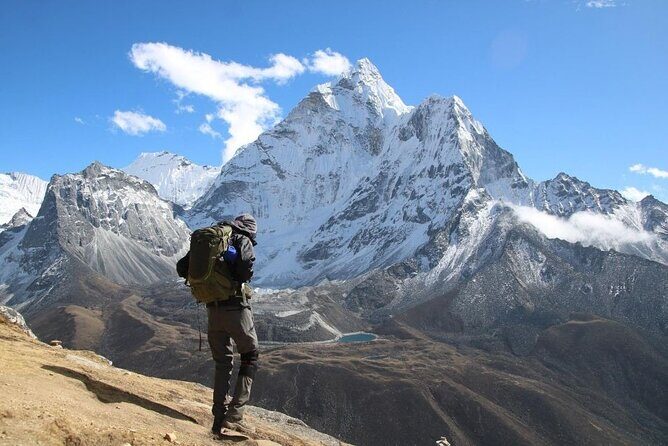
A rest day in Namche allows for acclimatization and visits to the Sherpa Cultural Museum. The trek to Everest View Hotel offers panoramic vistas of Everest, Lhotse, and Ama Dablam—viewpoints that make the effort worthwhile.
Tengboche, home to the famous monastery, provides a spiritual contrast to the mountain vistas. The rhododendron forests here are particularly stunning in spring, with some reviewers noting sightings of Himalayan wildlife.
Day 12-13: Dingboche and High-Altitude Rest
Crossing Imja Khola, you reach Dingboche—a village known for its scenic beauty and excellent acclimatization opportunities. A hike to Nagarjun Hill reveals sweeping views of peaks like Makalu and Cholatse. Visitors often comment on how well Dingboche’s atmosphere helps prepare for higher elevations.
Day 14-15: Lobuche and Everest Base Camp
Trekking along the moraine of the Khumbu Glacier, you pass memorials dedicated to climbers who lost their lives on Everest—an emotional sight that reminds you of the mountain’s might. Reaching Lobuche, you’re close to the big moment: Everest Base Camp.
The trek to Everest Base Camp is a highlight, with the iconic Khumbu Icefall and panoramic Himalayan vistas. The guide’s local knowledge helps you appreciate the significance of the surroundings, making the achievement even more meaningful.
Day 16: Pheriche and Kala Patthar
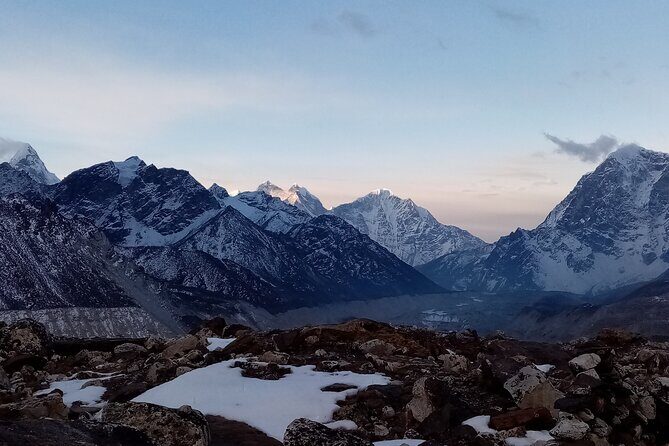
Early morning, a short hike to Kala Patthar delivers some of the most breathtaking sunrise views of Everest and surrounding peaks. Returning to Lobuche and descending through Pangboche, you’ll notice the peacefulness of the trail and the warmth of Sherpa hospitality, even at high altitude.
Day 17-18: Return Journey and Kathmandu
Descending back through Tengboche and Namche, the trail offers a comforting familiarity. The final day in Lukla sees you celebrating the end of a demanding but rewarding trek. A flight from Lukla to Kathmandu wraps up your Himalayan adventure, giving you a chance to reflect on the journey while flying over the mountains.
Practical Considerations: What to Expect
Transport & Logistics: The trip includes pickup in Kathmandu and a shared bus ride to Jiri, setting the tone for an authentic travel experience. The flight from Lukla to Kathmandu is included, which is a highlight itself—expect stunning aerial views of the Himalayas.
Accommodations: Staying in tea houses—small guesthouses—means you’ll enjoy simple but cozy lodgings, often with communal dining. These places foster a sense of community among trekkers and locals alike.
Group Size & Guides: The tour operates as a private activity, meaning your group gets personalized attention. Guides are experienced Sherpa locals, sharing stories and insights that go beyond standard trekking information.
Pricing & Value: At $1,580 per person, the package covers permits, flights, accommodation, and guiding. When you factor in the included flights and expert guidance, the overall value is strong for those seeking a comprehensive and culturally rich Everest experience.
Physical Fitness & Altitude: This trek requires a good level of fitness and preparation. The longer route via Jiri offers excellent acclimatization opportunities but demands patience and stamina. The reviews consistently mention the importance of pacing oneself and listening to guides.
Authentic Experiences and Unique Highlights
Many reviewers praise the knowledgeable Sherpa guides, emphasizing how their personal stories and cultural insights enrich the trek. One noted guide, Lakpa Sherpa, was described as “super experienced and friendly,” making the climb not just physically manageable but also insightful.
The route’s appeal lies in its culture—visiting monasteries, interacting with locals in Sherpa villages, and witnessing daily mountain life. The scenery is another standout: lush forests, mountain vistas, and pristine rivers provide countless photo opportunities.
The inclusion of rest days in Namche and Dingboche is a thoughtful touch, aiding acclimatization and giving time to appreciate the environment. The walk to Kala Patthar offers an unforgettable sunrise view—something many travelers say they would wake up early for again.
The Sum Up: Who Is This Trek Perfect For?
This 18-day Everest Base Camp Trek via Jiri is best suited for adventurous travelers who crave a deeper cultural connection and are comfortable with a longer, more physically demanding trail. It’s ideal for those who appreciate serene landscapes, authentic Sherpa hospitality, and a more remote, less touristy journey.
While it requires good fitness and some mental preparation, the rewarding views, meaningful interactions, and sense of achievement make it worth every effort. The attention to authentic cultural experiences, combined with expert local guides, results in a trek that’s not just about reaching Everest but also about understanding Nepal’s soul.
This trek offers fantastic value, memorable scenery, and genuine cultural encounters, making it a standout option for seasoned trekkers seeking an immersive Himalayan adventure.
FAQ
Is this trek suitable for beginners?
This trek requires a strong physical fitness level and some trekking experience. The longer route and higher altitudes mean it’s better suited for experienced hikers who are prepared for a demanding journey.
Are flights from Lukla included?
Yes, the tour includes the flight from Lukla back to Kathmandu, which is one of the most scenic parts of the trip and helps save time compared to overland routes.
What kind of accommodation is provided?
You’ll stay in tea houses—small guesthouses that are simple but comfortable, providing a communal atmosphere and a chance to connect with fellow trekkers and locals.
Can I interact with Sherpa locals?
Absolutely. The guides are Sherpa and will facilitate visits to monasteries, local markets, and villages, offering plenty of opportunities to learn about Sherpa culture.
What is the best time to do this trek?
While not explicitly specified, most Himalayan treks are best during pre-monsoon (spring) and autumn, when weather conditions are most stable.
What should I pack for this trek?
Layered clothing for varying temperatures, sturdy hiking boots, a good sleeping bag, rain gear, and personal essentials. Your guides can provide specific packing advice.
How is the group size managed?
This is a private tour, meaning your group will have personalized attention from your Sherpa guides, making the experience more flexible and tailored.
This carefully curated trek offers a blend of stunning mountain scenery, cultural richness, and authentic adventure—perfect for those ready to explore Nepal beyond the usual tourist paths.