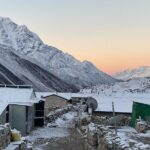
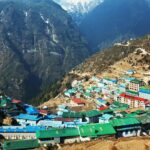
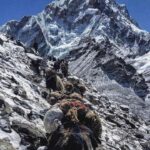
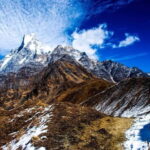
Nestled amidst the mighty Himalayas, the 14 Days Everest Base Camp Trek in Nepal beckons adventurers with its siren call.
Like a thrilling symphony, this trek orchestrates an exquisite blend of challenge and reward, taking hikers on a breathtaking journey through untamed landscapes and ancient Sherpa villages.
With each step, trekkers traverse the path less traveled, their hearts pounding like the rhythmic beat of a drum, as they inch closer to the roof of the world.
But what lies beyond the mountains? What secrets does Everest Base Camp hold?
The answers lie in the untold tales of perseverance, camaraderie, and the insatiable thirst for adventure that awaits those who dare to embark on this epic odyssey.
- Good To Know
- Trekking in the Himalayas
- Everest Base Camp Overview
- Itinerary and Highlights
- Physical Fitness and Preparation
- Accommodation and Meals
- Weather and Best Time to Go
- Safety and Tips
- Common Questions
- Is Travel Insurance Required for the Days Everest Base Camp Trek in Nepal?
- Are There Any Age Restrictions for Participating in the Trek?
- What Is the Average Group Size for the Trek?
- Are There Any Specific Vaccination Requirements for Traveling to the Everest Base Camp?
- Can I Rent Trekking Equipment, Such as Sleeping Bags and Trekking Poles, in Nepal?
- The Sum Up
- The Best Of Kathmandu!
- More Hiking & Trekking Tours in Kathmandu
- More Tour Reviews in Kathmandu
- Not for you? Here's more nearby things to do in Kathmandu we have reviewed
Good To Know
- Hiring a local guide is advisable for trekking in the Himalayas, including the Everest Base Camp trek in Nepal.
- Good physical fitness and mental endurance are required for the challenging trails and steep terrain.
- Altitude sickness precautions and proper acclimatization are important for a safe and successful trek.
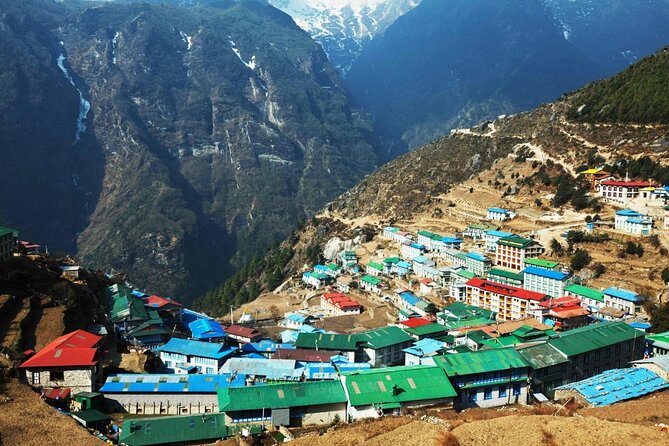
- The trek offers breathtaking landscapes, cultural experiences, and opportunities to interact with local Sherpa people and witness traditional ceremonies.
👉 See our pick of the 14 Best Shopping Tours In Kathmandu
Trekking in the Himalayas
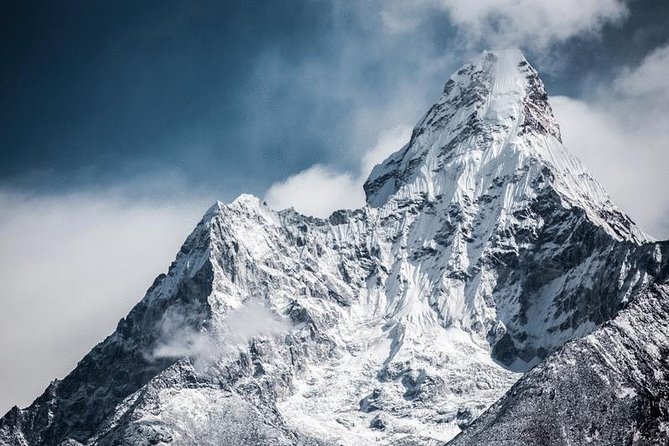
Trekking in the Himalayas offers adventurers the opportunity to embark on a thrilling journey through some of the world’s most awe-inspiring landscapes. The Himalayas, with their towering peaks and rugged terrain, present a unique set of challenges for hikers. The trails can be steep and treacherous, requiring physical fitness and mental endurance. However, the rewards are immense.
The breathtaking vistas of snow-capped mountains, pristine lakes, and lush valleys make every step worth it. To navigate these challenging trails, it’s advisable to hire a local guide. These guides aren’t only familiar with the terrain but also have a wealth of knowledge about the local culture and traditions. They can provide valuable insights and ensure a safe and memorable trekking experience in the Himalayas.
You can also read our reviews of more hiking tours in Kathmandu
Everest Base Camp Overview
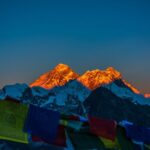
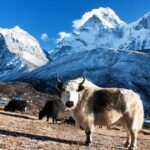
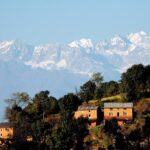
Nestled amidst the breathtaking peaks of the Himalayas, the Everest Base Camp serves as the starting point for intrepid adventurers embarking on the ultimate trekking experience. Here’s a quick overview of what you can expect:
Trekking Difficulty: The Everest Base Camp trek is a challenging endeavor that requires a good level of physical fitness and stamina. The trail is steep and rugged, with varying terrain and high altitude conditions. It’s recommended to undergo some level of training and preparation before attempting this trek.
Altitude Sickness Precautions: As you ascend to higher altitudes, the risk of altitude sickness increases. It’s important to acclimatize properly by taking rest days and ascending gradually. Drinking plenty of water, avoiding alcohol and caffeine, and following a nutritious diet can also help prevent altitude sickness. It’s advisable to consult with a doctor and carry necessary medications for emergencies.
Embarking on the Everest Base Camp trek is an adventure like no other, but it’s essential to be prepared and take necessary precautions to ensure a safe and memorable journey.
Itinerary and Highlights
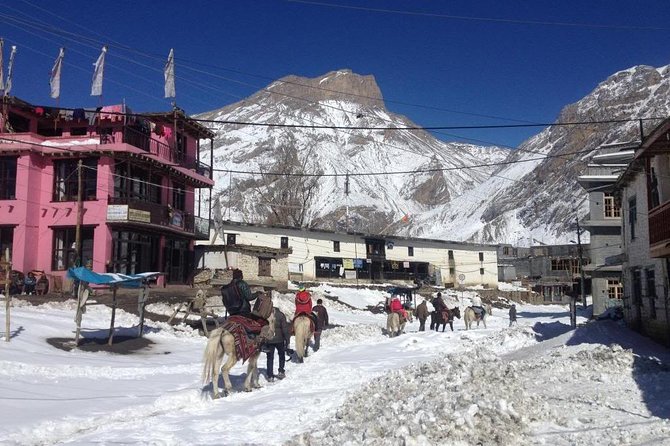
Embarking on the journey to Everest Base Camp offers adventurers the opportunity to enjoy the majestic beauty of the Himalayas while pushing their physical limits to new heights.
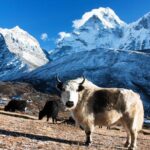
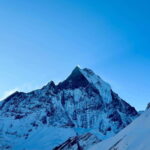
The trekking routes to Everest Base Camp are carefully chosen to provide a challenging yet rewarding experience. Along the way, trekkers will encounter breathtaking landscapes, including snow-capped peaks, deep valleys, and picturesque villages.
One of the highlights of the trek is the chance to interact with the local Sherpa people, who’ve a rich cultural heritage and a deep connection to the mountains. Trekkers will have the opportunity to visit monasteries, witness traditional ceremonies, and learn about the Sherpa way of life.
These cultural experiences add depth and meaning to the journey, making the Everest Base Camp trek a truly unforgettable adventure.
Physical Fitness and Preparation
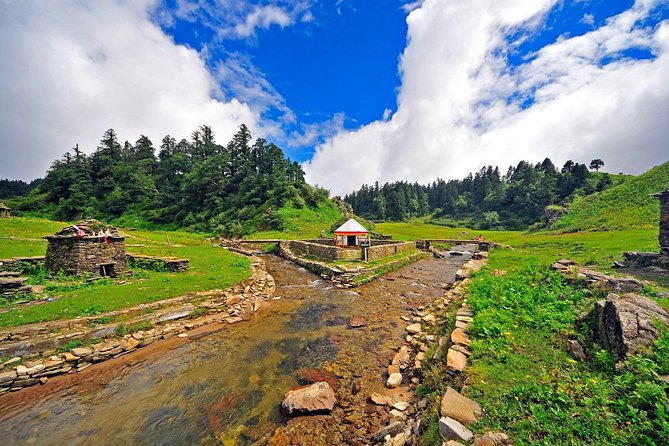
To embark on the journey to Everest Base Camp, it’s essential to ensure that you’re physically fit and adequately prepared for the challenges that await you in the majestic Himalayas. Here are three key points to consider when it comes to physical fitness and preparation:
Establish an exercise routine: Building strength and endurance is crucial for the demanding trek to Everest Base Camp. Prior to your trip, engage in regular cardiovascular exercises, such as hiking, running, or cycling, to improve your stamina. Plus, include strength training exercises to prepare your muscles for the uphill and downhill sections of the trek.
Acclimatize to the altitude: Altitude sickness is a real concern when trekking in the Himalayas. To minimize the risk, take the time to acclimatize properly. Gradually ascend to higher altitudes, allowing your body to adjust to the thinner air. Stay hydrated, avoid alcohol and excessive exertion, and listen to your body if you experience symptoms of altitude sickness.
Pack the right gear: Make sure you have the necessary equipment to tackle the challenging terrain and unpredictable weather conditions. Invest in a sturdy pair of hiking boots, layered clothing for varying temperatures, a good quality sleeping bag, and a backpack that distributes weight evenly. Don’t forget essentials like sunscreen, a hat, gloves, and a headlamp.
Accommodation and Meals
What types of accommodation and meals are available during the Everest Base Camp trek in Nepal?
When embarking on the adventure of a lifetime to Everest Base Camp, trekkers have a variety of accommodation options to choose from. Along the trail, there are tea houses and lodges that provide basic but comfortable rooms with shared bathrooms. These accommodations offer a chance to interact with fellow trekkers and take in the local culture.
As for meals, trekkers can indulge in the delicious local cuisine, which includes traditional dishes like dal bhat, momo, and Sherpa stew. These meals aren’t only tasty but also provide the necessary sustenance for the challenging trek ahead.

Weather and Best Time to Go
When planning your adventure to Everest Base Camp in Nepal, it’s essential to consider the weather and the best time to go. Here are three important things to know about the climate conditions and seasonal variations in the region:
Spring (March to May): This is the most popular time to trek to Everest Base Camp. The weather is mild, and the days are longer, making it ideal for hiking. However, it can get crowded during this season.
Autumn (September to November): Another excellent time to visit Everest Base Camp is during the autumn season. The weather is clear, with stable temperatures, providing breathtaking views of the surrounding mountains.
Winter (December to February): Although the winter months bring colder temperatures and occasional snowfall, it’s still possible to trek to Everest Base Camp. The advantage of going during this time is fewer travelers, allowing for a more peaceful experience.
Understanding the weather patterns and choosing the best time to go will ensure a memorable and enjoyable journey to Everest Base Camp.
Safety and Tips
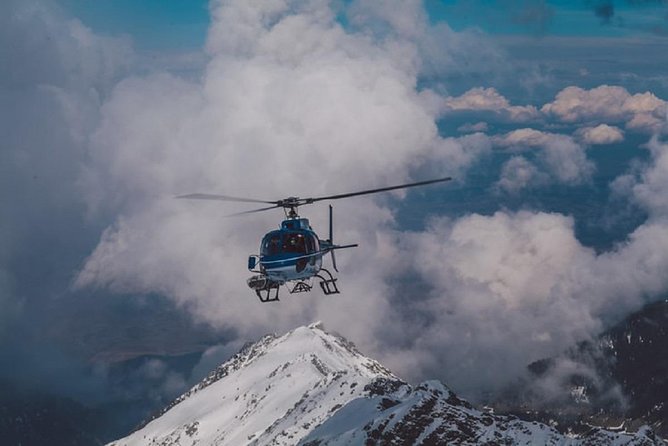
For a safe and enjoyable trek to Everest Base Camp in Nepal, it’s important to be well-prepared and follow these essential tips.
First and foremost, make sure to have travel insurance that covers high-altitude trekking. Altitude sickness is a serious concern when trekking to Everest Base Camp, so it’s crucial to acclimatize properly. Take your time and allow your body to adjust to the altitude by taking rest days and hydrating well.
It’s also recommended to consult with a doctor before the trek and carry appropriate medication for altitude sickness. Plus, pack essential items such as warm clothing, sturdy hiking boots, and a good quality sleeping bag.
Always trek with a reliable guide and follow their instructions to ensure your safety throughout the journey.
Common Questions
Is Travel Insurance Required for the Days Everest Base Camp Trek in Nepal?
Travel insurance is highly recommended for the Everest Base Camp Trek in Nepal. It provides numerous benefits such as coverage for medical emergencies, trip cancellations, and lost baggage. It is important to protect oneself during such an adventurous journey.
Are There Any Age Restrictions for Participating in the Trek?
There are no age restrictions for participating in the trek. People of all ages can join and experience the adventure. However, it is important to consider one’s health and fitness level before embarking on this challenging journey.
What Is the Average Group Size for the Trek?
The average group size for the trek is typically around 10-12 people. This allows for a balance between camaraderie and personal attention from the guide. The trek difficulty can vary, but it is considered challenging and requires a good level of fitness.
Are There Any Specific Vaccination Requirements for Traveling to the Everest Base Camp?
There are specific vaccination requirements for traveling to Everest Base Camp. It is important to take necessary health precautions and consult a healthcare professional for advice on vaccines and medications before embarking on the trek.
Can I Rent Trekking Equipment, Such as Sleeping Bags and Trekking Poles, in Nepal?
Yes, trekking equipment such as sleeping bags and trekking poles can be rented in Nepal. The cost of renting equipment varies depending on the duration of the rental and the quality of the gear.
The Sum Up
To sum it up, the Days Everest Base Camp Trek in Nepal offers an incredible adventure for both experienced trekkers and beginners alike.
With its stunning landscapes, rich culture, and the opportunity to witness the majestic Mount Everest up close, this trek is truly a once-in-a-lifetime experience.
From the picturesque villages to the challenging terrains, every step of the journey will leave you in awe.
So lace up your hiking boots and get ready for an unforgettable adventure in the heart of the Himalayas.