If you’re dreaming of standing at the foot of the world’s tallest peak, this 14-day Everest Base Camp (EBC) trek offers a well-rounded mix of breathtaking scenery, Sherpa culture, and local flavors. While it’s physically demanding, it’s also accessible for those with good fitness levels, thanks to thoughtful acclimatization days and expert guides.
Three things we love about this experience are the authentic Sherpa-led cultural stops, the chance to taste traditional Himalayan cuisine, and the jaw-dropping mountain vistas you’ll encounter at every turn. The only potential snag? The high altitude and long days mean you’ll need to prepare yourself physically and mentally.
This tour is perfect for adventure seekers who want more than just a trek—they’re after culture and local storytelling woven into the mountain journey. If you’re eager to connect with Sherpa traditions, savor Himalayan dishes, and witness stunning panoramas, this trek fits the bill.
- Good To Know
- The Ultimate Himalayan Journey: What to Expect
- Day-by-Day Breakdown
- Cultural and Culinary Experiences
- The Practical Side: Logistics, Cost, and Comfort
- Final Thoughts: Who Is This Trek Perfect For?
- FAQ
- The Best Of Kathmandu!
- More Food Experiences in Kathmandu
- More Food & Drink Experiences in Kathmandu
- More Tour Reviews in Kathmandu
- Not for you? Here's more nearby things to do in Kathmandu we have reviewed
Good To Know
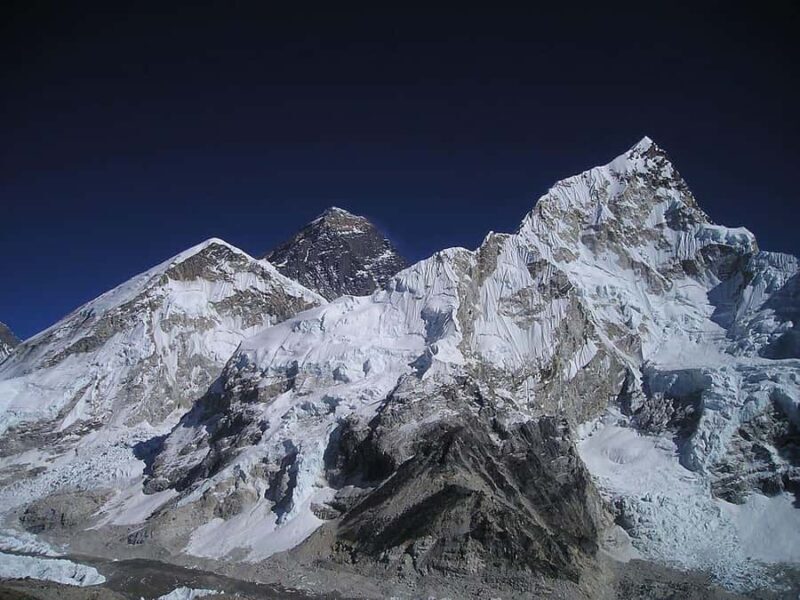
- Expert Sherpa Guides: Knowledgeable, friendly, and passionate about sharing their culture and stories.
- Cultural Experiences: Visit monasteries, learn about Buddhist rituals, and explore Sherpa villages.
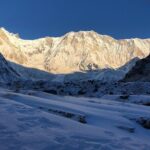
- Spectacular Views: Panoramic sights of Everest, Lhotse, Nuptse, Ama Dablam, and more.
- Authentic Food: Traditional Himalayan cuisine, cooking demos, and Sherpa hospitality.
- Acclimatization Strategy: Carefully planned stops to help prevent altitude sickness.
- Flexible Booking: Free cancellation up to 24 hours in advance & pay later options for peace of mind.
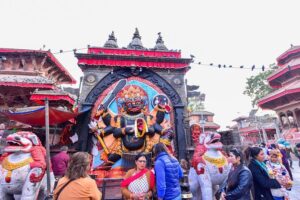
👉 See our pick of the 14 Best Shopping Tours In Kathmandu
The Ultimate Himalayan Journey: What to Expect
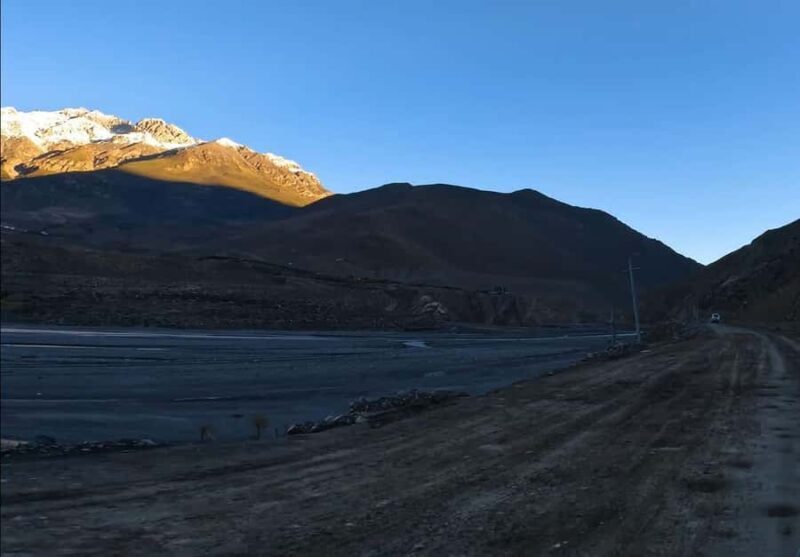
This 14-day adventure isn’t just about reaching Everest Base Camp—it’s a full immersion into Himalayan culture, stunning natural scenery, and Sherpa life. Led by experienced Sherpa guides—who are as passionate about sharing their stories as they are about guiding—you’ll experience the mountains on a personal level.
You can also read our reviews of more food & drink experiences in Kathmandu


Day-by-Day Breakdown
Day 1: Arrival in Kathmandu
Landing at Tribhuvan International Airport introduces you to Nepal’s vibrant capital. After checking into your hotel, a trek briefing sets expectations. The optional walk in Thamel offers a taste of Kathmandu’s lively streets, perfect for last-minute gear shopping or simply soaking in the energetic vibe.
Day 2: Kathmandu Sightseeing & Trek Prep
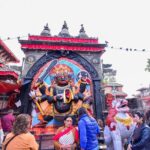
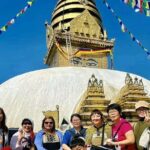
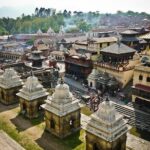
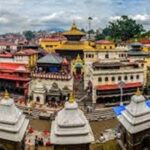
Visiting sacred sites like Pashupatinath Temple and Boudhanath Stupa connects you to Nepal’s spiritual heart. The day ends with final gear checks, ensuring you’re ready for the mountain ahead. This prep day is also helpful to get acclimated to the cultural atmosphere.
Day 3: Fly to Lukla & Trek to Phakding
Flying to Lukla—arguably one of the most scenic short flights—kicks off the adventure. The Tenzing-Hillary Airport’s dramatic approach is already memorable. The trek along the Dudh Koshi River to Phakding is gentle, with lush forest surroundings that set the tone for what’s to come.
Day 4: Phakding to Namche Bazaar
Crossing suspension bridges and walking through rhododendron forests, this day introduces you to the lush landscape of the Himalayas. Arriving at Namche Bazaar, the bustling Sherpa trading hub, marks a key point for acclimatization and cultural adjustment.
Day 5: Rest & Sherpa Culture in Namche
A short hike to the Everest View Hotel rewards you with your first impressive glimpse of Everest, Lhotse, and Ama Dablam. Visits to the Sherpa Museum give insights into local history, traditions, and mountaineering stories. Reviews highlight that Sherpa guides are passionate about sharing their culture.
Day 6: Namche to Tengboche
Walking through alpine forests, you’ll reach Tengboche Monastery, one of the most iconic spiritual sites in the region. Witnessing Buddhist rituals here is a highlight for many travelers, offering a glimpse into Sherpa religious life. The view of Ama Dablam from Tengboche is unforgettable.
Day 7: Tengboche to Dingboche
This stretch offers sweeping views of the mountain range, especially Ama Dablam. The village of Dingboche is a hub for acclimatization, with stunning surroundings and a warm community spirit. You’ll also get a taste of local cuisine, often praised in reviews for its hearty, filling nature.
Day 8: Acclimatization at Dingboche
Hiking nearby hills, you’ll gain altitude gradually while learning about Sherpa farming practices. The day’s relaxed pace helps prevent altitude sickness and deepens your understanding of how locals live at high elevations.
Day 9: Dingboche to Lobuche
Walking rocky trails with views of Pumori and Nuptse, you start feeling the mountain’s raw power. The sense of remoteness is growing, and many note the stunning landscapes make every step worthwhile.
Day 10: Lobuche to Everest Base Camp & Gorak Shep
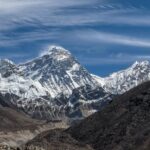
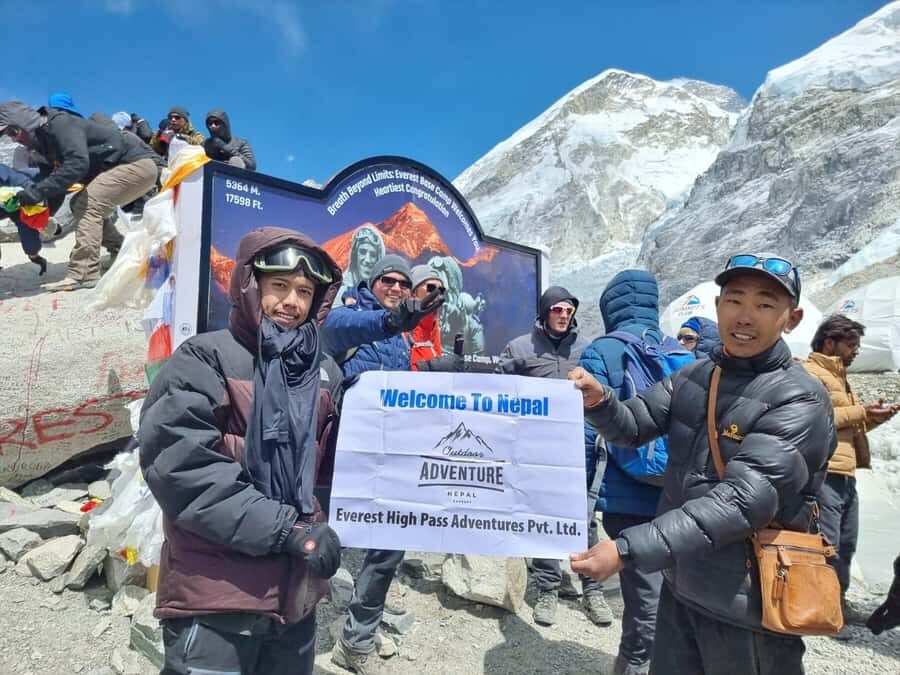
Reaching EBC is the climax for most trekkers. The views of Everest, Khumbu Icefall, and surrounding peaks are genuinely spectacular. Many reviews mention that standing here feels surreal—like being on top of the world. After soaking it in, you’ll descend to Gorak Shep for the night.
Day 11: Kalapatthar & Pheriche
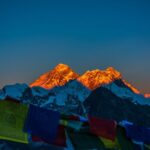
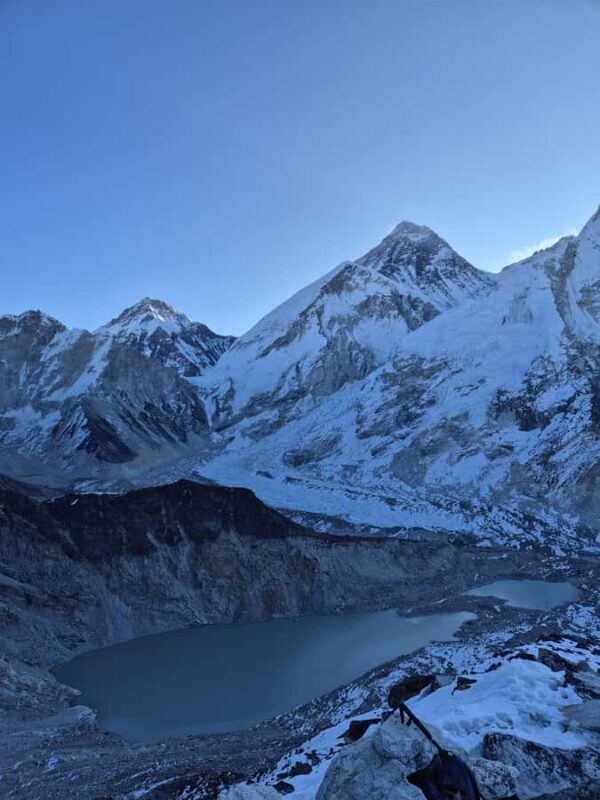
A sunrise hike to Kalapatthar offers the best vantage point for Everest views—many describe it as a jaw-dropping experience. Afterward, you’ll descend through the trail to Pheriche, where the air is noticeably thinner, but the views continue to stun.
Day 12: Return to Namche
Descending through Tengboche, you’ll revisit Sherpa culture and cuisine. This day provides reflection time and a chance to absorb the journey’s emotional and physical highs.
Day 13: Trek to Lukla
The final leg takes you back through familiar trails, with some reviews noting the trek’s bittersweet ending. Celebratory dinners with guides highlight the sense of camaraderie forged during the trip.
Day 14: Fly back to Kathmandu & Departure
The flight from Lukla offers one last stunning mountain view, and returning to Kathmandu allows for sightseeing or shopping before your departure. Many travelers feel this trip has balanced adventure, culture, and comfort effectively.
Cultural and Culinary Experiences
This trek shines when it comes to Sherpa-led cultural experiences. Visiting Tengboche Monastery isn’t just about the view—it’s about witnessing Buddhist rituals that many trekkers find deeply moving. Guides are eager to share stories of Sherpa traditions, mountaineering history, and daily life.
You’ll also get to taste authentic Himalayan cuisine, with many teahouses serving dishes like momos, thukpa, and Sherpa bread, often prepared with ingredients sourced locally. Some reviews mention cooking demonstrations, giving trekkers a chance to learn traditional recipes firsthand, which adds an enriching layer to the journey.
The Practical Side: Logistics, Cost, and Comfort
Transportation is straightforward yet adventurous—flights between Kathmandu and Lukla are short but scenic, setting the tone for a mountain adventure. The trek’s inclusion of acclimatization days and carefully planned stops shows a focus on safety, especially considering the high altitudes.
The itinerary balances long walking days with rest and cultural stops, making the high-altitude challenge more manageable. The group is private, allowing for a tailored experience, and guides are fluent in English, ensuring clear communication.
Pricing wise, you’ll want to consider the value of the guided experience, culture, and logistical support. The package includes most essentials, and reviews suggest that Sherpa guides are passionate and informative, adding exceptional value.
While Wi-Fi is available sporadically, don’t expect constant connectivity—this is mountain trekking after all. Packing layered clothing, sturdy boots, and cold-weather gear is crucial. Many reviews emphasize the importance of preparation, especially for altitude adjustment.
More Great Tours NearbyFinal Thoughts: Who Is This Trek Perfect For?
This 14-day Everest Base Camp trek is ideal for travelers who want more than just reaching a destination—they’re after cultural insights, authentic Himalayan flavors, and mountain vistas that stick with you. It suits those with decent fitness levels, an adventurous spirit, and a respect for local customs.
If you’re looking for a well-organized, immersive journey led by passionate Sherpa guides, this tour offers a high-value experience rooted in authenticity. It’s a fantastic choice for those eager to connect with Sherpa culture, enjoy delicious local food, and witness some of the world’s most iconic mountain views.
For travelers who prefer a more relaxed pace or are sensitive to altitude, this trek’s strategic stops and acclimatization days are a big plus, but preparation is key.
You can also read our reviews of more tours and experiences in Kathmandu

FAQ
Is this trek suitable for beginners?
While the trek is accessible for those with good fitness, it’s physically demanding due to high altitude and long walking days. Adequate preparation and acclimatization are essential.
What’s included in the tour?
The package covers guided trekking, most meals, cultural visits, and acclimatization days. Flights in and out of Lukla, and personal gear, are typically not included.
How physically challenging is the trek?
Expect long days walking in variable weather and altitude, with some steep ascents. The itinerary’s acclimatization days help mitigate altitude sickness risks.
Can I expect Wi-Fi and mobile service?
Wi-Fi is available but limited at some teahouses; mobile service may be spotty, especially at higher elevations.
Are dietary restrictions accommodated?
Most teahouses serve traditional Himalayan dishes; special dietary needs should be communicated in advance, but options may be limited in remote areas.
What is the best time of year to trek Everest Base Camp?
The most popular seasons are pre-monsoon (spring) and post-monsoon (autumn), offering clearer skies and milder weather.
This trek offers a rare combination of natural wonder, cultural discovery, and personal achievement. Whether you’re after stunning mountain panoramas, Sherpa stories, or delicious local dishes, this journey delivers on many fronts—all wrapped into one unforgettable adventure.
You can check availability for your dates here: More Great Tours Nearby