Kintaikyo Bridge and Miyajima’s famous shrine make an unusual pair for one day: one is a graceful wooden bridge in Iwakuni, the other a Shinto shrine beside the sea. Starting in Hiroshima, this tour links both with guided visits and a ferry crossing, so you can see two well-known sights without arranging each leg yourself.
I like the mix of Iwakuni’s castle-town heritage and Miyajima’s religious sites, and the guided explanations give context to the bridge, shrine and temple. The day is tightly timed, though, so expect a brisk pace and limited time to linger or explore on your own.
At a glance
- Kintaikyo Bridge opens the day with a guided visit to one of Japan’s best-known wooden bridges.
- Iwakuni Castle sits atop Mount Shiroyama, reached by ropeway as part of the tour.
- The ferry to Miyajima follows the World Heritage Sea Route, connecting the two areas by water.
- Lunch and free time fall on Omotesando, Miyajima’s shopping street, before the afternoon’s guided visits.
- The day includes admission, transport and an English-speaking guide, but meals and drinks are extra.
- At a glance
- A full day from Hiroshima to two historic sites
- Kintaikyo Bridge: a striking start in Iwakuni
- Kikko Park and Shrine: a short pause before the climb
- Iwakuni Castle: ropeway access to Mount Shiroyama
- The ferry to Miyajima: a scenic link between stops
- Omotesando: lunch and a little time to choose
- Senjokaku Pavilion and Itsukushima Shrine
- Daisho-in Temple: a Buddhist counterpoint
- What the price includes, and what it does not
- Who should book this tour?
- Should you book it?
- FAQ
- Where does the tour start and end?
- How long is the tour?
- Is transport included?
- Is an English-speaking guide included?
- Are attraction admissions included?
- Are lunch and drinks included?
- What is the child pricing?
- Is luggage storage provided?
- Can I cancel for a full refund?
- More 1-Day Tours in Hatsukaichi
- More Tours in Hatsukaichi
- More Tour Reviews in Hatsukaichi
- Not for you? Here's more nearby things to do in Hatsukaichi we have reviewed
A full day from Hiroshima to two historic sites
The tour begins at 8:00 AM at Hiroshima Station, where you meet your guide by the Shinkansen Gates under the Tourist Information sign. It returns to the same station at about 5:30 PM, making this a roughly nine-and-a-half-hour outing with a full itinerary.
You visit Iwakuni first, then travel onward to Miyajima. That order gives the day a useful contrast: a castle town and celebrated bridge in the morning, followed by the island’s shrine and temple sites in the afternoon. Transport is included, and the tour uses public transportation, so this is a guided day out rather than a private vehicle trip.
The schedule is specific, with planned arrival times at each stop. That structure helps you fit several major sights into one day, but it also means you should be ready to move when the group does. Traffic and weather can affect the timing, and the day’s schedule may change as a result.
You can also read our reviews of more tours and experiences in Hatsukaichi
Kintaikyo Bridge: a striking start in Iwakuni
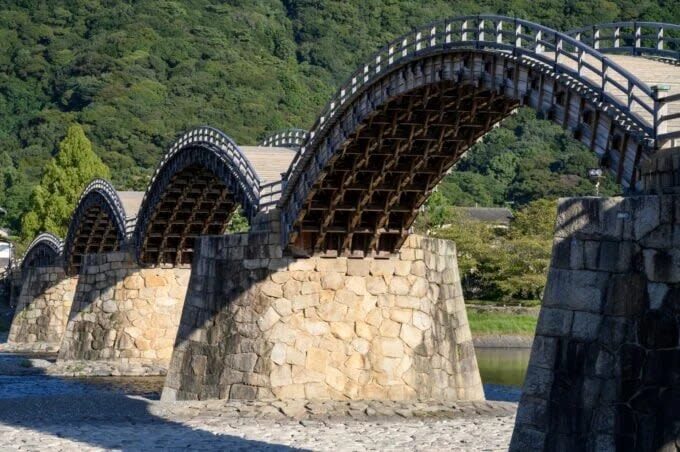
At about 9:30 AM, the guided visit begins at Kintaikyo Bridge. Iwakuni is known for this wooden bridge, counted among Japan’s three most famous bridges and noted for its unusual construction. The bridge gives you an immediate sense of the town’s history and the craftsmanship behind a major local landmark.
The planned visit is short, so think of this as an introduction rather than an unhurried stop. Your guide leads the tour, giving you a chance to understand why the bridge matters before moving on to the nearby park and shrine. If you are hoping for a long period to wander or take your time at every viewpoint, the day’s pace may feel brisk.
Kikko Park and Shrine: a short pause before the climb
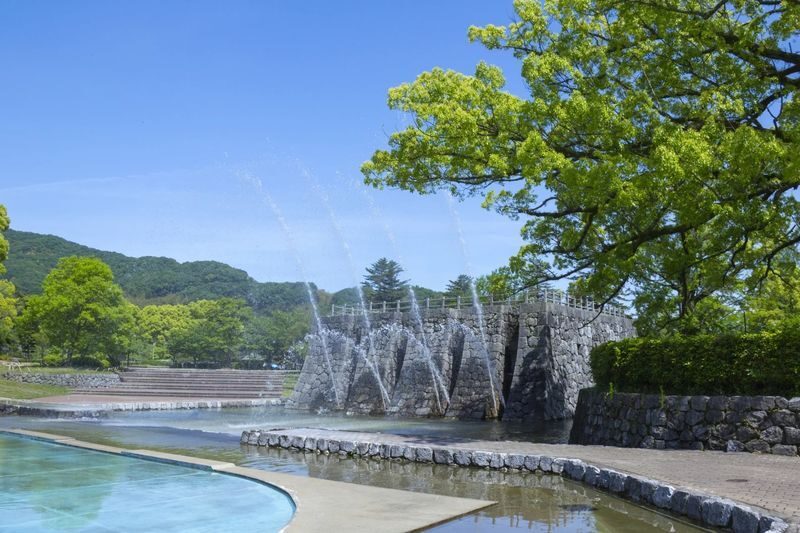
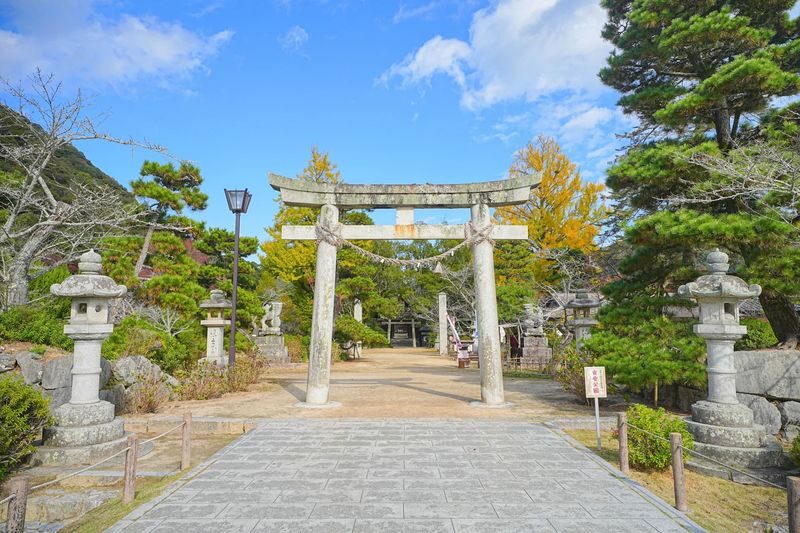
Around 9:45 AM, the tour continues to Kikko Park and Kikko Shrine. The park is described as spacious, and the visit is a quick guided stroll. It offers a change of pace after the bridge, with a little room to take in the area before heading uphill to the castle.
This stop is brief by design. You’ll get an overview of the park and shrine, but not a lengthy independent visit. I like that the itinerary includes a nearby cultural site rather than treating Iwakuni as a bridge photo stop alone. Just keep your expectations in line with the short time allotted.
Iwakuni Castle: ropeway access to Mount Shiroyama
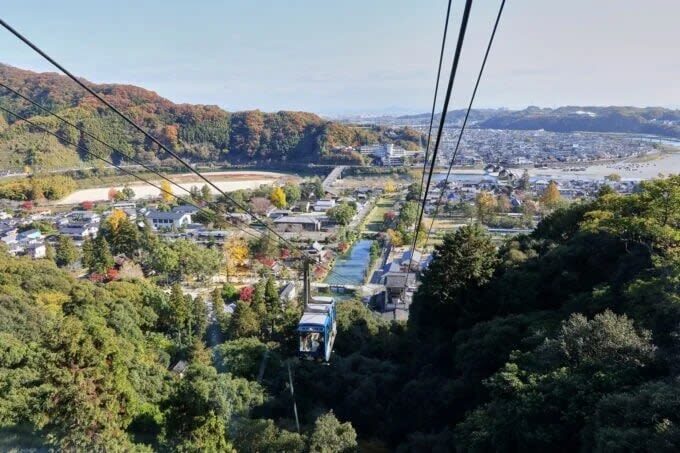
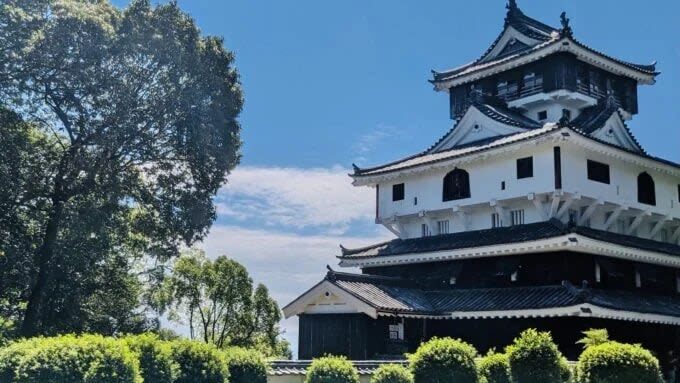
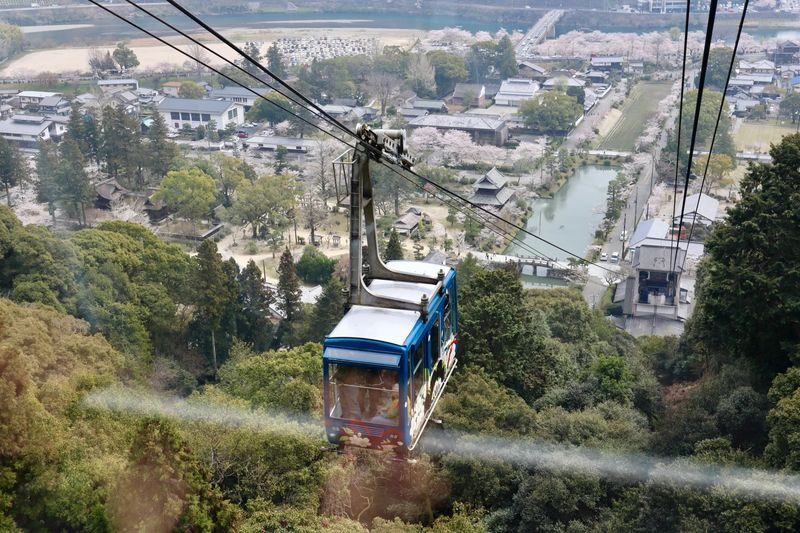
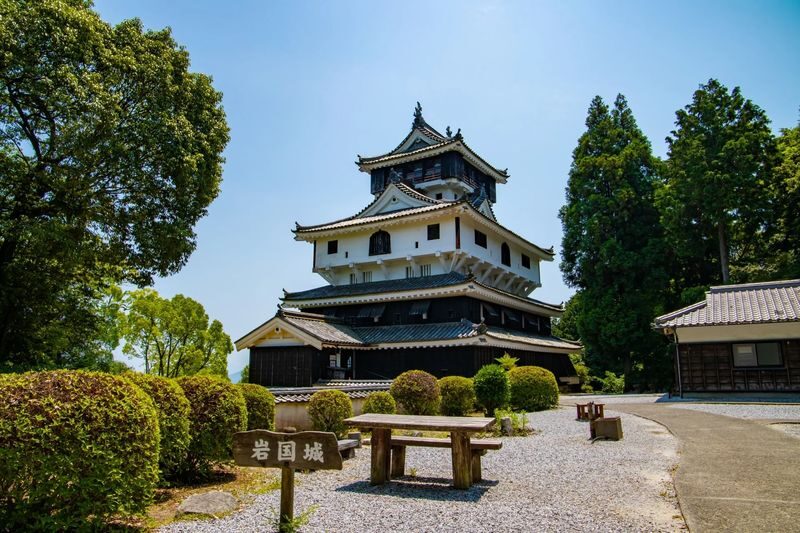
At about 10:15 AM, the tour heads to Iwakuni Castle by ropeway. The castle and its surroundings sit at the top of Mount Shiroyama, so the ascent is part of the experience, not just a way to get from one place to another. Once there, your guide leads a tour of the castle and nearby area.
Iwakuni’s past as a castle town helps give this stop context. The city was known for cultural achievements and for promoting arts and industry, and the castle visit connects that story to the town below. The guided format is useful if you want more than a quick look at the building, though you should expect to keep to the group’s schedule.
The tour then travels toward Miyajima, with lunch planned after the transfer. The supplied itinerary does not specify how long the journey takes, so allow for the possibility that traffic or other conditions may shift the timing.
The ferry to Miyajima: a scenic link between stops
The transfer to Miyajima includes a ferry ride along the World Heritage Sea Route. This is one of the day’s built-in changes of scene: after the castle and bridge, you approach the island from the water before exploring its best-known religious sites.
Because transport is part of the package, you do not need to piece together the day’s connections yourself. That convenience matters on a schedule with several stops. The tour does use public transportation, however, and no private vehicle or luggage storage is provided. Travel light, and do not plan to bring bags that need to be stored during the day.


Omotesando: lunch and a little time to choose
At about 1:15 PM, you get lunch and free time on Omotesando Shopping Arcade. Meals and beverages are not included, so budget for lunch separately. This is the day’s main open period, giving you a chance to choose where and what to eat rather than follow a set group meal.
The break is also a practical reset before the afternoon visits. Still, it is not an unlimited stretch of free time: the tour resumes at 2:45 PM with Senjokaku Pavilion. If you want to browse or eat at an unhurried pace, keep an eye on the clock and stay within reach of the meeting point.
Senjokaku Pavilion and Itsukushima Shrine
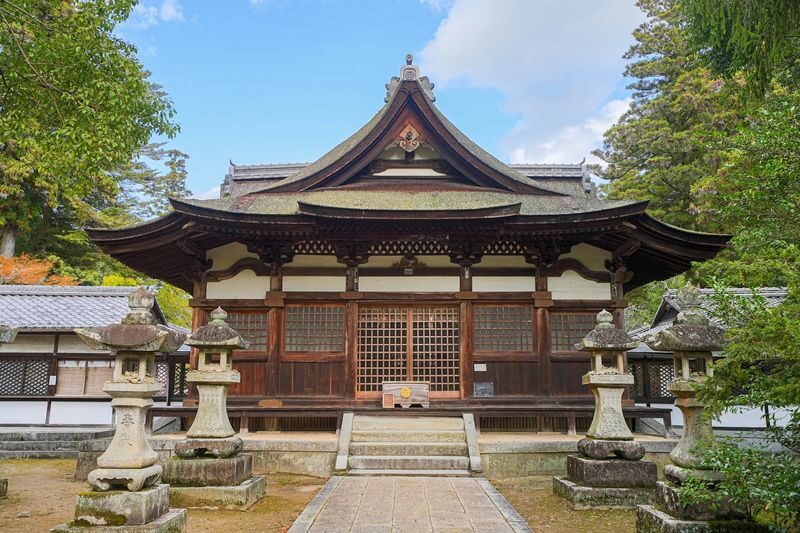
The afternoon starts at Hokoku-jinja, also known as Senjokaku Pavilion. The visit is scheduled for 2:45 PM, followed closely by Itsukushima Shrine at 2:50 PM. That close timing signals a compact guided sequence rather than a long pause between the two sites.
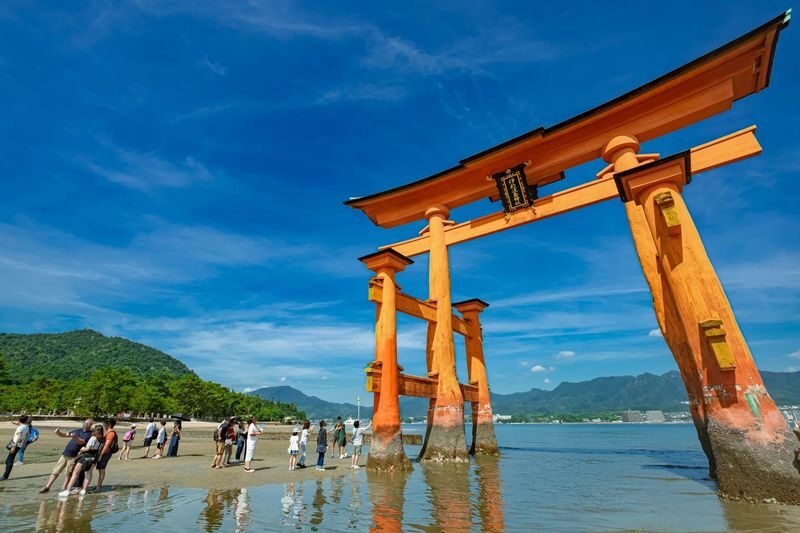
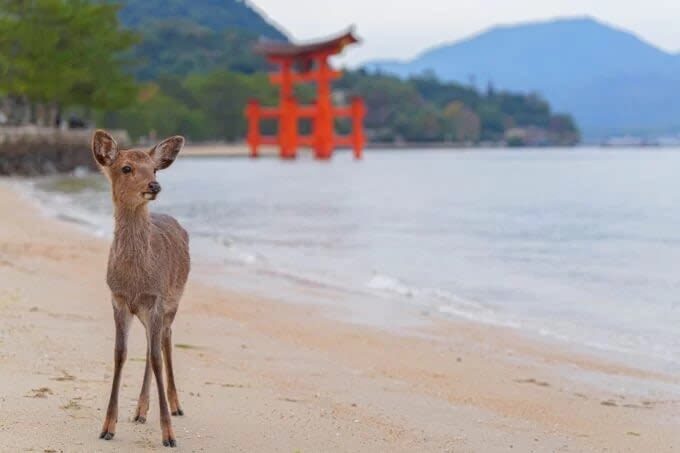
Senjokaku Pavilion is a useful stop before the shrine because it sets up the religious and architectural context of the island. At Itsukushima Shrine, your guide explains Shintoism, giving you a framework for understanding the site beyond its striking position beside the water. Miyajima is regarded as one of Japan’s three most scenic spots, and the shrine is its defining sight.
The shrine’s well-known appearance depends in part on the relationship between its buildings and the sea. The supplied details describe it as a floating shrine, but do not promise a particular tide or water level on your visit. If you have a specific view in mind, remember that conditions can affect what you see.
Daisho-in Temple: a Buddhist counterpoint
At about 3:20 PM, the tour visits Daisho-in Temple. Your guide leads you around the temple grounds, adding a Buddhist perspective to the Shinto context at Itsukushima Shrine. Seeing both on the same afternoon helps you compare two important strands of Japanese religious life without needing to arrange separate visits.
The visit is guided, so you get an explanation as you move through the grounds. It is another scheduled stop, not a long independent stay. If one site matters especially to you, consider that the tour’s value comes from covering several places in a single day, rather than allowing extensive time at any one of them.
The return journey begins after the afternoon visits, with arrival back at Hiroshima Station planned for 5:30 PM. That timing is an estimate in practice, since the schedule can change with traffic and weather.
What the price includes, and what it does not
The listed Hiroshima departure package starts at US$187.99. The overall experience summary also gives a starting price of US$167.99, but the package detail for departure from Hiroshima lists US$187.99. Check the price for your selected date and option before booking.
Admission to attractions, transport and an English-speaking guide are included. That makes the cost easier to assess: you are paying for a guided route through two destinations, the ferry connection and entry to the listed sites, rather than only for a guide at one location. Meals, drinks, personal expenses and gratuities are not included, so add lunch and any purchases to your budget.
The price makes most sense if you want help coordinating Iwakuni and Miyajima in one day. If you prefer to spend hours at a single site or set your own pace, arranging the visits independently may suit you better. The tour’s main value is the combination of transport, admissions and interpretation across a demanding route.
Who should book this tour?
I’d consider this tour if you have a limited stay in Hiroshima and want to see both Kintaikyo Bridge and Miyajima without organizing all the connections yourself. It also suits you if you appreciate a guide’s context at historical and religious sites, especially when you want to understand both Shinto and Buddhism during the same outing.
It is less suited to anyone seeking a slow day, extensive free time or a private ride. The itinerary moves through several stops, and the only clearly planned free period is lunch on Omotesando. Families should note that infants and children must be included in the passenger headcount; children aged 0 to 5 are free, while those aged 13 and older pay the adult rate.
A past five-star account highlighted the beauty of the stops, the explanations along the way and the careful timing, and thanked a guide named Isabella. That is encouraging, but it does not guarantee the same guide or exact conditions on your date. The broader provider has 889 reviews and a 97 percent good review rate, though those figures cover the provider rather than this specific tour.
Should you book it?
Book this if your priority is seeing Iwakuni’s bridge and castle alongside Miyajima’s major religious sites in one well-structured day from Hiroshima. You’ll get transport, admission and an English-speaking guide, plus a ferry crossing and a lunch break with some independent time.
Skip it if you want a relaxed pace or a long stay at each stop. This is a packed day, and weather or traffic may alter the schedule. For a first visit to the area with limited time, the combination is a practical way to cover a lot; for a slower trip, choose one destination and give it more room.
1-Day Miyajima & Iwakuni Tour: Exploring Iconic Japanese Landscapes
“This was the most amazing day! Every step along the way we were seeing the most beautiful sights. There was also a good amount of explanation along…”
FAQ
Where does the tour start and end?
It starts at 8:00 AM and returns at about 5:30 PM to Hiroshima Station. Meet by the Shinkansen Gates under the Tourist Information sign.
How long is the tour?
The planned day runs from 8:00 AM to 5:30 PM, or about nine and a half hours. Traffic and weather may change the schedule.
Is transport included?
Yes. Transport is included, and the tour uses public transportation. The route also includes a ferry ride to Miyajima along the World Heritage Sea Route.
Is an English-speaking guide included?
Yes. An English-speaking guide is included and leads visits at the listed sites.
Are attraction admissions included?
Yes. Admission to attractions is included in the tour price.
Are lunch and drinks included?
No. Meals and beverages are not included. You have time for lunch and free time on Omotesando Shopping Arcade.
What is the child pricing?
Children aged 0 to 5 are free, and children aged 13 or older are charged the adult rate. Infants and children must still be included in the passenger headcount.
Is luggage storage provided?
No. Luggage storage and delivery services are not provided.
Can I cancel for a full refund?
Yes, you can receive a full refund if you cancel at least 24 hours before the activity date, using the destination’s local time.